



Carved Rosewood Frame
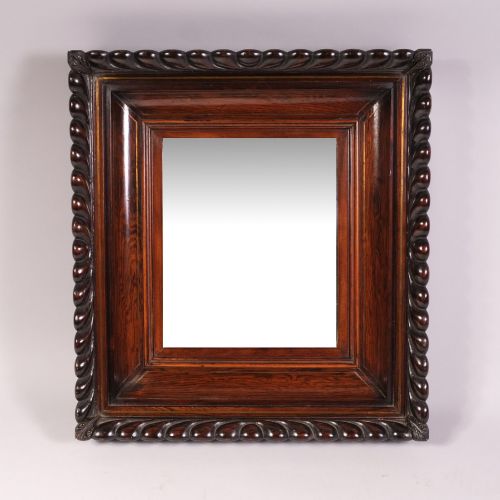
A carved rosewood frame brings dense grain and deep botanical carving to mirrors and seating, anchoring a room with dark timber.
Carved Rosewood Frame
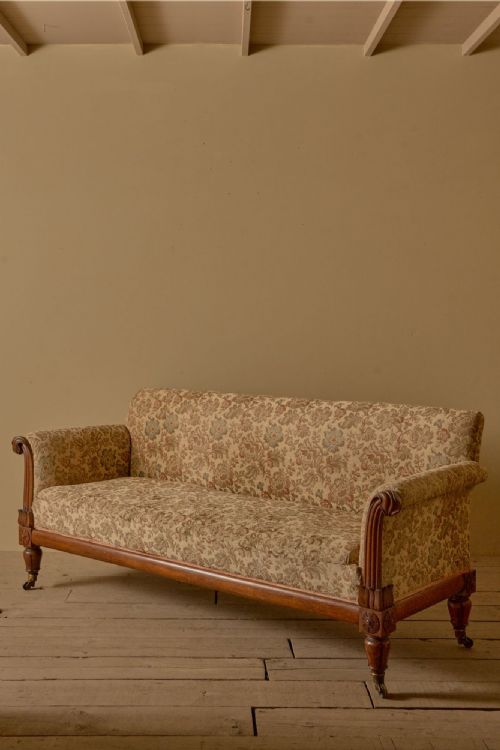
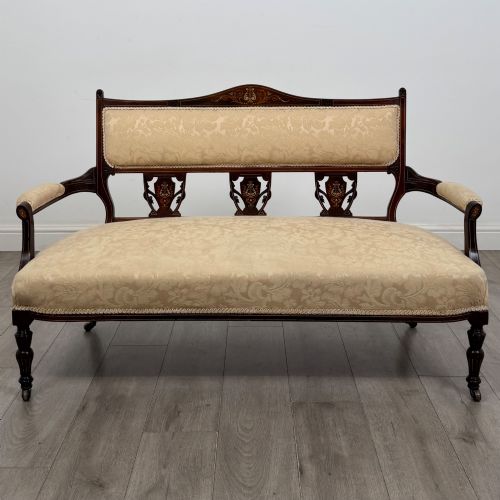
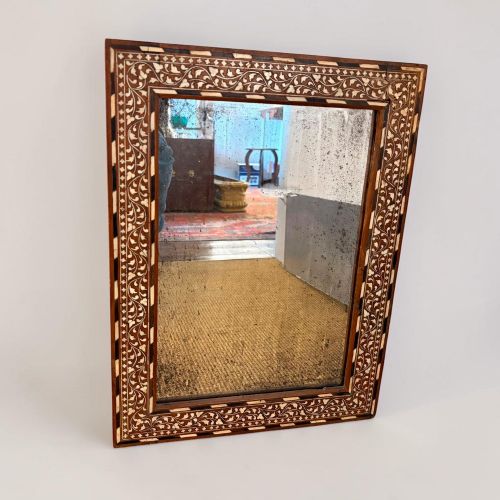
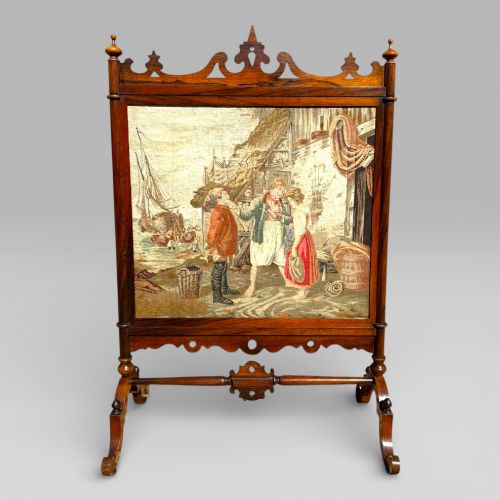
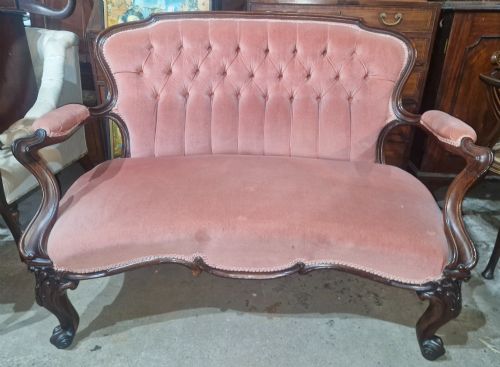
When you search for a carved rosewood frame, you are looking at mirrors, armchairs, sofas, and stools where dark tropical timber holds carved detail. The pieces on this page span the Georgian, Regency, Victorian, and Edwardian periods, stretching from country house sofas to Anglo-Indian wall mirrors.
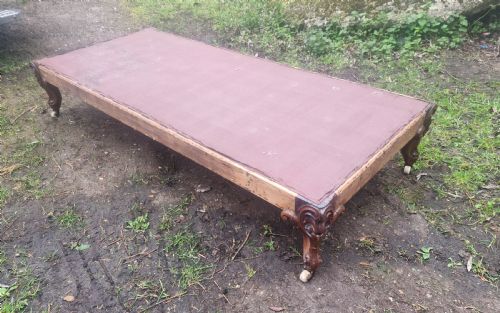
You are most likely to meet Victorian and mid-Victorian seating and mirrors, including chaise longues, window seats, and prie-dieu chairs. These items often combine solid timber frames with upholstered elements like velvet, damask, or buttoned leather.
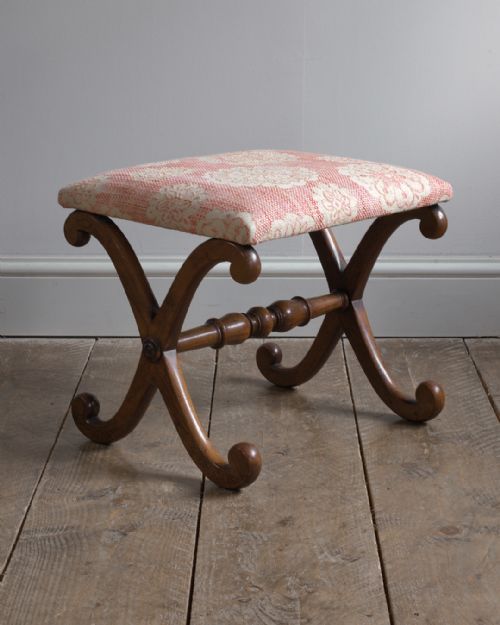
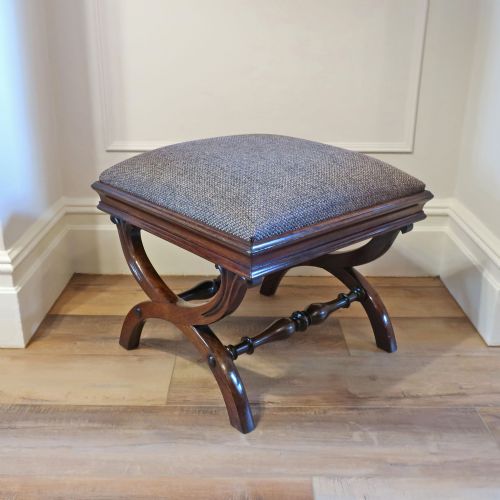
The assortment includes specialised forms such as cross-frame dressing stools, corner bedroom chairs, and overmantel mirrors. Alongside English and French regional pieces, you will encounter Anglo-Indian and Chinese carved work that utilises the same dense dark wood.
What varies in quality
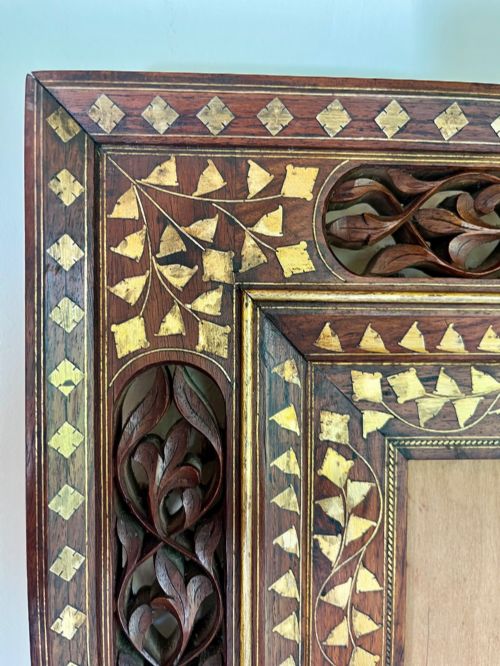
The distinction between tiers rests on the depth and crispness of the hand carving rather than the mere presence of decoration. Superior examples display sharp undercut foliage and harmonious proportions, whereas lesser pieces rely on shallow surface stamping or simpler turned sections.
The integrity of the underlying rosewood frame and the retention of original structural joinery dictate value. Pieces that maintain their heavy timber sections without excessive replacement parts command greater attention than those with compromised frames.
Carved Rosewood Frame Retail Price Guide 2026
Typical asking prices for carved rosewood frame among the pieces listed under this phrase on Sellingantiques today, from the lower quarter to the upper quarter. They describe what is for sale here now, not the wider market.
One tiny child's chair cants its rosewood frame at a solemn angle, scaled down for a Victorian toddler who sat like a bishop.
The Carved Rosewood Frame Glossary
- Rosewood
- A dense, heavily grained tropical timber prized for its deep colour and durability. It takes a fine polish and provides a heavy structural base for intricate carving.
- Chaise longue
- An upholstered couch intended for reclining, featuring an elongated seat and one raised end. Victorian examples frequently employ heavily carved rosewood frames.
- Prie-dieu
- A low devotional chair with a high padded back designed for kneeling and prayer. These bedroom chairs often show elaborate rosewood turning and carving from the mid-nineteenth century.
- Marquetry
- Decorative patterns formed by fitting contrasting veneers into wood surfaces. Edwardian rosewood frames occasionally utilise this technique alongside brass inlay.
- Overmantel
- A large mirror designed to hang directly above a fireplace mantelpiece. They appear frequently in Edwardian and Victorian rosewood formats.
Carved Rosewood Frame: Frequently Asked Questions
How do I date a rosewood frame?
Dating relies on combining the overarching style, such as Regency or Edwardian, with construction methods visible in the timber and joints. Secondary woods and upholstery foundations often confirm the period of manufacture.
Victorian pieces tend to show heavier proportions and deep floral carving, while Regency examples lean towards classical restraint and cleaner architectural lines.
Were these frames always polished?
Most rosewood pieces received a French polish or wax finish to highlight the deep grain and natural dark tones of the timber. This finish protects the dense wood while enhancing its visual richness.
Over decades, historical polishing can develop a soft patina that distinguishes older surfaces from modern refinishing work.
Can I reupholster a rosewood armchair?
Many seating items, including window seats and centre stools, are specifically acquired for reupholstering to match modern interiors. Traditional methods and appropriate textiles should be used to respect the historical frame.
Care must be taken during stripping and webbing to avoid damaging the surrounding carved rosewood edges.
What is an Anglo-Indian mirror frame?
Anglo-Indian mirrors reflect nineteenth-century craftsmanship produced in the Indian subcontinent for British export or local European residents. They are distinguished by exceptionally dense, intricate botanical and geometric carving.
These pieces utilise local varieties of rosewood and display distinct regional carving signatures that differ from domestic English workshop styles.