


Carved Ribbon Crested Mirror
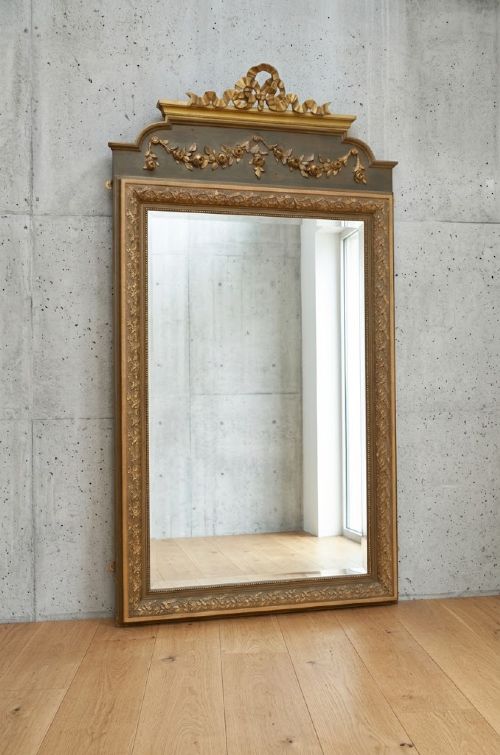
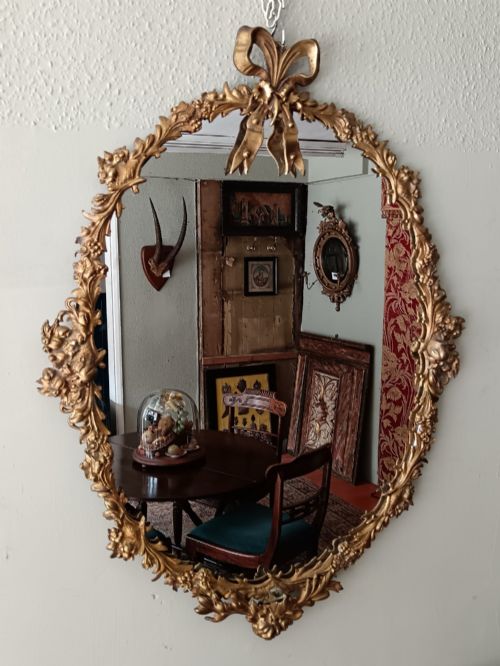
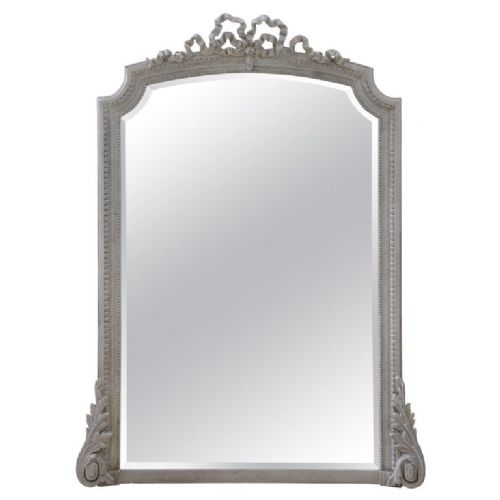
A carved ribbon crested mirror brings delicate neoclassical grace to a room, hung as a focal point above a mantelpiece or console.
Carved Ribbon Crested Mirror
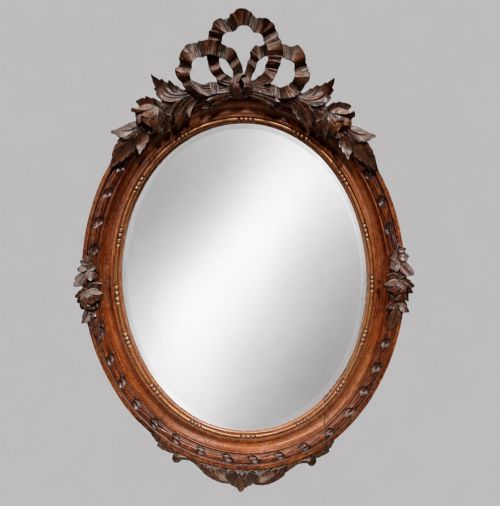
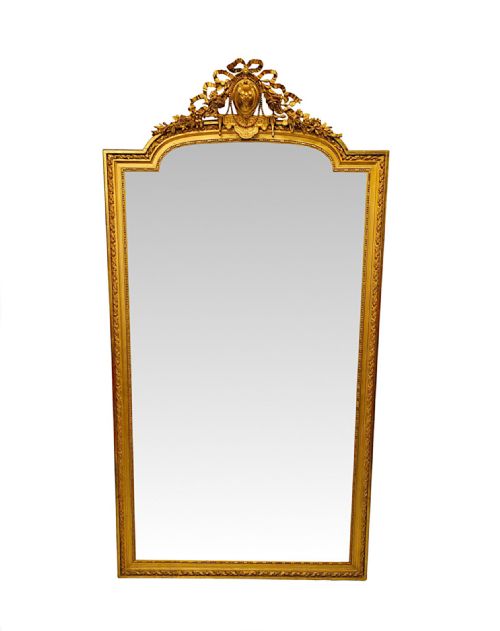
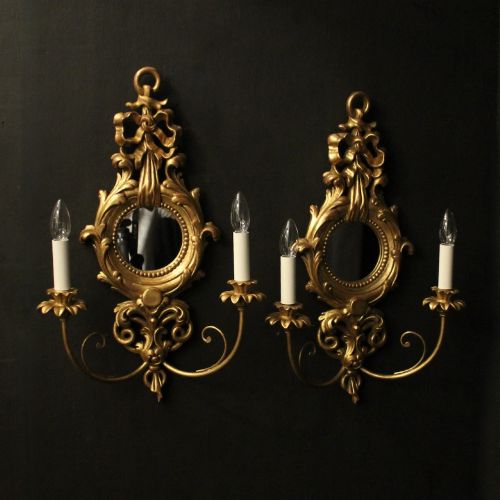
When you search for a carved ribbon crested mirror, you encounter wall mirrors and overmantel mirrors defined by prominent ribbon and bow ornaments at the top. These pieces emerge from the nineteenth century into the Edwardian era, spanning Victorian, Louis XVI style, and Adam revival aesthetics.
You are most likely to meet oval wall mirrors framed in giltwood and gesso, alongside occasional rectangular overmantel forms. French neoclassical and revival influences dominate the selection, bringing carved wooden ribbons and bows into domestic interiors from 1850 through 1930.
How they were made
Carved wood and gesso provide the structural base for these frames, shaped into ornate profiles before receiving layers of gold leaf or paint. Artisans built up intricate relief motifs, such as ribbons, bows, and neoclassical swags, directly onto the wooden or gesso ground.
Giltwood and mirror glass complete the construction, utilising original bevelled plates set within gilded or painted wooden rabbets. Gilding was applied over prepared gesso surfaces to achieve the bright reflective finishes seen on Victorian and Edwardian examples.
Listings span periods from 1850 to 1930, featuring giltwood, gesso, and painted wood across wall and overmantel mirror formats.
What varies in quality
The crispness and depth of the wood and gesso carving dictate the visual impact of the upper crest. Sharp, undercut ribbon folds and cleanly modelled bows separate superior examples from softer, shallower press-moulded ornamentation.
The integrity of the original gilding and the preservation of the mirror glass contribute significantly to the character of the piece. Intact gold leaf surfaces and period bevelled glass retain their intended luminance and historical coherence.
Strahan of Dublin
The Carved Ribbon Crested Mirror Glossary
- Giltwood
- Wood that has been coated with gold leaf or gold paint. This finish creates a luminous metallic surface common on neoclassical frames.
- Gesso
- A plaster-like mixture applied to wood surfaces as a base for gilding and fine carving. It allows artisans to shape intricate relief details before finishing.
- Overmantel mirror
- A large mirror designed specifically to hang above a fireplace mantel. These pieces often anchor the proportions of a reception room wall.
- Louis XVI style
- A classical revival design movement drawing on French eighteenth-century motifs. It is characterised by symmetry, straight lines, ribbons, and classical foliage.
- Adam revival
- An eighteenth-century neoclassical style revived in the nineteenth and twentieth centuries. It incorporates light, elegant motifs including urns, swags, and ribbons.
Carved Ribbon Crested Mirror: Frequently Asked Questions
Where should I hang a ribbon crested mirror?
These mirrors suit principal reception rooms, hallways, and bedrooms where their decorative crests receive adequate wall space. Hanging them above a mantelpiece or a console table follows historical placement conventions.
Permanent placement should account for the weight of the carved wood and gesso frame, ensuring secure fixings into structural wall supports.
How do I identify a Louis XVI style mirror?
Louis XVI style mirrors display strict symmetry, rectangular or oval formats, and neoclassical ornamentation such as ribbons, bows, and beaded borders. They reflect an eighteenth-century French aesthetic revived during the nineteenth and early twentieth centuries.
The presence of carved wooden bows and crisp gesso detailing often signals this specific revival influence within Victorian and Edwardian collections.
What is an overmantel mirror?
An overmantel mirror is a large-format looking glass built to sit directly above a fireplace mantel. These pieces frequently feature extended horizontal or vertical proportions to fill the chimney breast wall.
During the nineteenth century, makers designed these mirrors to bounce light around formal rooms while serving as permanent architectural fixtures.
Are these mirrors made of solid wood?
The structural frames combine solid wood with built-up layers of gesso to achieve intricate relief carving. Artisans applied gesso over wooden carcases to model fine details like ribbons, swags, and floral motifs.
This composite construction allowed nineteenth-century makers to achieve deep, ornate ornamentation without excessive structural weight.