

Carved Provincial Cupboard
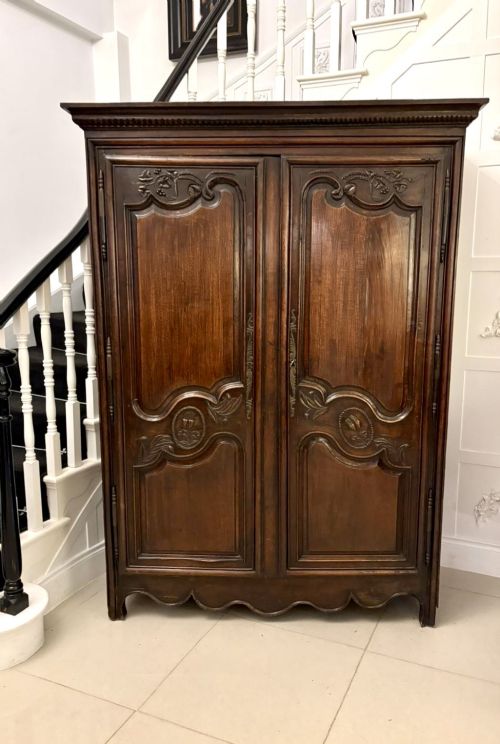
A carved provincial cupboard brings rustic utility and heavy timber presence into a room.
Carved Provincial Cupboard
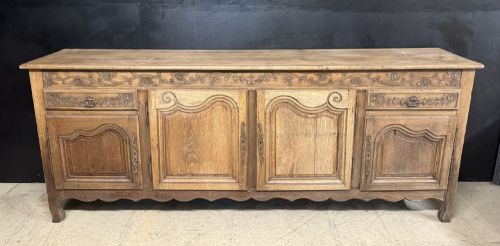
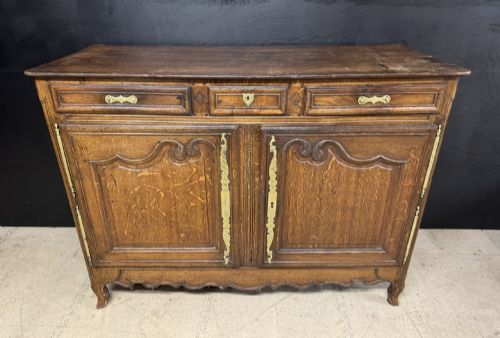
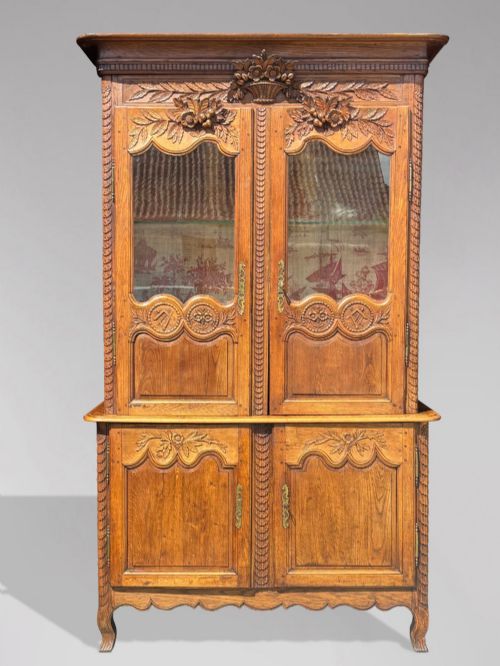
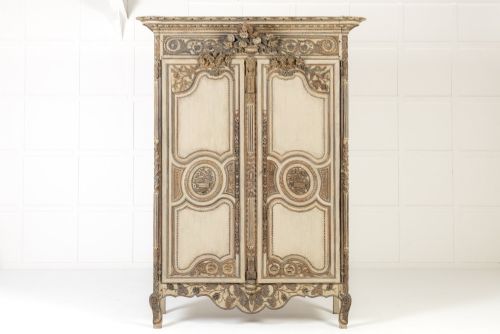
A carved provincial cupboard encompasses heavy storage furniture originating from regional workshops rather than metropolitan centres. Buyers searching for a carved provincial cupboard typically encounter robust pieces built from domestic hardwoods for rural domestic use.
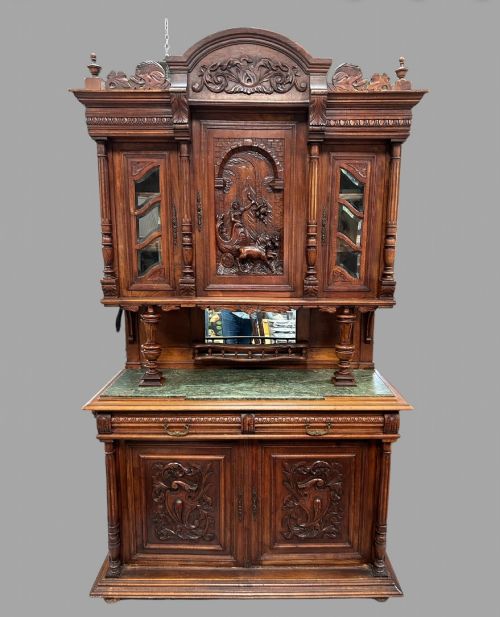
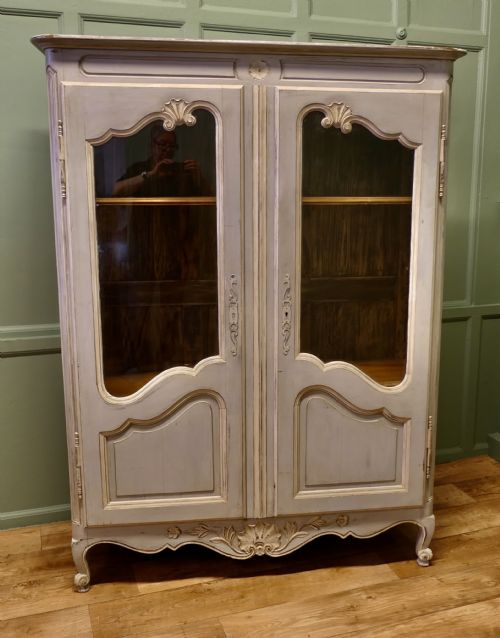
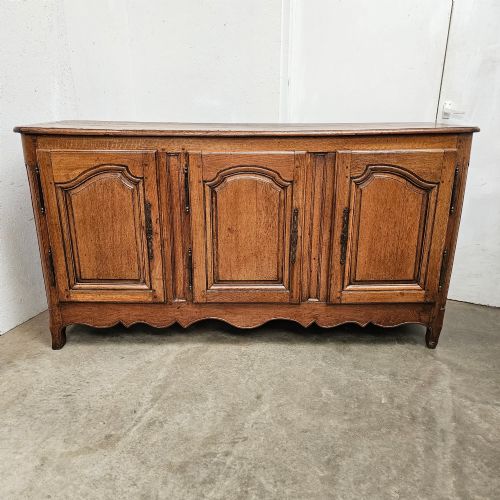
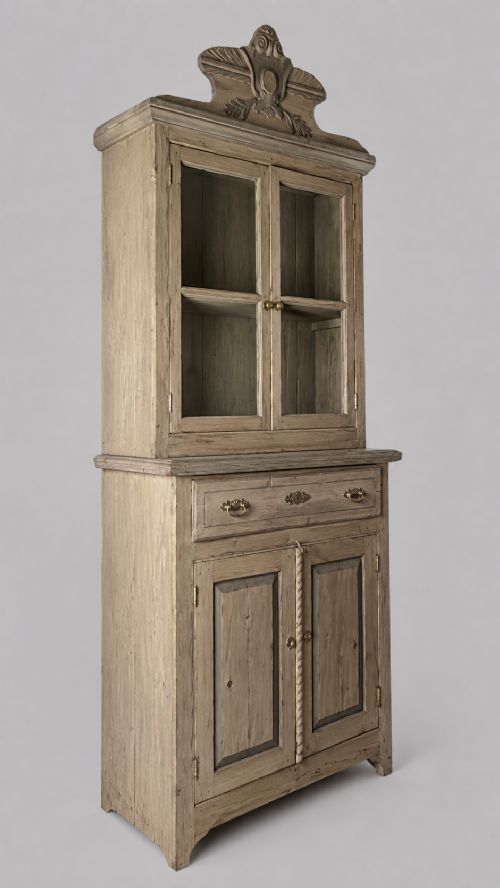
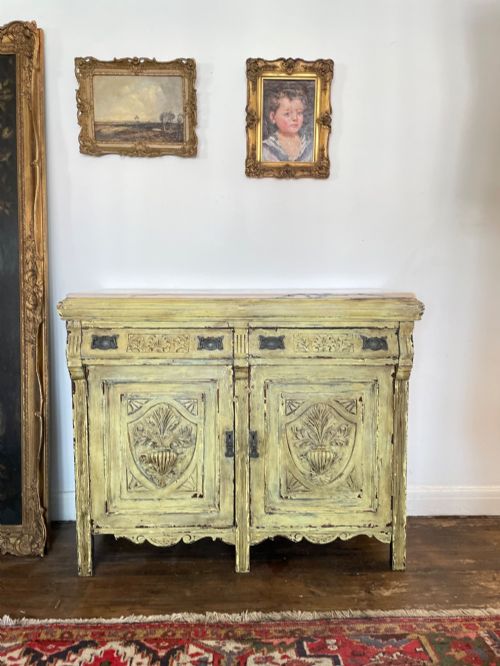
The selections span centuries, featuring seventeenth-century foundations alongside eighteenth-century commodes, armoires, and kitchen dressers. French provincial styling dominates the record, alongside regional iterations built with panelled doors and carved detailing.
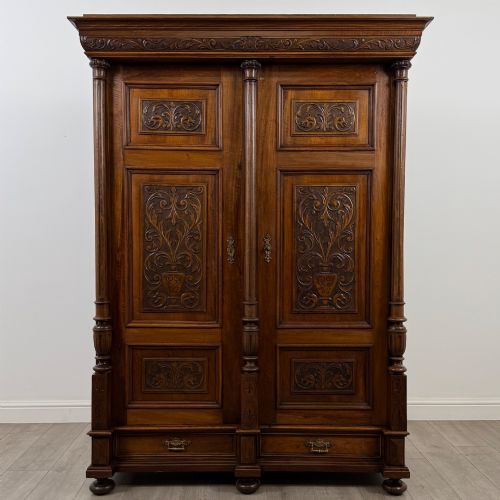
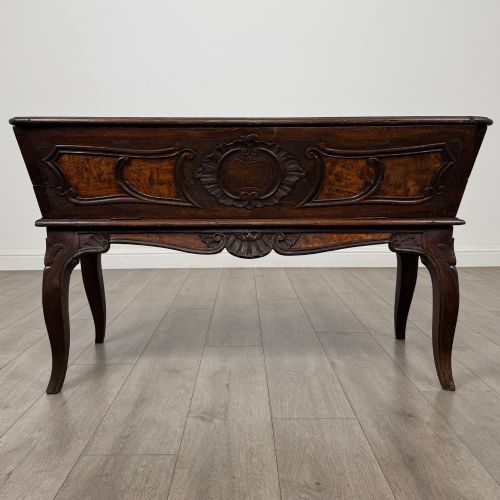
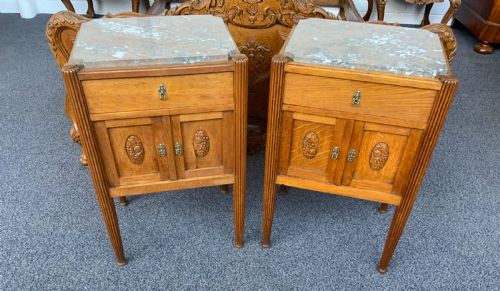
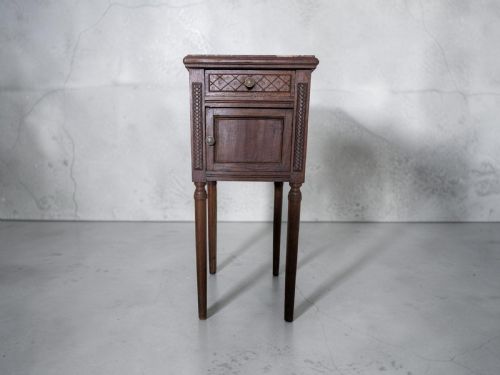
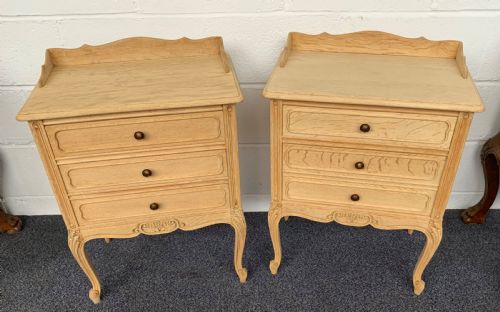
Forms range from tall double-door wardrobes and buffet deux corps down to smaller bedside cabinets and dough bins. Oak and walnut form the backbone of these listings, often paired with marble tops or iron hardware.
How they were made
Carpenters utilised solid regional hardwoods like oak, walnut, chestnut, ash, elm, and fruitwood, selecting timber for strength and local availability. Panels were typically hand-carved with floral, geometric, or hunting motifs directly into the dense grain of the wood.
Construction relied on traditional joinery techniques such as pegged mortise and tenon frames to accommodate seasonal wood movement. Iron hinges, brass mounts, and wrought iron hardware secured heavy doors, while select pieces incorporated white or pink marble surfaces.
Bread cages and dough bins turn up among the heavy wardrobes, proving our ancestors took their carbs very seriously indeed.
What varies in quality
The depth and crispness of the hand-carving distinguish standard utilitarian storage from exceptional provincial cabinetmaking. Bold relief work and balanced proportions indicate a maker with greater skill working within regional traditions.
The selection and preservation of the primary timber also determine the overall standard of the piece. Intact original hardware, well-figured walnut or oak grain, and minimal timber replacement elevate the standing of an individual cabinet.
The Carved Provincial Cupboard Glossary
- Armoire
- A large upright cupboard or wardrobe used primarily for storing garments and textiles. These tall storage units often feature single or double panelled doors.
- Buffet deux corps
- A large two-tier storage piece comprising a lower cupboard section topped by a matching upper cabinet or vitrine. This substantial form served major rural kitchens and dining rooms.
- Commode
- A low chest of drawers or cupboard piece, frequently fitted with a marble top in French examples. They provide waist-height storage surfaces.
- Vitrine
- A glass-fronted cabinet designed for displaying porcelain, books, or prized household possessions. The glazed doors protect contents while allowing full visibility.
- Enfilade
- A long sideboard or buffet featuring a continuous sequence of doors across the front. These low storage pieces originated in grand dining spaces for serving food.
Carved Provincial Cupboard: Frequently Asked Questions
What is a provincial cupboard?
A provincial cupboard is a storage piece made in regional areas rather than capital cities, utilising local timbers and traditional craftsmanship.
These pieces served practical household functions in rural homes, ranging from food storage to clothing organisation.
How do I date an old cupboard?
Dating relies on examining construction methods, timber types, and stylistic indicators such as carved mouldings and hardware. Earlier pieces from the seventeenth and eighteenth centuries show hand-pegged joinery and distinct regional carving styles.
Later Victorian and Art Deco examples introduce machine assistance, different hardware, and alternative surface treatments like painted finishes or marble tops.
Where were these cupboards made?
The recorded pieces originate predominantly from French provincial regions, reflecting local rural aesthetics and cabinetmaking traditions. Different areas utilised preferred local woods such as chestnut in the south or oak and walnut further north.
These regional variations create distinct visual characteristics in the panel work and structural proportions.
How do I care for antique timber?
Antique timber requires stable indoor humidity levels and protection from direct sunlight to prevent warping and drying out the wood. Regular dusting with a dry cloth keeps the surface clean without stripping historic finishes.
Occasional application of appropriate wax nourishes the grain on unpainted hardwood surfaces.