


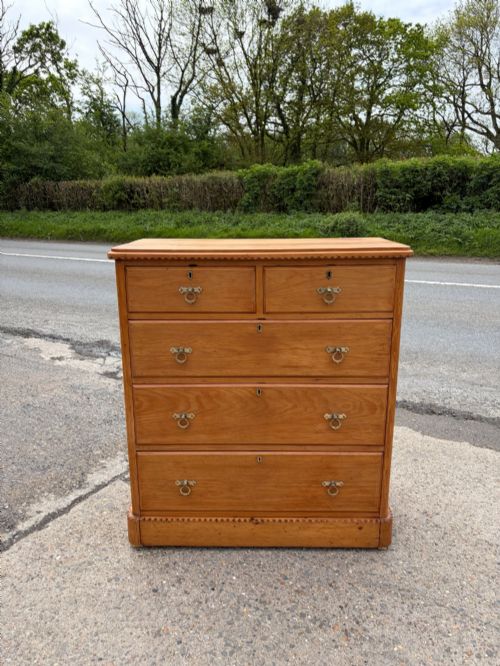
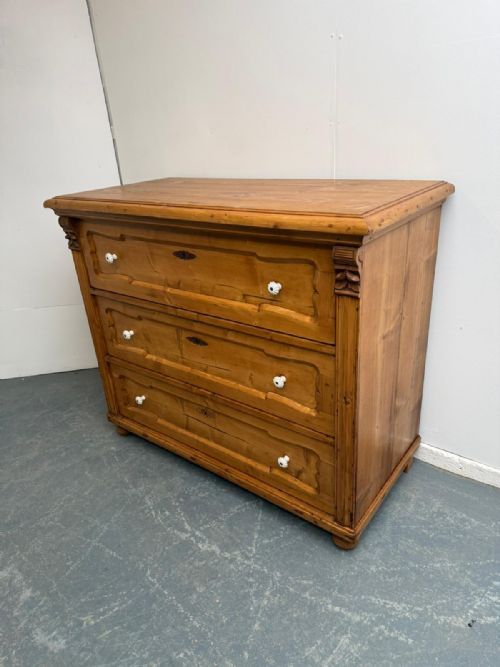


Carved Pine Chest Drawers
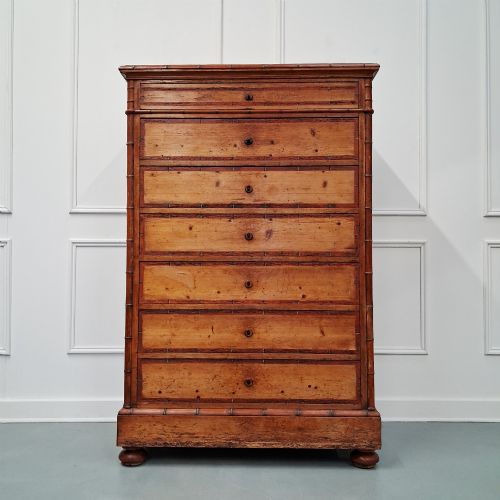
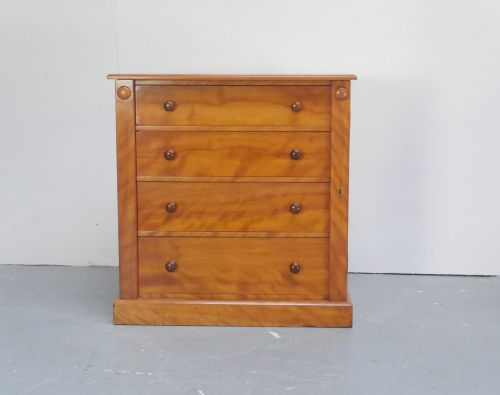
These carved pine chest drawers are robust timber storage pieces built in styles ranging from Georgian to Victorian and French Country.
Carved Pine Chest Drawers
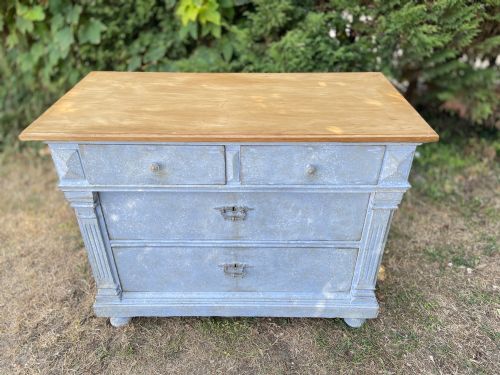
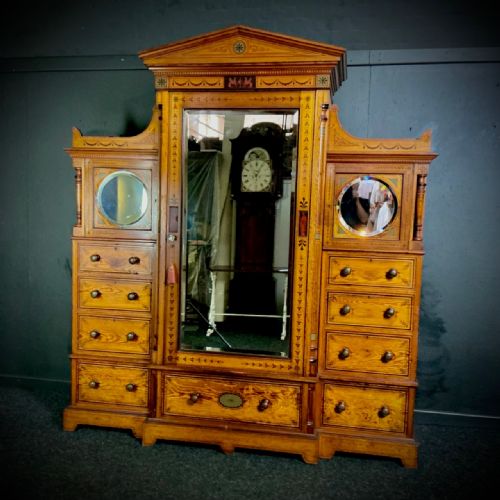
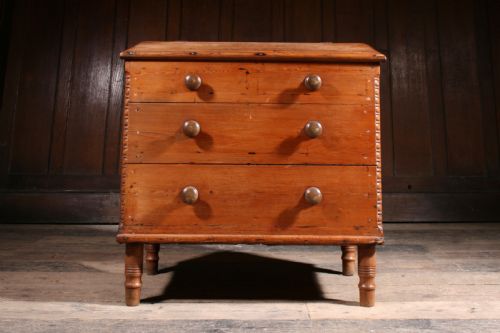
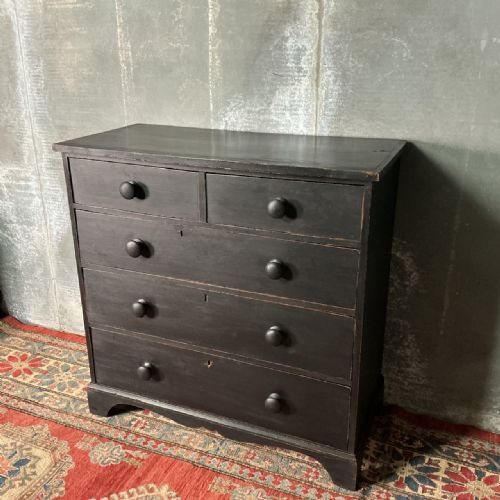
When you search for carved pine chest drawers, you encounter sturdy timber storage furniture originating from periods such as the Georgian era, the nineteenth century, and the early twentieth century. The selection includes standard domestic chests of drawers with configurations like two over three, alongside related forms such as painted cupboards, mule chests, and miniature cabinets.
Regional variations span British country workshops as well as Continental traditions, taking in French Gustavian style, Dutch country design, and Swedish baroque revival forms. These items served practical household storage needs while displaying surface treatments ranging from natural waxed pine to original historic paint.
How they were made
These items rely primarily on solid pine and pitch pine construction, sometimes enhanced by secondary woods or applied architectural details like ebonised moulding and columns. Cabinetmakers utilised traditional joinery methods to build the carcasses and drawer boxes, incorporating brass or ceramic hardware.
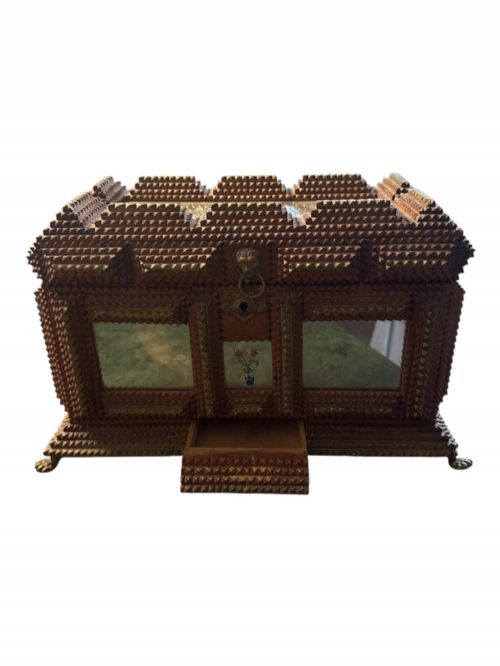
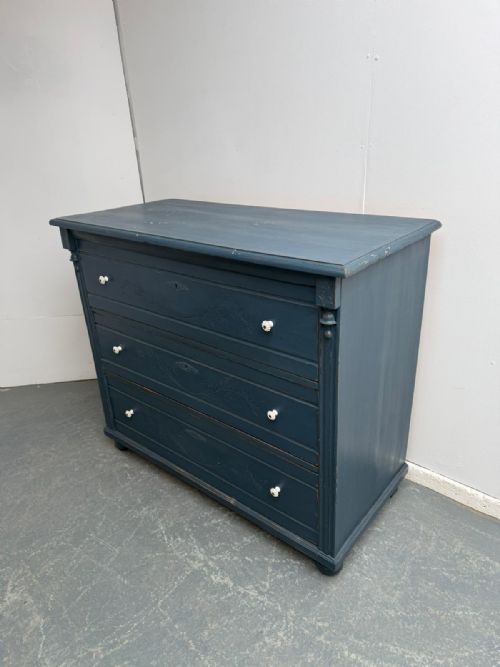
Surface finishes include traditional Hungarian wax treatments that highlight the grain, alongside historic paint applications in colours like blue. Certain examples feature specific decorative techniques such as tramp art carving or diamond-point panels.
Carved Pine Chest Drawers Retail Price Guide 2026
Typical asking prices for carved pine chest drawers among the pieces listed under this phrase on Sellingantiques today, from the lower quarter to the upper quarter. They describe what is for sale here now, not the wider market.
The inventory records regional variations including French Gustavian, Dutch country, and Swedish baroque revival styles alongside British country pieces.
What varies in quality
Quality differences lie in the crispness of the carving, the integrity of the timber, and the survival of original decorative schemes such as early paintwork or wax finishes. Pieces displaying deliberate proportions and refined moulding details stand apart from utilitarian alternatives.
The degree of originality in the hardware, feet, and structural elements defines the standing of an individual item. Cohesive regional characteristics and well-executed surface patination elevate certain examples above standard workshop production.
The Carved Pine Chest Drawers Glossary
- Pitch pine
- A dense resinous variety of pine often utilised for nineteenth-century furniture requiring extra durability. It yields a distinctive grain pattern when polished or waxed.
- Mule chest
- A storage form combining a blanket chest with one or more lower drawers. These pieces bridge the gap between traditional chests and drawer units.
- Tramp art
- A style of folk art created by carving geometric chip-carving patterns into scrap wood and packaging materials. Sweetheart boxes and small cabinets frequently employ this technique.
- Gustavian
- A Swedish adaptation of French neoclassical style characterised by lighter proportions and pale painted finishes. This aesthetic appears across continental pine furniture listings.
- Linen press
- A tall storage piece featuring upper cupboard doors enclosing trays or shelves above a base of lower drawers. They provide substantial volume for household textiles.
Carved Pine Chest Drawers: Frequently Asked Questions
How do I date a pine chest?
Dating relies on construction methods, timber selection, and stylistic markers recorded in the specific listing details. Pieces attributed to the Georgian or Victorian eras display distinct proportions and hardware conventions.
Secondary materials and surface treatments also provide chronological clues. Original paint layers or wax finishes help contextualize the period of manufacture.
What is pitch pine?
Pitch pine is a heavier, more resinous timber than standard softwoods, chosen by makers for strength and pronounced grain. It appears frequently in nineteenth-century cabinetwork.
This material takes wax polish well, resulting in a warm, durable finish. It distinguishes certain regional and apprentice pieces from ordinary domestic furniture.
Are painted finishes original?
Many listings specify original paint, distinguishing historic decorative surfaces from later applied coats. Nineteenth-century examples often retain surviving blue or multi-layered paint schemes.
Examining the wear patterns and interaction with the underlying pine helps determine surface age. Original paint adds significant character to country and folk art pieces.
How do I care for waxed pine?
Waxed pine surfaces benefit from regular dusting with a soft, dry cloth to prevent grit accumulation. Occasional application of a traditional wax maintains the sheen of the timber.
Keep these items away from direct heat sources and strong sunlight to avoid drying the wood. Proper humidity control protects both the pine and any applied mouldings.