



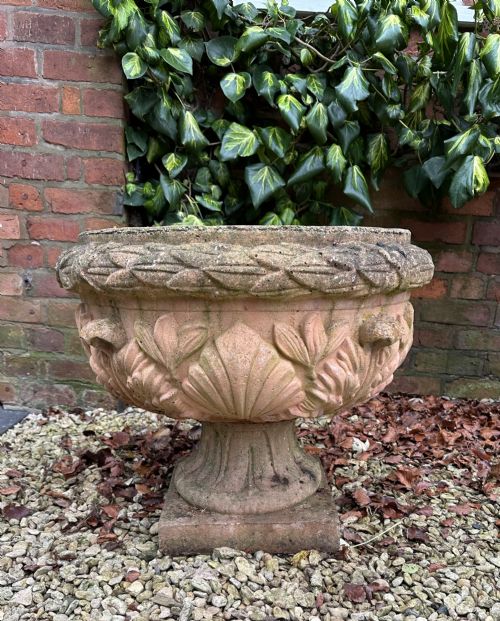


Carved Pedestal Planter
These carved pedestal planter designs combine elevation and horticulture across periods from the eighteenth century to the twentieth.
Carved Pedestal Planter
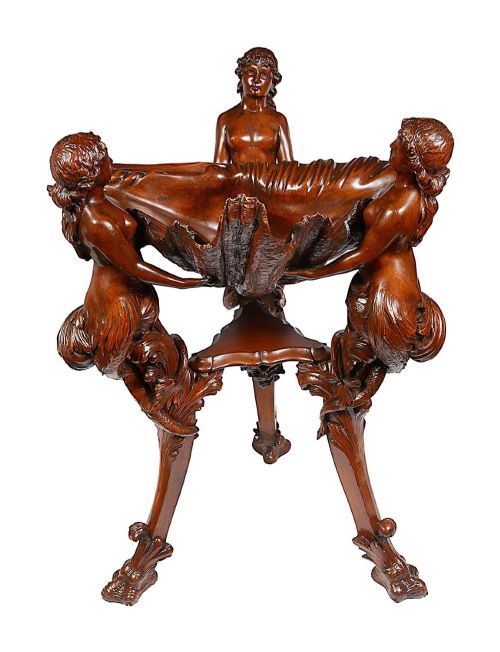
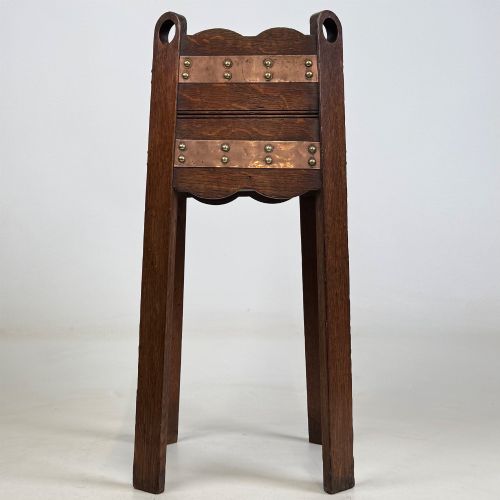
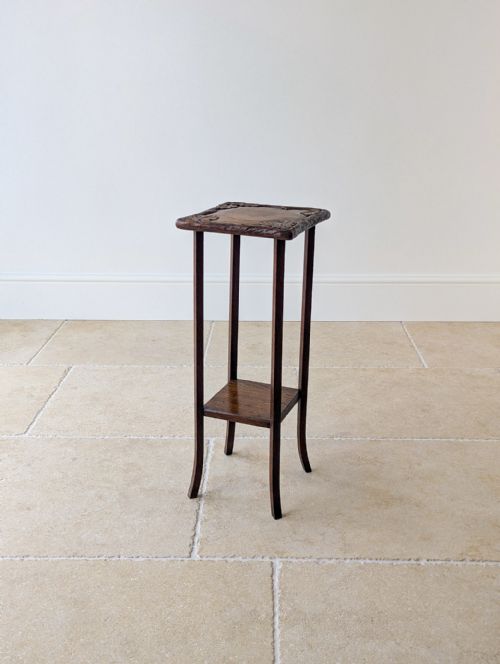
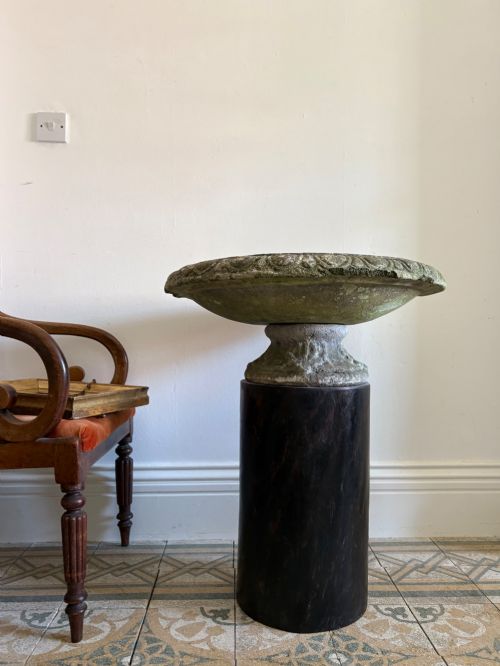
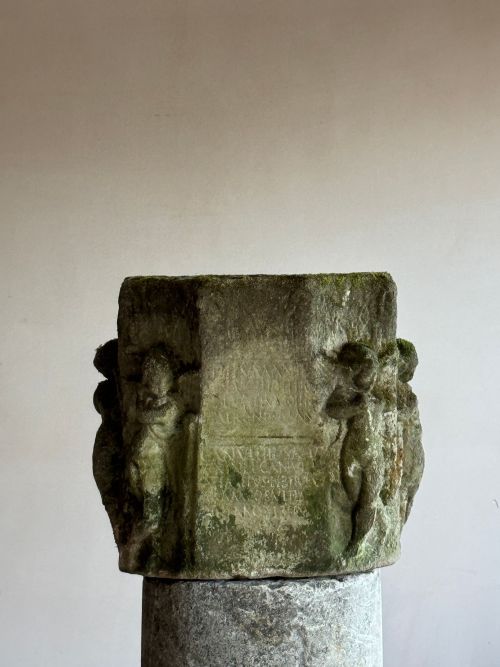
A carved pedestal planter raises greenery or decorative vessels upon columns, torcheres, and plinths, serving domestic interiors and gardens alike. When you examine a carved pedestal planter on this page, you encounter plant stands, jardiniere stands, and garden urns drawn from Victorian, Edwardian, and earlier eras.
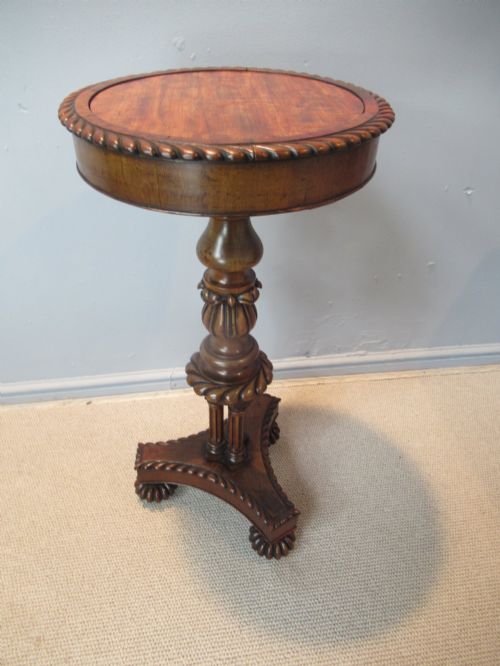
Indoor examples manifest primarily as timber stands in mahogany, oak, walnut, and hardwood, often incorporating brass detail, marble insets, or two tiers. Garden iterations tend toward durable media, presenting cast stone, terracotta, limestone, and salt-glazed bodies designed to weather the elements.
Geographic origins span English workshops, European ateliers, and Chinese export studios, demonstrating styles from Neoclassical and Gothic Revival to Arts and Crafts and Japanese Meiji periods. The selection balances domestic display furniture with architectural garden ornamentation.
Materials and construction methods
Cabinetmakers constructed indoor supports using dense hardwoods like mahogany and oak, employing traditional joinery and turning techniques to shape barley twists, columns, and tripod bases. Ebonised finishes and carved detailing appear on oriental and European pieces alike, frequently paired with inset marble or alabaster tops.
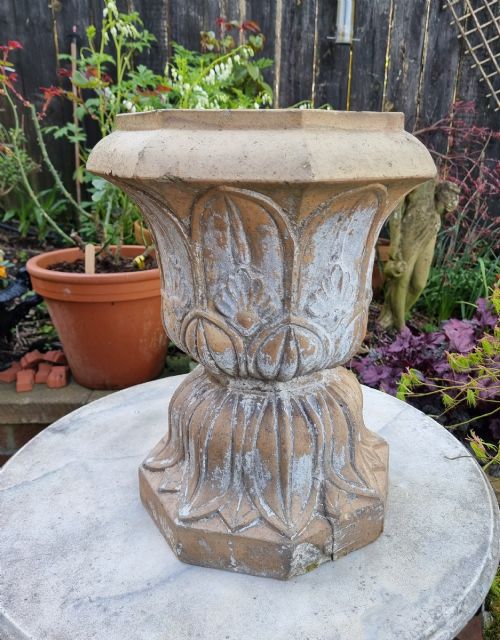
Outdoor vessels rely on resilient mineral substances, utilising cast stone, reconstituted stone, terracotta, Purbeck stone, and stoneware moulded or carved into classical urns, altars, and birdbath planters. These outdoor forms withstand exposure, developing natural weathering and patination over decades.
Carved Pedestal Planter Retail Price Guide 2026
Typical asking prices for carved pedestal planter among the pieces listed under this phrase on Sellingantiques today, from the lower quarter to the upper quarter. They describe what is for sale here now, not the wider market.
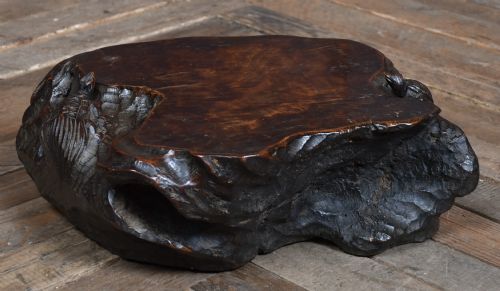
A carved turtle patiently supports a bonsai display stand, proving that even reptiles have heavy responsibilities in nineteenth-century craftsmanship.
Distinctions in craftsmanship and design
Superior quality resides in the crispness of carved ornamentation, the selection of figured timbers or choice marbles, and the structural integrity of joints and pedestals. Pieces originating from specialised export workshops or identified periods display finer hand-chiselled detail and more ambitious architectural proportions.
Subtleties in patination and material consistency separate standard production items from distinguished specimens, such as well-weathered garden terracotta or intricately carved Chinese hardwood stands. The harmony between the supporting pedestal and the upper vessel dictates the overall success of the composition.
The Carved Pedestal Planter Glossary
- Jardiniere
- A large ornamental pot or stand for holding plants or flowers. They sit upon floors or elevate upon dedicated pedestals indoors.
- Torchere
- A tall ornamental stand or candlestick originally designed to hold a light. In furniture terms, it functions as a slender plant or vase pedestal.
- Tazza
- A shallow saucer-like dish mounted on a stem and foot. Italian marble examples serve as classical garden or interior decorative urns.
- Plinth
- A heavy base supporting a statue, vase, or column. Stoneware and stone variants elevate garden urns above ground level.
- Meiji Period
- An era of Japanese history spanning from eighteen sixty-eight to nineteen twelve. Pieces from this time demonstrate refined carving traditions applied to display stands.
Carved Pedestal Planter: Frequently Asked Questions
How do I distinguish indoor stands from garden planters?
Indoor variants utilise polished or ebonised hardwoods, mahogany, walnut, and delicate elements such as marble insets or brass detailing. They are built for domestic floor surfaces rather than weather exposure.
Outdoor versions employ frost-resistant terracotta, cast stone, limestone, and stoneware. These heavier mineral compositions acquire weathering and patination suited to garden environments.
What periods do these pedestals represent?
The selection encompasses nineteenth-century Victorian and William IV designs alongside Edwardian and early twentieth-century examples. Earlier eighteenth-century stone garden urns also appear among the offerings.
Stylistic influences span Neoclassical, Gothic Revival, Arts and Crafts, and Chinese export traditions, reflecting changing aesthetic preferences across centuries.
How were these stands used historically?
Domestic examples elevated potted ferns, palms, and floral arrangements to eye level within reception rooms and hallways. Some double as lamp tables or display surfaces for decorative objects.
Garden urns and birdbath planters anchored landscape designs, marking pathways, terraces, or focal points within courtyards and formal lawns.
How should I care for a wooden plant stand?
Keep wooden surfaces away from direct moisture and standing water by using waterproof saucers inside any displayed planters. Regular dusting and occasional wax application preserve the timber finish.
Stone and terracotta garden pieces require minimal maintenance but benefit from shelter during severe frost to prevent mineral degradation.