


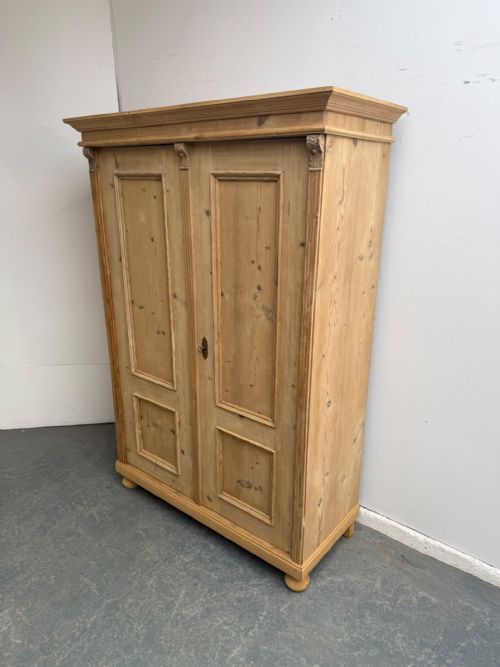
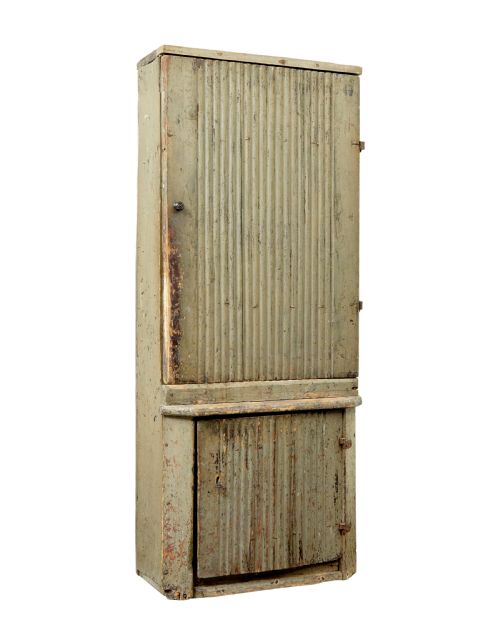
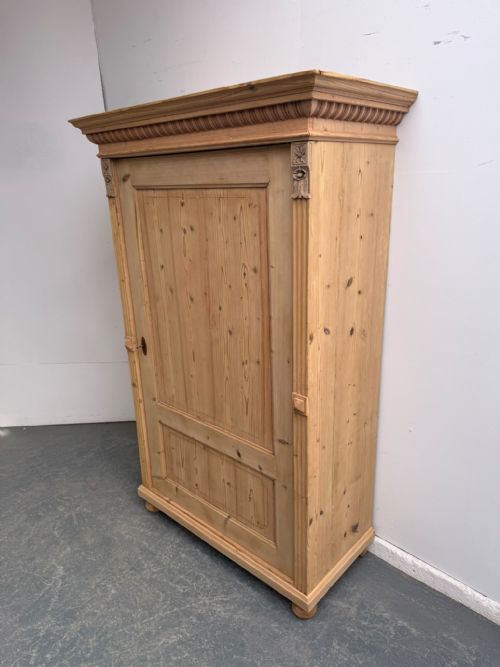
Carved Painted Armoire
A carved painted armoire brings architectural presence and generous storage into a room through hand-carved detail and layered surface finish.
Carved Painted Armoire
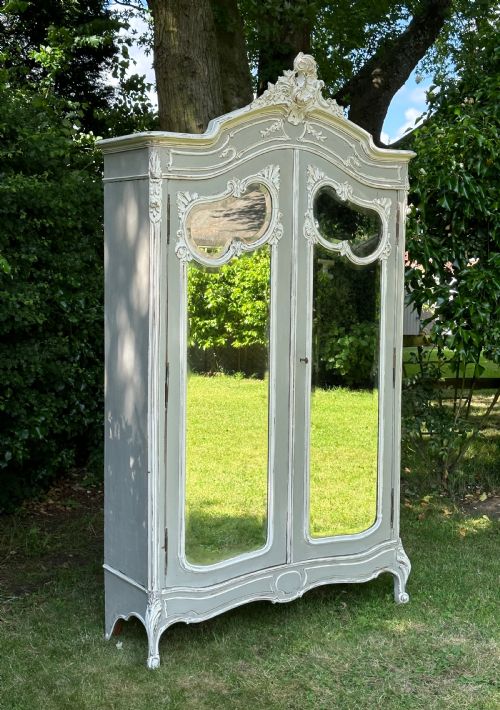
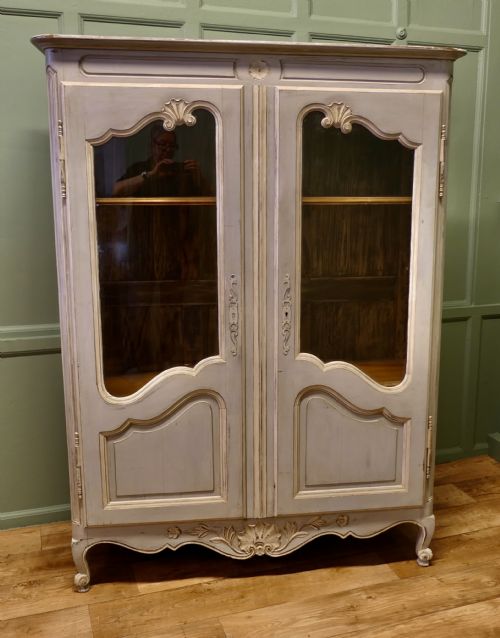
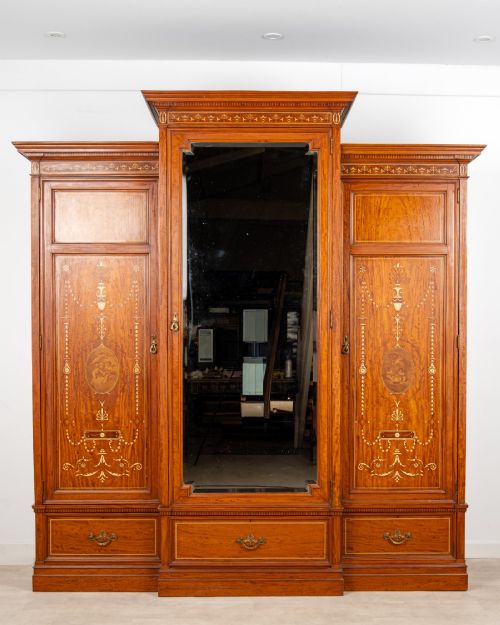
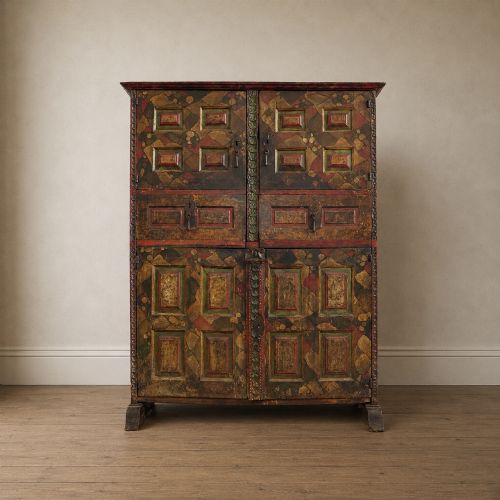
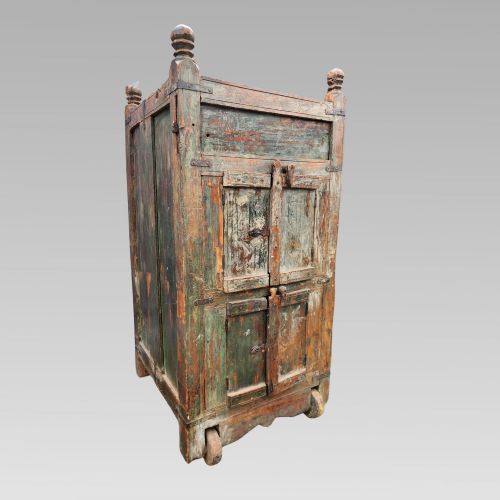
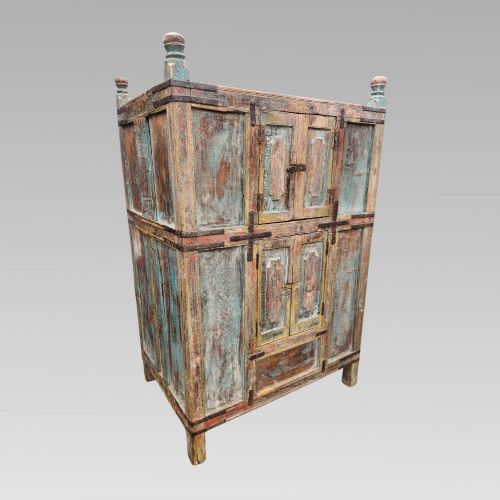
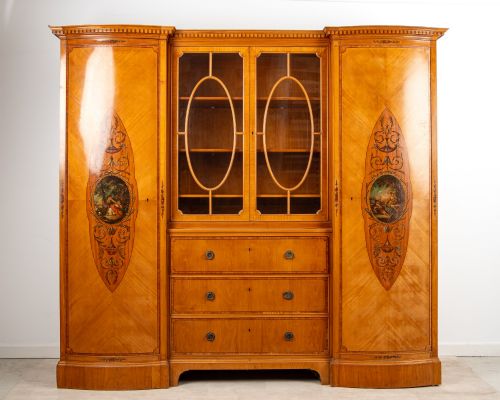
A carved painted armoire encompasses large storage furniture, wardrobes, housekeeper cupboards, and cabinet forms originating across diverse regional traditions. The examples gathered here span centuries from seventeenth-century Spanish Basque pieces to Edwardian satinwood designs, alongside French provincial and Hungarian hall wardrobes.
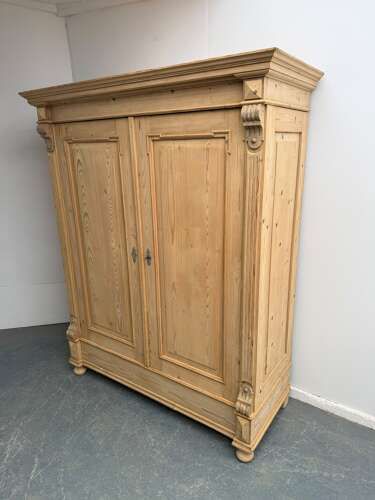
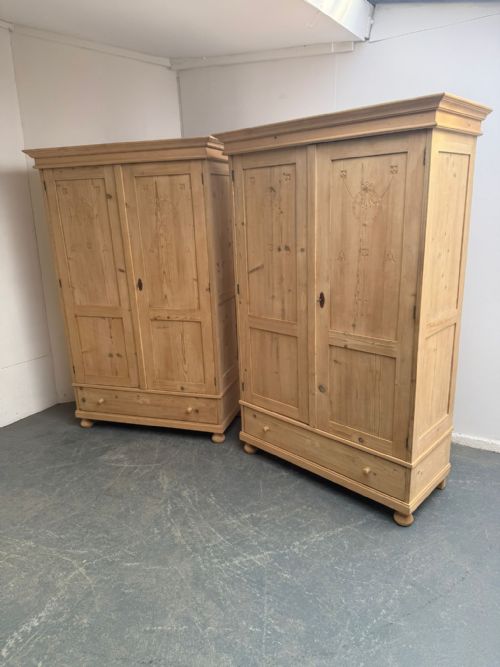
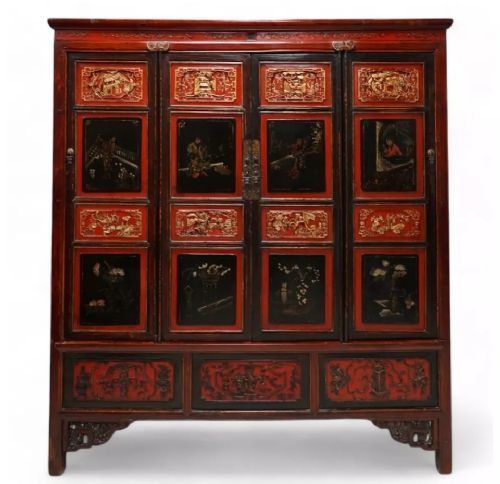
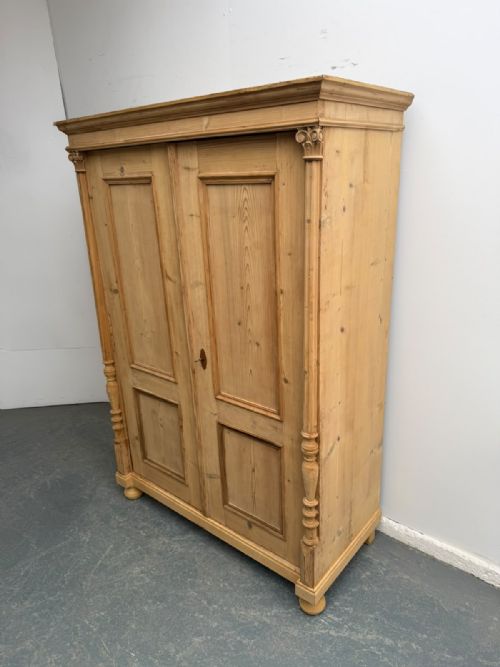
Pine forms predominate among the Victorian and Edwardian selections, frequently configured as knockdown wardrobes or storage cupboards designed for wax or paint finishes. Alongside these utilitarian pine pieces, walnut, oak, satinwood, elm, and teak appear in regional expressions including Chinese marriage cabinets and Indian almirah storage cupboards.
Materials and construction
Makers constructed these cabinets using solid regional timbers such as pine, oak, walnut, elm, and satinwood, joined with traditional carpentry methods. Many large Victorian and Edwardian wardrobes utilise knockdown construction to allow easier transport and assembly within domestic rooms.
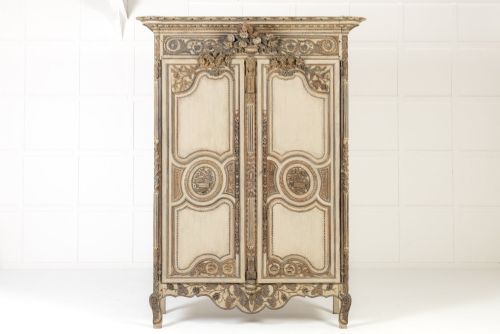
Surfaces receive decorative treatment through hand-carved mouldings, applied polychrome or lacquered paint layers, and occasional mirrored glass panels or brass and iron hardware. Hand-painted panels and inlaid details appear on specific Edwardian and oriental examples.
Carved Painted Armoire Retail Price Guide 2026
Typical asking prices for carved painted armoire among the pieces listed under this phrase on Sellingantiques today, from the lower quarter to the upper quarter. They describe what is for sale here now, not the wider market.
The listings span multiple centuries, ranging from seventeenth-century Spanish Basque pieces to early twentieth-century Arts and Crafts and Edwardian wardrobes.
Evaluating the pieces
Quality rests in the integrity of the original timber frame, the crispness of the hand-carved ornamentation, and the preservation of authentic painted or polychrome surfaces. Pieces retaining genuine historical paint finishes or original hand-painted panels stand apart from later adaptations.
Proportion and structural balance dictate the visual impact of each cabinet, particularly in large triple wardrobes and regional marriage chests. Refined joinery and intact internal shelving or hanging space distinguish superior examples across both European and Asian traditions.
The Carved Painted Armoire Glossary
- Armoire
- A large upright cupboard or wardrobe used primarily for storing clothing. Traditional examples often feature double doors and internal shelving or hanging rails.
- Knockdown wardrobe
- A large wardrobe constructed to be easily dismantled into separate panels and components for transport. This method proved essential for moving bulky furniture into upper rooms.
- Compactus
- A fitted wardrobe or cabinet combining multiple interior storage functions such as hanging space, shelving, and drawers. These pieces represent advanced nineteenth and twentieth-century cabinetry.
- Polychrome
- Decorated in multiple colours. This technique appears on early European housekeeper cupboards and folk art storage pieces.
- Almirah
- A regional cupboard or wardrobe originating from the Indian subcontinent. These storage pieces often utilise teak and display folk art painted details.
Carved Painted Armoire: Frequently Asked Questions
How do I assemble a knockdown wardrobe?
Knockdown wardrobes utilise interlocking panels, wooden pins, and metal bolts designed to be dismantled and rebuilt on site. This clever construction allowed large furniture to navigate narrow staircases in period homes.
Take care to align the original joints properly during assembly and avoid over-tightening fixings in aged timber.
Are these cabinets suitable for modern clothes hangers?
Many older wardrobes feature shallow internal depths or fixed wooden pegs rather than modern hanging rails. You may need to inspect the internal dimensions to ensure contemporary coat hangers fit comfortably inside.
Some pieces function better as linen cupboards with fixed shelving rather than primary clothing wardrobes.
How do I care for painted wooden surfaces?
Historic painted finishes require gentle cleaning with a dry or barely damp microfibre cloth to avoid lifting fragile pigment layers. Avoid modern solvent-based cleaners that can strip original wax and paint.
Apply a microcrystalline wax sparingly if the underlying wood or painted surface appears dry.
How do I distinguish nineteenth-century pine from older pieces?
Nineteenth-century pine furniture often displays machine-sawn timber marks and standardised hardware alongside traditional hand-planed surfaces. Earlier seventeenth and eighteenth-century pine or hardwood pieces reveal entirely hand-riven boards and forged iron joinery.
Examine the back panels and interior drawer construction for clues regarding period manufacturing techniques.