

Carved Oak Wood
These carved oak wood pieces bring solid timber, deep relief and centuries of British craft directly into daily domestic life.
Carved Oak Wood
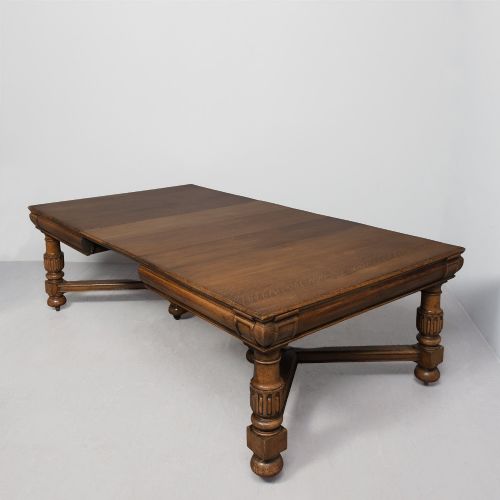
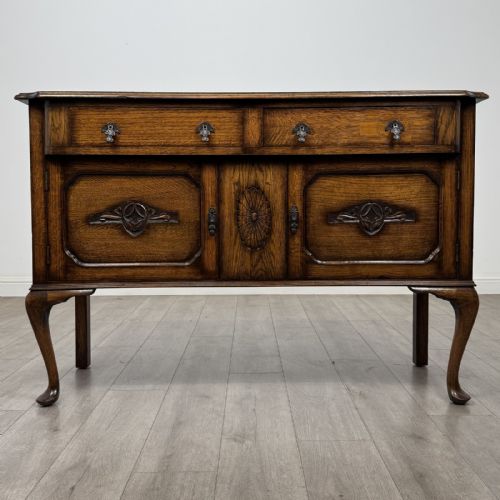
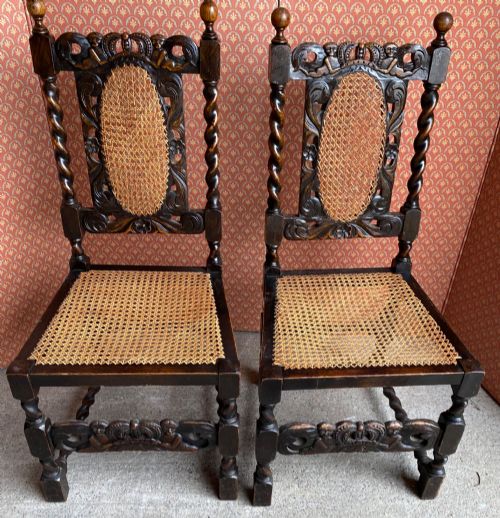
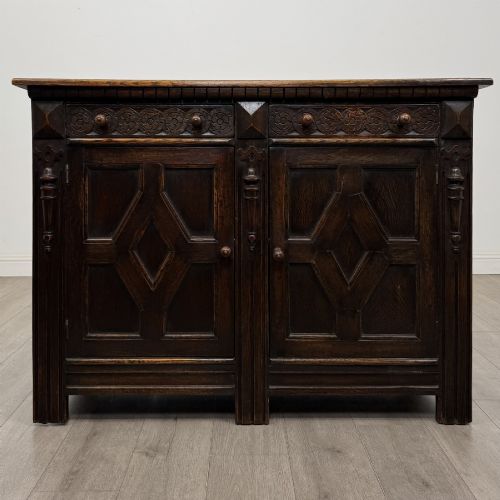
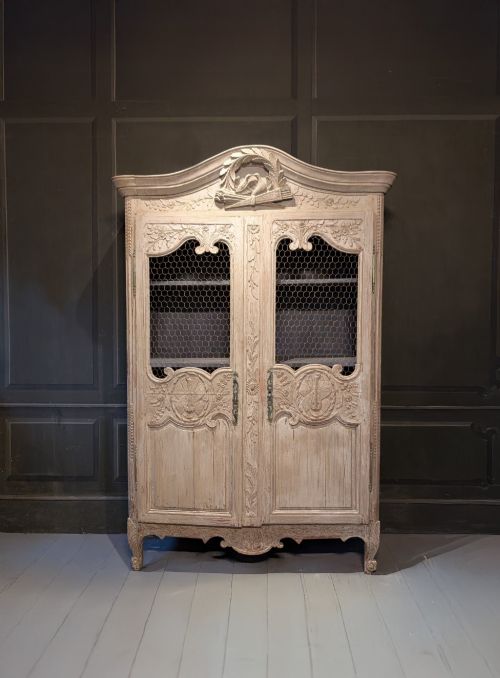
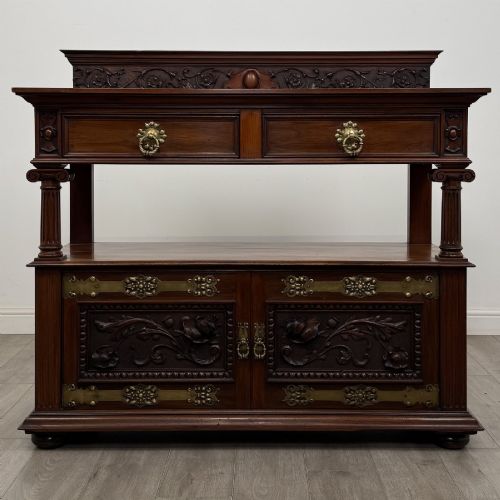
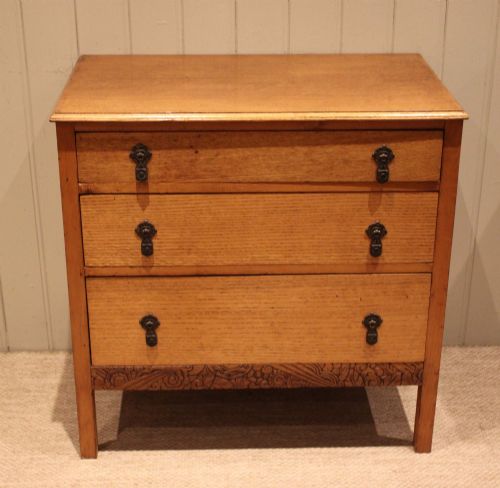
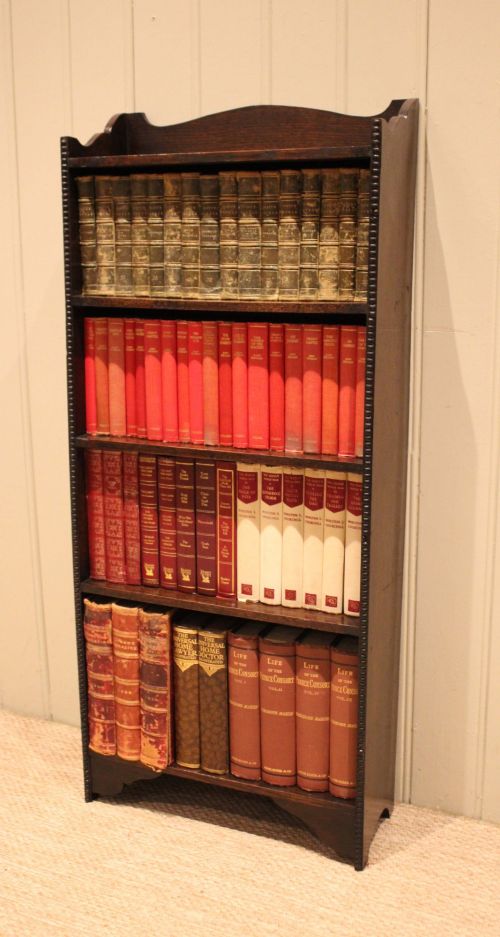
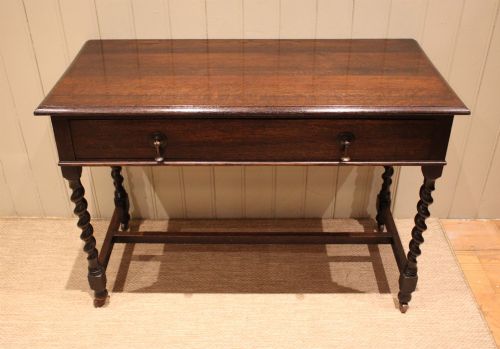
When buyers search for carved oak wood, they encounter substantial furniture and architectural elements spanning from the seventeenth century through the Edwardian era. These items include heavy refectory dining tables, sideboards, blanket boxes, armchairs and wall panels displaying traditional motifs.
The domestic forms most frequently met on this page range from Victorian and Edwardian settles to Georgian coffers and Arts and Crafts sideboards. Makers utilised dense timber to produce functional storage pieces and seating that bear the marks of revivalist styles such as Jacobean and Gothic.
Materials and Technique
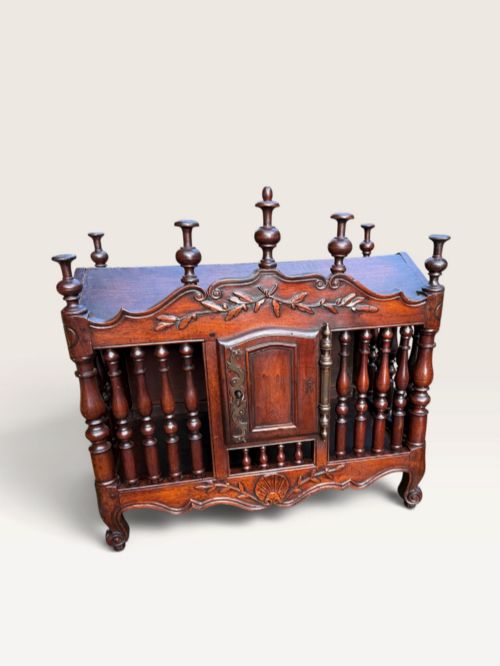
Carpenters constructed these objects using solid oak timbers, often supplemented with brass hardware, iron hinges and fabric upholstery. Artisans worked the wood by hand, applying chisel techniques to create lunette friezes, floral patterns and figurative carvings.
Joinery methods such as mortise and tenon framing provided the structural stability required for heavy items like refectory tables and dressers. Surface finishing relied on natural waxes and oils that darkened the grain over decades of use.
Carved Oak Wood Retail Price Guide 2026
Typical asking prices for carved oak wood among the pieces listed under this phrase on Sellingantiques today, from the lower quarter to the upper quarter. They describe what is for sale here now, not the wider market.
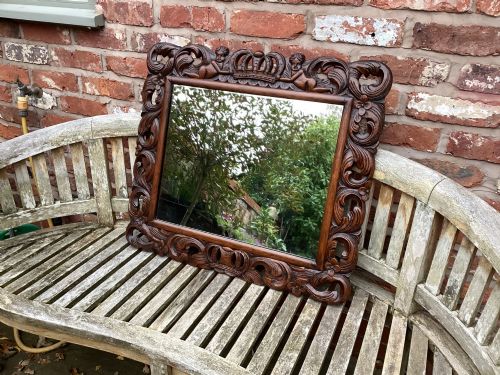
Carved wooden dragons and green men peer out from nineteenth century panels, guarding domestic hallways with silent ferocity.
Distinctions in Standard
The standard of a carved oak wood piece rests upon the crispness of the chisel work and the integrity of the original timber. Deeply undercut relief carving executed by skilled hands separates superior furniture from mechanical later reproductions.
Proportion and structural retention also dictate worth, as pieces maintaining their original stretcher bases, hardware and patination command greater respect among collectors than heavily restored examples.
Leonard Wyburd for Liberty & Co·John Moyr Smith
The Carved Oak Wood Glossary
- Coffer
- A large wooden chest used historically for storing valuables, typically constructed with heavy planking and front relief carving.
- Refectory table
- A long dining table traditionally utilised in communal halls, featuring substantial legs connected by floor-level stretchers.
- Lunette
- A semicrescent architectural ornament or carved frieze detail often filled with fan motifs or geometric patterns.
- Newel post
- The principal vertical post supporting a stair handrail, frequently turned on a lathe or carved with figurative designs.
- Purdonium
- A specialised coal box or cabinet designed to hold household fuel near a fireplace, commonly built in wood during the Victorian period.
Carved Oak Wood: Frequently Asked Questions
How do I identify seventeenth century oak?
Seventeenth century pieces display distinct medullary rays in the timber, visible as small silver flakes across the surface known as quarter-sawing. Construction relies heavily on pegged mortise and tenon joints rather than modern metal screws.
Surface patination on genuine early pieces develops a dark, dry lustre that cannot be replicated by chemical staining. Tool marks left by hand adzes and primitive saws remain evident on the interior panels and undersides.
What is a Jacobean style revival?
The Jacobean revival refers to nineteenth and early twentieth century furniture manufactured to imitate the heavy, geometric styles of the early seventeenth century. Workshops utilised older decorative motifs such as guilloche bands, strapwork and moulded panels on newly built carcasses.
These revival items allowed Victorian households to achieve the historic look of a country house without acquiring scarce antique timber. Grain coloration and softer edge wear help differentiate nineteenth century interpretations from original period pieces.
How should I clean carved oak wood?
Maintain finished surfaces using a soft, dry lint-free cloth to remove dust from deep crevices in the relief carving. Avoid modern silicone polishes that build up within the wood grain and attract atmospheric grime over time.
Apply a microcrystalline wax sparingly once or twice a year to nourish the dry timber and protect the original patination. Keep these items away from direct sunlight and heating vents to prevent wood shrinkage and splitting.
Where did historic settle benches sit?
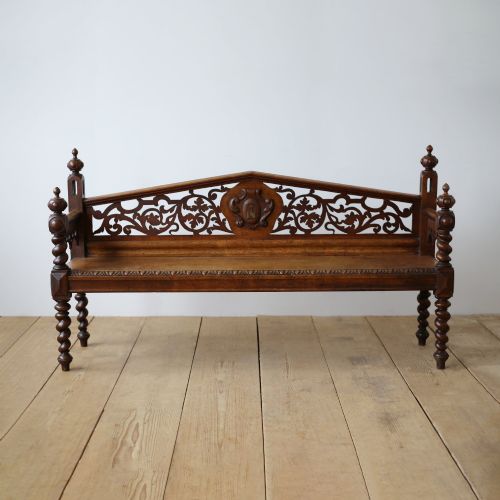
Historic settles occupied hallways, kitchens and tavern parlors where high wooden backs protected occupants from cold drafts. The enclosed lower storage compartments or box bases held household goods and firewood.
Placing a settle in a modern entrance hall provides both practical seating and deep interior storage for shoes or textiles. Their heavy proportions require sufficient floor space to anchor a room effectively.