
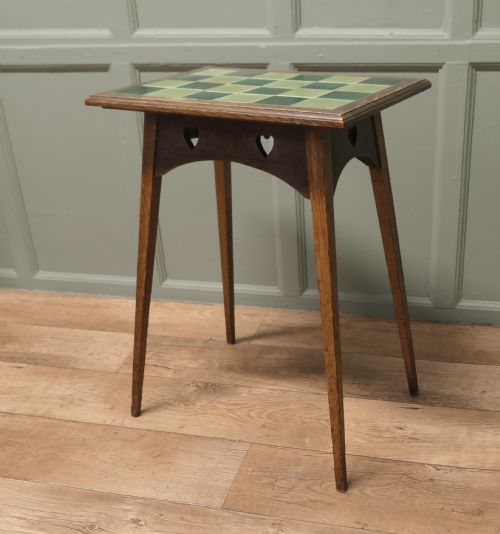
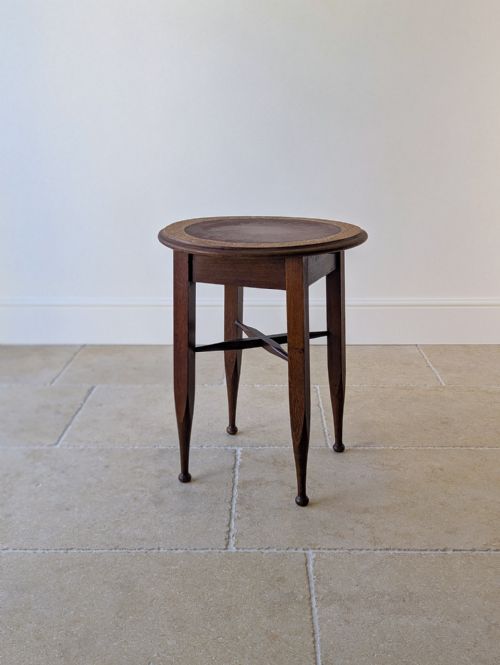
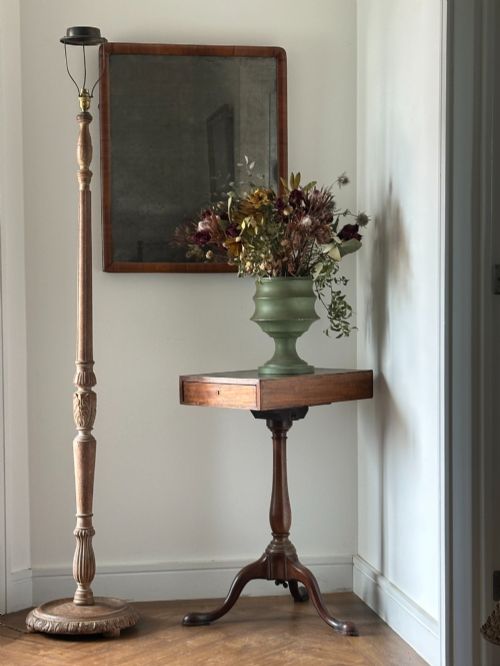
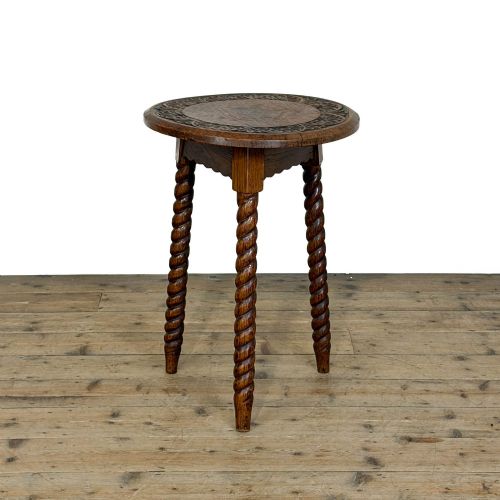
Carved Oak Standing Lamp
A carved oak standing lamp brings strong timber and vertical presence into a room, offering both functional light and solid period character.
Carved Oak Standing Lamp
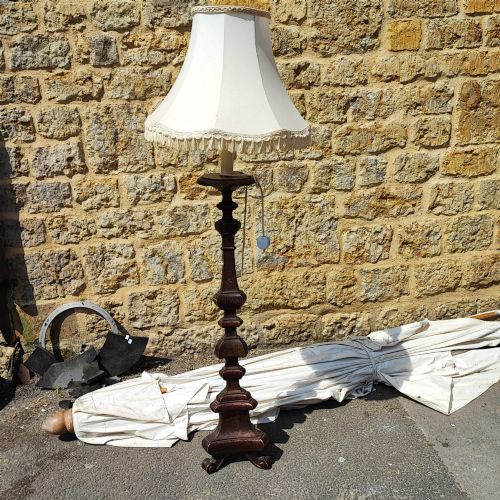
A carved oak standing lamp is a tall vertical lighting fixture designed to rest directly on the floor, providing ambient illumination while serving as a substantial furnishing in a room. When you search for carved oak standing lamp, you encounter pieces originating from various periods including the Victorian era, the Edwardian period, and the nineteen-twenties.
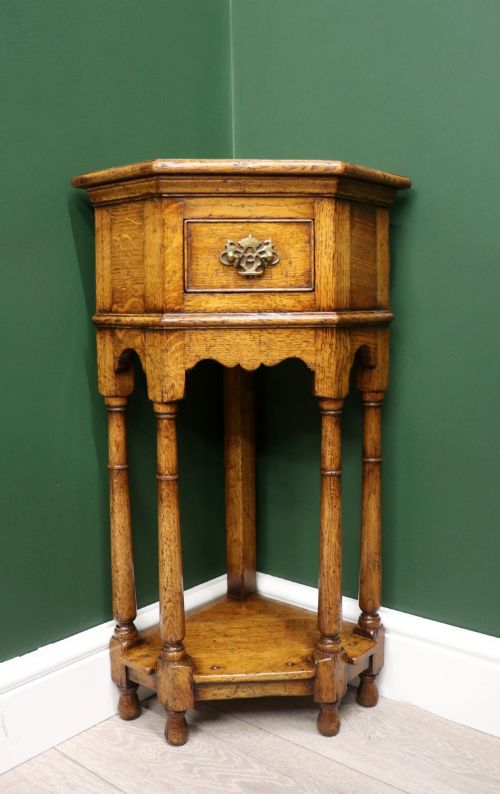
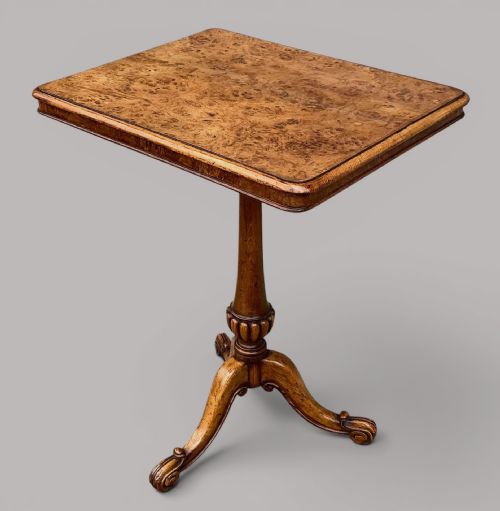
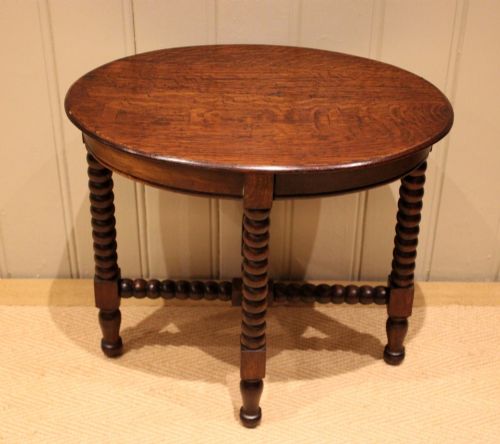
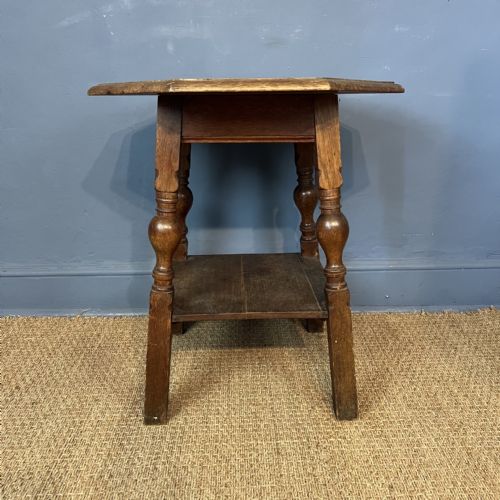
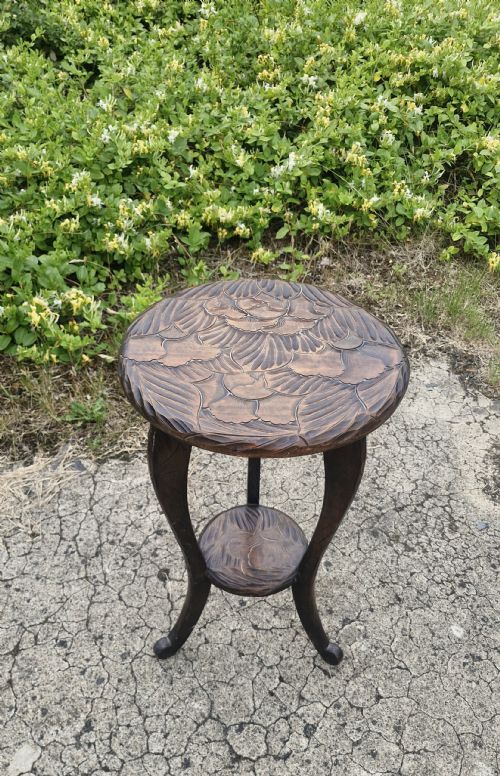
The selections available include standard lamps and floor-standing torchere forms that often share stylistic traits with occasional tables, side tables, and lamp tables of the same eras. Many examples draw upon specific design movements such as the Arts and Crafts style, Gothic Revival, Jacobean Revival, and Art Deco.
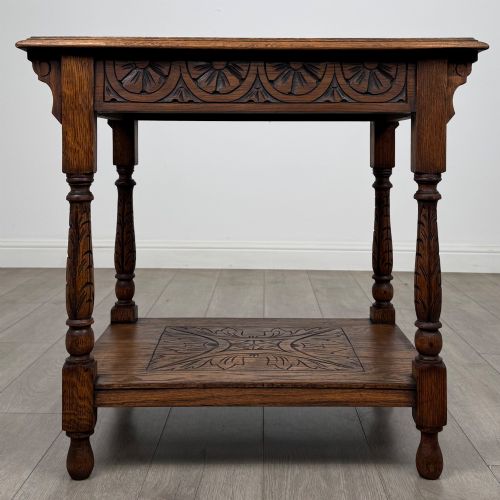
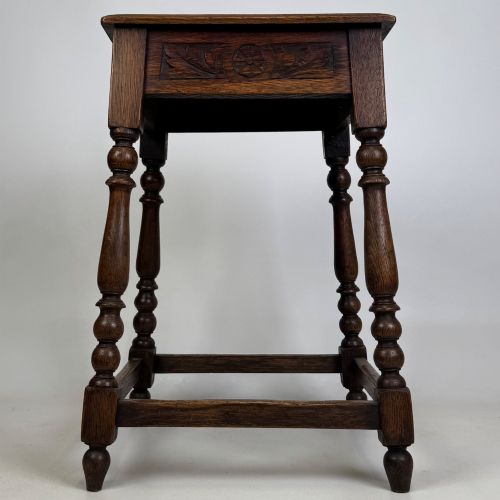
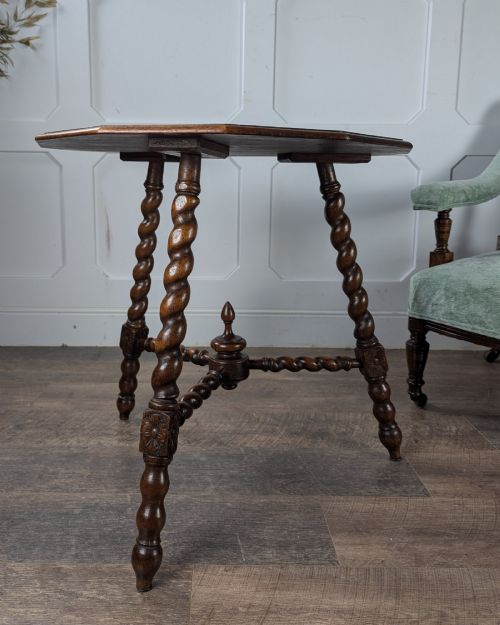
Makers and workshops of these periods utilised durable hardwoods, shaping them into standard lamps with turned columns, barley twist supports, and hand-carved detailing. The survival of these floor-standing fixtures demonstrates the sustained popularity of oak in domestic lighting through the nineteenth and twentieth centuries.
Materials and construction methods
Makers constructed these floor lamps predominantly from solid oak and burr oak, sometimes incorporating secondary woods or brass fittings for structural stability and decorative contrast. The timber was selected for its grain and density, allowing craftsmen to carve deep relief patterns into the shafts and bases without compromising the integrity of the upright stand.
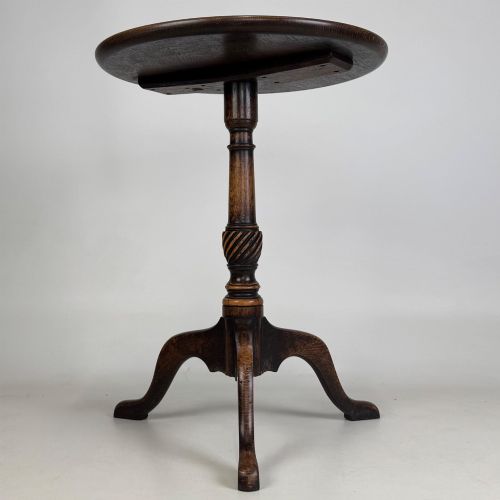
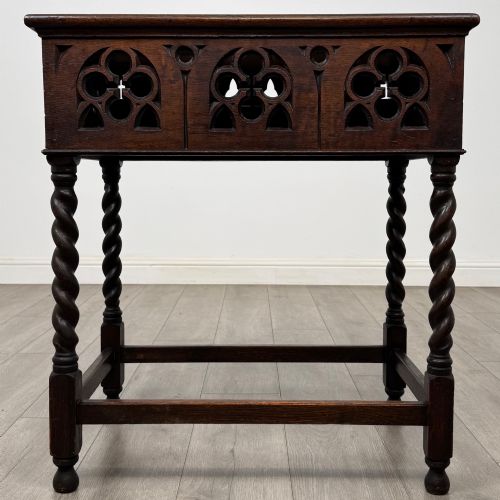
Turnery techniques such as barley twisting and spindle shaping were combined with hand-carved foliage, geometric motifs, or linenfold panels. Joinery relied on traditional methods of tenoning and housing to ensure that a tall standing lamp remained balanced and secure on its base.
Some nineteenth-century torchere lamps started life holding candles before welcoming the twentieth-century wiring revolution.
Distinctions in standard and execution
The calibre of a standing lamp rests upon the depth, sharpness, and execution of the hand-carving rather than a generic application of ornament. Finer examples display crisply defined details where the chisel work maintains clean edges and proper proportions along the turned column.
Proportion and stability also dictate the upper tiers of quality, with superior pieces maintaining a balanced weight distribution from a solid base up to the lamp holder. The choice of timber grain, the tightness of the joinery, and the integration of brass components further separate standard production from exceptional workshop output.
Liberty and Co·Liberty of London
The Carved Oak Standing Lamp Glossary
- Torchere
- A tall stand or ornamental candlestick adapted as a floor lamp. This form originates from eighteenth-century candle stands before evolving into electric standard lamps in the nineteenth and twentieth centuries.
- Barley twist
- A spiral turning resembling a twisted rope. This decorative technique appears frequently on the stems of tables and floor lamps from the Victorian period onwards.
- Arts and Crafts
- A design movement valuing handcrafting, local materials, and simple utility over mass production. Pieces from this tradition often feature exposed construction and honest timber surfaces.
- Gothic Revival
- An architectural and decorative style drawing inspiration from medieval forms. Characteristic elements include pointed arches, trefoils, and heavy carved mouldings.
- Occasional table
- A small, versatile table used for general purposes around a room. Many examples share design vocabularies with companion floor lamps.
Carved Oak Standing Lamp: Frequently Asked Questions
What periods do these lamps come from?
The pieces span from the late nineteenth century through the Edwardian era and into the nineteen-twenties and thirties. Makers of these decades drew upon Gothic Revival, Arts and Crafts, and Jacobean styles.
This broad chronological spread means you encounter both heavily carved Victorian torchere designs and cleaner, linear Arts and Crafts standards. Each period imparted distinct turning patterns and carving depths onto the timber.
How were standard lamps used historically?
Floor standing lamps provided focused or ambient illumination in large reception rooms and parlours before overhead electric lighting became universal. They were placed beside seating areas or in corners to illuminate reading spaces.
Because they shared design motifs with side tables and occasional tables, they were integrated into coordinated room schemes alongside matching furniture. Their height allowed them to cast light across a wider radius than table lamps.
How do I care for carved oak furniture?
Oak benefits from dusting with a soft, dry cloth and occasional treatment with traditional beeswax to nourish the timber grain. Avoid placing solid wood items near direct heat sources or rapid temperature shifts.
Proper humidity control prevents the oak from drying out or splitting along the natural grain lines. Gentle maintenance preserves the original patina developed over decades of use.
How do I identify an Arts and Crafts lamp?
Arts and Crafts pieces emphasise visible construction methods, honest materials, and functional simplicity over excessive surface decoration. They often feature unadorned solid oak surfaces or subtle hand-carved plant motifs.
Unlike the heavier revival styles, these lamps prioritize structural clarity and the natural beauty of the timber. Some examples bear workshop attribution or connections to prominent retailers of the period.