




Carved Oak Sign
These carved oak sign examples combine robust timber with direct lettering to mark spaces, trades, and institutions with historic character.
Carved Oak Sign
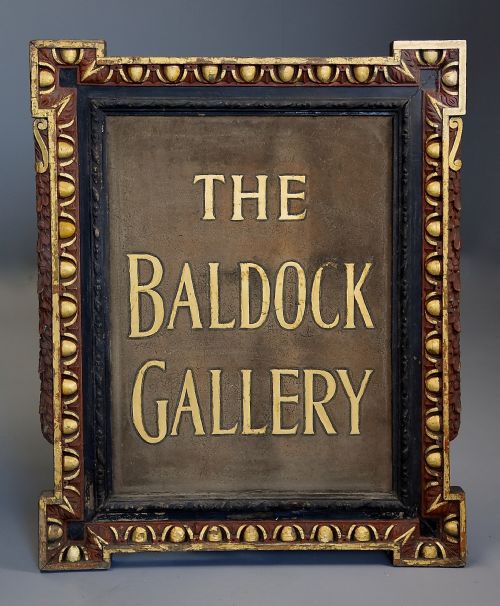
A carved oak sign is a solid wooden marker designed for display in commercial, civic, or domestic settings. When you search for a carved oak sign, you encounter heavy timber boards and cabinets bearing raised lettering, trade titles, or pictorial emblems.
The examples available here span the 18th century, Victorian era, and early 20th century, encompassing styles from Victorian Folk Art to Edwardian Commercial. Forms range from dedicated double-sided hall markers to architectural pieces featuring applied trade inscriptions and beer-related motifs.
How they were made
Maker's work relied primarily on solid oak, shaped with hand-carving techniques to form deep lettering and ornamental surrounds. Workshops frequently combined this timber with paint, gold leaf, and occasionally brass or iron elements to ensure the lettering stood out.
Surface treatments often included painted highlights and gilding directly onto the carved wood grain. Cabinet and framing elements incorporate glass and enamel alongside the primary oak structure, reflecting traditional regional joinery.
Carved Oak Sign Retail Price Guide 2026
Typical asking prices for carved oak sign among the pieces listed under this phrase on Sellingantiques today, from the lower quarter to the upper quarter. They describe what is for sale here now, not the wider market.
German beer cellars and matchless soap advertisements rub shoulders with masonic halls on these sturdy wooden boards.
What varies in quality
Quality rests in the depth and crispness of the wood carving, where deeply articulated lettering and balanced proportions distinguish finer pieces from simpler boards. The integration of the sign-writing with the carved oak ground dictates the visual harmony of the object.
The application of original paint and gold leaf alters the grade of a piece, with well-preserved decorative finishes commanding greater visual interest. Structural integrity in the heavy oak support and the clarity of any applied trade text further separate standard items from superior examples.
The Carved Oak Sign Glossary
- Sign-writing
- The traditional craft of hand-lettering text onto surfaces using specialist brushes and oil-based paints. This technique brings crisp legibility to trade markers and commercial boards.
- Gold leaf
- Extremely thin sheets of beaten gold applied to carved wooden letters or decorative details. It provides a luminous finish that catches ambient light.
- Gothic Revival
- An architectural and decorative style drawing on medieval forms, frequently seen in heavy pointed arches and dark timber. Pieces from this movement display robust ecclesiastical motifs.
- Trade sign
- A board, hanging bracket, or carved object created to advertise a specific business, profession, or merchant. These items served as functional street furniture before modern standardised branding.
Carved Oak Sign: Frequently Asked Questions
Where were carved oak signs displayed?
These boards hung outside shops, public houses, masonic halls, and commercial galleries to identify the trade or institution within. They were positioned to catch the attention of passing foot and carriage traffic.
Interior spaces also utilised smaller markers or sign-written cabinets to designate specific rooms or display contents. Their robust timber construction ensured they withstood exterior weather or heavy indoor use.
How do I care for antique oak?
Keep wooden surfaces away from direct heat sources and dramatic humidity fluctuations to prevent the oak from splitting. Dust gently with a dry, soft cloth rather than applying modern chemical polishes.
Preserve any original paint or gold leaf by avoiding abrasive cleaning methods. Wax can be applied sparingly to bare timber to maintain the finish without harming historic surfaces.
What periods do these pieces date from?
The available inventory includes examples spanning from the 18th century through the Victorian period and into the early 20th century. Edwardian commercial pieces and Victorian folk art items represent distinct eras of British sign-making.
Stylistic markers such as Gothic Revival detailing or Edwardian lettering styles help distinguish the manufacturing period. Each era applied different lettering proportions and decorative carving depths.
Are these signs double-sided?
Certain examples, such as institutional hall markers, are configured with lettering on both faces to be viewed from multiple directions. This design allowed hanging boards to serve pedestrians approaching from either side of a street or corridor.
Other variations are flat-backed and intended for direct mounting against an interior or exterior wall. The mounting format depends entirely on the original architectural context of the piece.