
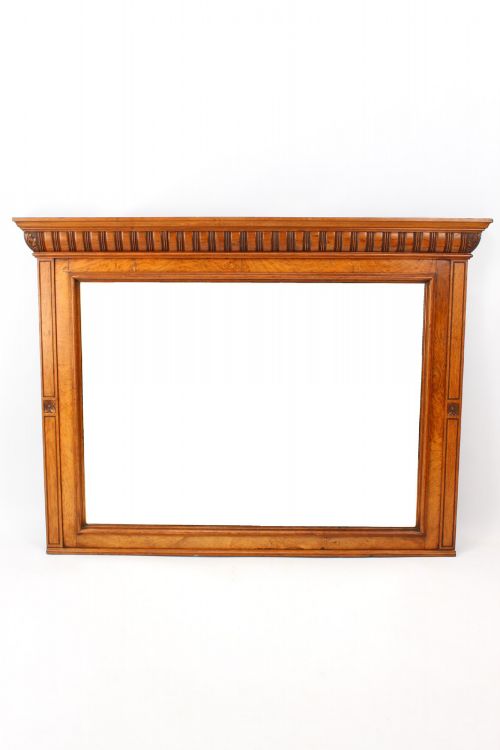


Carved Oak Fireplace Mirror
A carved oak fireplace mirror brings heavy timber framing and reflective depth to a chimney breast, offering a solid anchor for a traditional room.
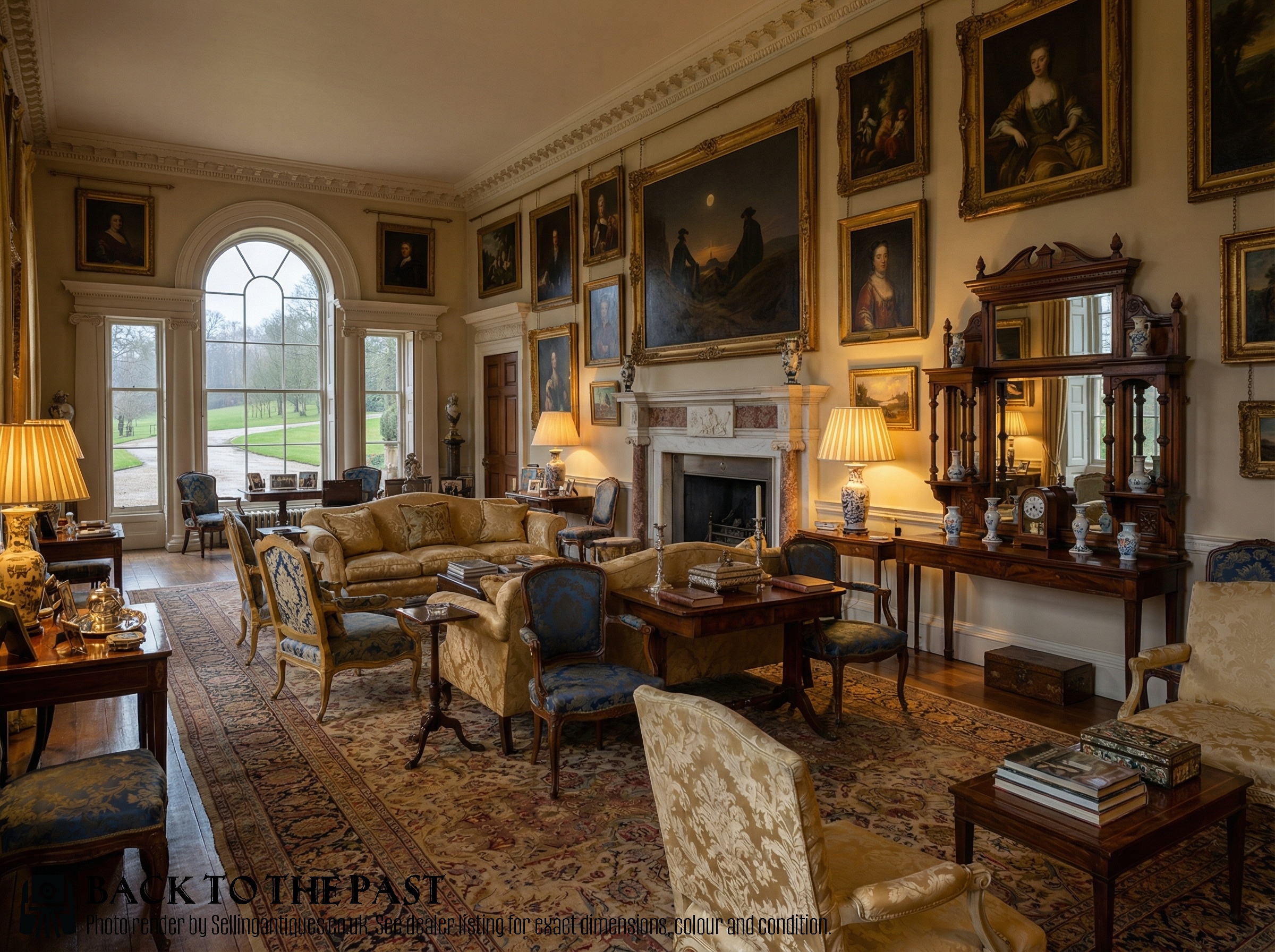
Carved Oak Fireplace Mirror
A carved oak fireplace mirror typically takes the form of an overmantel mirror designed to sit directly above a hearth. These pieces span the Victorian era, the nineteenth century, and early twentieth-century movements like Arts and Crafts and Tudor Revival.
The dominant format on this page is the large overmantel mirror, often constructed with heavy timber frames. Alongside these, buyers find occasional fire surrounds, triple mirror configurations, and related fireside furniture.
Origins stretch across English country house workshops and later commercial cabinet makers. Each piece relies on substantial wood to frame the glass, whether finished in plain timber, walnut combination, or parcel-gilt.
Judging the quality of a carved oak fireplace mirror
Quality rests on the depth and crispness of the timber carving rather than surface decoration alone. Superior examples show confident hand-chiselling that integrates harmoniously with the grain of the oak.
The proportion between the wooden frame and the mirror plate dictates the visual balance of the piece. Heavier mouldings and well-figured pollard oak veneers or solid sections distinguish the more ambitious commissions from standard commercial production.
Materials represented across the inventory include solid oak, pollard oak, walnut, hardwood, giltwood, and brass.
The Carved Oak Fireplace Mirror Glossary
- Overmantel mirror
- A large looking glass specifically designed to hang or stand on the mantelpiece above a fireplace. These items often feature wide horizontal proportions to match the width of the hearth below.
- Parcel-gilt
- A decorative treatment where portions of a wooden frame receive a thin application of gold leaf while the surrounding timber remains visible. This technique accentuates specific carved motifs against a dark oak background.
- Pollard oak
- Timber taken from trees that were pollarded, resulting in a dense, highly figured grain pattern. Cabinet makers valued this wood for decorative panels and borders.
- Tudor Revival
- An architectural and decorative style popular during the nineteenth century that revived sixteenth-century motifs such as strapwork, linenfold, and heavy paneling. Pieces in this style emphasise robust construction and dark finishes.
Carved Oak Fireplace Mirror: Frequently Asked Questions
Are these mirrors suitable for modern rooms?
The rich grain and dark tones of antique oak provide a strong focal point that grounds contemporary neutral interiors. Pairing these traditional frames with minimalist surroundings creates a deliberate contrast in texture and period.
Scale is the primary consideration when placing one in a modern setting. Ensure the width of the frame respects the proportions of the mantelpiece or wall space it occupies.
How do I care for carved oak frames?
Dust the deep recesses of the carving regularly using a soft brush to prevent buildup. Avoid modern silicone polishes, which can attract dust and degrade the aged finish of the timber over time.
Feed the dry oak occasionally with a traditional wax formulated for antique furniture. Keep the glass clean using standard solutions applied carefully to avoid splashing the surrounding wood.
How do I distinguish Victorian from Edwardian oak mirrors?
Victorian examples generally feature heavier, more ornate carving influenced by historical revivals and darker finishes. Edwardian pieces often display lighter proportions and simpler lines influenced by the Arts and Crafts movement.
Examine the construction of the joints and the backing boards for clues to the period. Earlier pieces rely on hand-cut joinery, while later examples show more standardised workshop methods.