
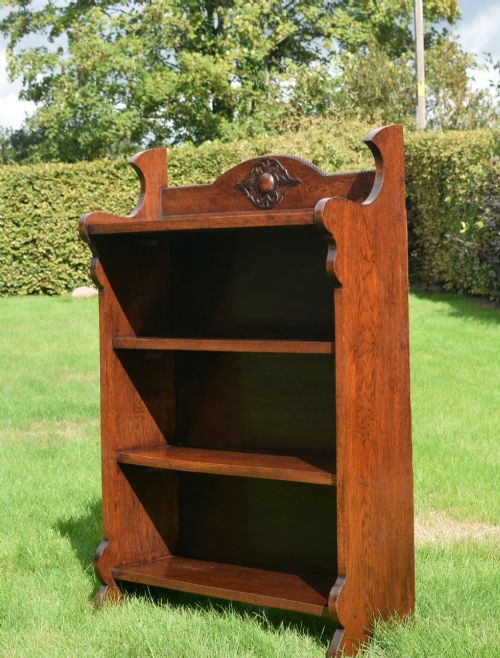
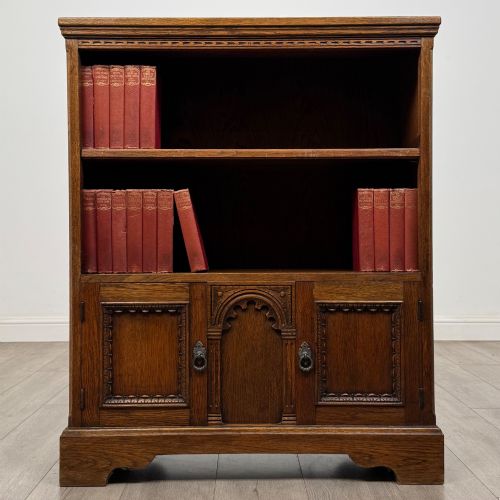
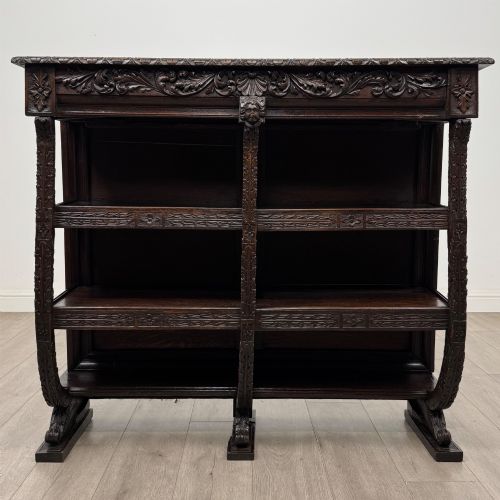
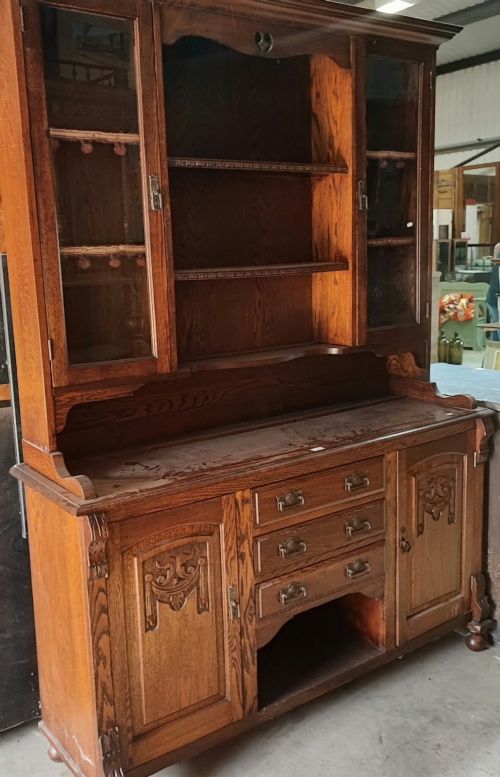
Carved Oak Display Shelf
A carved oak display shelf brings sturdy timber and carved detail to your walls, holding books or plates while anchoring a room with historic character.
Carved Oak Display Shelf
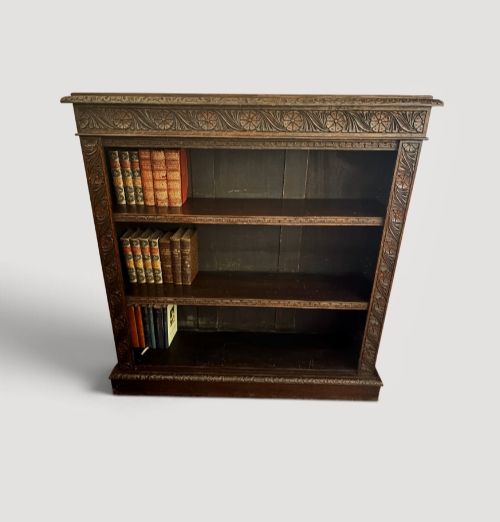
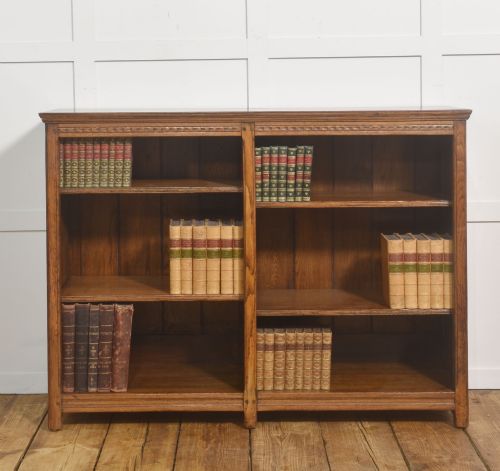
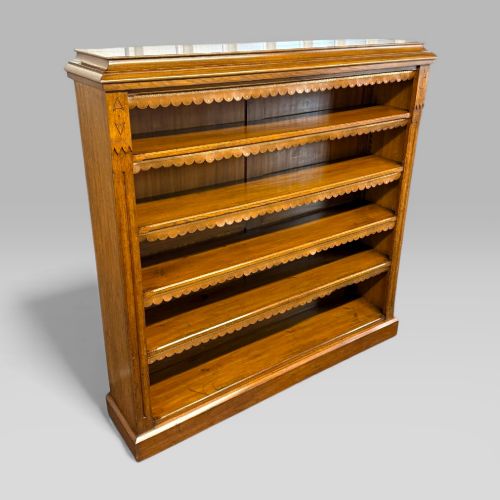
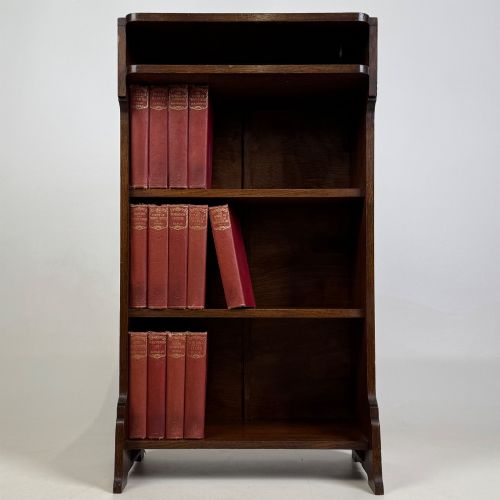
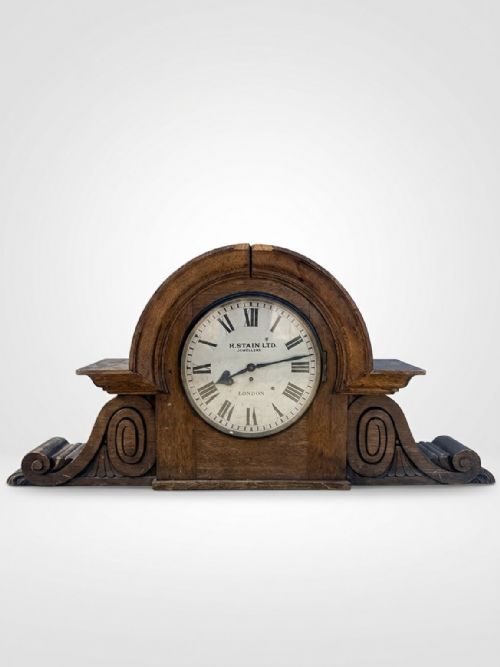
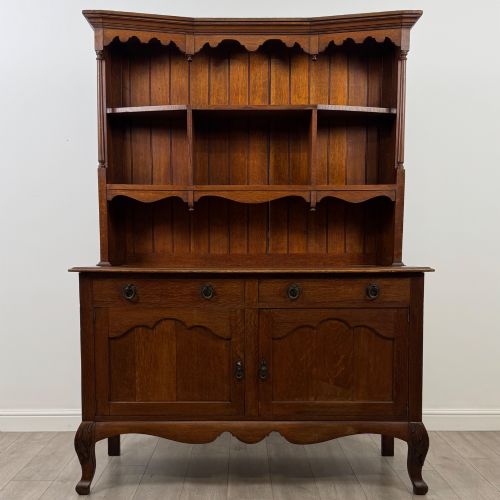
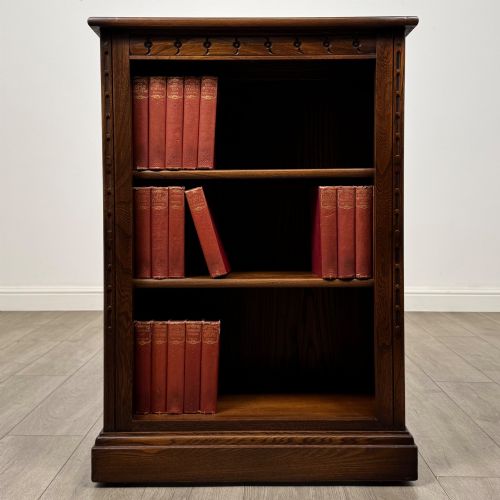
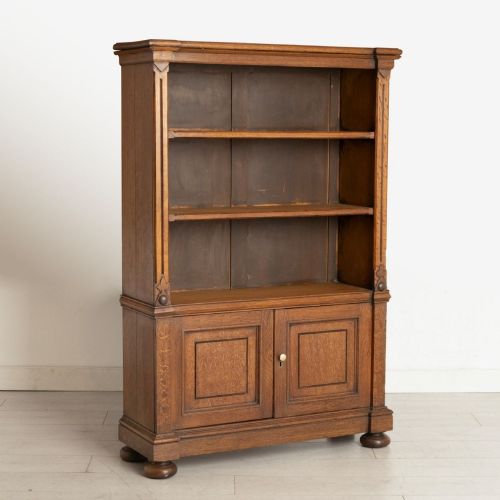
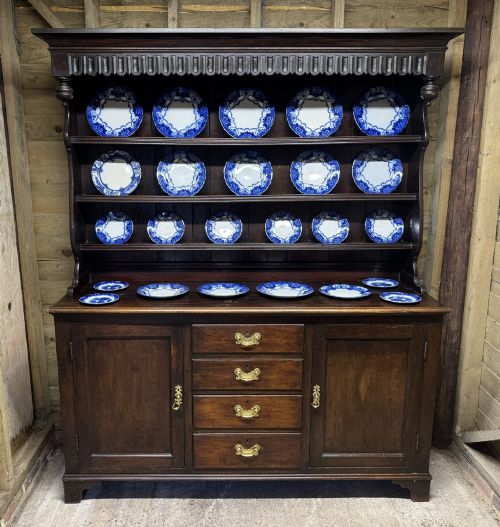
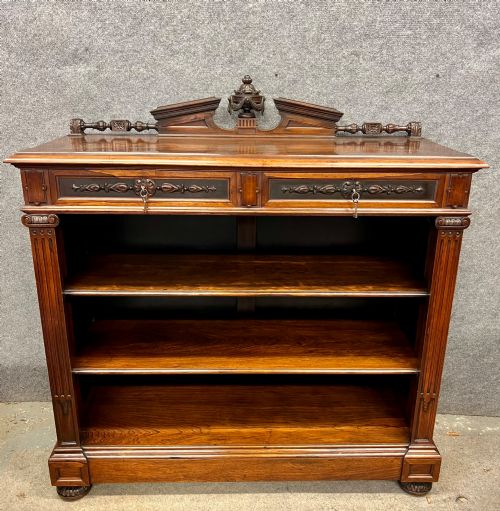
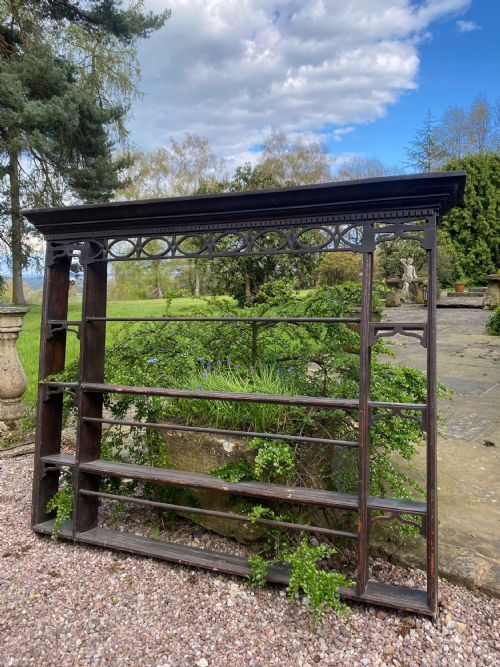
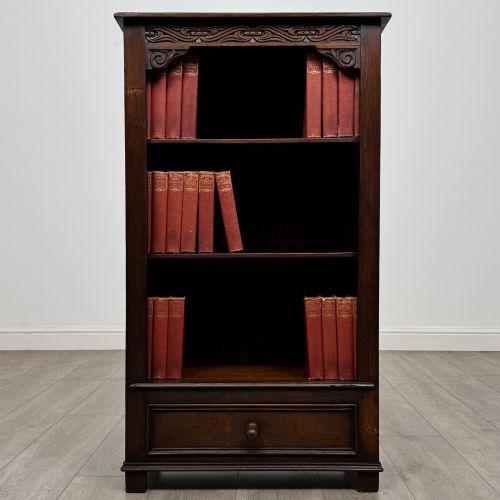
When you search for a carved oak display shelf, you encounter pieces designed to hold books, plates, and small ornaments upon timber surfaces. The selections span open bookcases, wall shelves, plate racks, and dressers fashioned primarily in oak.
The majority of items originate from the Victorian and Edwardian periods, alongside examples from the eighteenth and early twentieth centuries. These take the form of open front bookcases, wall-mounted display units, and compact occasional shelving.
Materials and construction methods
Makers built these shelves using solid timber, predominantly oak, sometimes supplemented with pine, walnut, or beech elements. Structural integrity relied on traditional joinery, while decorative appeal emerged through hand-carving, fret-cutting, and applied mouldings.
Surfaces often featured brass hardware or glass panels, alongside stained or golden oak finishes that highlighted the natural grain of the wood. Certain pieces incorporated adjustable shelf mechanisms or carved architectural motifs.
Design styles span Victorian, Edwardian, Georgian, Jacobean Revival, Arts and Crafts, and Aesthetic Movement.
Distinctions in craftsmanship and design
Quality reveals itself in the depth and crispness of the carved ornamentation, from simple linear mouldings to elaborate Victorian Gothic or Aesthetic Movement details. Superior pieces display thoughtful proportions and careful timber selection, ensuring the grain complements the form rather than fighting it.
John Moyr Smith
The Carved Oak Display Shelf Glossary
- Victorian
- A nineteenth-century period spanning the reign of Queen Victoria, known in these listings for heavily carved oak bookcases and display shelves with Gothic or stylistic revival influences.
- Edwardian
- A style period covering the early twentieth century up to the First World War, producing smaller, lighter open bookcases and golden oak furniture.
- Aesthetic Movement
- A late nineteenth-century design ethos emphasising artistic visual qualities, represented here by distinctive golden oak open bookcases and cabinets.
- Delft plate rack
- A wall-mounted or dresser-integrated shelving unit designed specifically to display ceramic plates upright along grooved timber ledges.
- Fret-cut
- A decorative technique involving intricate pierced or cut-out patterns in the wood, often seen along the crests or sides of waterfall bookcases.
Carved Oak Display Shelf: Frequently Asked Questions
What periods do these shelves come from?
The pieces span several centuries, with heavy representation from Victorian and Edwardian eras. You also find eighteenth-century examples and early twentieth-century designs.
Craftsmanship shifts noticeably across these periods, moving from utilitarian country furniture to ornate revival styles and lighter Arts and Crafts forms.
How do I style a carved oak wall shelf?
Mount the shelf at eye level on a plain wall to let the timber grain and carved details stand out. Balance heavier books or ceramic plates with simpler decorative objects.
Keep surrounding wall colours neutral so the dark or golden oak tones anchor the display space effectively.
What is the difference between a bookcase and a display shelf?
Bookcases generally feature deeper, enclosed or open vertical compartments built primarily for storing books upright. Display shelves often emphasise shallow ledges or wall-mounted formats meant for showing decorative objects.
Many listings blur this distinction by offering open-front bookcases that function equally well for displaying collections.
How do I care for antique oak furniture?
Dust the carved surfaces regularly with a soft, dry cloth to prevent dirt from settling into the recessed details of the wood. Avoid placing oak shelves near direct heat sources or strong sunlight to protect the finish.
Feed the timber periodically with appropriate wax to maintain the moisture and lustre of the antique grain.