





Carved Oak Corner Furniture
Carved oak corner furniture brings sturdy joinery and rich grain into neglected room junctions, offering practical storage or seating rooted in centuries of vernacular tradition.
Carved Oak Corner Furniture
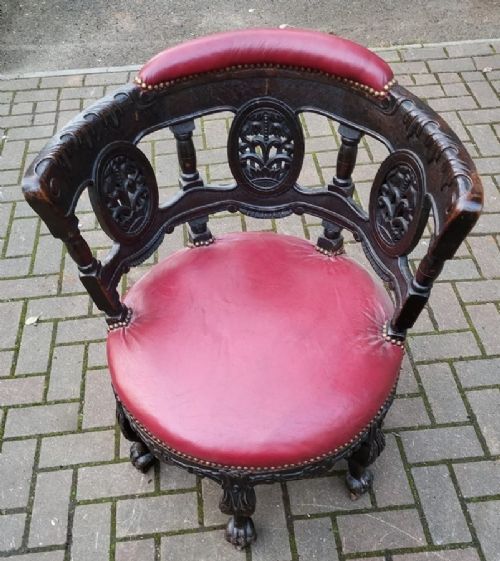
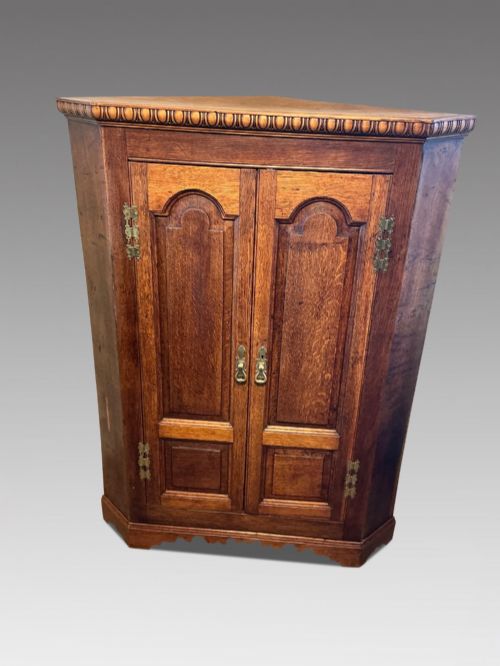
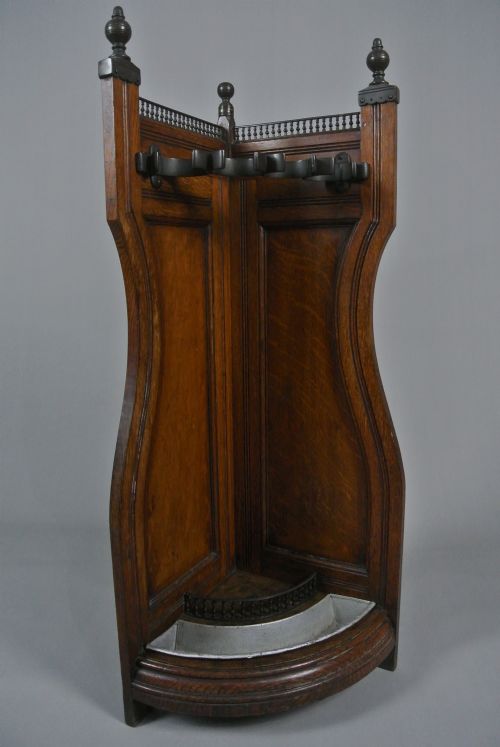
Carved oak corner furniture covers a practical group of items designed to fit snugly into room angles, making efficient use of otherwise wasted space. Buyers searching for this phrase encounter sturdy timber pieces spanning several centuries of British craftsmanship.
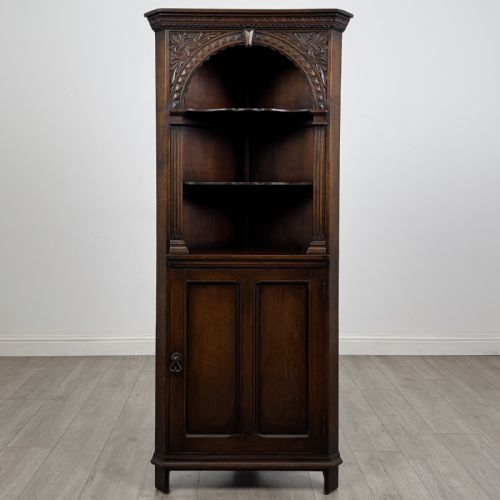
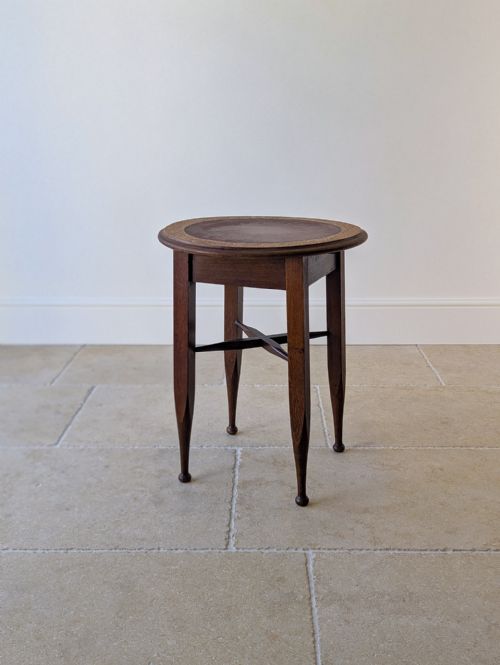
The selection on this page centres heavily on storage forms like hanging and floor-standing cupboards alongside occasional tables and chairs tailored for corners. These objects bridge the gap between utilitarian storage and decorative period display.
Origins stretch from the robust vernacular workshops of Wales to formal Georgian parlours and later Arts and Crafts studios. Oak remains the steadfast material uniting these diverse eras and domestic functions.
Materials and construction methods
Solid oak forms the structural core of these pieces, selected for its durability and prominent grain pattern. Secondary materials appear sparingly, with brass hinges, escutcheons and occasional bronze or metal mounts providing functional contrast.
Cabinet makers utilised traditional framing and panel methods to accommodate the natural movement of timber over decades of domestic use. Carved enrichment relies on chip-carving, incised geometric motifs, or deeply sculpted foliage applied directly to the solid wood surfaces.
Carved Oak Corner Furniture Retail Price Guide 2026
Typical asking prices for carved oak corner furniture among the pieces listed under this phrase on Sellingantiques today, from the lower quarter to the upper quarter. They describe what is for sale here now, not the wider market.
Assessing quality in carved work
Quality rests upon the crispness of the hand-carved detail and the selection of timber figures by the maker. Superior examples display deep, deliberate chisel work rather than shallow, mechanical indentation.
Proportion and structural integrity separate standard utility pieces from exceptional items. Well-executed corner furniture maintains tight joints and balanced door alignments despite the seasonal expansion inherent to solid oak.
S&H Jewell
The Carved Oak Corner Furniture Glossary
- Vernacular
- Domestic furniture built by regional craftsmen following local traditions rather than metropolitan high styles. These pieces prioritise utility and local timber availability over academic design rules.
- Escutcheon
- A protective metal plate surrounding a keyhole, often cast in brass or bronze. It prevents the timber around the lock from splitting during regular use.
- Corner cupboard
- A specialised storage unit built with a triangular or segmental footprint to slot directly into a ninety-degree room junction. They may be designed to hang on a wall or stand directly on the floor.
- Turners chair
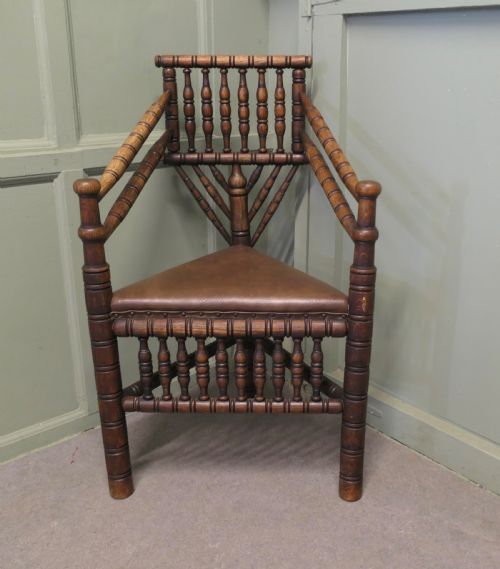
- A heavy armchair constructed predominantly from turned wooden spindles and posts rather than flat planks. This ancient form relies on sophisticated lathe work for its structural skeleton.
Carved Oak Corner Furniture: Frequently Asked Questions
How do I place a corner cupboard?
These cabinets suit awkward junctions between walls where standard rectangular furniture leaves dead space. Floor-standing versions anchor a room corner, while hanging models release valuable floor space beneath them.
Ensure the wall angles match the cabinet back tightly before mounting or positioning the unit to guarantee stability.
How do I clean carved oak?
Dust oak surfaces gently with a dry, soft cloth along the direction of the grain to lift dirt from deep carved recesses. Avoid silicone-based sprays that build up residue and attract dust over time.
Nourish dry timber occasionally with traditional beeswax applied sparingly and buffed to a soft sheen.
How can I tell the age of oak furniture?
Examine the construction marks, timber preparation methods, and hardware to estimate the period of manufacture. Hand-sawn boards and pegged joinery generally indicate earlier, pre-industrial origins.
Stylistic cues like Gothic revival tracery or Arts and Crafts simplicity help narrow down 19th and early 20th century dates.