



Carved Metal Mounts
Carved metal mounts bring texture and detail to furniture, doors, and decorative objects.
Carved Metal Mounts
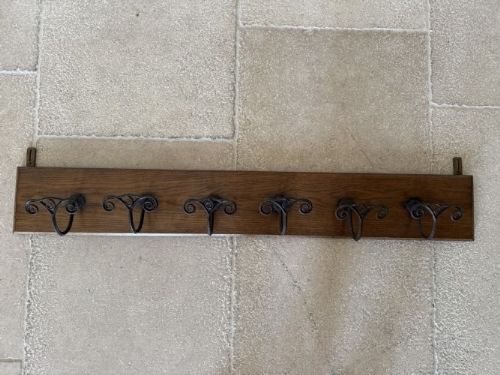
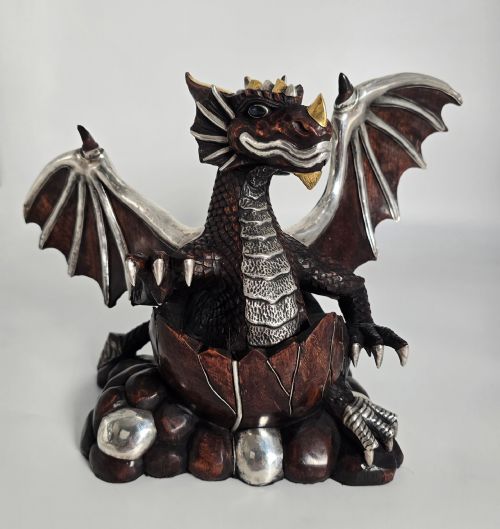
When you search for carved metal mounts, you encounter decorative hardware and sculptural elements that accent various objects. These pieces range from functional items like door pulls and coat racks to decorative sculptures and furniture mounts.
The selections on this page draw from multiple periods including the eighteenth and nineteenth centuries, alongside specific styles such as Art Deco, French Louis XV Revival, and Edo Period Japanese craftsmanship.
You are likely to meet items that combine metal with organic materials like wood, bone, horn, and meerschaum. These functional and decorative pieces demonstrate how metalwork was integrated into everyday items across different cultures.
How they were made
Makers utilised techniques involving brass, bronze, ormolu, silvered metal, and wrought iron to shape these decorative components. Many pieces feature intricate surface work, combining metal casting or forging with carved elements in hardwood, bone, or horn.
Artisans applied patination, gilding, and high relief carving to achieve distinct visual depth. The integration of mixed media, such as metal mounts attached to walnut, mahogany, or meerschaum, required precision joinery and fitting.
Carved Metal Mounts Retail Price Guide 2026
Typical asking prices for carved metal mounts among the pieces listed under this phrase on Sellingantiques today, from the lower quarter to the upper quarter. They describe what is for sale here now, not the wider market.
Some nineteenth century mounts take the unexpected form of carved ram heads and horse sculptures.
What varies in quality
The distinction between standard items and superior examples lies in the crispness of the relief work and the harmony of the mixed materials. Finer pieces display deliberate tooling marks and secure integration between the metal mount and its organic backing.
Design execution also dictates quality, where balanced proportions and purposeful styling elevate utilitarian hardware into sculptural art. Superior examples maintain their original patination and show careful attention to structural joints.
The Carved Metal Mounts Glossary
- Ormolu
- Gilded bronze used widely in furniture mounts and decorative objects during the eighteenth and nineteenth centuries. This technique involves applying a mercury and gold amalgam to bronze.
- Tsuba
- A guard at the end of the grip of a Japanese sword, often highly decorated with carved metalwork. These items demonstrate meticulous craftsmanship in high relief.
- Hikite
- A type of Japanese door pull handle recessed into sliding doors. They often feature detailed metal carving.
- Patinated Bronze
- Bronze that has been treated to develop a specific surface coloration or sheen over time. This finish protects the metal and adds visual depth.
- Meerschaum
- A soft white mineral used primarily for making tobacco pipe bowls. It is often paired with white metal and quill mounts.
Carved Metal Mounts: Frequently Asked Questions
What are carved metal mounts?
Carved metal mounts are decorative and functional hardware pieces applied to furniture, doors, and various objects. They include items like door pulls, tie-backs, and sculptural accents made from materials such as brass, bronze, and iron.
These pieces enhance the visual appeal of an object while serving a practical purpose. They reflect the stylistic preferences and metalworking techniques of their respective periods.
How do I identify the period of a mount?
Dating these items involves examining the specific manufacturing techniques, the style of the carving, and the materials used. For instance, nineteenth-century pieces often display Victorian revival styles or distinct regional characteristics.
Comparing the object to documented examples from the same era helps confirm its origin. Material ageing and wear patterns also provide clues to the age of the piece.
How were these mounts used historically?
Historically, metal mounts served both ornamental and structural functions on furniture, weaponry, and architectural elements. They reinforced weak points while adding decorative flair to otherwise plain surfaces.
Items like sword guards and door pulls were handled daily, showing wear in specific areas. Other mounts remained fixed to furniture or decorative boxes as purely aesthetic enhancements.
How do I care for antique metal mounts?
Preserving antique metal mounts requires gentle handling and avoiding harsh chemical cleaners that strip the original patina. Dusting with a soft, dry cloth is usually sufficient for regular maintenance.
Keep the items away from excessive moisture and direct sunlight to protect any accompanying organic materials like wood, bone, or horn. Proper environmental control ensures the long-term stability of the piece.