

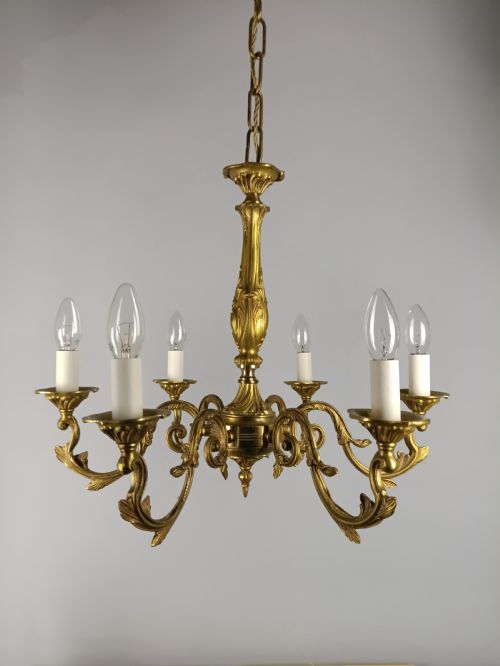
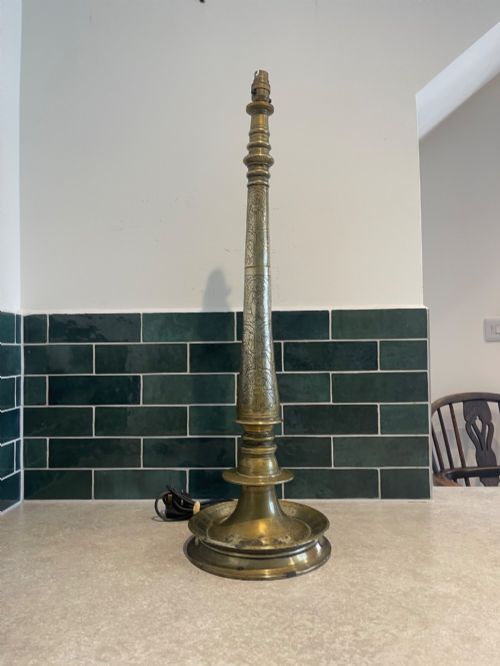


Carved Metal Lamp
A carved metal lamp brings weight and character to a room, forged from brass, bronze, and gilt metal through traditional metalworking methods.
Carved Metal Lamp
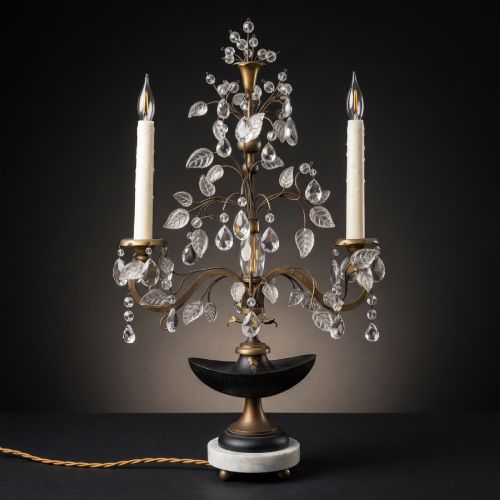
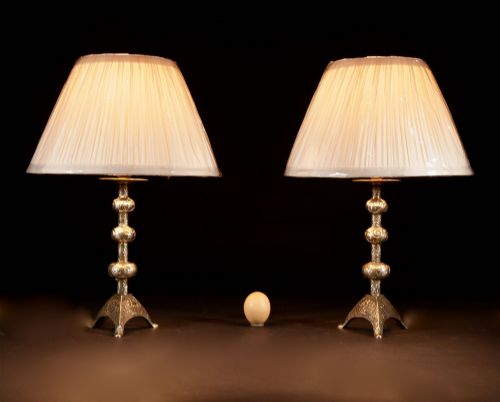
A carved metal lamp stands as a sturdy functional object, appearing here in forms such as table lamps, floor lamps, and hanging pendants. These pieces originate from periods spanning the late nineteenth century into the early twentieth century.
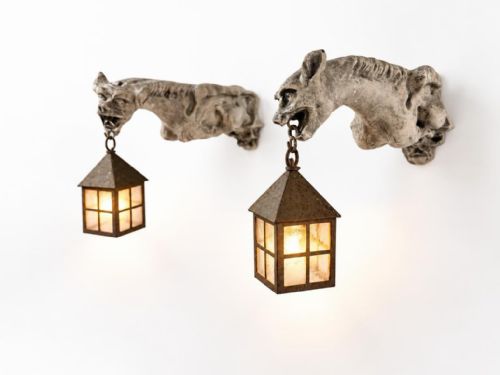
The selection on this page ranges from tall floor models to heavy table pieces and pierced pendants. Buyers encounter styles drawn from Victorian neoclassical, Romanesque revival, and Anglo-Indian traditions.
How they were made
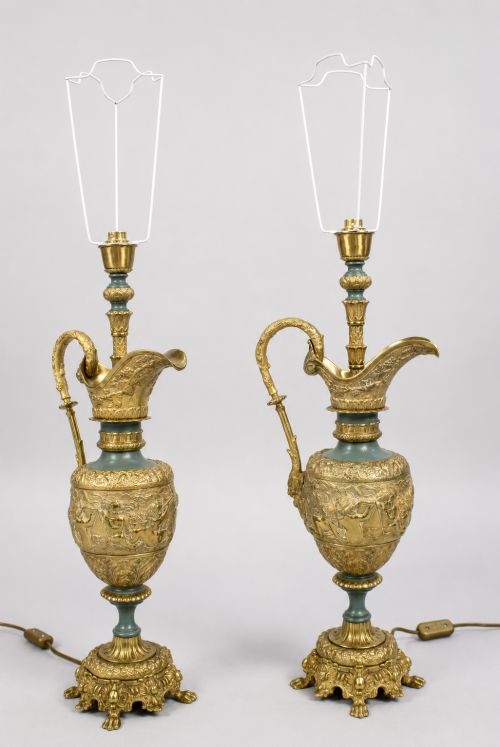
Metalworkers utilised brass, cast bronze, and gilt metal, shaping the structures through casting and piercing techniques. Many pieces incorporate gilt bronze mounts or surface engraving to build texture across the body.
Surface treatments involve gilding and enamel work applied directly to the metal base. Some forms integrate secondary materials like burr walnut alongside the primary metalwork.
Carved Metal Lamp Retail Price Guide 2026
Typical asking prices for carved metal lamp among the pieces listed under this phrase on Sellingantiques today, from the lower quarter to the upper quarter. They describe what is for sale here now, not the wider market.
Listings feature materials including brass, gilt metal, and bronze, alongside forms like table lamps, floor lamps, and pendants.
What varies in quality
Quality rests on the crispness of the cast detailing and the depth of the surface carving. Heavy gauge metal and refined chasing separate superior examples from simpler production pieces.
The integration of secondary elements, such as enamel details or bronze mounts, dictates the overall refinement of the construction.
The Carved Metal Lamp Glossary
- Gilt metal
- Metal that has been treated with a thin layer of gold paint or leaf to imitate solid gold. This finish adds brightness to the surface.
- Pierced brass
- Sheet brass that has been cut through with patterns to allow light to pass through. It creates decorative shadow patterns.
- Cast bronze
- An alloy of copper and tin poured into a mould to form solid shapes. This method allows for high detail in sculptural items.
- Cairoware
- Metalwork featuring intricate silver and copper inlay on a brass ground. The style originated in Egypt and gained popularity in Europe.
Carved Metal Lamp: Frequently Asked Questions
What periods do these lamps come from?
The pieces span the late nineteenth century and the early twentieth century, including Victorian and Edwardian examples.
Production dates reflect manufacturing standards of those specific decades.
How do I clean a brass lamp?
Dust the surface regularly with a soft dry cloth to prevent dirt build-up. Avoid harsh chemical cleaners that strip the original patina.
Gentle care preserves the historical finish of the metal over time.
Are these lamps wired for modern use?
Many antique lamps require rewiring to meet current safety standards before regular daily use. A qualified electrician can update the internal components easily.
Retaining the original body ensures the aesthetic remains unchanged.
What styles are common in this metalwork?
Styles draw heavily from revival movements, including Romanesque, Louis XV, and Victorian Orientalism. Each style brings distinct decorative motifs to the metal.
Maker choices often mimic historical periods from centuries prior.