
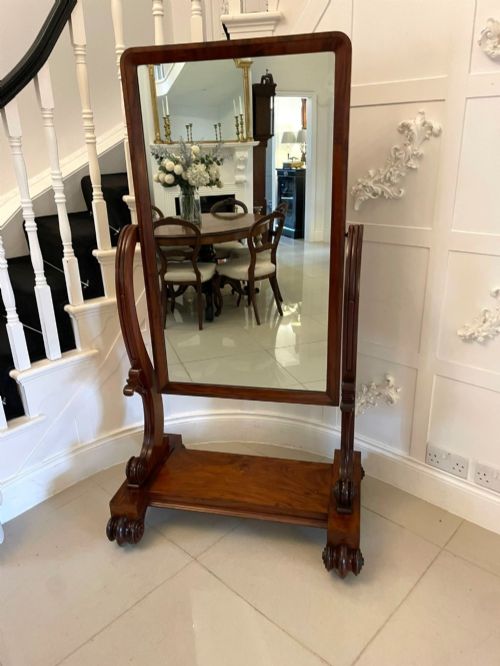
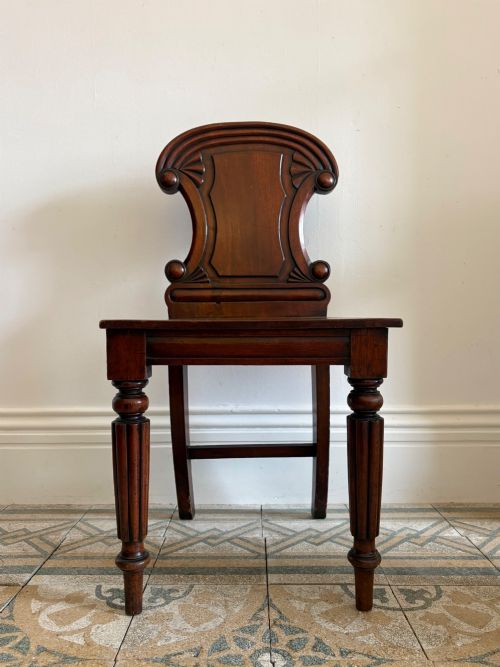
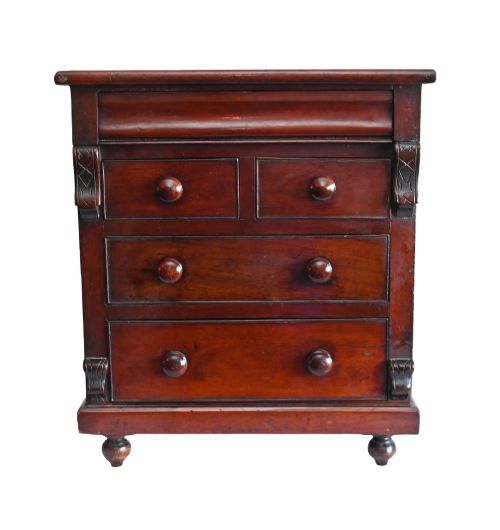
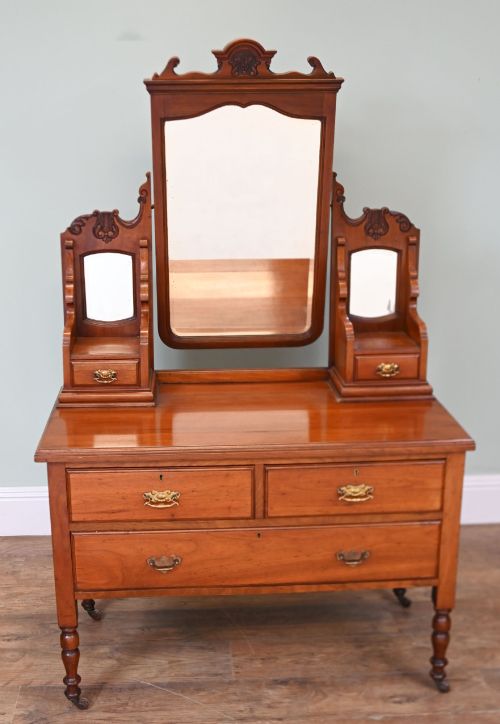
Carved Mahogany Furniture
Carved mahogany furniture brings dense timber and sculptural detail into a room, offering durability and historical depth.
Carved Mahogany Furniture
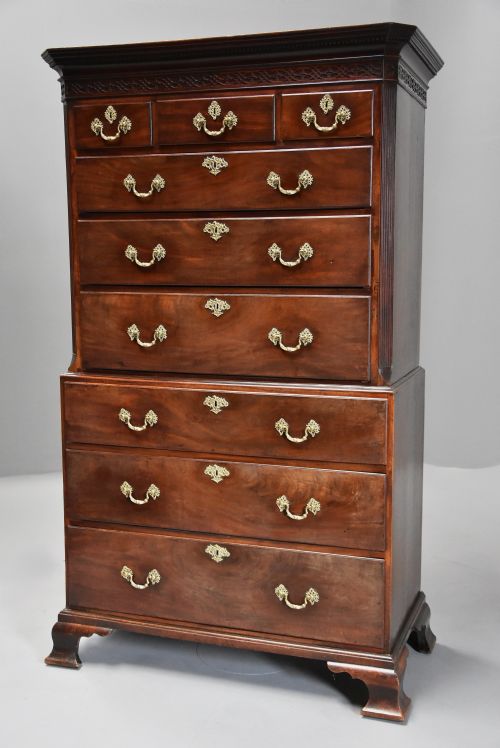
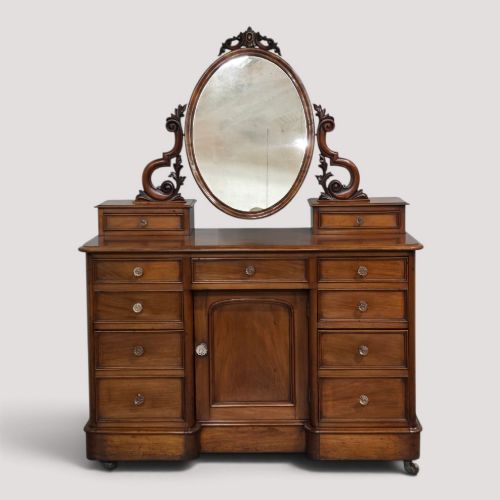
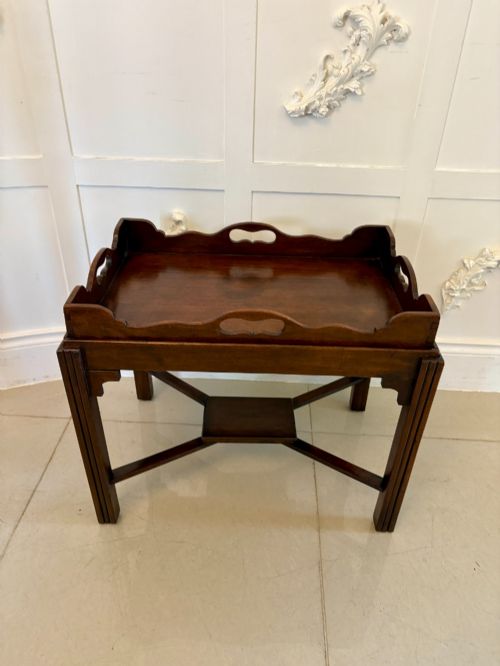
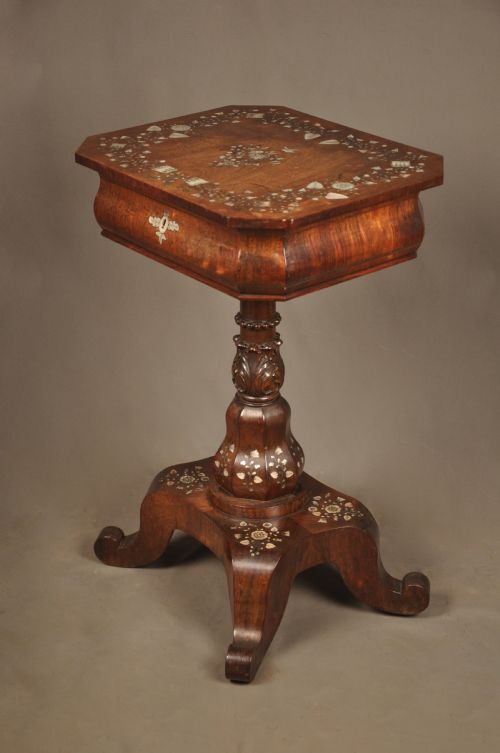
When you search for carved mahogany furniture, you encounter seating, tables, and storage pieces spanning the eighteenth to the early twentieth century. Dining chairs, console tables, and chests of drawers dominate the selections.
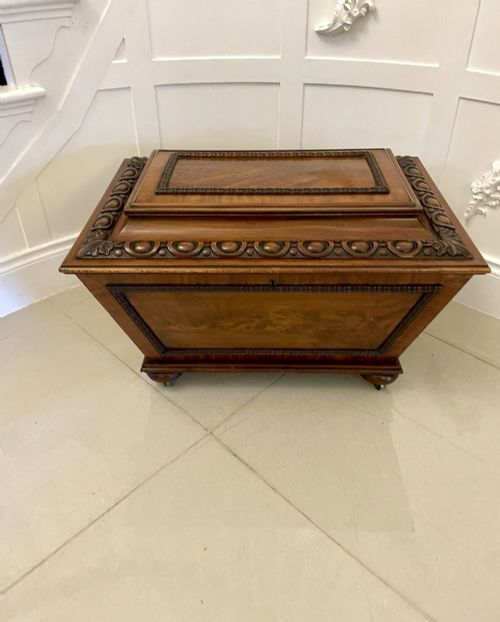
Victorian and Edwardian pieces appear frequently alongside eighteenth-century George III examples and Regency items. These range from functional washstands and side tables to elaborate wine coolers and extending dining tables.
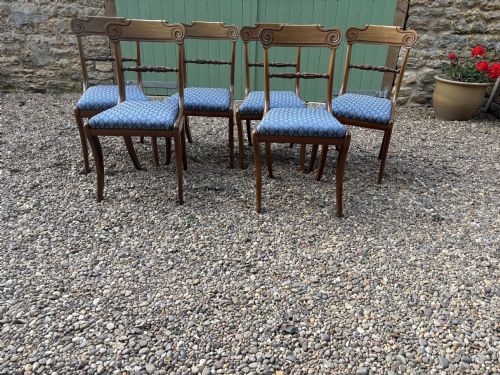
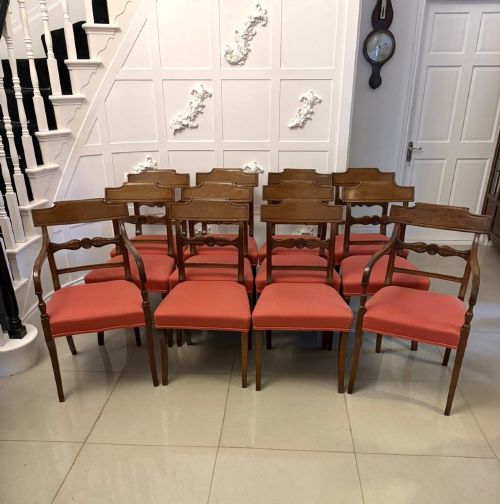
Regional variations such as Irish and Scottish pieces emerge in the records, alongside Anglo-Indian and Greek Revival designs. Dining chairs often survive in sets of four, six, or twelve.
Materials and construction
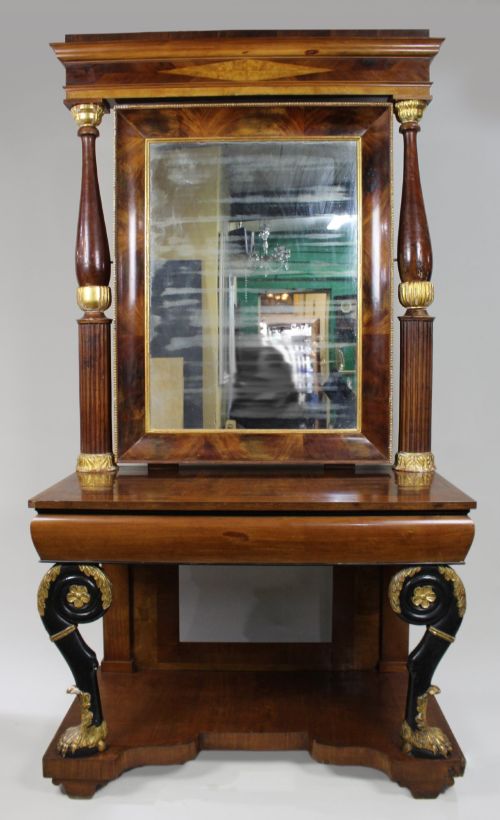
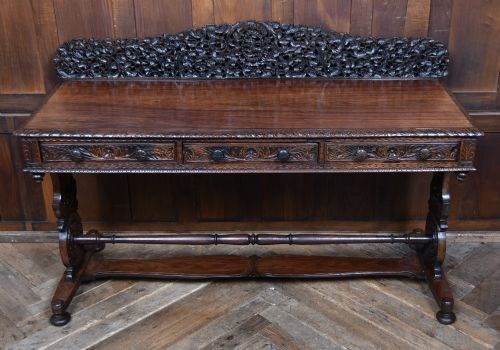
Makers utilised solid mahogany and figured veneers over secondary timbers, shaping the dense wood with hand tools to achieve deep relief carving. Cuban mahogany and padouk appear among the specific wood varieties.
Secondary elements incorporate brass hardware, glass, marble tops, and leather writing surfaces. Fabric and leather upholstery finish chairs and settees, while parcel gilt accents highlight specific mouldings.
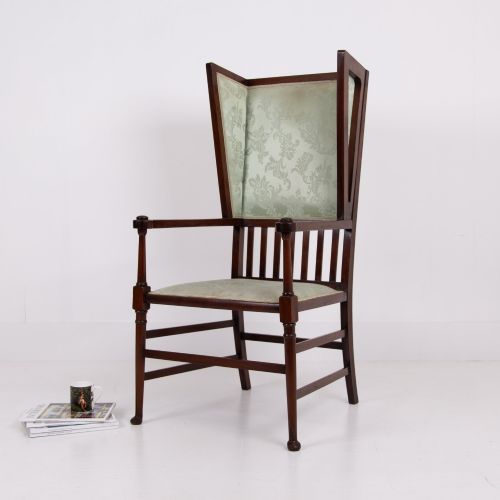
Listings span the eighteenth, nineteenth, and early twentieth centuries, incorporating Edwardian, Regency, and Victorian periods alongside Arts and Crafts examples.
Evaluating workmanship
Quality rests upon the crispness of the carving and the selection of the timber, particularly where figured mahogany or burr walnut displays natural grain patterns. Crisp claw and ball feet and pierced brasses distinguish finer workshops.
Structural integrity depends on period joinery techniques and the retention of original components such as mirror backs, hardware, and pedestals. Pieces bearing maker labels or specific provenance command greater interest.
Strahan And Co·Trevor Page And Co·Alexander Greek Thomson
The Carved Mahogany Furniture Glossary
- Mahogany
- A durable tropical hardwood known for a reddish-brown tone and fine grain, used extensively for cabinetmaking across multiple centuries. It takes a high polish and holds intricate carving well.
- Parcel Gilt
- A decorative technique applying gold leaf to specific carved details or mouldings while leaving the surrounding wood visible. This highlights architectural elements on tables and mirrors.
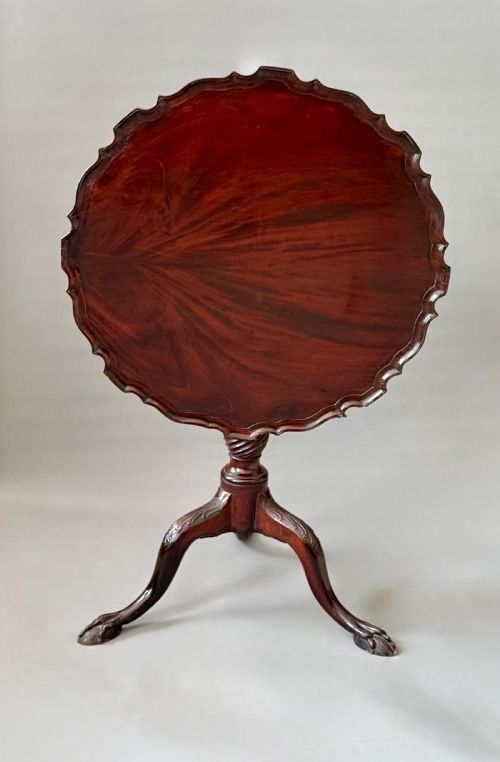
- Pie Crust Tripod Table
- A small occasional table supported by three legs, featuring a raised, carved edge resembling pastry work. These date predominantly to the eighteenth century.
- Pedestal Desk
- A large writing table comprising two separate pedestals of drawers supporting a top surface, often inset with leather. These forms became popular during the Victorian period.
- Wine Cooler
- A deep timber vessel designed for chilling bottles, frequently lined and mounted on a stand. Examples from the nineteenth century display robust carved decoration.
Carved Mahogany Furniture: Frequently Asked Questions
How do I date carved mahogany furniture?
Dating relies on stylistic markers, construction methods, and secondary woods. Georgian pieces often show lighter proportions and Chippendale-influenced carving, while Victorian items tend to be heavier with round pedestal bases.
Examining drawer linings, screw types, and backboards helps confirm the period. Labels from makers or retailers provide precise chronological anchors when present.
How should I care for mahogany surfaces?
Protect mahogany from direct sunlight and extreme humidity changes to prevent timber movement and fading. Dust regularly with a soft, dry cloth and apply occasional high-grade wax to nourish the grain.
Avoid silicone-based sprays and place felt pads beneath objects set upon tabletops. Marble and leather inserts require specific cleaning agents appropriate to those materials.
Were these pieces used daily in period homes?
Dining chairs, extending tables, chests of drawers, and washstands served practical domestic functions in drawing rooms, bedrooms, and dining spaces. Wealthy households utilised specialised items like wine coolers and silver tables for entertaining.
Many forms adapted over time from utilitarian furniture into decorative focal points. Sturdy construction ensured they survived centuries of household activity.
What is the difference between Regency and Victorian styles?
Regency design draws heavily on classical Greek and Roman motifs, featuring clean lines, sabre legs, and subtle brass inlay. Proportions remain balanced and restraint governs the ornamental carving.
Victorian furniture expands into heavier, more exuberant forms with deep buttoning, balloon backs, and prominent carved claw and ball feet. Eclectic revivals of earlier eras also characterise the later nineteenth century.