
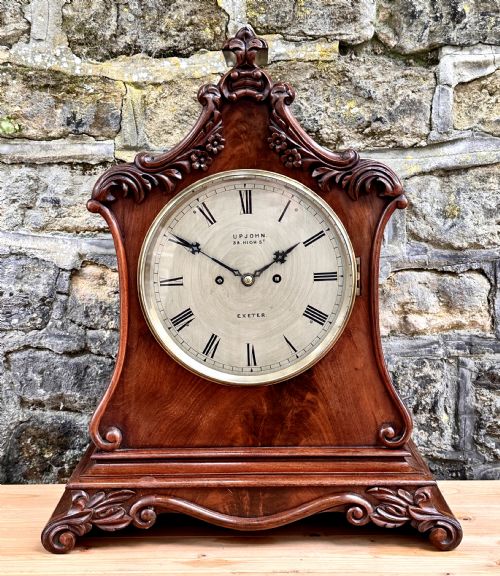
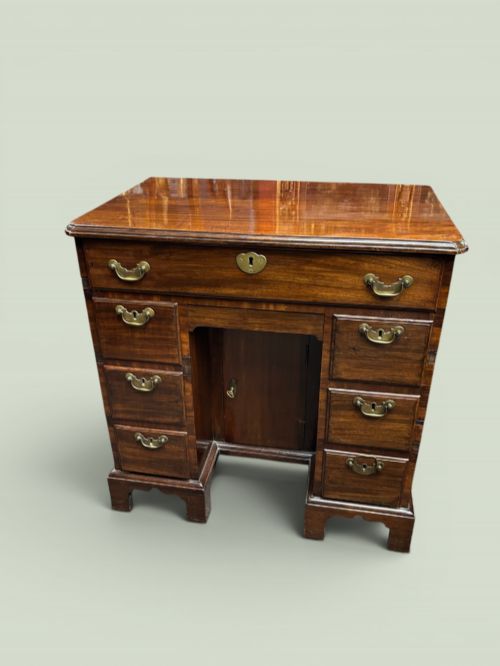

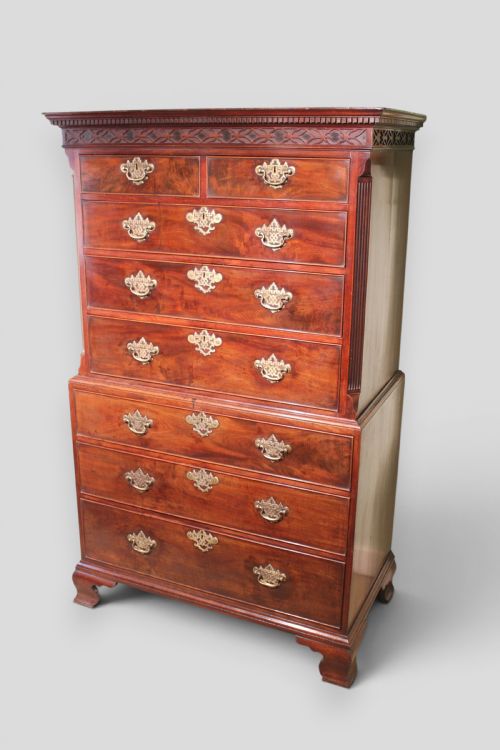

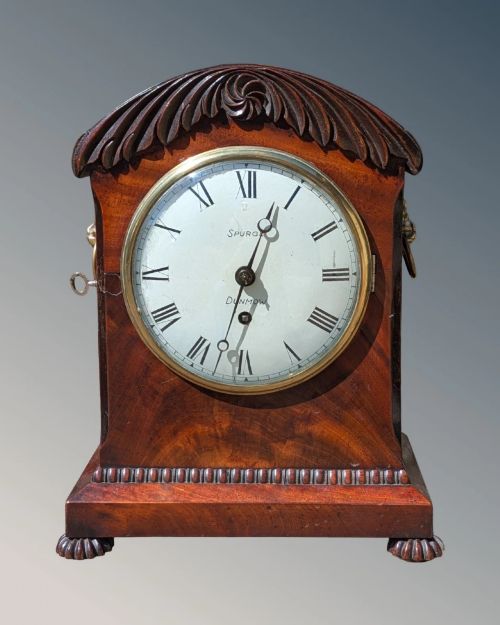
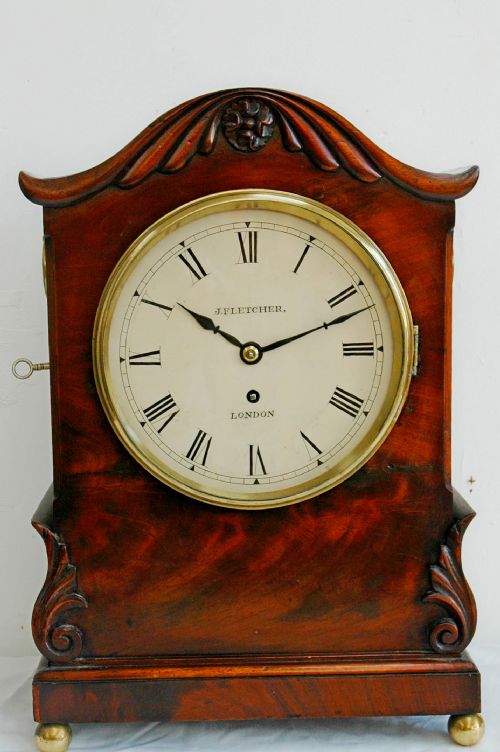


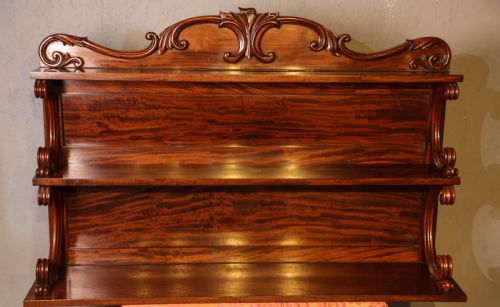
Carved Mahogany Brackets
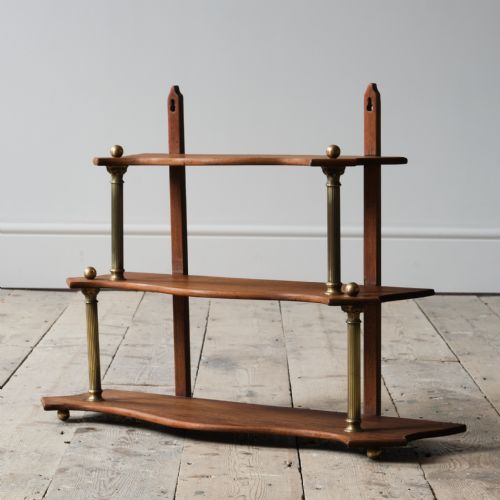
These carved mahogany brackets are structural supports and architectural shelves that bring warmth and grain to a wall.
Carved Mahogany Brackets
Carved mahogany brackets appear across the 18th and 19th centuries, taking the form of wall shelves, architectural supports, and decorative wall brackets. You will meet these pieces most frequently in Victorian and Georgian incarnations, where dark timber serves both structural and decorative roles in domestic interiors.
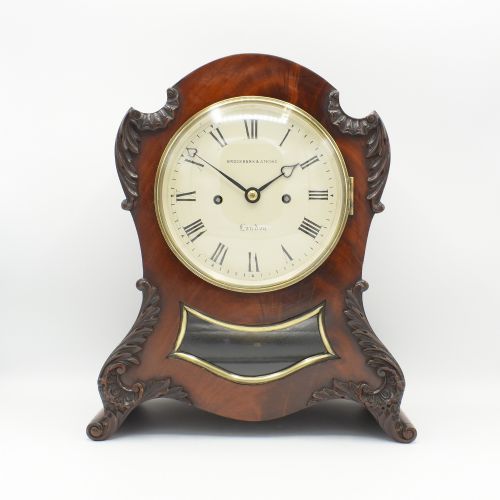
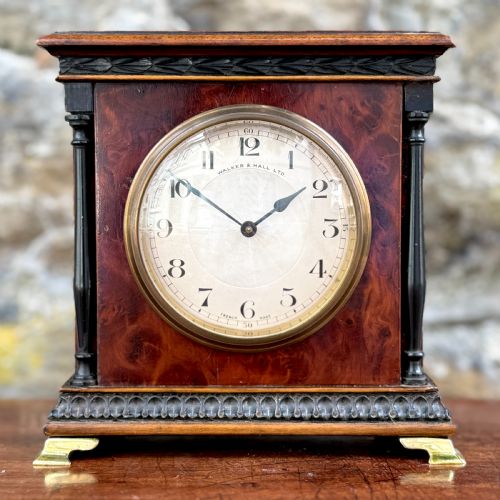
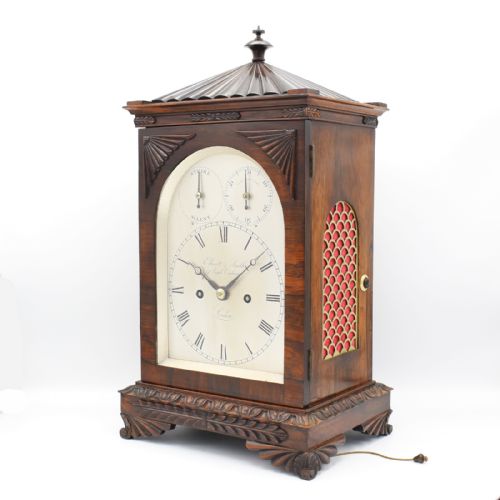
Makers shaped this dense tropical hardwood into scrollwork, corbels, and pier supports, often designed to display smaller decorative objects or clocks. The selection spans utilitarian wall brackets to decorative pairs originating from Georgian and Victorian workshops.
How they were made
Craftsmen worked with solid mahogany, sometimes pairing the primary timber with brass or gilt elements for hanging fixtures or decorative mounts. The material's natural stability allowed carvers to execute deep relief work and sharp architectural profiles without splitting.
Joinery involved traditional pinning and concealed fixings to secure weight-bearing architectural elements to walls. Surfaces were finished by hand to bring out the natural reddish-brown grain of the wood rather than masking it with heavy pigments.
Some wall brackets were designed solely to trick the eye, functioning as decorative architectural timber rather than functional shelves.
What varies in quality
Quality rests in the crispness of the hand-carved detail and the depth of the mahogany grain. Pieces with sharper relief work and well-preserved timber surfaces stand apart from simpler utilitarian mouldings.
The integrity of the structural joints and the matching of grain across paired brackets define the upper tier of surviving examples.
Brockbanks and Atkins·Ellicott and Smith·Webster Cornhill London·Spurge Dunmow·Mappin and Webb·Barrett London·J Kingerley Manchester·Hampson and Son·Funnell of Brighton·Walker and Hall·Bush of London·Piggin Norwich
The Carved Mahogany Brackets Glossary
- Mahogany
- A durable tropical hardwood known for its rich reddish-brown colour and fine grain. It forms the primary body of these wall supports.
- Corbel
- A structural piece of stone or wood jutting from a wall to carry a superincumbent weight. In timber brackets, this translates into decorative load-bearing scrolls.
- Fusee
- A conical pulley used in clockwork to maintain even tension on the mainspring as it winds down. Some wall brackets doubled as clock mountings housing these movements.
- Georgian
- The period spanning the reigns of the four Georges, characterised by classical proportions and fine timber work. Pieces from this era show restraint and balance.
- Victorian
- The period of Queen Victoria's reign, producing heavier architectural pieces and diverse revival styles. Items often display more exuberant carving than their Georgian predecessors.
Carved Mahogany Brackets: Frequently Asked Questions
How do I hang a heavy wooden bracket safely?
Check the backplate and original fixing points to understand how the weight distributes against the wall. Secure the bracket directly into wall studs or use appropriate heavy-duty wall anchors suited to the plaster.
Ensure the shelf or corbel sits level before placing any decorative objects upon it. Professional installation is advisable for larger architectural pairs.
How do I clean and maintain antique mahogany?
Dust the carved surfaces regularly with a soft, dry cloth to prevent dirt from settling in the recesses of the timber. Avoid silicone-based polishes, which build up over time and dull the grain.
Feed the wood periodically with a traditional beeswax to preserve the natural moisture and rich colour of the mahogany. Keep the brackets away from direct heat sources and strong sunlight to prevent warping.
How can I tell Georgian brackets from Victorian ones?
Georgian pieces typically display cleaner classical lines, restraint in ornamentation, and lighter proportions. The carving relies on subtle architectural orders rather than heavy relief.
Victorian brackets lean towards deeper carving, bolder scrolls, and more robust dimensions. They often reflect revival styles popular during the later nineteenth century.
Can these brackets support heavy objects?
Their capacity depends entirely on the thickness of the timber, the method of wall attachment, and the overall size of the bracket. Architectural pairs can generally hold moderate weights such as small clocks or porcelain.
Test the structural integrity of the joints before placing precious items on display. Avoid loading smaller decorative wall shelves beyond light display purposes.