
Carved Leg Stool
When you search for a carved leg stool, you enter a world of timber frames and upholstered tops spanning three centuries of domestic seating.
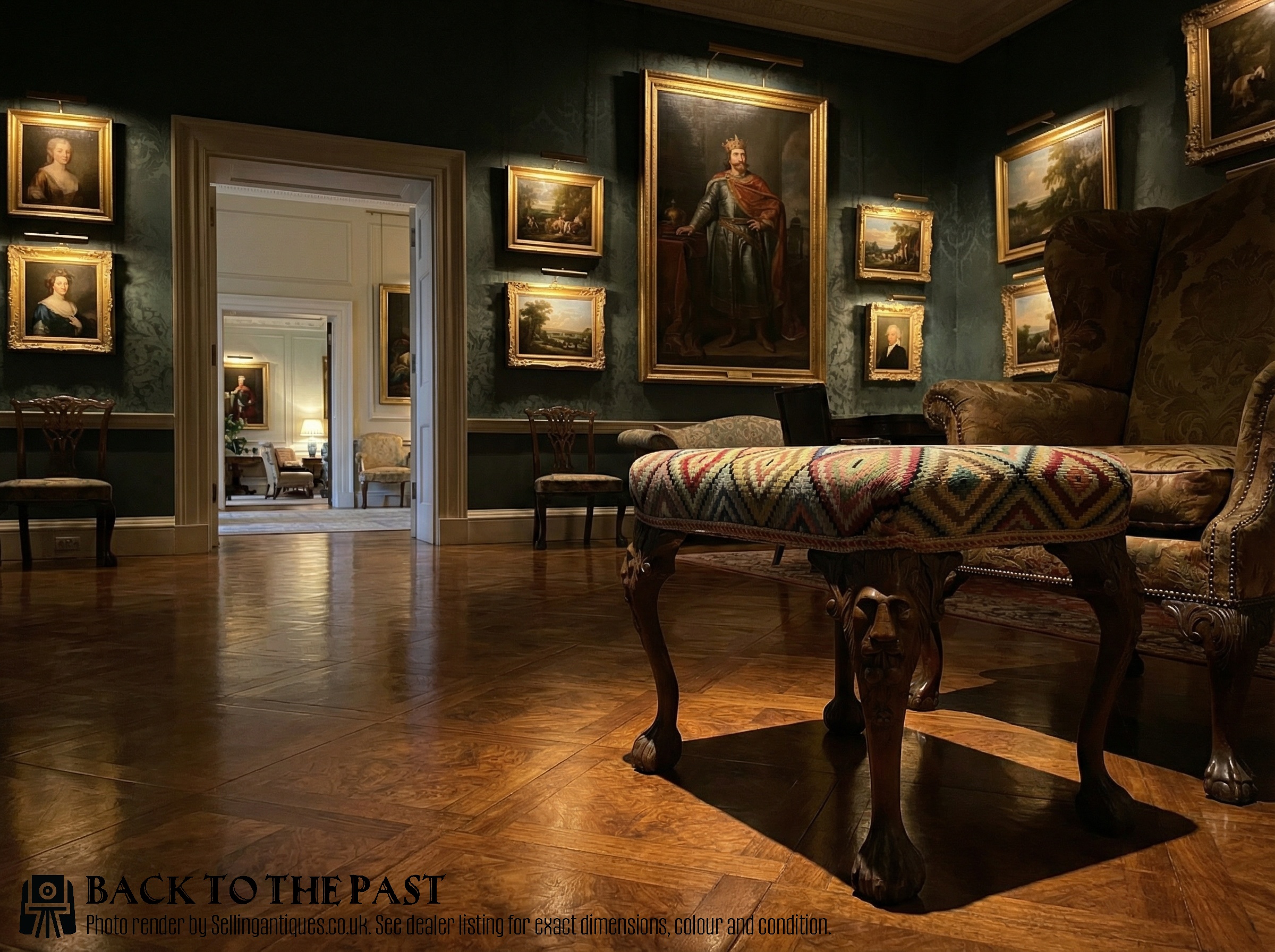
Carved Leg Stool
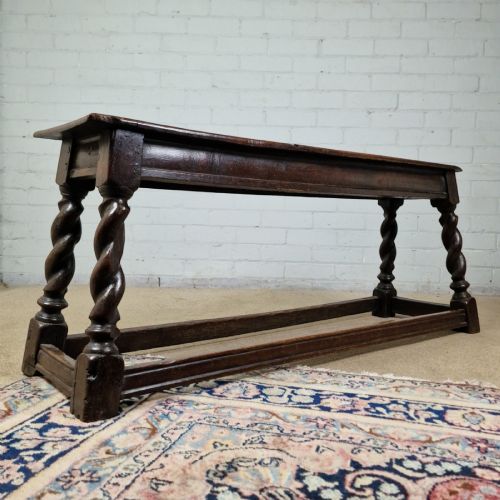
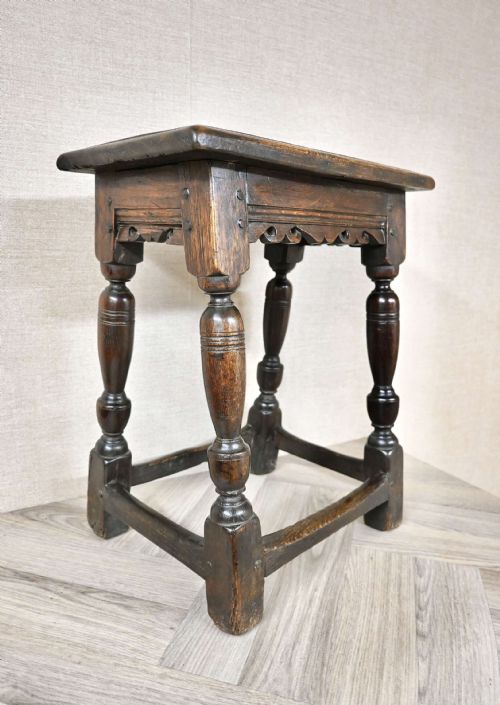
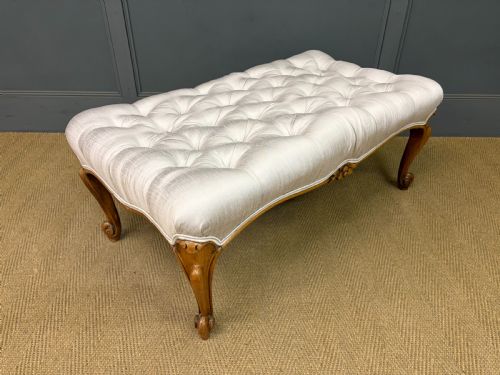
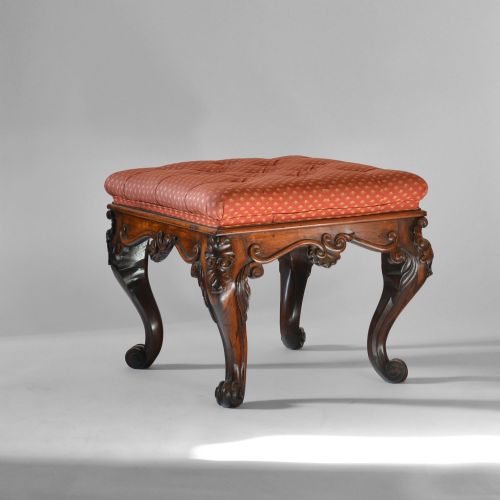
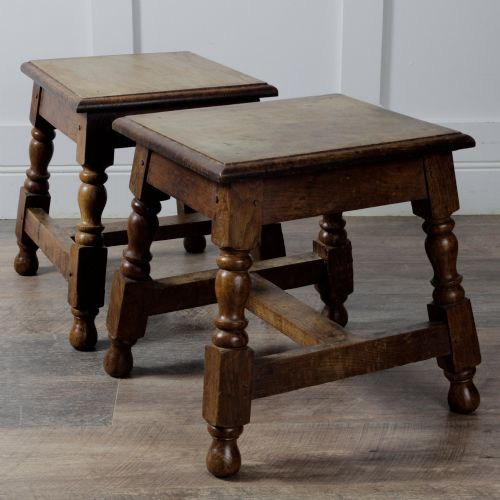
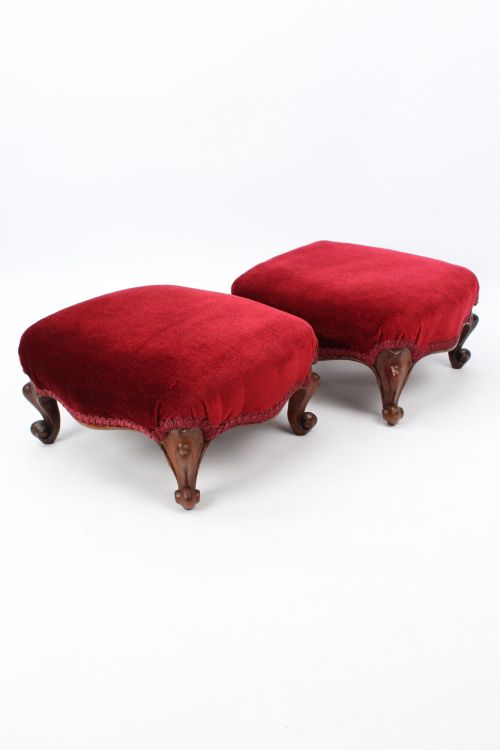
A carved leg stool serves multiple domestic functions, operating as a fireside seat, a dressing table auxiliary, or a piano bench depending on its height and top configuration. The pieces seen in this collection range from seventeenth-century joint stools to Victorian cabriole-legged walnut dressing stools and heavy mahogany footstools.
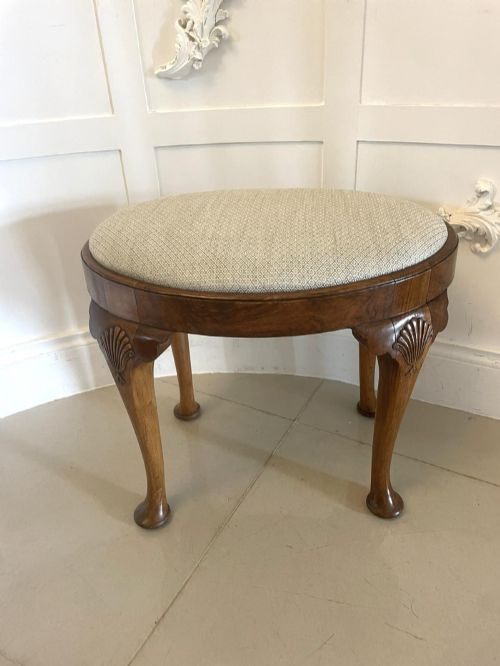
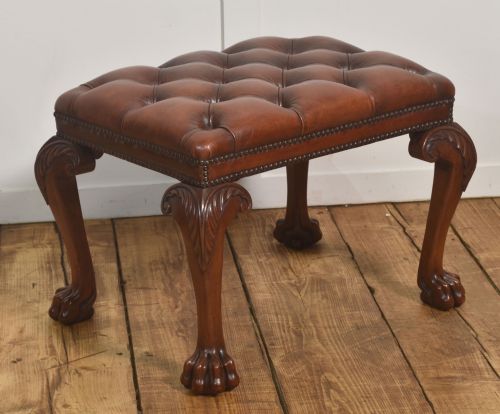
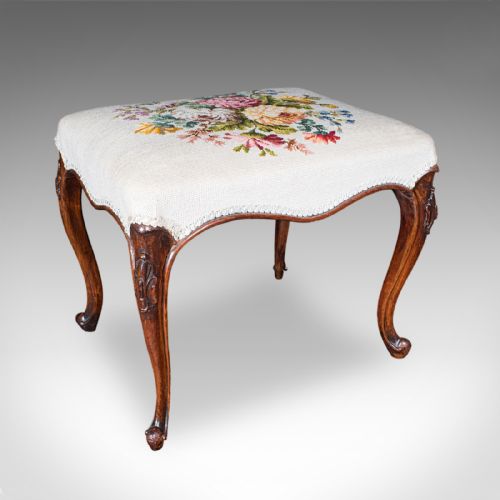
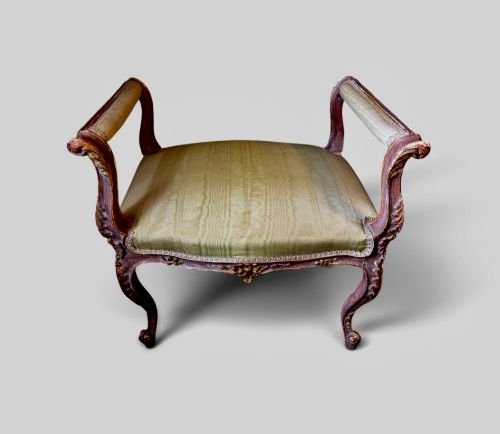
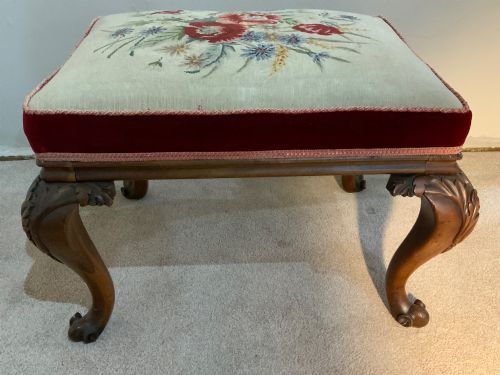
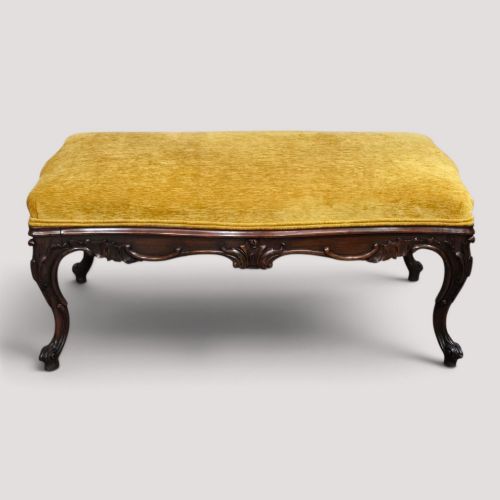
The version you are most likely to encounter on this page is the Victorian walnut or mahogany stool featuring cabriole legs, often finished with scroll, acanthus, or ball and claw carving. These nineteenth-century examples sit alongside earlier oak joint stools and revival pieces inspired by Queen Anne and Chippendale designs.
Materials and construction
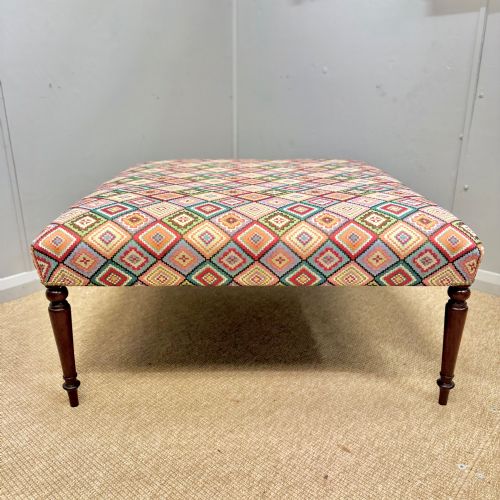
Cabinet makers utilised dense hardwoods such as oak, walnut, mahogany, and rosewood to support the weight and allow for deep relief carving on the legs and frame. Early examples rely on joined or pegged timber construction, whilst later nineteenth-century pieces employ sophisticated turning and applied carved mouldings.
Upholstered surfaces utilise traditional stuffing materials secured beneath textiles like needlepoint, velvet, leather, and hide, often held with brass or iron tacks. Frames frequently incorporate corner blocks and tenon joints to ensure stability beneath the decorative carving.
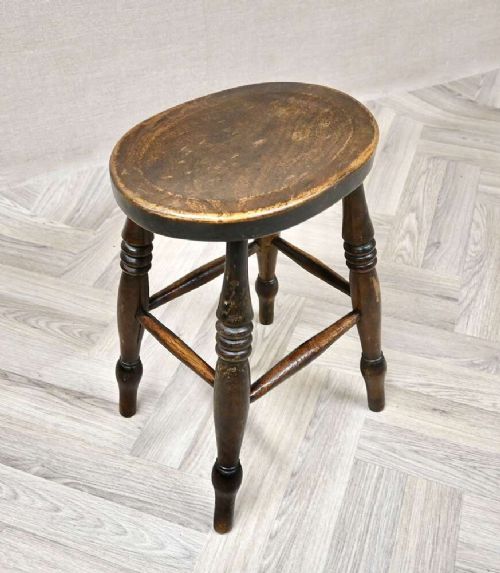
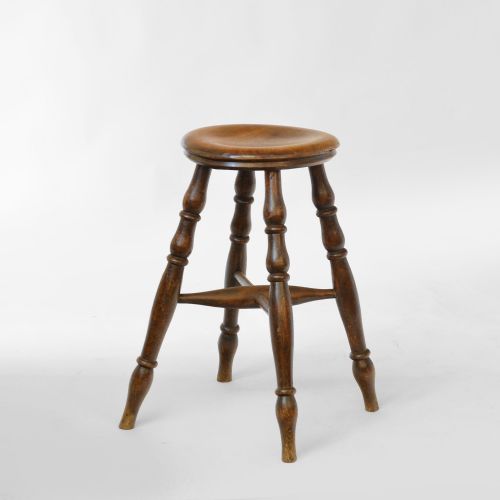
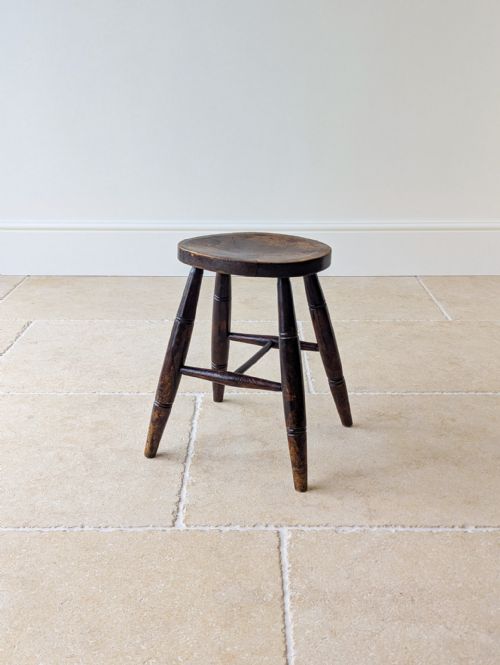
Milking stools bring three rustic legs to the floor, ensuring stability on uneven barn surfaces.
The measure of quality
The distinction between ordinary and exceptional pieces lies in the crispness and depth of the wood carving, where hand-tooled execution shows individuality compared to shallow mechanical profiling. Timber selection also dictates grade, with finely figured walnut veneers or dense, heavy mahogany commanding greater appreciation.
Structural integrity and originality of the upholstery base separate fine survivals from heavily restored examples. Retaining period textiles or maintaining rigid frame joints without replacement timber preserves the integrity of the piece.
The Carved Leg Stool Glossary
- Cabriole leg
- A furniture leg that curves outward at the knee and tapers inward toward the ankle, mimicking animal limbs. This form appears frequently on eighteenth-century and Victorian revival stools.
- Joint stool
- An early form of wooden stool constructed with pegged mortise and tenon joints rather than turned legs. These sturdy oak seats date primarily to the seventeenth century.
- Needlepoint
- Canvas worked with wool or silk threads in counted stitches to create pictorial or geometric upholstery. It is commonly found on Victorian fireside footstools.
- Ball and claw foot
- A furniture foot carved to resemble a bird's talon clutching a ball. This decorative terminal often terminates the carved cabriole legs of mahogany and walnut seating.
Carved Leg Stool: Frequently Asked Questions
What is a joint stool?
A joint stool is an early wooden seating form held together by pegged wooden joints rather than glue or nails. These robust oak pieces date predominantly to the seventeenth century and served utilitarian roles in early households.
They gain their name from the joiner's craft used in their production. Collectors value them for their honest construction and survival from the early modern period.
How do I date a carved leg stool?
Dating relies on examining the timber species, tool marks, and stylistic revival cues visible on the frame. Oak and sycamore typify earlier centuries, whilst walnut and mahogany dominate the Victorian and Georgian revival eras.
Secondary woods on the underside provide further clues to age and origin. Comparing the carved motifs against known period styles helps narrow the decade of manufacture.
Where were these stools used?
Stools found placement throughout the domestic interior, functioning by hearths, dressing tables, and pianos. Smaller variants served as footstools for resting feet near coal fires in larger reception rooms.
Longer benches and piano stools accommodated multiple sitters or musicians. Their portable nature meant they moved easily between rooms as household needs shifted.
Are these stools comfortable?
Many upholstered examples provide substantial cushioning through traditional stuffing materials like horsehair beneath heavy textiles or leather. Wooden top versions offer firm, upright seating intended for brief tasks rather than lounging.
Revival pieces often replicate eighteenth-century comfort standards with buttoned hide or tapestry tops. The addition of padding makes them suitable for prolonged use as dressing seats.