

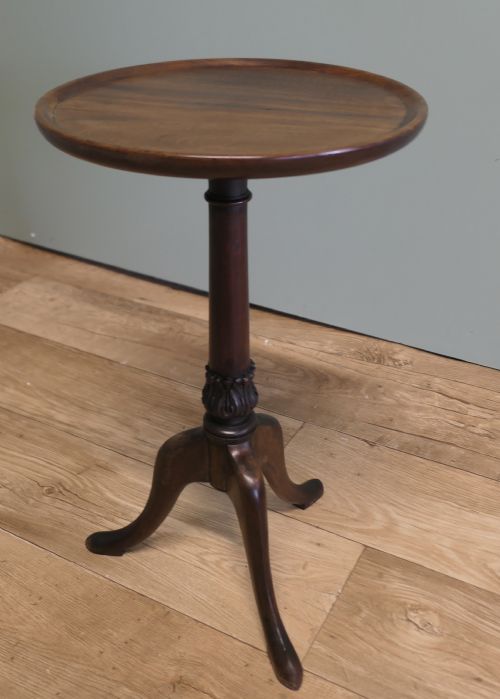
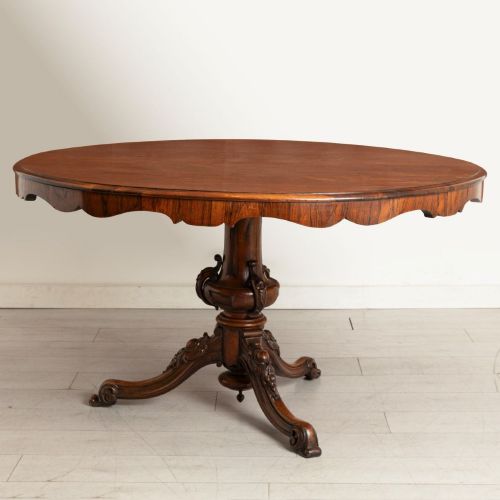
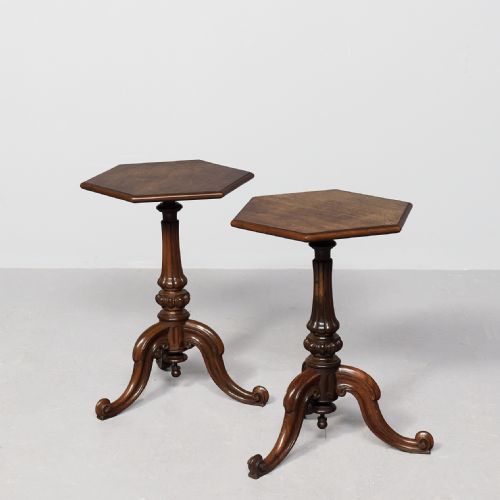
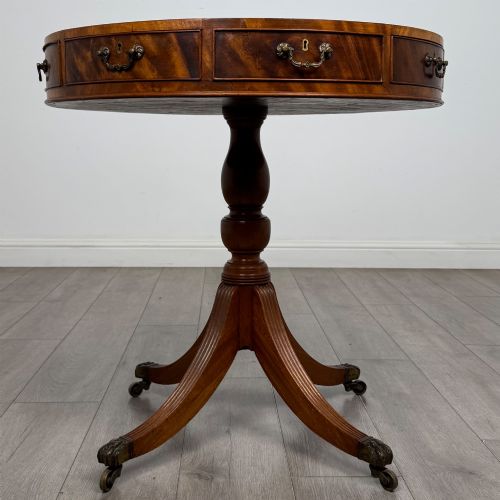
Carved Leg Pedestal Table
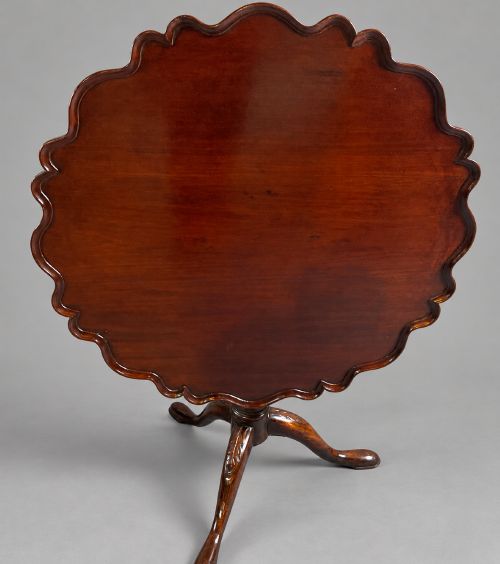
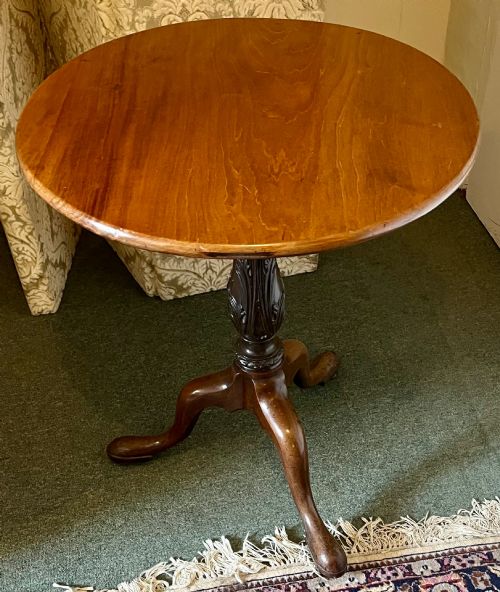
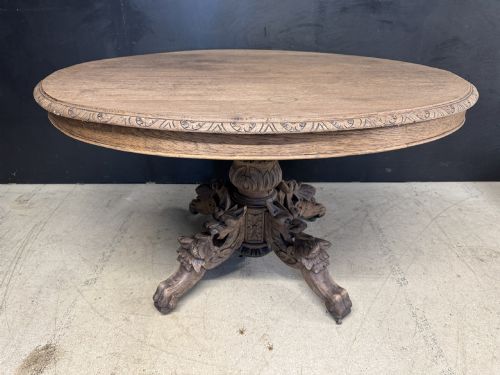
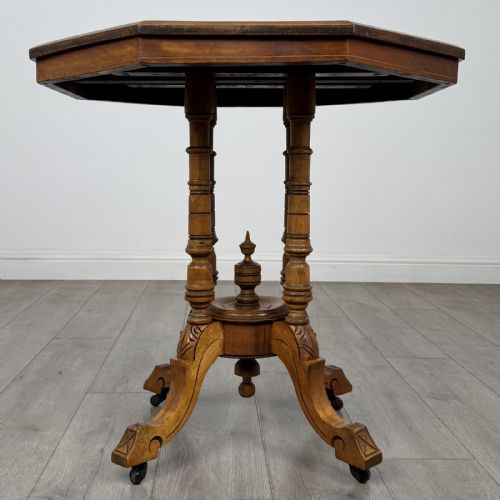
A carved leg pedestal table brings grounded dignity to a room, offering a sturdy central column and decorative wooden supports.
Carved Leg Pedestal Table
When you search for a carved leg pedestal table, you encounter a variety of forms designed to anchor central spaces or fit neatly beside seating. These pieces range from small wine tables and tripod candle stands to larger occasional tables and dining formats.
The versions you are most likely to meet on this page span the nineteenth century through the early twentieth century, taking shape during the Victorian and Edwardian eras. Many draw inspiration from earlier periods, displaying revival styles such as Chippendale, Queen Anne, and Regency.
Makers utilised woods like mahogany, walnut, burr walnut, and oak to construct these items, often incorporating practical surfaces like leather tops or tilt mechanisms. Whether serving as a plant stand or a writing desk, the defining feature remains the single or multi-pedestal base supporting the top.
How they were made
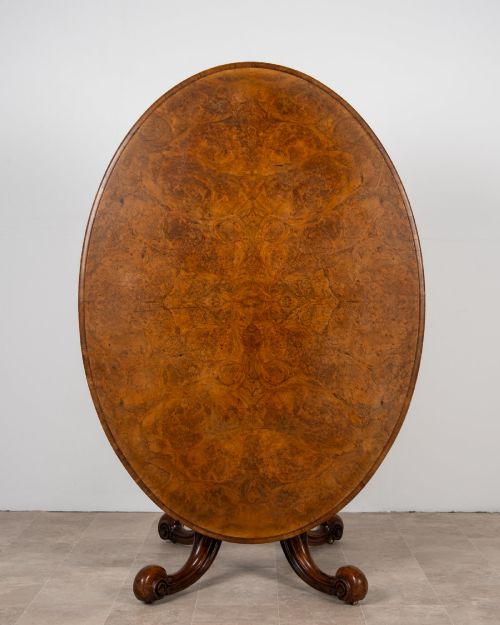
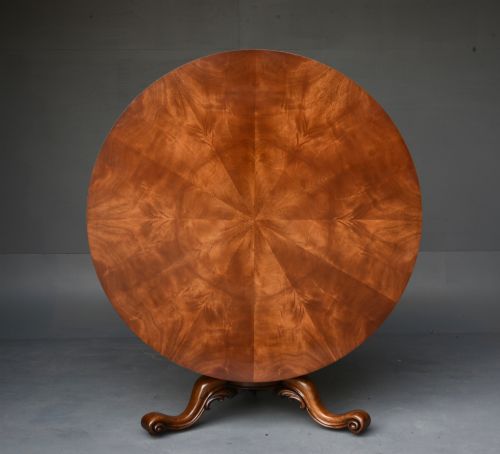
Cabinet makers built these tables using dense timbers such as mahogany, oak, and walnut, frequently selecting burr walnut veneers for rich grain patterns on tabletops. Solid hardwoods provided the structural integrity needed for carved pedestals, tripod legs, and claw and ball feet.
Joining techniques combined traditional mortise and tenon joints with turned woodwork and hand-carved detailing on the central columns. Leather inserts on writing desks and library tables were commonly tooled in gold, while tilt-top mechanisms relied on secure wooden latches and brass catches.
Carved Leg Pedestal Table Retail Price Guide 2026
Typical asking prices for carved leg pedestal table among the pieces listed under this phrase on Sellingantiques today, from the lower quarter to the upper quarter. They describe what is for sale here now, not the wider market.
Listings feature woods including mahogany, walnut, burr walnut, oak, and rosewood, alongside marble and leather elements.
What varies in quality
The distinction between standard examples and superior pieces rests upon the crispness of the hand-carving and the selection of timber veneers. Crisp detailing on a tripod base or claw feet indicates a more skilled hand than soft, rounded moulding.
Proportion and stability define the upper tier of these tables, where balanced weight distribution ensures the piece stands firm on its column. The quality of secondary woods used in drawers and the depth of the finish also mark the difference in execution.
Liberty and Co
The Carved Leg Pedestal Table Glossary
- Tilt-top
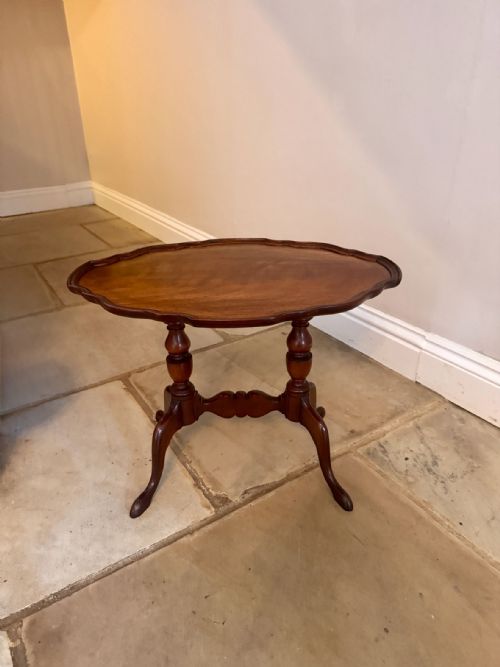
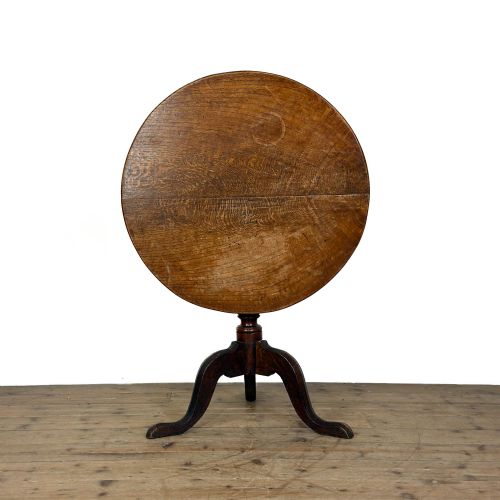
- A tabletop mechanism that allows the surface to pivot upright for storage when not in use. This feature is common on smaller wine and occasional tables from the nineteenth century.
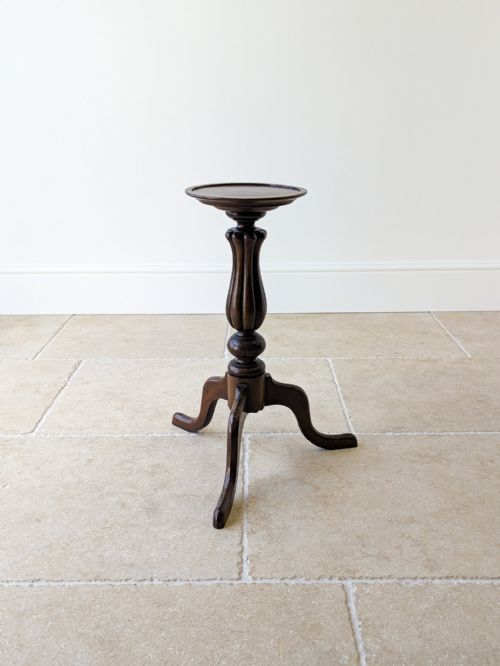
- Tripod base
- A support structure consisting of three curved legs radiating from a central pillar. It provides stability on uneven floors.
- Burr walnut
- A highly figured timber veneer taken from the growth excrescences of walnut trees. It creates intricate, swirling patterns across tabletops and cabinet doors.
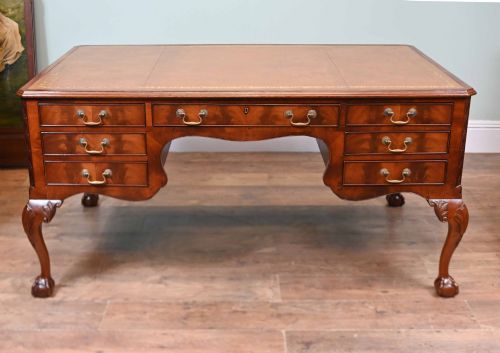
- Pedestal desk
- A large writing table supported by two banks of drawers rather than four independent legs. These often feature inset leather writing surfaces.
- Refectory table
- A long, sturdy dining table traditionally used in communal halls. Examples from later revival periods feature substantial carved legs and oak construction.
Carved Leg Pedestal Table: Frequently Asked Questions
What is a tilt-top table used for?
A tilt-top table served primarily as a space-saving item in nineteenth-century interiors. Owners pivoted the surface vertical against a wall when the room needed to clear floor space.
In daily use, the surface remained horizontal for holding books, candles, or tea service. The pivoting mechanism relied on a wooden catch beneath the top.
How do I identify a Victorian pedestal table?
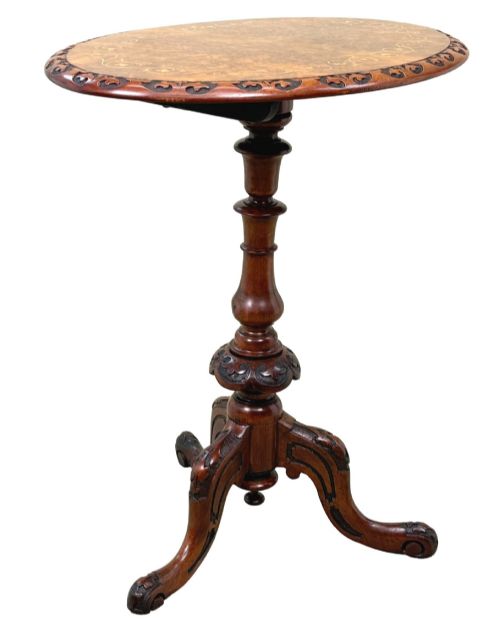
Victorian pedestal tables typically feature dense timbers like mahogany or walnut with dark, polished finishes. Look for turned central columns and heavy carved tripod bases.
Proportions tend to be robust, and many examples incorporate revival influences such as Chippendale or Jacobean details. The joinery beneath the tabletop often shows hand-cut elements.
Where should I place a pedestal table?
These tables suit hallways, corners, or beside seating where a standard four-legged table might obstruct movement. A smaller tripod or wine table fits well next to an armchair for a lamp or drink.
Larger pedestal dining tables anchor the middle of a dining room. Their central columns allow chairs to tuck neatly around the perimeter.
What is the difference between a side table and a pedestal table?
A traditional side table stands on four legs placed at the corners, offering a rectangular surface against a wall. A pedestal table rests on a single central column or multiple columns.
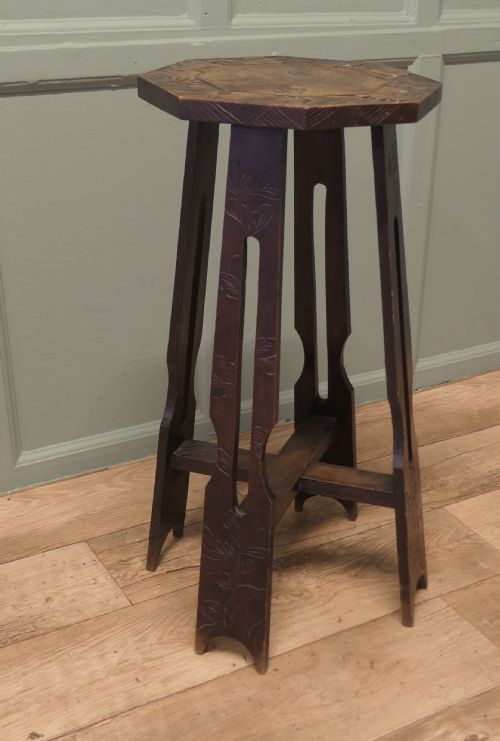
This central support changes the silhouette and allows greater legroom around the base. Pedestal versions often feature round or octagonal tops.