


Carved Leaf Chandelier
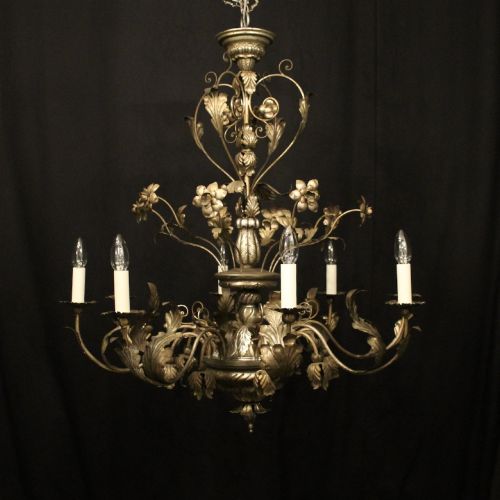
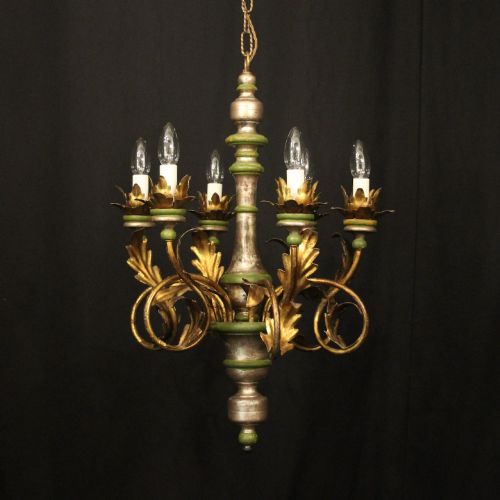
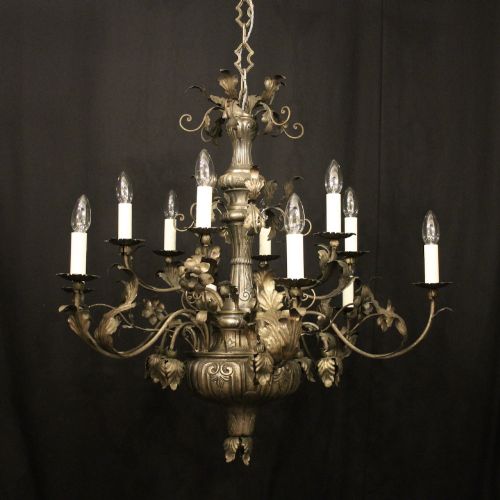
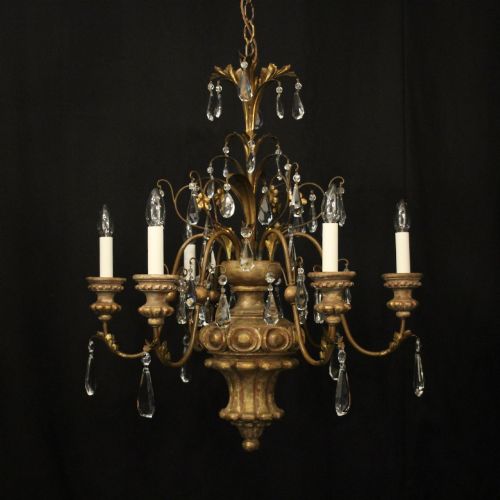
A carved leaf chandelier brings organic movement to a room through carved foliage motifs rendered in wood and metal.
Carved Leaf Chandelier
A carved leaf chandelier offers overhead illumination shaped by natural forms, drawing the eye upwards with sculpted foliage and scrolling branches. When searching for a carved leaf chandelier, buyers encounter pieces originating from Victorian Britain and twentieth-century Italy, particularly Florence.
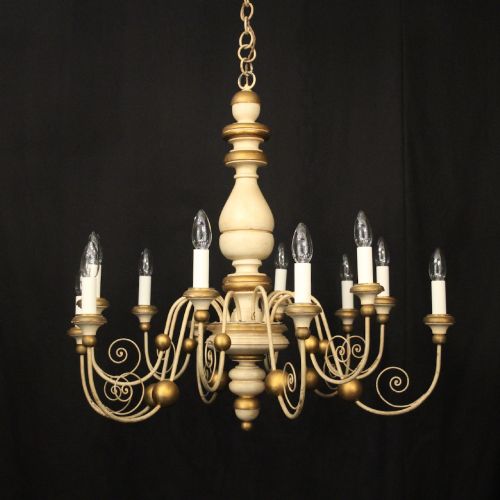
The selection here encompasses various lighting formats designed for different domestic spaces. Alongside multi-arm chandeliers carrying six or twelve lights, the inventory includes hallway lanterns and individual ceiling roses.
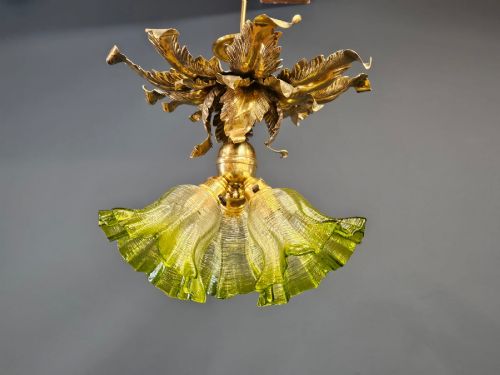
Italian examples often feature giltwood or polychrome finishes applied to carved wooden structures. Victorian pieces lean towards cast brass leaf designs paired with original glass shades.
How they were made
Construction relies upon traditional woodworking and metalworking techniques suited to each period and regional workshop. Carved wooden frames receive layers of gold leaf, paint, or ebonisation to define the leaf and vine motifs.
Metal components utilise wrought iron, cast brass, and standard metal alloys shaped into structural arms and leafy ornamentation. Glass elements appear as hanging components or original shades designed to diffuse the light from candles or early electric bulbs.
At least one large hall lantern here once relied entirely on flickering candlelight to guide visitors through the dark.
What varies in quality
The refinement of the carving dictates the visual depth of the foliage and the crispness of the scrollwork. Artisans who spent more time chiselling fine veins into wooden leaves produced fixtures with greater sculptural presence.
Surface finish application marks the difference between standard production and exceptional execution. Rich polychrome work, deep gilding, and well-preserved ebonised surfaces retain their visual complexity far better over decades of use.
The Carved Leaf Chandelier Glossary
- Giltwood
- Wood that has been covered with a thin layer of gold leaf. This technique creates a luminous surface that catches and reflects ambient light.
- Polychrome
- Decoration executed in multiple colours. It is frequently seen on Italian wooden chandeliers of the early twentieth century to highlight carved details.
- Ebonisation
- A finishing process that darkens wood to resemble ebony. This treatment provides a striking contrast against gilded leaf accents.
- Ceiling Rose
- A decorative plaster or carved wooden moulding fixed to the ceiling from which a chandelier is suspended. It frames the fixture and protects the ceiling surface.
Carved Leaf Chandelier: Frequently Asked Questions
Where should I hang a carved leaf chandelier?
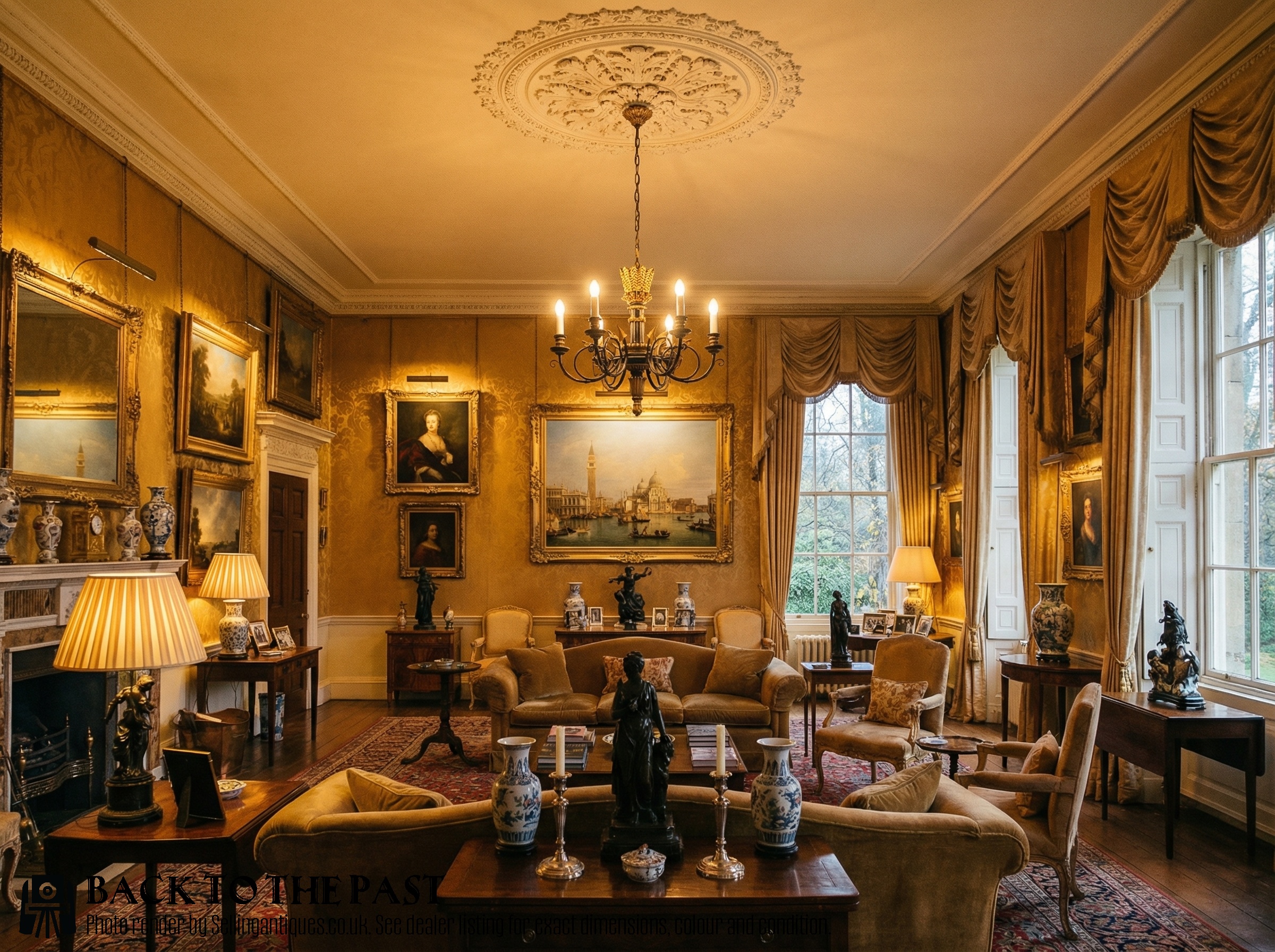
These fixtures suit dining rooms, high-ceilinged hallways, and principal reception rooms where their decorative frames can be viewed from below.
Ensure the ceiling height accommodates the drop of the chandelier and the scale of the light matches the proportions of the furniture underneath.
How do I clean a giltwood chandelier?
Dust the carved leaf surfaces gently with a soft, dry brush to prevent damage to the delicate gold leaf layer.
Avoid using liquid cleaners or abrasive cloths, which can strip away the historical finish and expose the underlying wood.
What is the difference between Victorian and Florentine styles?
Victorian examples in this category often utilise cast brass and incorporate functional elements like original glass shades. Florentine pieces rely on carved giltwood and polychrome finishes with a focus on Italian Baroque and Neoclassical ornamentation.
Both styles employ leaf motifs, but the materials and regional craftsmanship create distinct visual identities.
Were these chandeliers originally lit by candles?
Earlier examples, particularly those dating towards the end of the nineteenth century, were designed to be lit by candles before later conversion to electricity.
This historical shift in lighting technology often accounts for the varying configurations of the candle tubes and wiring found in older pieces.