


Carved Wood Light Fitting
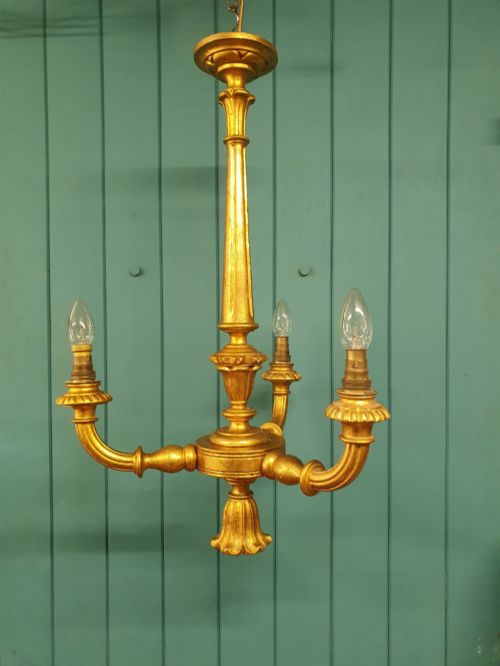
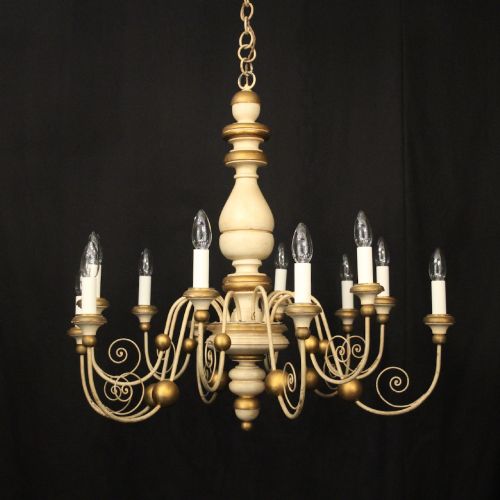
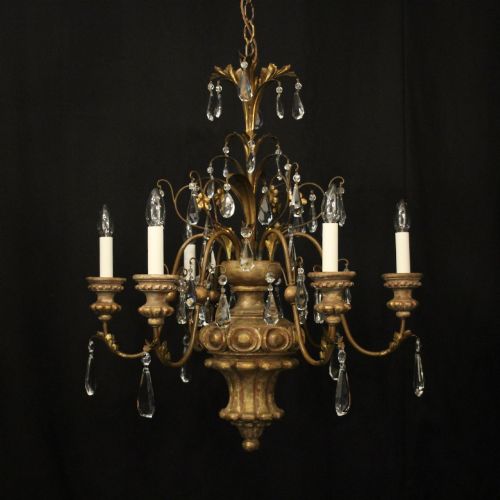
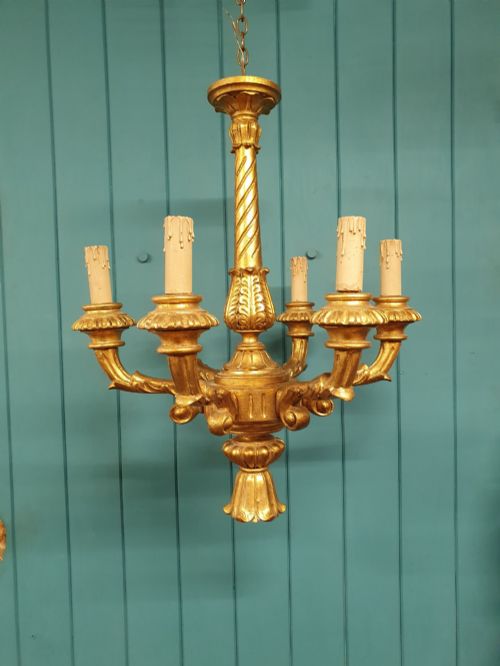
These carved wood light fitting examples bring warmth and sculptural presence to a room, ranging from grand Florentine chandeliers to modest Edwardian table lamps.
Carved Wood Light Fitting
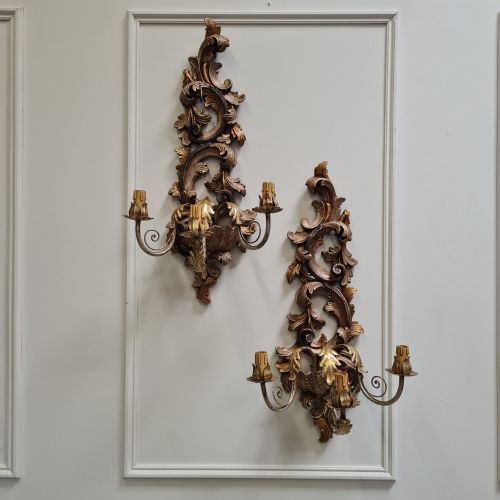
The objects date from the eighteenth century through to the early decades of the twentieth century, encompassing Victorian, Edwardian, and Art Deco periods. While chandeliers dominate the offerings, smaller fixtures such as pairs of wall lights and occasional wardrobes also appear within the broader material record.
How they were made
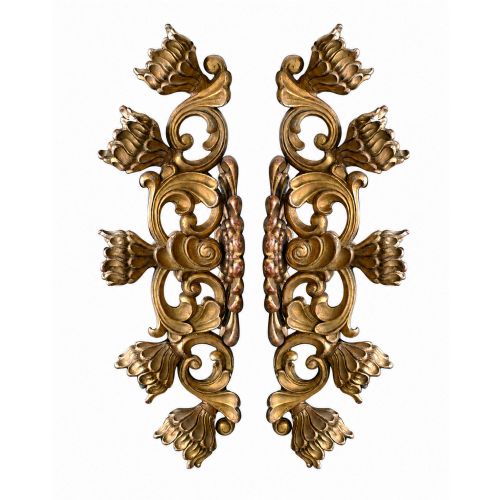
The primary construction relies on timber shaped by hand, frequently augmented with gesso layers to build up intricate decorative motifs before gilding. Artisans applied gold leaf, polychrome paint, or ebonised finishes over the carved surfaces to achieve rich visual textures.
Metal components such as wrought iron and brass frequently integrate with the timber structures to provide necessary structural support for lamp arms and suspension hardware. Glass elements and toleware components occasionally accompany these wooden frameworks to complete the lighting assemblies.
The listings demonstrate a strong representation of Italian Florentine craftsmanship, alongside Edwardian British table lamps and nineteenth-century giltwood chandeliers.
What varies in quality
Quality in these pieces depends heavily on the depth and precision of the initial hand-carving, where crisp organic details distinguish superior examples from simpler productions. The application of gold leaf and polychrome finishes also dictates visual success, with finer pieces retaining subtle tonal variations and well-preserved metallic surfaces.
Proportion and scale play significant roles in the overall impact, particularly in large multi-arm chandeliers where the balance between the wooden body and the extending light branches determines the piece's architectural harmony.
The Carved Wood Light Fitting Glossary
- Giltwood
- Timber carved and subsequently covered with a thin layer of gold leaf. This technique provides a luminous surface that reflects candlelight and electric illumination alike.
- Gesso
- A plaster-like mixture applied to wood surfaces as a preparation for gilding or painting. It allows craftsmen to model sharp relief details before applying gold leaf.
- Toleware
- Painted or enamelled sheet metal items often incorporated into lighting fixtures. It frequently appears alongside carved wood elements in continental lanterns and chandeliers.
- Polychrome
- Decoration executed in multiple colours. In these pieces, painted floral or decorative motifs often enrich the gilded wooden surfaces.
- Standard Lamp
- A tall floor-standing lamp designed to illuminate a room from a vertical timber shaft. These pieces often feature heavily carved columns resting on weighted bases.
Carved Wood Light Fitting: Frequently Asked Questions
How do I clean a giltwood chandelier?
Giltwood surfaces require gentle dusting with a soft, dry brush to prevent the accumulation of dirt without disturbing the delicate gold leaf layer. Avoid using water, liquid cleaners, or abrasive cloths that can strip the historic finish.
For intricate carved crevices, a dry artist's brush helps lift stubborn particles safely. Regular light maintenance preserves the original patination better than occasional aggressive cleaning.
Are these old chandeliers heavy?
Many antique wooden chandeliers possess substantial weight due to the dense timbers used in their construction and the iron internal armatures. Proper ceiling reinforcement and professional installation are essential for safely hanging larger multi-arm fixtures.
Wall lights similarly require secure fixing into solid masonry or well-anchored wall studs to support their projecting wooden brackets.
Can antique lamps be rewired safely?
Most historic light fittings require rewiring to meet modern electrical safety standards before daily use in a contemporary home. Professional electricians can typically thread modern wiring through the existing internal channels without altering the visible exterior.
Retaining original lampholders where possible maintains historical integrity while ensuring the internal wiring operates safely.
What distinguishes Florentine lighting style?
Florentine lighting fixtures frequently feature elaborate carved foliage, scrollwork, and rich gilt or polychrome finishes developed during centuries of Italian craftsmanship. These designs often incorporate numerous light arms arranged in balanced, ornate tiers.
Their theatrical appearance draws heavily on Baroque and Rococo traditions, making them focal points within traditional or eclectic interiors.