




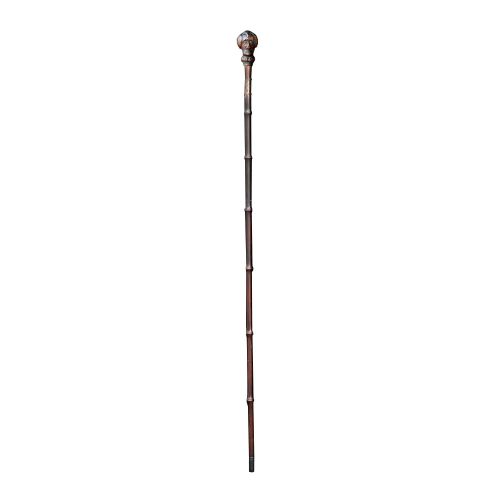

Carved Hardwood Stick
A carved hardwood stick brings tangible history and exceptional craftsmanship straight to your hallway stand.
Carved Hardwood Stick
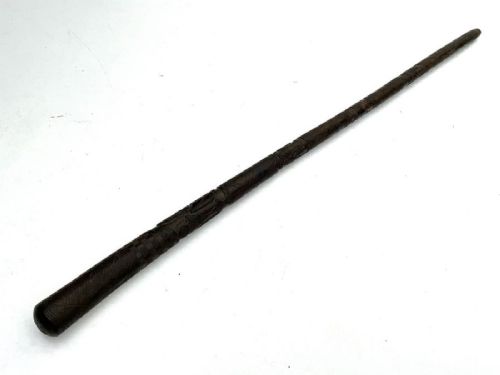
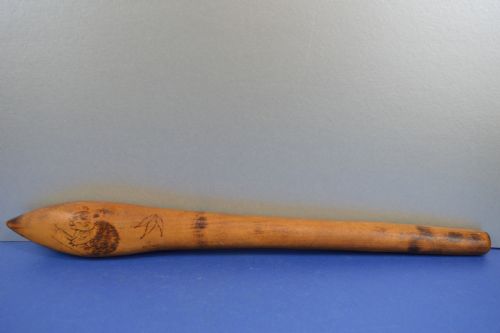
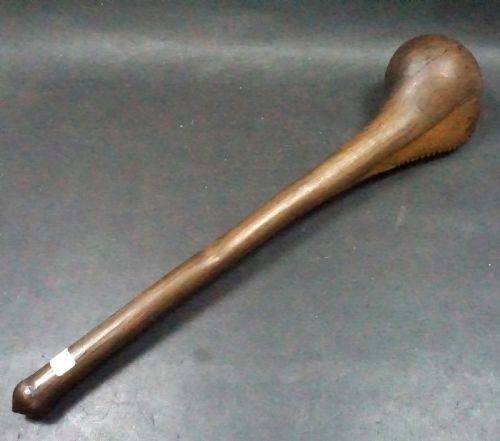
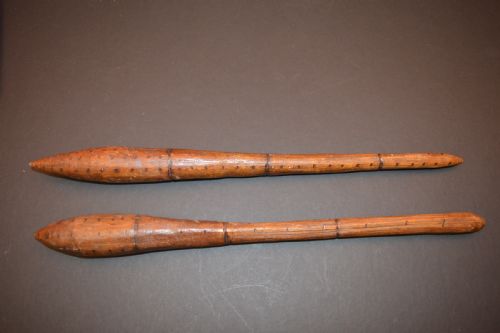
A carved hardwood stick encompasses diverse functional and cultural artefacts ranging from European gentleman's canes to traditional hunting and throwing implements. Buyers exploring this category encounter significant regional variety originating from 19th century Britain, Southern Africa, and Indigenous Australian communities.
The pieces most frequently met on this page include nineteenth-century throwing clubs, tribal artefacts, and walking sticks shaped from dense timbers. These items reflect both utilitarian daily use and distinct cultural traditions across global makers.
Materials and construction
Maker communities shaped these items from dense woods such as lignum vitae, kashi oak, and various indigenous hardwoods. Artisans utilised natural materials including horn, silver, and plant fibre to mount handles or bind grips.
Traditional hand tools carved the dense timber grains directly into functional forms like knobkerries, nulla-nullas, and walking canes. The natural durability of the timber ensured these objects withstood rigorous everyday handling.
Carved Hardwood Stick Retail Price Guide 2026
Typical asking prices for carved hardwood stick among the pieces listed under this phrase on Sellingantiques today, from the lower quarter to the upper quarter. They describe what is for sale here now, not the wider market.
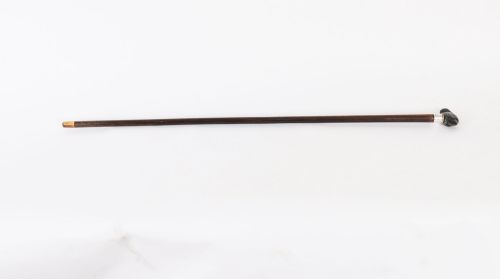
One unexpected nineteenth-century walking stick incorporates an Art Deco parrot head into its carved wooden handle.
Assessing quality
The distinction between standard examples and superior pieces rests on the precision of the hand-carved details and the density of the chosen timber. Heavier, tightly grained hardwoods indicate greater structural integrity and superior initial selection by the maker.
Cultural authenticity and well-preserved surface patination significantly elevate an item's standing. Original mounts of silver or horn add notable refinement to walking sticks and canes.
The Carved Hardwood Stick Glossary
- Knobkerrie
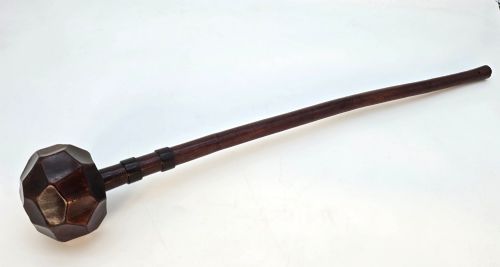
- A traditional Southern African wooden club characterised by a heavy knob at one end. These implements served both as weapons and status symbols.
- Nulla-nulla
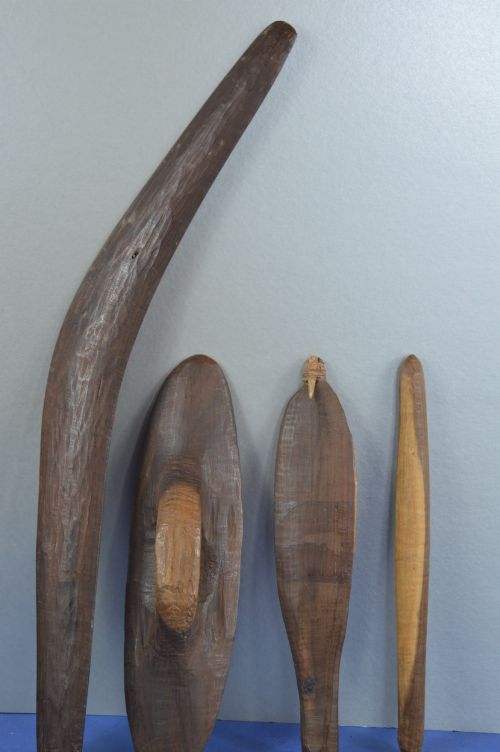
- An Australian Aboriginal wooden club utilised for hunting or combat. They display distinct regional carving patterns.
- Lignum Vitae
- An extremely dense and heavy wood derived from trees in the genus Guaiacum. Artisans favoured it for items requiring high durability.
- Woomera
- An Australian Aboriginal spear-thrower that increases the velocity of a launched spear. It often doubles as a small tray for carrying items.
Carved Hardwood Stick: Frequently Asked Questions
What is a carved hardwood stick?
A carved hardwood stick refers to hand-shaped wooden items made from dense timbers. They include walking canes, tribal clubs, and hunting implements from various historical periods.
These pieces reflect the utilitarian and artistic traditions of their makers, utilising materials like lignum vitae and kashi oak.
How were these sticks used historically?
Many of these items served practical daily functions such as walking support or rural navigation. Others functioned as traditional hunting tools, throwing clubs, or ceremonial objects.
Cultural context dictates the specific purpose, ranging from European gentleman accessories to Southern African and Indigenous Australian implements.
How do I care for wooden sticks?
Keep wooden items away from direct heat sources and dramatic humidity fluctuations to prevent timber splitting. Gentle dusting preserves the natural surface patination without stripping historical oils.
Avoid applying modern chemical polishes that can damage older finishes and natural resin components.
How do I identify the period?
Dating relies on examining the tool marks, timber selection, and stylistic motifs characteristic of specific centuries. Nineteenth-century pieces often display hand-carving techniques distinct from later manufacturing methods.
Comparing regional forms helps place the object within its proper cultural and chronological framework.