




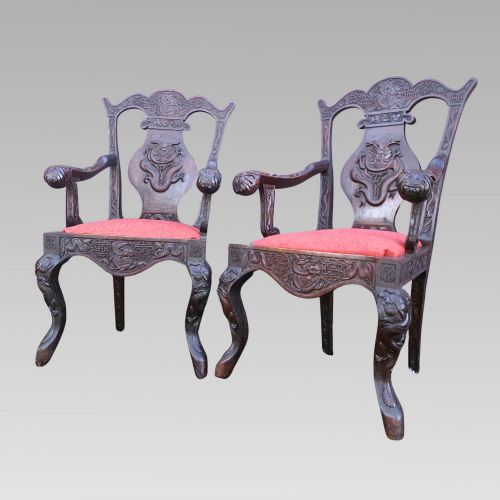
Carved Hardwood Dragon
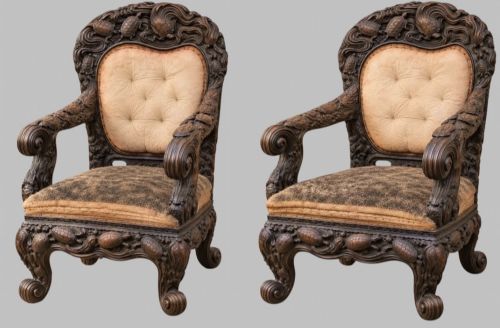
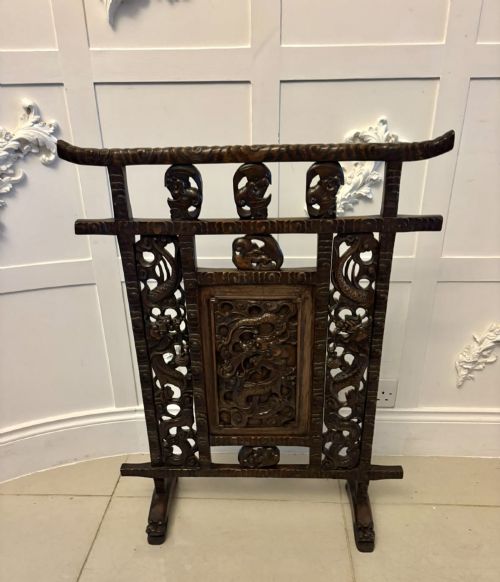
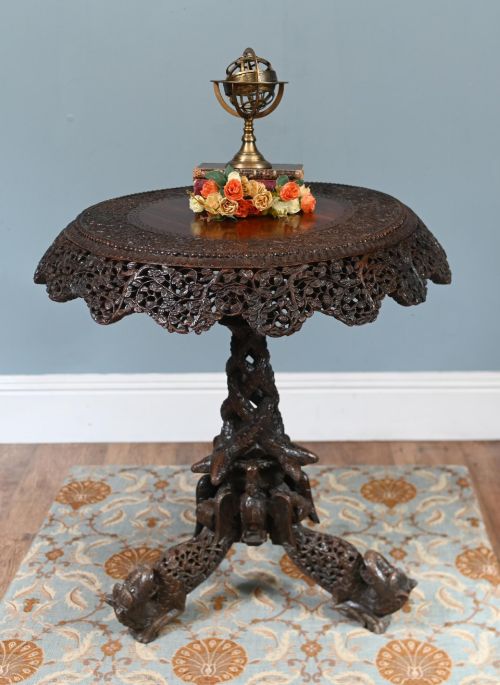
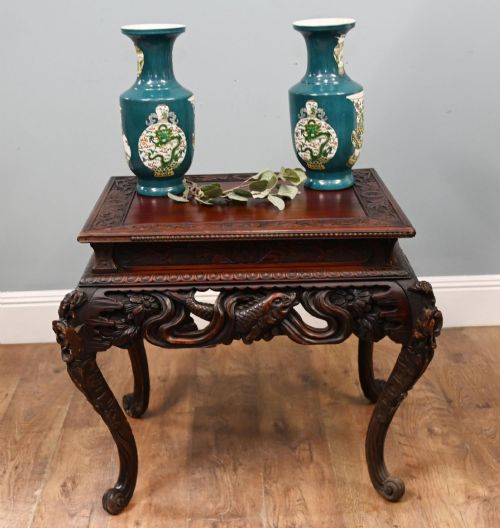
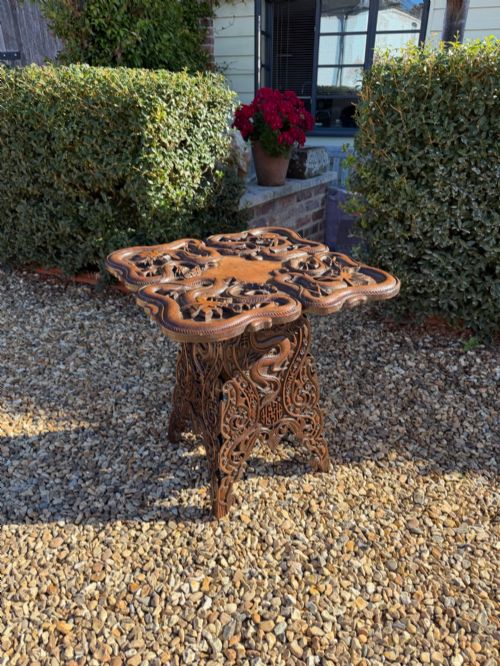
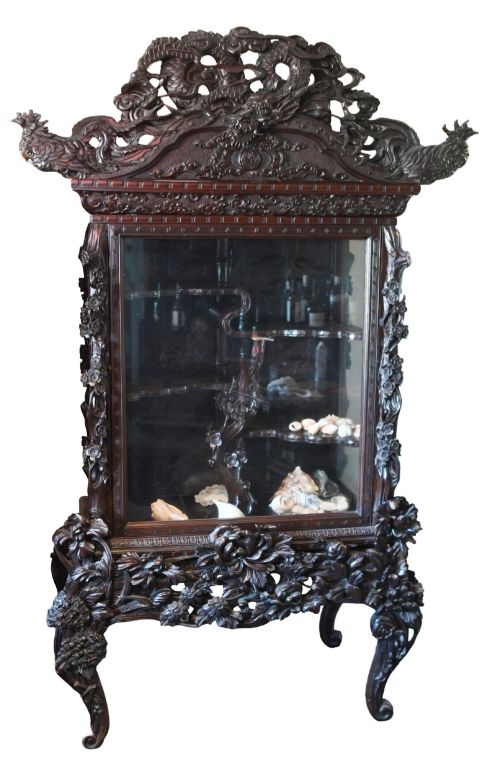
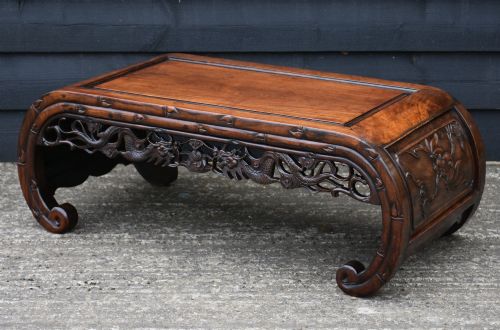
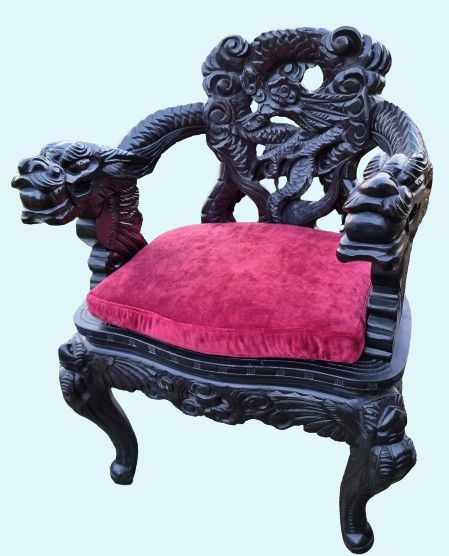
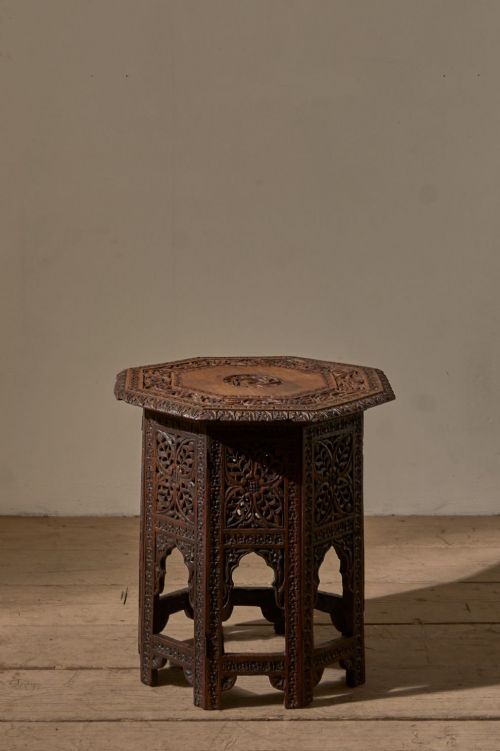
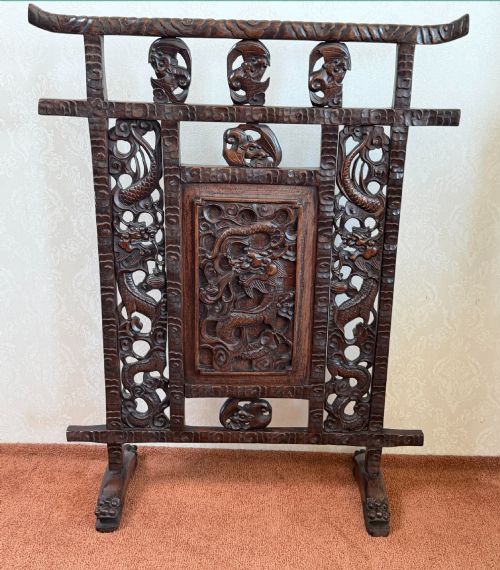
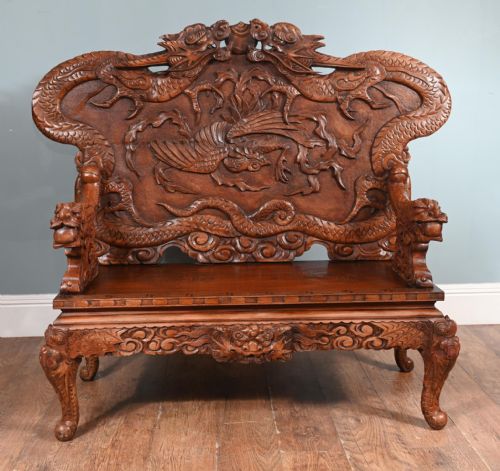
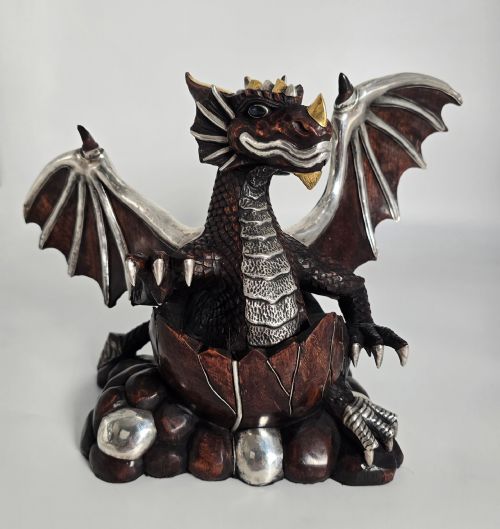
These pieces of carved hardwood dragon furniture bring fierce mythical energy into a room through intricate oriental woodwork.
Carved Hardwood Dragon
A carved hardwood dragon search covers substantial seating, low tables, and display stands originating from Asian export workshops and domestic rooms. You meet armchairs, benches, side tables, and screens bearing writhing mythical beasts.
The forms span the nineteenth century and early twentieth century, taking shape as rosewood low tables, teak armchairs, and walnut occasional stands. Chinese export and Qing dynasty styles dominate the selection.
Makers applied deep relief carving to dense timbers, rendering scales and claws with heavy definition around tabletops, chair crests, and cabinet panels.
Materials and construction methods
Carpenters utilised dense tropical timbers including rosewood, teak, padauk, and walnut to support deep, undercut relief work without splintering. These heavy woods provided the stable density required for intricate claw and scale motifs.
Joinery relied on traditional mortise and tenon frames, allowing large panels and screens to hold their shape across seasonal temperature shifts. Artisans combined carved solid timber with occasional brass mounts, glass inserts, and cinnabar lacquer surfaces.
Carved Hardwood Dragon Retail Price Guide 2026
Typical asking prices for carved hardwood dragon among the pieces listed under this phrase on Sellingantiques today, from the lower quarter to the upper quarter. They describe what is for sale here now, not the wider market.
Assessing quality in carved dragon furniture
Depth and undercut sharpness define the carving standard, separating crisp, muscular dragon forms from shallow, flat surface impressions. Superior pieces show expressive claws and scales that stand entirely free from the background timber.
Timber selection and structural integrity govern longevity, with choice rosewood and teak exhibiting rich grain variation and tight joinery. Inferior examples show clumsy repairs or loose joints where heavy carved elements meet the frame.
The Carved Hardwood Dragon Glossary
- Hardwood
- Dense slow-growing timber such as rosewood, teak, or padauk. These heavy woods resist dents and hold fine chisel marks.
- Chinoiserie
- European artistic interpretation of Chinese decorative motifs. Artisans applied these styles to furniture and lacquerwork.
- Qing Dynasty
- The final imperial dynasty of China, lasting from 1644 until 1912. Furniture from this era often incorporates elaborate dragon carving.
- Meiji Period
- A period of Japanese history spanning from 1868 to 1912. Cabinetry and woodwork from this time show exceptional joinery.
- Torchiere
- A tall decorative stand or floor lamp designed to hold a light source. These pieces elevate lanterns or lamps above furniture level.
Carved Hardwood Dragon: Frequently Asked Questions
How do I identify Chinese export dragon furniture?
Look for dense tropical hardwoods like rosewood or teak carved with traditional imperial dragon motifs. These pieces often feature deep undercutting and sturdy joinery built for Western markets.
Examine the style and construction details to distinguish export pieces from later reproductions. Nineteenth-century examples display authentic patina and hand tool marks across the timber grain.
Where should I place a carved hardwood table?
Position these low tables or side stands where adequate lighting highlights the depth of the carved dragon motifs. They function well as central coffee surfaces or lamp tables against plain walls.
Keep the timber away from direct heat sources and strong sunlight to prevent the dense hardwood from drying out or splitting over time.
How do I care for antique rosewood furniture?
Dust the carved surfaces regularly with a soft, dry brush to remove particles trapped within the dragon scales and crevices. Avoid applying modern silicone polishes that build up a sticky residue.
Maintain a stable indoor humidity level to protect the dense timber and prevent historic joinery from shifting or loosening.
What is the difference between a low table and an opium table?
Opium tables sit very low to the ground and traditionally served ceremonial or social functions in domestic spaces. Standard low tables share similar compact heights but serve general display or tea-holding purposes.
Both forms utilise heavy hardwood construction and frequently incorporate dragon carvings along the aprons and legs.