


Carved Gold Lamps
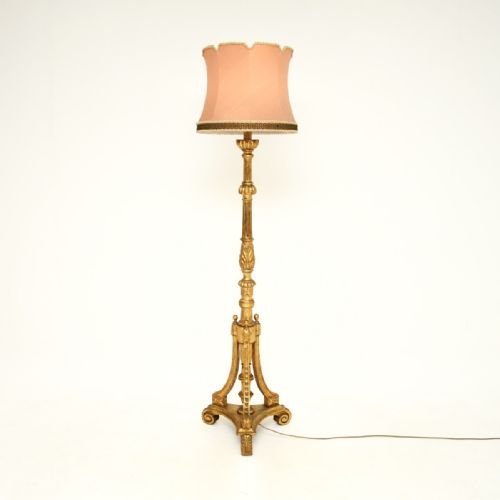
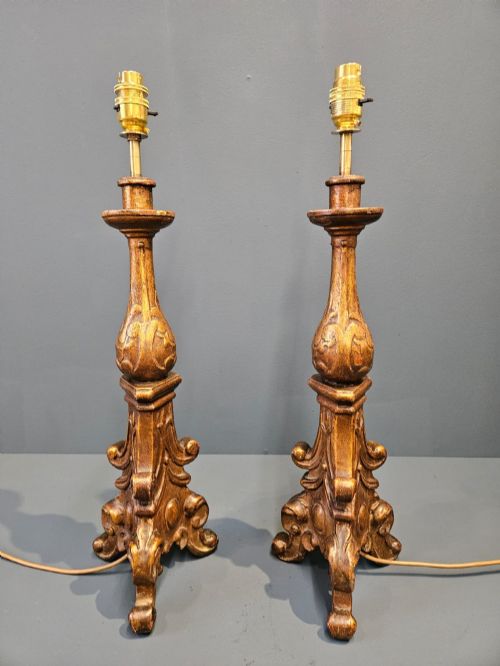
Carved gold lamps bring warmth and architectural presence to a room, ranging from grand floor standards to delicate table bases.
Carved Gold Lamps
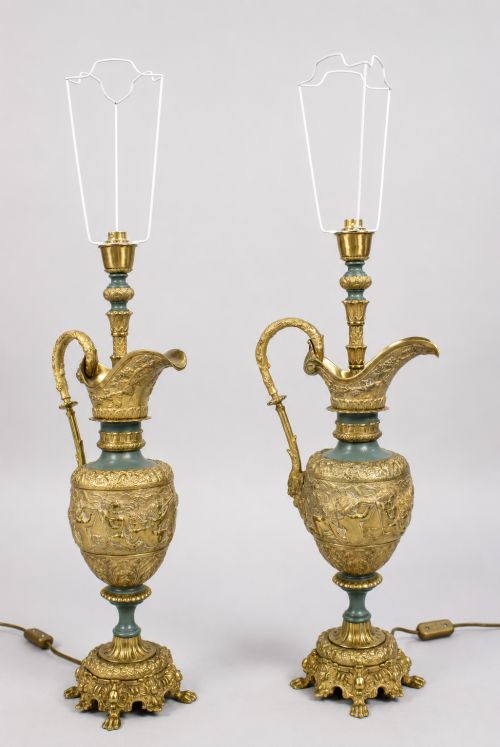
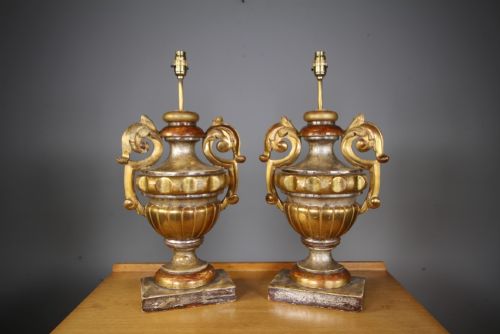
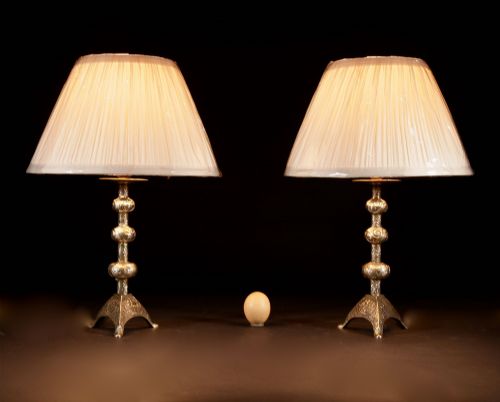
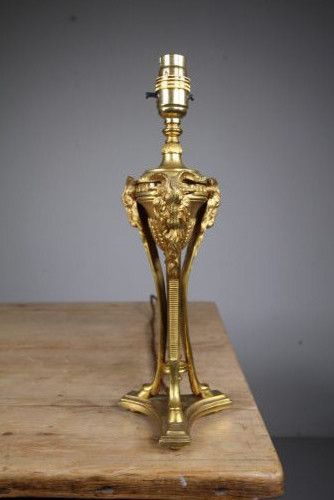
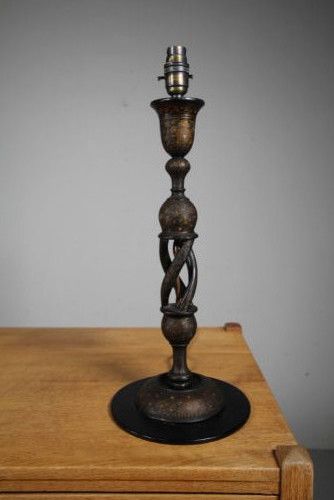
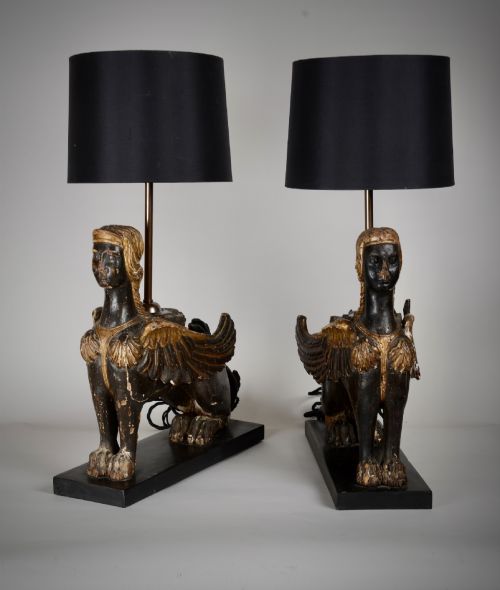
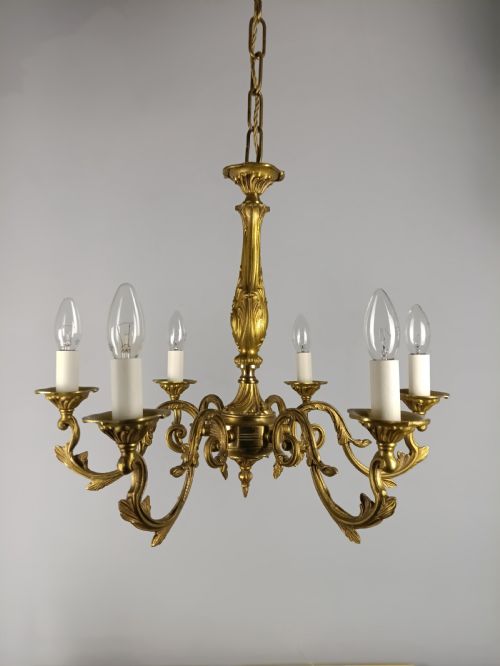
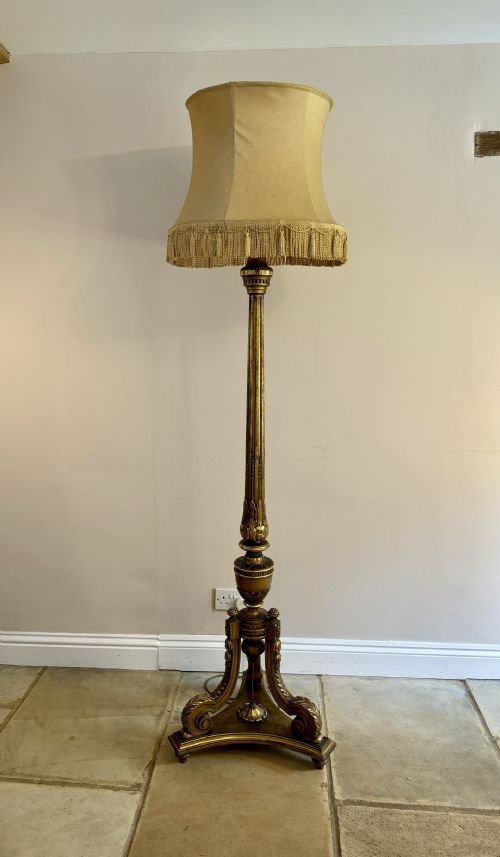
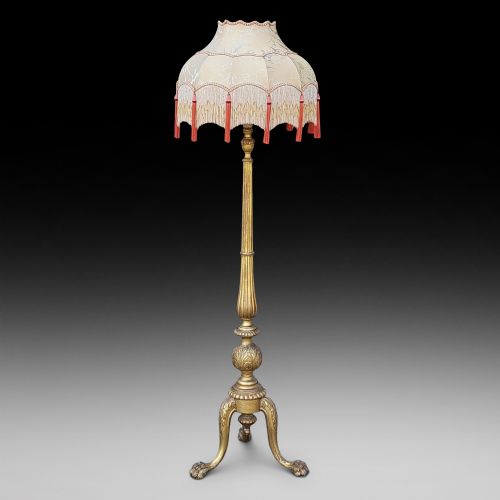
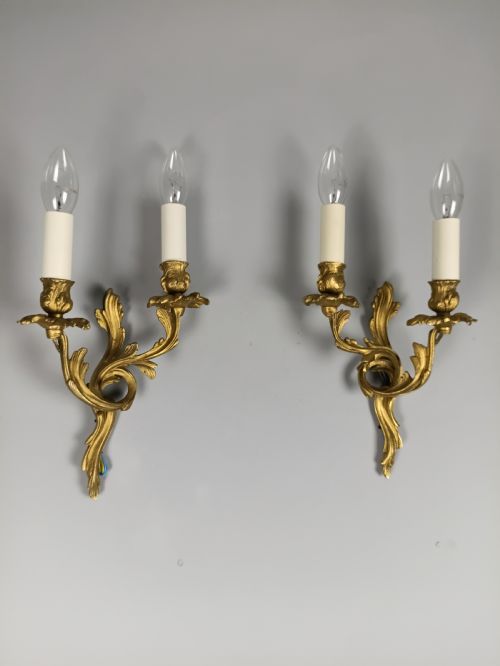
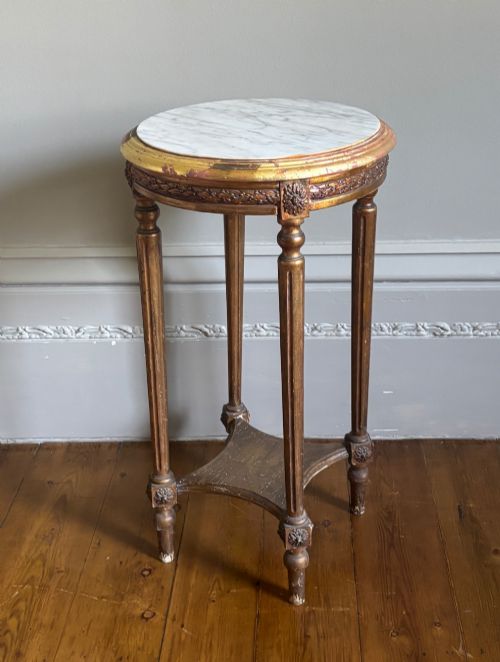
When searching for carved gold lamps, buyers encounter items fashioned primarily from giltwood, gilt brass, and ormolu dating from the eighteenth century through to the early twentieth century. The selection leans heavily towards standard floor lamps, table lamps, and converted candlesticks executed in classical European styles.
The dominant aesthetic draws upon French Rococo, Italian Baroque, and Neoclassical traditions, often reflecting revival periods such as the Victorian and Edwardian eras. Pieces range from slender twist columns to ornate figures on stands and classical urn forms.
Materials and construction
Maker construction relies on carving timber such as pine before applying layers of gesso and gold leaf or surface gilding. Metal variants utilise cast brass, ormolu, and gilt metal, sometimes incorporating marble elements for weight and contrast.
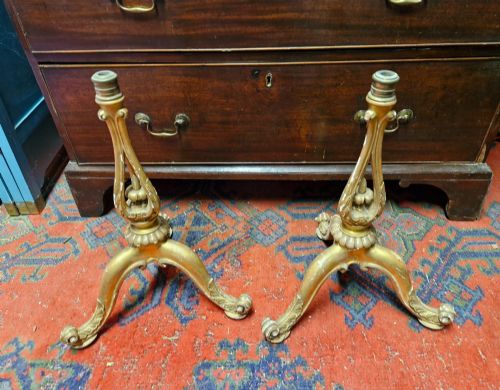
Surface finishes involve traditional techniques including water gilding and oil gilding over prepared grounds. Many items began life as candlesticks, altar ornaments, or architectural fittings before undergoing conversion for electrical illumination.
Current listings feature materials spanning giltwood, brass, fabric, wood, gold leaf, marble, gesso, and metal across multiple centuries.
Evaluating craftsmanship
Quality rests upon the crispness of the initial wood carving or metal casting and the depth of the gilding technique. Finer examples display hand-tooled detail and subtle burnishing that catches the light differently across flat and curved surfaces.
The integrity of the underlying material and the preservation of the original surface patination dictate desirability. Pieces retaining their early or original polychrome and gilding finish command greater attention from discerning collectors.
The Carved Gold Lamps Glossary
- Giltwood
- Timber that has been coated with gold leaf or gold paint over a prepared base. This technique was widely utilised across furniture and decorative lighting during the eighteenth and nineteenth centuries.
- Ormolu
- Finely chased and gilt bronze popular in French decorative arts. The process involves applying a mercury and gold amalgam to brass or bronze before heating.
- Gesso
- A plaster mixture applied to carved wood to provide a smooth surface for gilding. It allows craftsmen to achieve sharp, intricate details before applying gold leaf.
- Standard lamp
- A tall floor-standing lamp designed to provide ambient illumination. These often take the form of carved columns or Corinthian posts.
- Parcel gilt
- A decoration method where only specific portions of an object are gilded while the rest remains painted or exposed. This highlights particular carved details and architectural motifs.
Carved Gold Lamps: Frequently Asked Questions
How do I date a carved gold lamp?
Dating relies on observing the stylistic vocabulary, wood types, and the method of gilding applied to the surface. Eighteenth and nineteenth-century examples often display hand-carved details and organic wear patterns that differ from later revival pieces.
Hardware components, wiring channels, and conversion evidence also offer clues regarding the age of the piece and its original function as a lighting device or candlestick.
Were these always lamps?
Many items found in this category started life as altar candlesticks, torchères, or architectural fittings before being adapted for electricity. Conversions are a standard part of their history and do not detract from their decorative merit.
Adapting antique bases allows historical objects to continue functioning in contemporary domestic settings while retaining their original aesthetic character.
How do I clean a gilt surface?
Dusting gently with a dry, soft brush is the safest method to maintain gilded surfaces. Moisture and chemical cleaners can strip delicate gold leaf or damage the underlying gesso.
Professional restoration is recommended if the gilding suffers from flaking or significant loss over time.
What is the difference between giltwood and ormolu?
Giltwood refers to carved timber treated with gold leaf, whereas ormolu describes gilded cast bronze or brass. Giltwood offers a warmer, softer texture suited to large floor standards and wall sconces.
Ormolu provides sharper metallic definition and weight, frequently appearing on smaller table lamps and decorative mounts.