



Carved Giltwood Base
A carved giltwood base brings architectural presence and gilded warmth to a room, supporting console tables, lamps and cabinets with historic craftsmanship.
Carved Giltwood Base
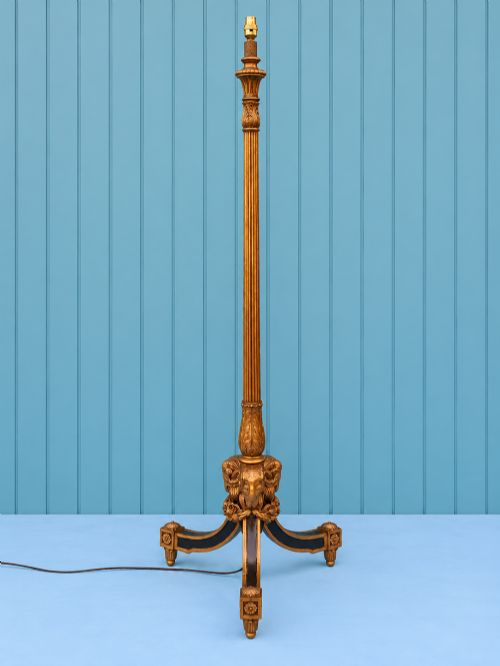
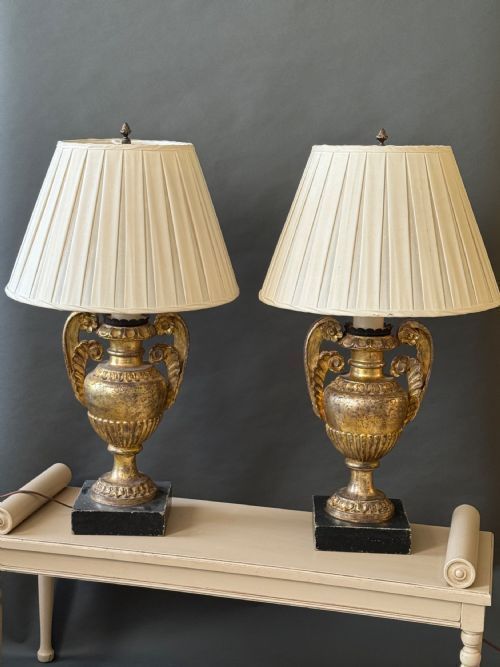
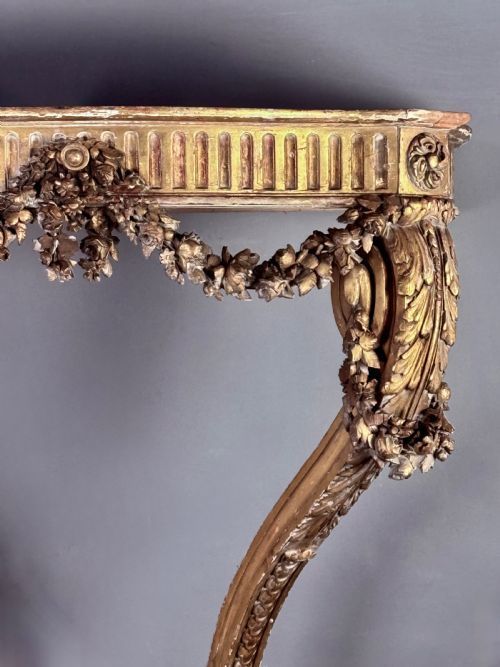
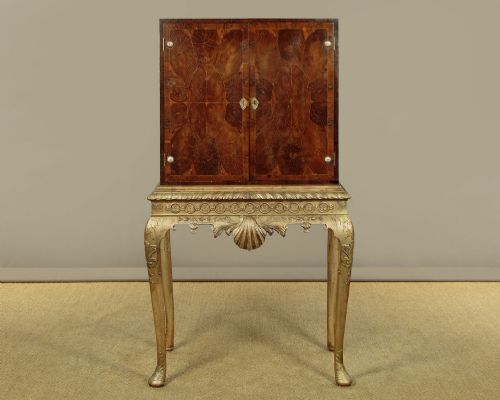
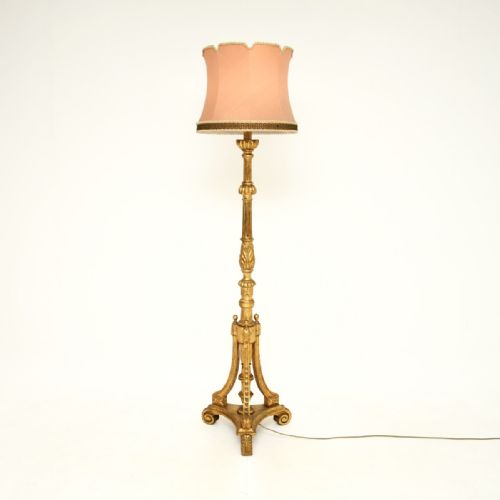
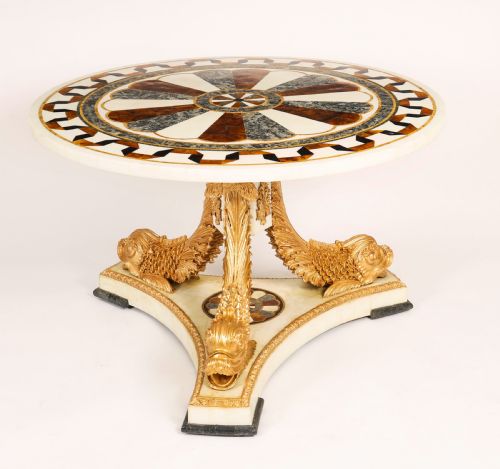
A carved giltwood base forms the structural and decorative foundation for furniture pieces such as console tables, cabinets, and standard lamps. When you search for a carved giltwood base, you encounter substantial support structures shaped by carvers and gilders across several centuries.
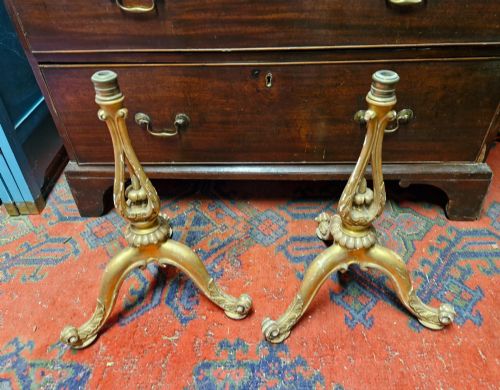
The selection ranges from tall standard lamps and altar candlesticks to console table bases and cabinets on stands. Nineteenth-century French and Italian examples appear frequently alongside Regency, Georgian, and early twentieth-century revivals.
Many items derive from larger furnishings, such as console tables or torchères, transformed over time into independent bases for display or lighting. Neoclassical, Baroque, and Rococo styles dominate the designs, utilising motifs like dolphins, swans, and classical foliage.
Assessing quality
The depth and crispness of the hand carving separate master carvers from standard production workshops. Sharp undercut foliage and expressive animal figures indicate superior skill compared to softer, more rounded contours.
The integrity of the original gesso and gold leaf surface determines the visual impact of the piece. Traces of burnished gold over red bole ground show traditional application methods that wear differently than modern metallic paints.
Carved Giltwood Base Retail Price Guide 2026
Typical asking prices for carved giltwood base among the pieces listed under this phrase on Sellingantiques today, from the lower quarter to the upper quarter. They describe what is for sale here now, not the wider market.
Materials documented across the inventory include solid wood, gesso, marble, brass, and gold leaf.
Felix-Alfred Ternisien
The Carved Giltwood Base Glossary
- Giltwood
- Wood that has been coated with gold leaf or a gold-coloured finish. This material creates a brilliant reflective surface prized in formal interior decoration.
- Gesso
- A plaster mixture applied to wood as a base for gilding and painting. It provides a smooth surface that carvers could refine before applying gold leaf.
- Pricket stick
- A candlestick featuring a central spike to hold a candle rather than a socket. These items often find new life as lamp bases.
- Neoclassical
- A style drawing inspiration from classical antiquity, featuring symmetrical lines and motifs like urns and swags. This aesthetic heavily influences nineteenth-century Italian and French bases.
- Curule stool
- An ancient Roman chair shape featuring intersecting curved legs, adapted into nineteenth-century Italian seating supports. These X-frame bases carry giltwood and gesso decoration.
Carved Giltwood Base: Frequently Asked Questions
What is a carved giltwood base?
A carved giltwood base is a wooden support structure coated in gold leaf or gilt, designed to hold furniture tops, cabinets, or lighting fixtures. These pieces range from console table frames to standard lamp columns.
Craftsmen shaped the wood with sculptural details before applying gilding to create an opulent reflective finish. They serve both a structural purpose and a decorative role in traditional interiors.
How do I distinguish eighteenth-century pieces from later revivals?
Eighteenth-century examples display the tool marks, wear patterns, and specific carving depth characteristic of period workshops. Eighteenth-century pieces also utilise traditional ground layers under the gold leaf that differ from later applications.
Revival pieces from the nineteenth and twentieth centuries often copy these earlier Baroque and Neoclassical styles. Examining the wood species, joinery methods, and wear helps clarify the exact period.
Can I use an antique candlestick base for modern lighting?
Many altar candlesticks and pricket sticks have been wired as lamp bases over the decades. Their substantial height and carved giltwood columns suit placement on side tables or floors.
Converting these pieces preserves their decorative function while adapting them to modern lighting needs. The process respects the historic wooden structure while adding necessary electrical components.
How do I care for giltwood surfaces?
Giltwood requires gentle dusting with a soft, dry cloth to prevent damage to the delicate gold leaf layer. Moisture and chemical cleaners strip the historical finish from the wood beneath.
Placing these bases away from direct sunlight and temperature fluctuations protects the gesso and wood from cracking. Careful handling preserves the gilded surface for future generations.