
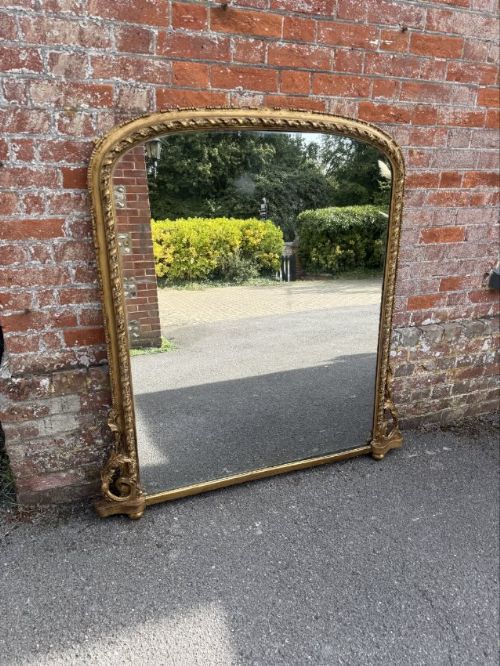
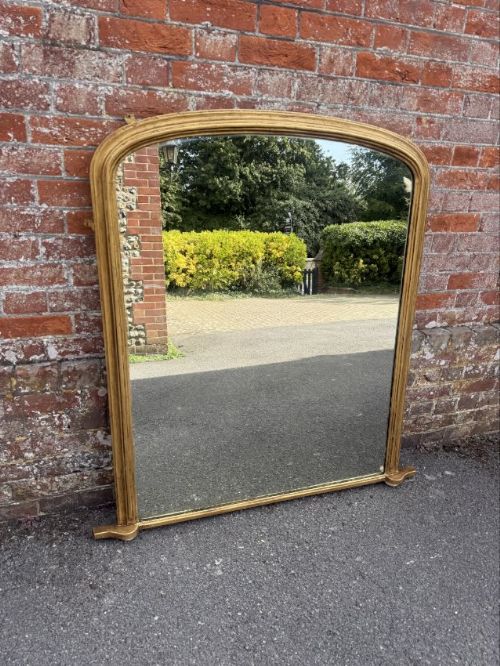
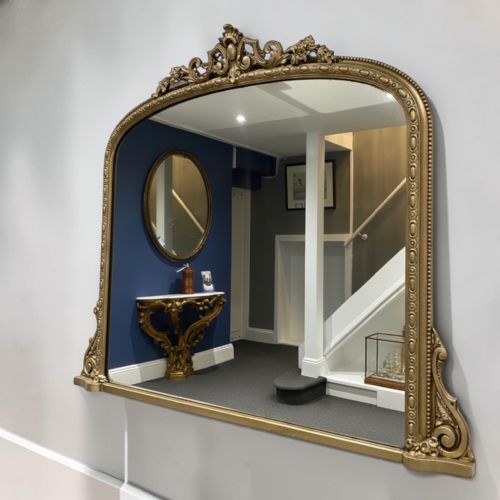
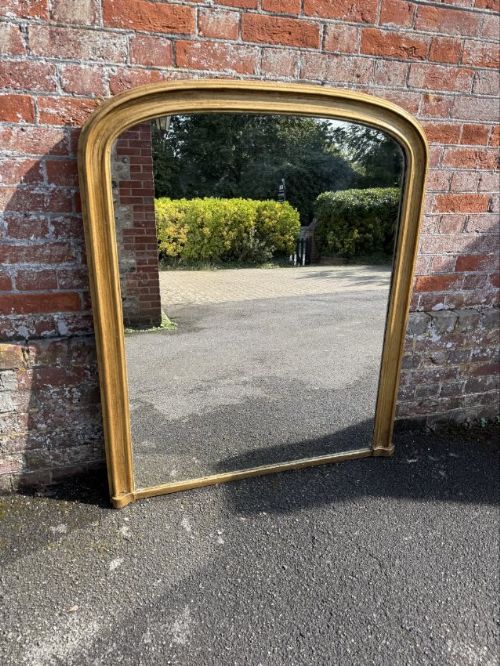
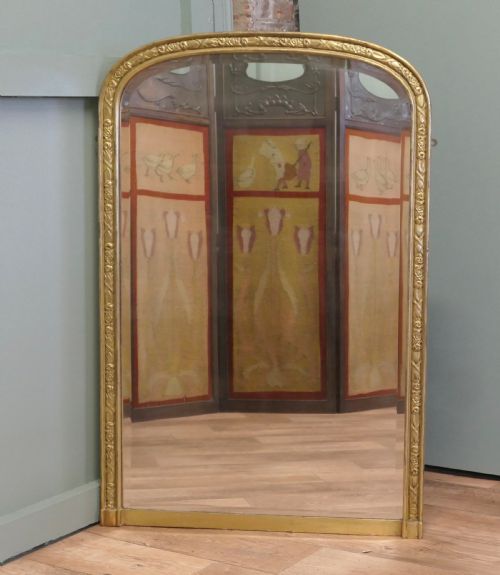


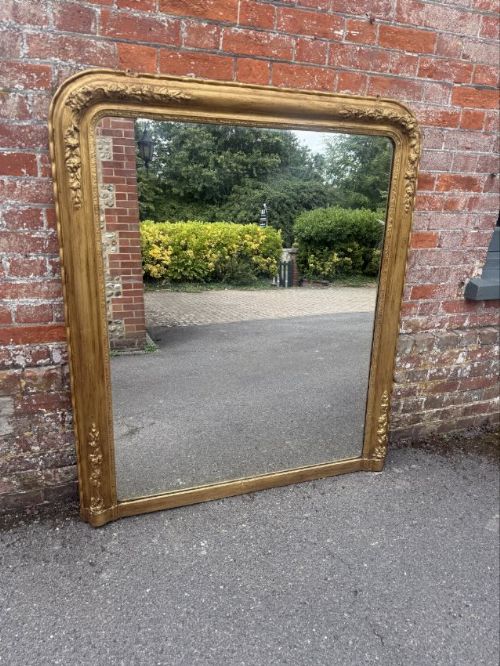
Carved Gilt Arch Mirror
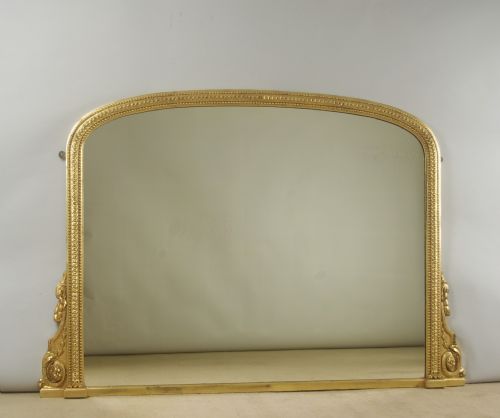
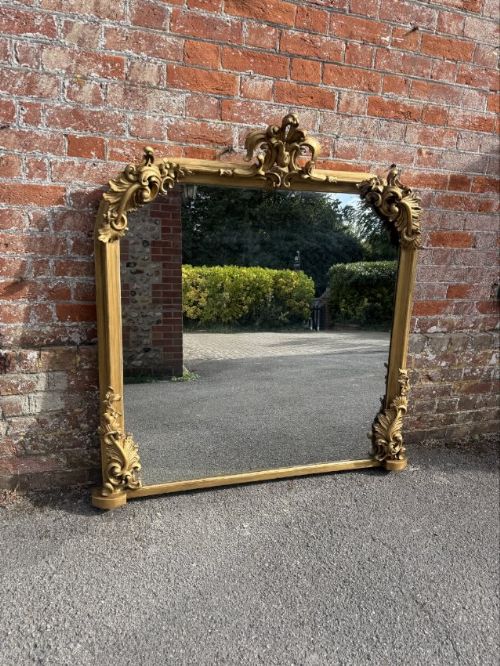
A carved gilt arch mirror brings warmth and sweeping Victorian presence to a room, reflecting light from a grand scale.
Carved Gilt Arch Mirror
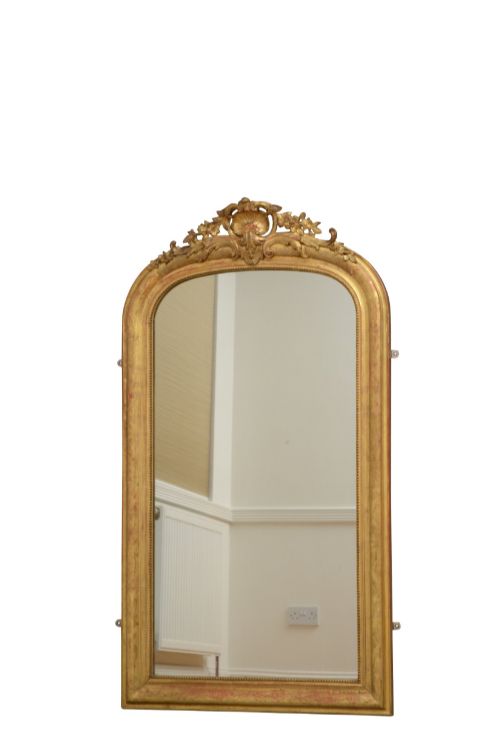
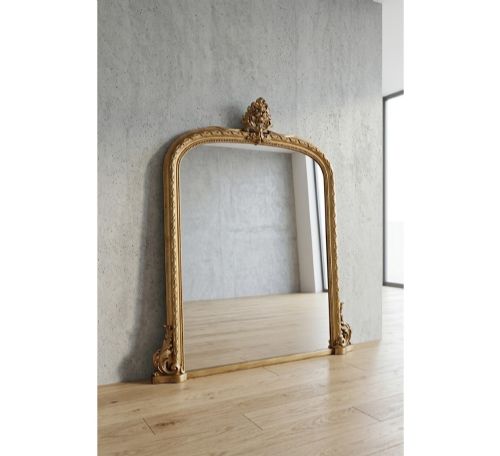
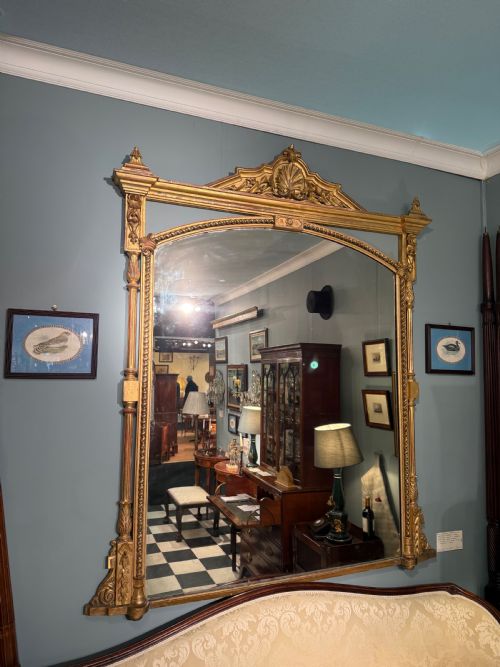
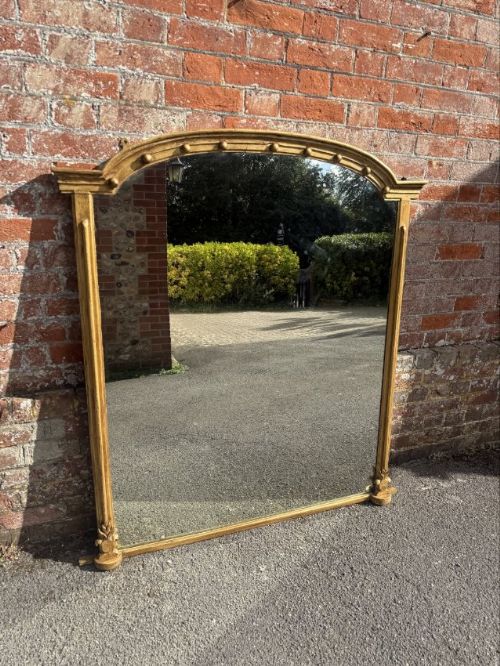
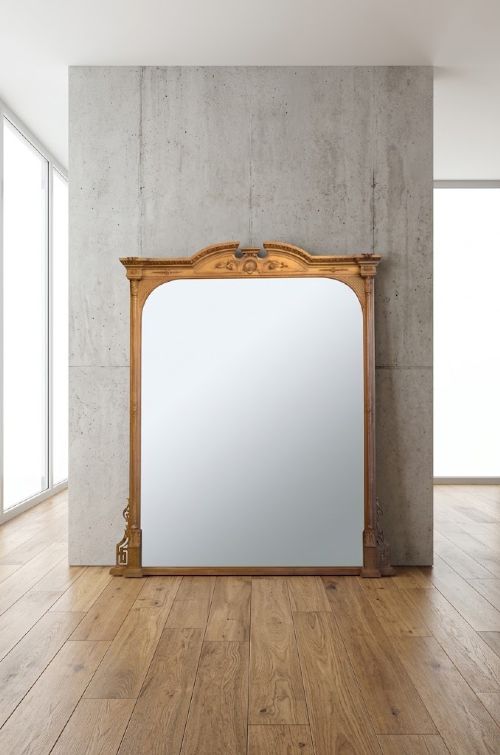
When searching for a carved gilt arch mirror, you encounter substantial overmantel and wall-hanging examples dating principally from the nineteenth century. These pieces feature prominent curved tops, designed historically to sit above domestic fireplaces or anchor large wall spaces.
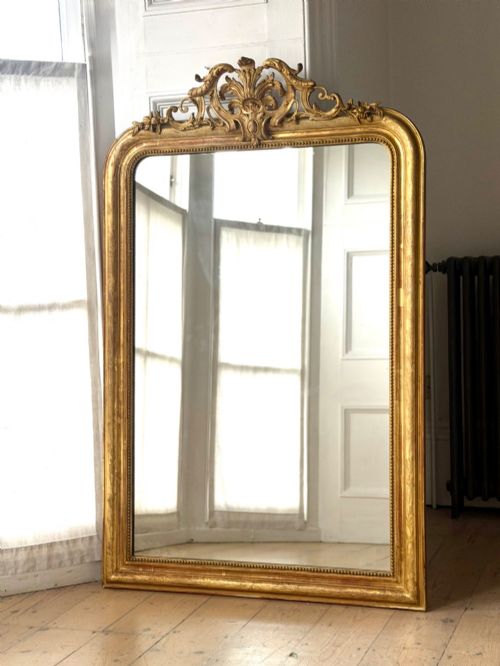
The selection ranges from robust English architectural frames to refined French Louis Philippe and Rococo Revival models. Most surviving pieces date from the Victorian era, utilising generous proportions and arched wooden structures built to command a room.
How They Were Made
Traditional construction relies on a carved wooden base built from timber, overlaid with a fine layer of gesso to receive intricate surface detail. Craftsmen then applied gold leaf or composition to achieve the brilliant metallic finish characteristic of the period.
Frames frequently incorporate moulded decorations such as rope twists, tulip motifs, or ribbed framing applied directly to the gesso. The heavy mirror glass is traditionally secured from behind, often retaining its original historic backing boards and silvering characteristics.
Several mirrors include nautical rope-twist carvings, bringing a surprising maritime touch to traditional domestic overmantels.
What Varies in Quality
Quality reveals itself in the crispness of the carved wooden ornament and the depth of the gesso modelling beneath the gilding. Superior examples display hand-carved details with sharp relief rather than heavily moulded composition ornaments.
The preservation of the original gold leaf and the integrity of the curved frame structure distinguish finer items from later replacements. Original mirror glass with authentic foxing adds historical depth that distinguishes exceptional decorative pieces.
The Carved Gilt Arch Mirror Glossary
- Gesso
- A plaster-like mixture applied to wooden frames to provide a smooth base for gilding. It allows craftsmen to carve intricate relief details before applying gold leaf.
- Giltwood
- Timber that has been gilded with gold leaf. This material provides the bright, reflective metallic surface seen on period frames.
- Overmantel
- A large mirror specifically designed to hang on the wall directly above a fireplace mantelpiece. These pieces often feature wide proportions and arched tops.
- Louis Philippe
- A nineteenth-century French style characterised by understated elegance, rounded upper corners, and simple moulded frames. It offers a softer alternative to ornate revival styles.
- Composition
- A moulded paste of whiting, resin, and oil pressed into ornament shapes. It was frequently used alongside hand carving on Victorian frames.
Carved Gilt Arch Mirror: Frequently Asked Questions
Where should I hang a large arch mirror?
These pieces traditionally anchor the space above a fireplace mantel, where their height draws the eye upward. They also function effectively as floor-standing leaner mirrors in hallways or principal reception rooms.
Their substantial scale requires secure wall fixings tied directly into structural studs or masonry. Positioning them opposite a window maximises natural light distribution across the room.
How do I identify a Victorian example?
Victorian pieces typically feature heavier timber construction combined with moulded gesso decoration and deep arched frames. They often incorporate distinctive motifs such as rope twists or ribbed borders.
Examining the rear construction reveals period fixings, older backing boards, and hand-cut screws. Makers from this era favoured grand proportions designed for formal Victorian drawing rooms.
Are French mirrors different from English ones?
French examples, particularly those in the Louis Philippe style, generally present cleaner lines with gentle rounded upper corners rather than steep structural arches. They often rely on subtle framing rather than heavy relief carving.
English variants from the same period lean towards robust overmantel formats with elaborate gesso ornamentation. Both traditions utilise gold leaf over wooden carcases but express distinct regional aesthetic priorities.
Can these mirrors stand on the floor?
Many tall nineteenth-century examples function successfully as leaner mirrors when placed directly on the floor against a wall. Their considerable weight and height provide stable vertical presence without requiring high wall brackets.
When utilising a mirror in this manner, securing a discreet floor stop prevents accidental movement. This placement highlights the full sweep of the arched top at eye level.