

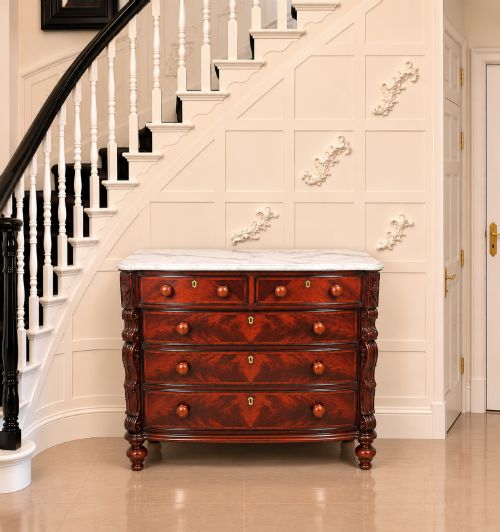
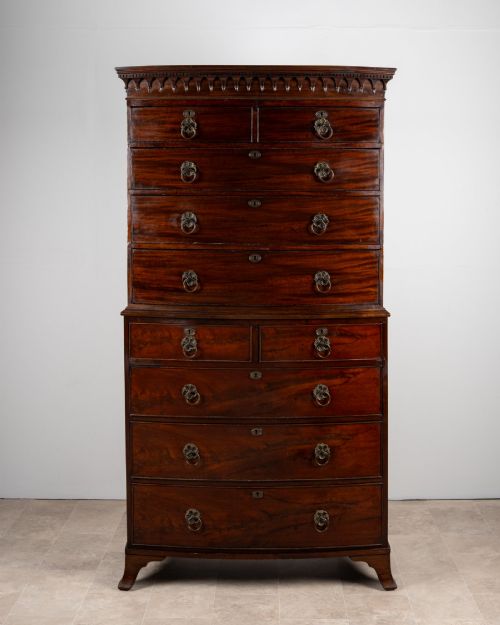
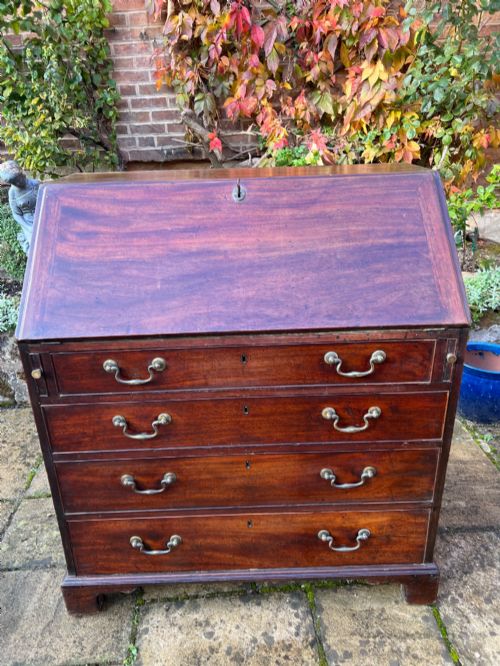
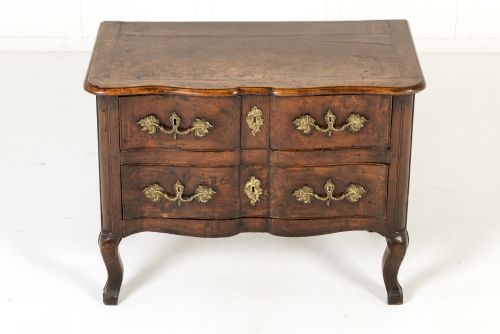
Carved Front Drawers
Carved front drawers bring distinct texture and depth to furniture, offering storage shaped by period handwork and rich timber.
Carved Front Drawers
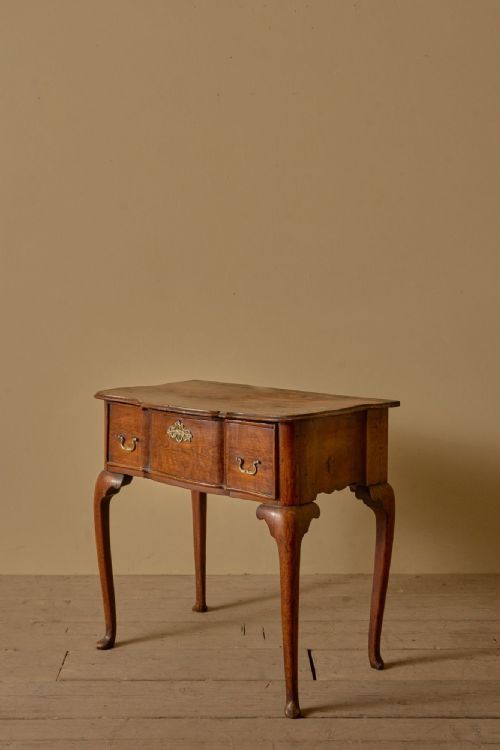
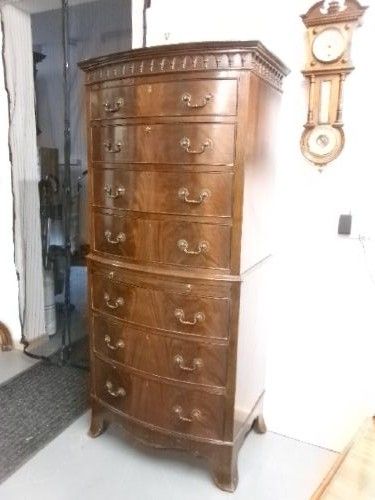
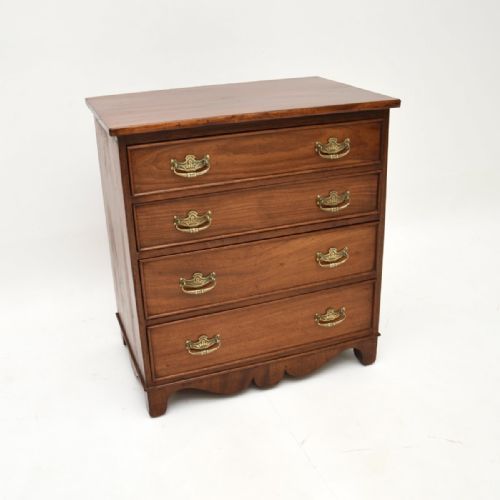
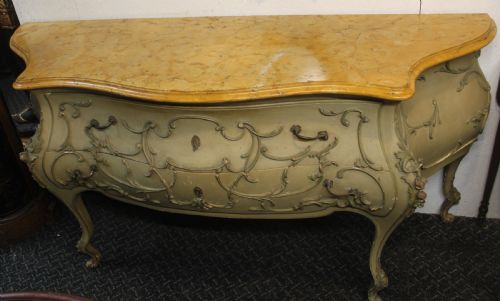
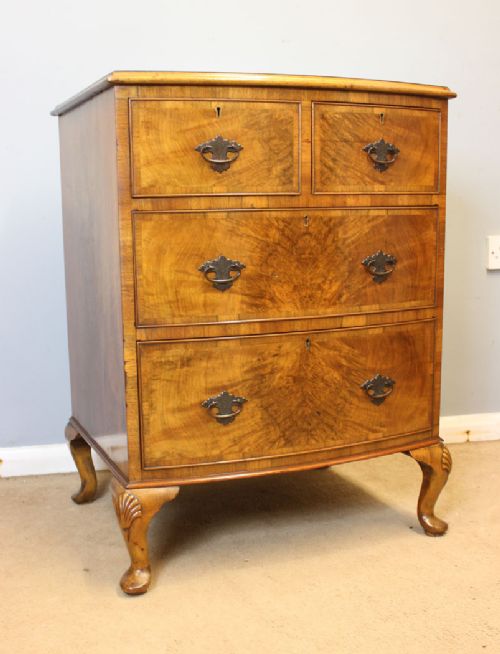
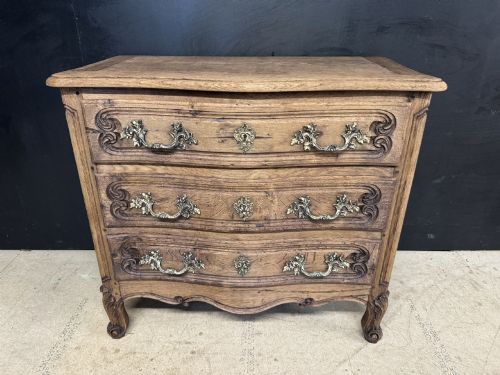
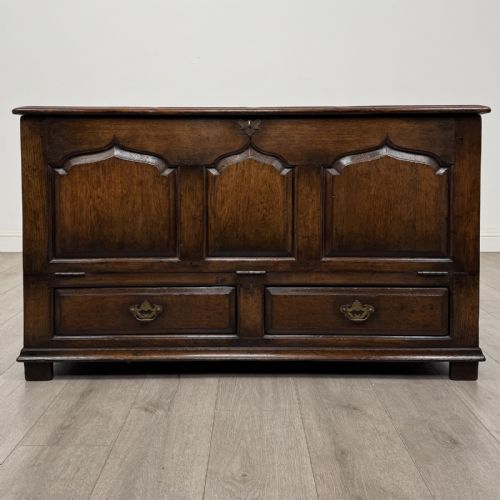
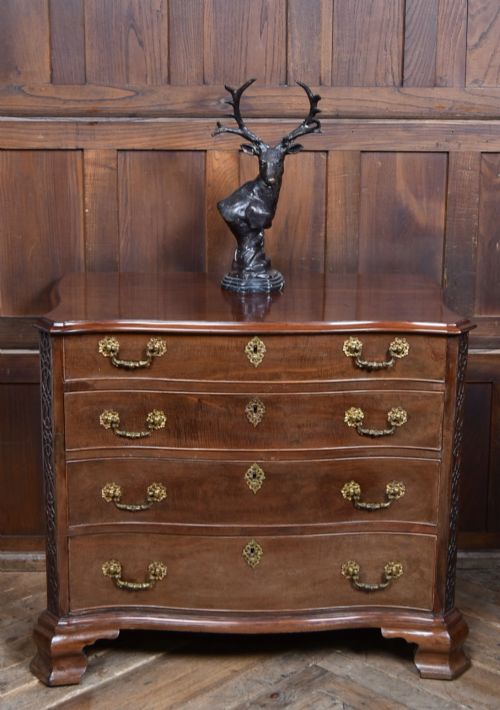
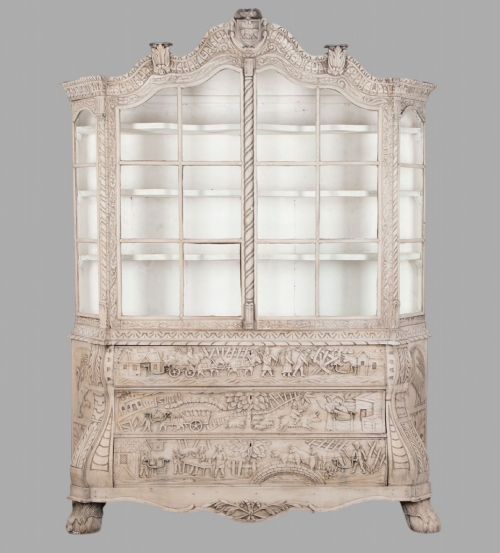
When searching for carved front drawers, buyers encounter a diverse selection of storage pieces spanning multiple centuries and regional workshops. The inventory reflects robust forms designed for practical household use, ranging from early oak chests to later walnut and mahogany commodes.
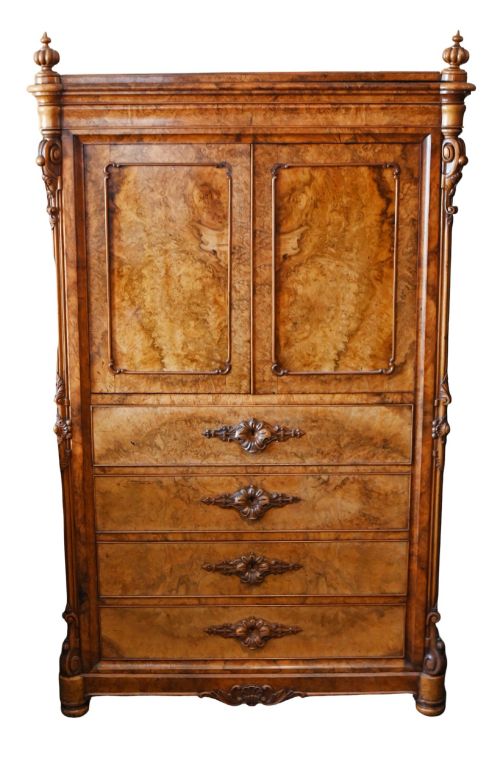
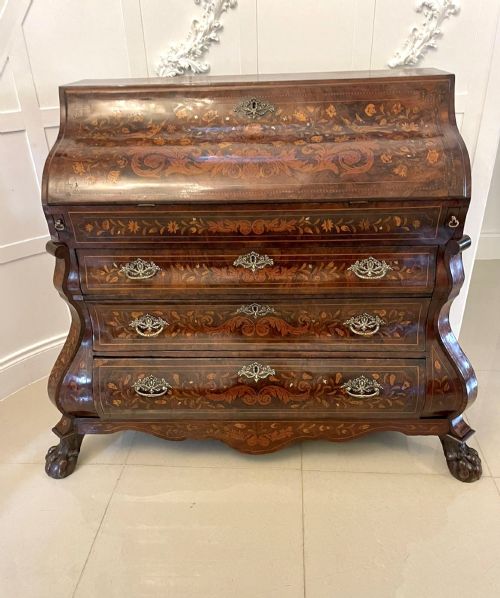
The most frequent examples appearing on this page include chests of drawers, bureaux, and commodes featuring shaped, serpentine, or panelled fronts. These items originate from British, French, and Swedish traditions, demonstrating how different cultures approached surface decoration on storage furniture.
Earlier periods provide robust oak constructions with geometric mouldings, whilst later centuries introduce flowing serpentine shapes and figured veneers. Buyers select these items to anchor a room with functional antique furniture that carries visible craftsmanship.
How they were made
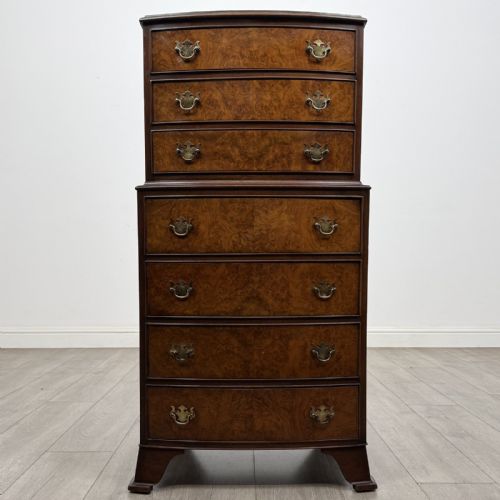
Cabinet makers relied primarily on solid timbers such as oak, mahogany, and walnut, frequently selecting burl or burr veneers to create striking grain patterns across the drawer fronts. Pine and painted wood also appear in regional pieces, particularly within French provincial and Swedish workshops.
Surface ornamentation involved hand-carving directly into solid wood, applying geometric mouldings, or executing floral marquetry and crossbanding. Brass handles and escutcheons were fitted by hand to complement the dense grains and shaped drawer profiles.
Carved Front Drawers Retail Price Guide 2026
Typical asking prices for carved front drawers among the pieces listed under this phrase on Sellingantiques today, from the lower quarter to the upper quarter. They describe what is for sale here now, not the wider market.
Listings feature periods from the 17th century up to the 1950s, using materials such as oak, mahogany, walnut, and pine.
What varies in quality
The distinction between standard domestic items and superior examples lies in the crispness of the carving and the selection of timber. Highly figured burr walnut or meticulously matched mahogany veneers require exceptional skill to apply across undulating serpentine surfaces.
Proportion and structural integrity dictate the standing of a piece, where secondary woods match the primary timber and drawers run smoothly within their housings. Subtle details such as thumb-moulded edges and original brass hardware elevate the overall resolution of the furniture.
The Carved Front Drawers Glossary
- Serpentine front
- A furniture front curving outward in the centre and inward at the sides, demanding precise woodworking to follow the undulating line.
- Bombe
- A swelling, convex shape characteristic of continental commodes and cabinets, creating a rounded profile that showcases rich veneer.
- Linenfold
- A style of wood carving that mimics folded fabric or linen, frequently seen on panels and drawer fronts of early oak pieces.
- Crossbanding
- A strip of veneer applied perpendicularly to the grain of the main surface, framing the drawer front with a contrasting border.
- Marquetry
- The art of creating decorative patterns by fitting together pieces of various coloured woods and veneers onto a solid foundation.
Carved Front Drawers: Frequently Asked Questions
What periods do these pieces come from?
The pieces span from the seventeenth century through to the mid-twentieth century, encompassing periods like the Georgian era, Victorian epoch, and Edwardian decades.
Early items lean heavily toward solid oak with geometric mouldings, whereas later decades favour figured walnut and serpentine mahogany.
How should I care for timber drawer fronts?
Maintain stable indoor humidity levels and keep wooden furniture away from direct heat sources to prevent timber from splitting or warping.
Apply a traditional beeswax polish periodically to nourish the grain and protect the historical finish without building up heavy residues.
Where were these pieces originally used?
These items served functional roles in bedrooms, parlours, and hallways as primary storage for clothing, linens, and writing materials.
Bureaux and secretaire desks combined writing surfaces with drawer storage for household correspondence and administration.
How do I distinguish oak from walnut pieces?
Oak exhibits a coarse, open grain with visible medullary rays, offering a heavy and durable structure typical of seventeenth and eighteenth-century regional furniture.
Walnut provides a darker, finer grain with rich figuring, often utilised for high-status commodes and decorative veneer work.