

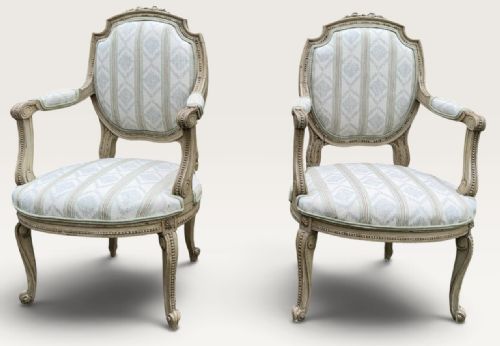
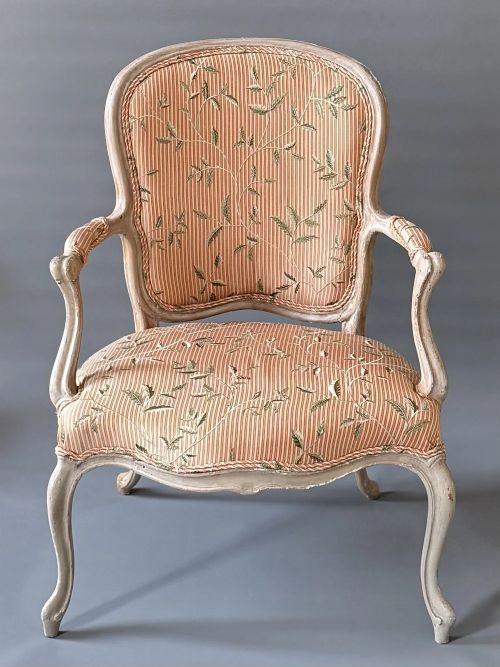
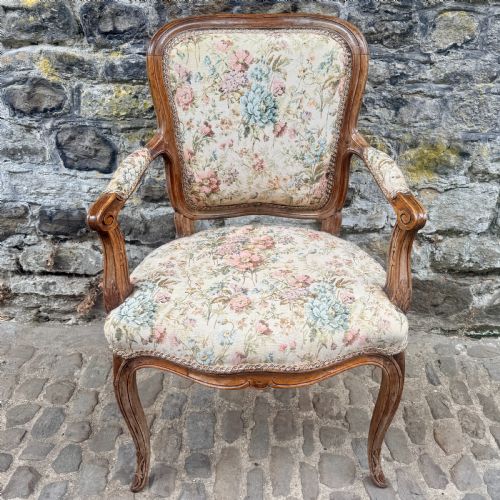
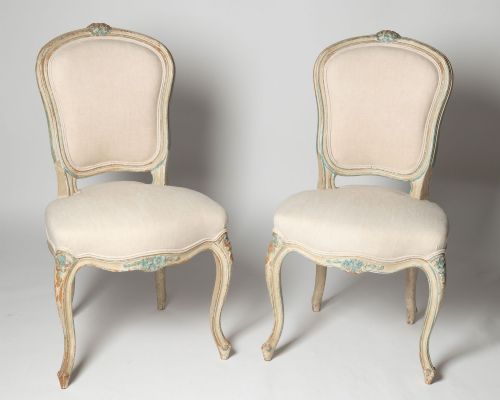
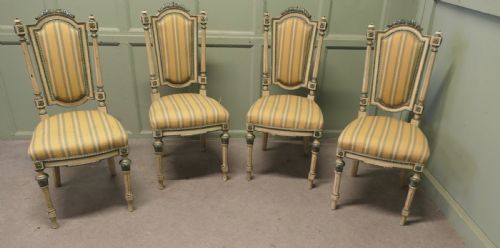
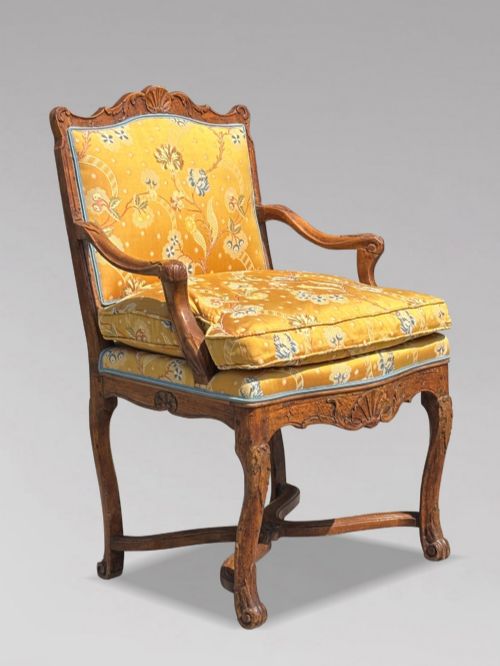
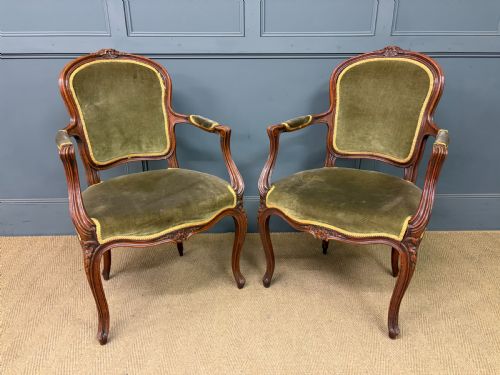
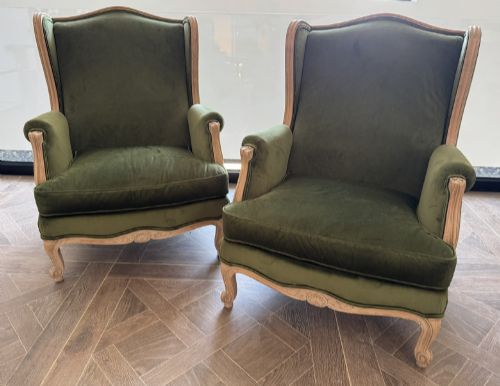
Carved French Provincial Chairs
These carved french provincial chairs bring provincial ease and classic regional craftsmanship into daily use.
Carved French Provincial Chairs
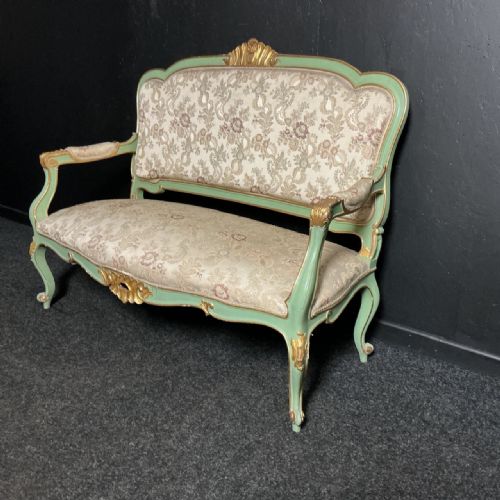
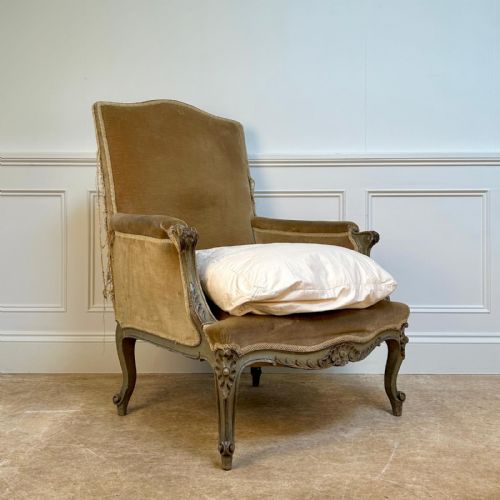
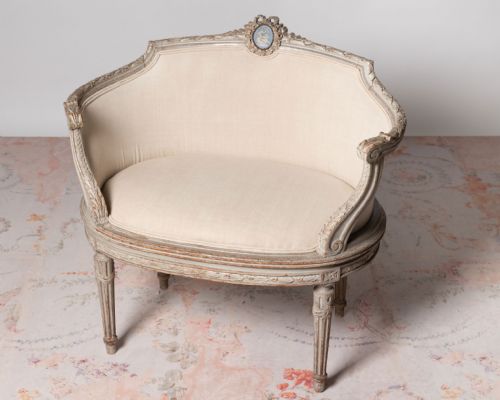
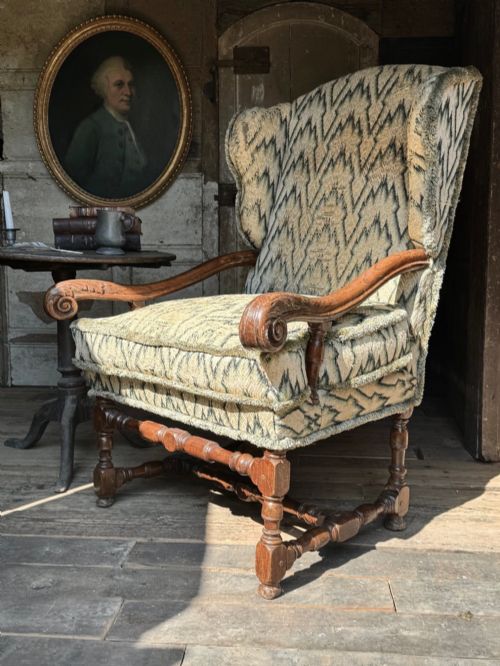
When you search for carved french provincial chairs, you encounter seating originating from regional workshops influenced by royal court aesthetics. These forms range from single armchairs and dining sets to small settees.
The pieces appearing here span multiple centuries, with numerous examples hailing from the eighteenth and nineteenth centuries alongside later revival pieces. Walnut, oak, and beech form the structural backbone of these regional seats.
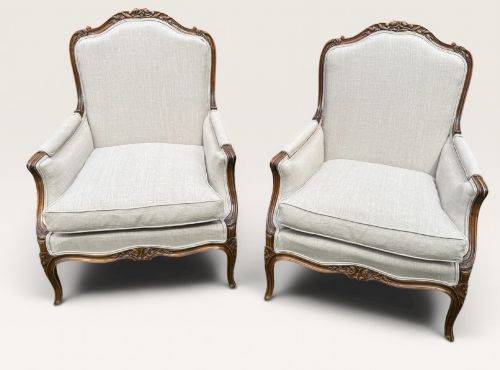
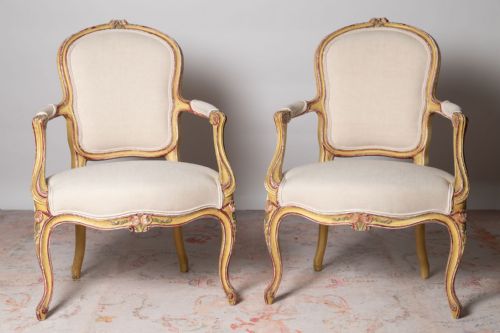
You will frequently find styles bearing Louis XV and Louis XVI design elements, such as curved cabriole legs and restrained carving. Armchairs, fauteuils, and bergères dominate the selection available to collectors.
Materials and construction methods
Cabinetmakers utilised solid timbers including walnut, oak, beech, and fruitwood to construct the frames. These woods were shaped using hand tools to create flowing curves and structural joints.
Carving was executed directly into the solid wood frames, detailing floral motifs, scrolls, and moulding. Surfaces were often finished with paint, natural wax, or left as polished timber.
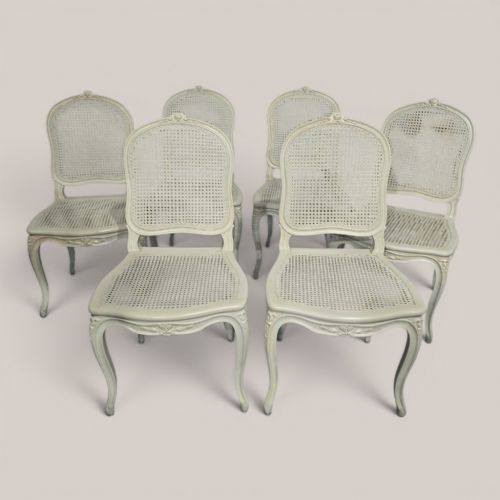
Upholstery techniques involved webbing and natural stuffing secured beneath linen, silk, or needlework textiles. Caning was also integrated into wooden frames for lighter seasonal seating.
Materials span solid walnut, beech, oak, and fruitwood paired with traditional textiles, silk, and woven caning.
Assessing quality and execution
The refinement of the hand carving distinguishes standard regional items from exceptional examples. Crisp execution in the floral motifs and mouldings shows the carver's direct skill.
Original surface treatments, such as early paint layers or patinated walnut, hold greater appeal than later refinishing. The integrity of the timber frame and joinery dictates structural longevity.
Upholstery choices and the preservation of textiles or caning influence the overall presentation. Period needlework or complementary silk fabrics enhance the authentic character of the seating.
The Carved French Provincial Chairs Glossary
- Bergère
- An enclosed armchair featuring upholstered sides and a loose seat cushion. These seats often incorporate cane panels in the wooden frame.
- Cabriole leg
- A furniture leg that curves outward and then tapers inward to a foot. This shape is characteristic of Louis XV style seating.
- Caning
- Woven rattan material used to form backrests and seats. It provides a lightweight and decorative alternative to solid upholstery.
- Needlework
- Hand-stitched textile work utilised for upholstery. Such covers often display floral or pastoral scenes appropriate for period seats.
Carved French Provincial Chairs: Frequently Asked Questions
How do I identify a true period piece?
Examine the timber construction, tool marks, and joinery methods visible on the underside and frame. Eighteenth and nineteenth-century items display hand-cut joints and appropriate wood shrinkage.
Style details such as carved motifs and leg shapes also align with specific historical design movements. Comparing the patination of the wood helps confirm age.
Can I use these chairs for daily dining?
Many dining chairs and sets are structurally sound for regular daily seating. Solid wood frames made from walnut or oak provide durable support.
Checking the stability of the joints ensures the seating handles daily use safely. Professional checks can reinforce older frames without altering their appearance.
How should I care for painted wooden finishes?
Dust surfaces gently with a soft, dry cloth to prevent accumulation. Avoid modern chemical polishes that can damage aged paint layers.
Keep the seating away from direct sunlight and steady heat sources to protect the wood and paint. Stable room conditions preserve both the timber and the original finish.