

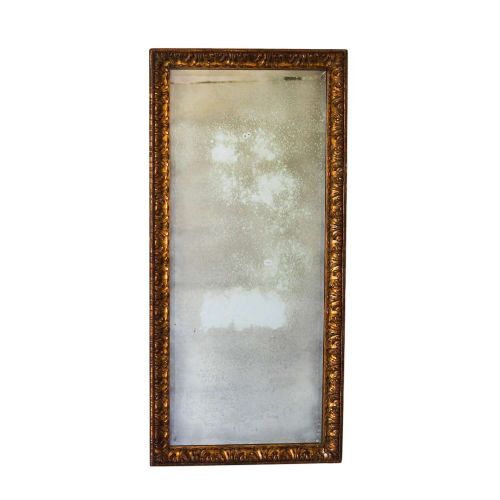

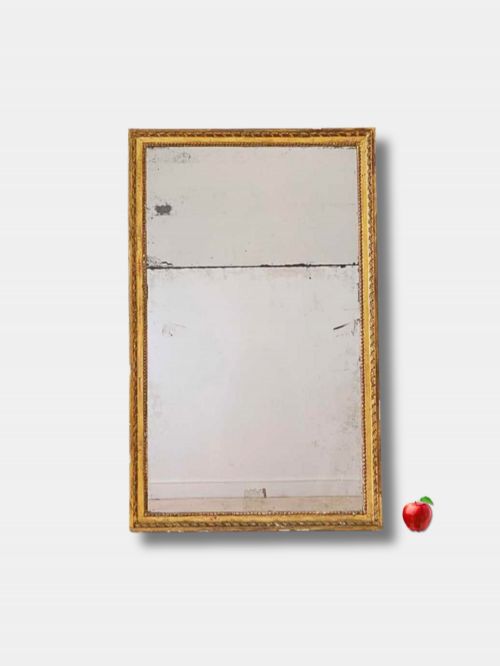
Carved French Pier Glass
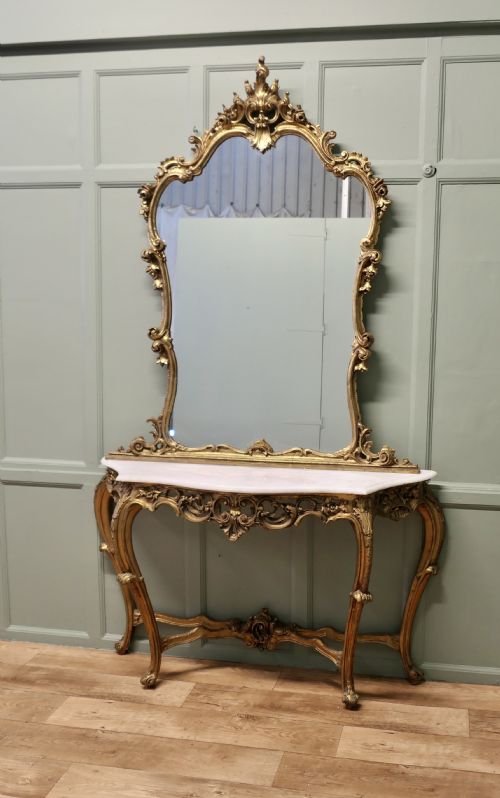
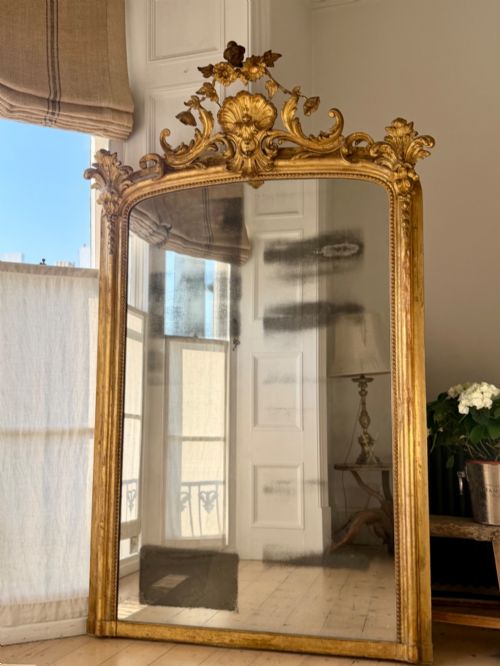
A carved french pier glass brings architectural height and reflected light to a room, historically hung on the narrow wall between two windows.
Carved French Pier Glass
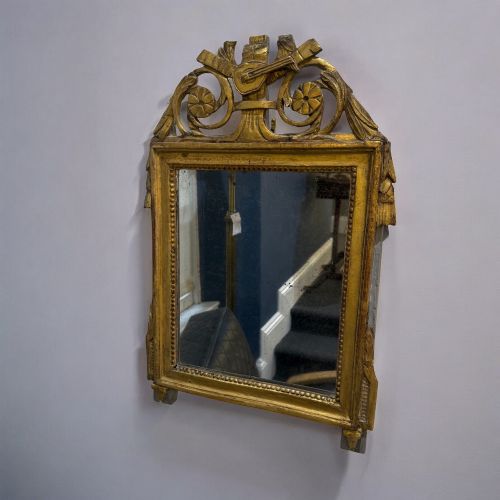
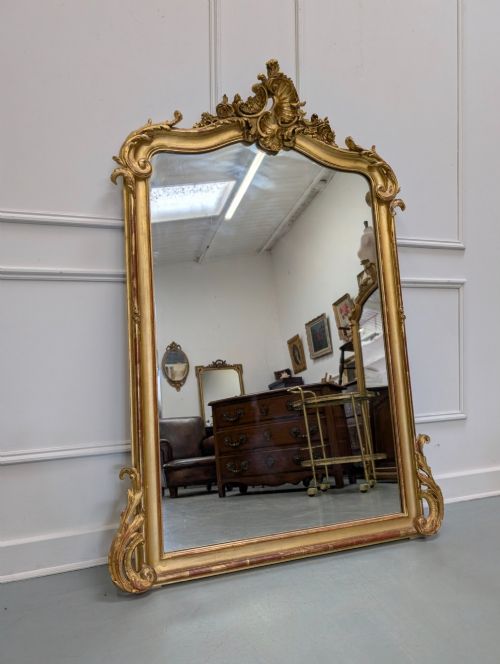
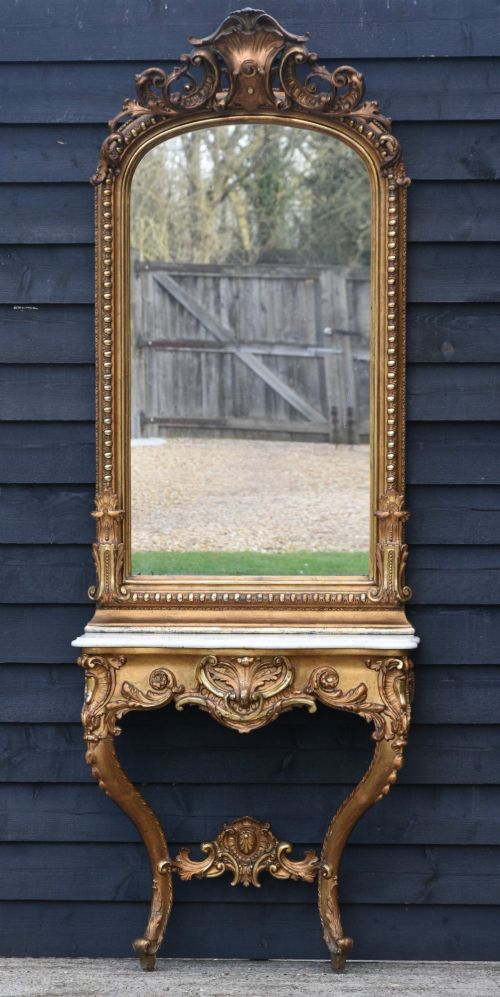
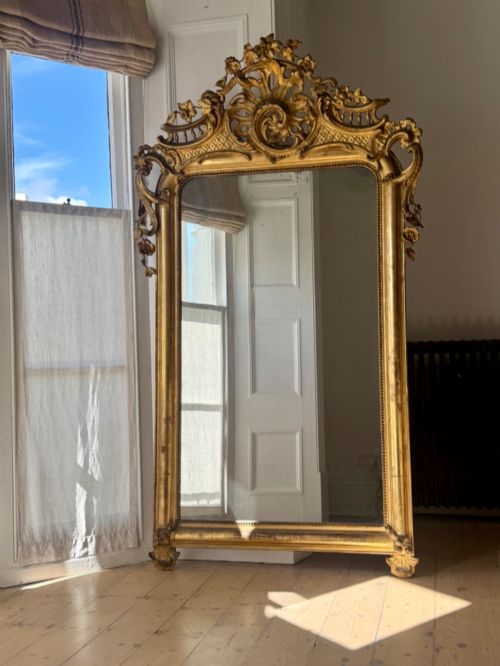
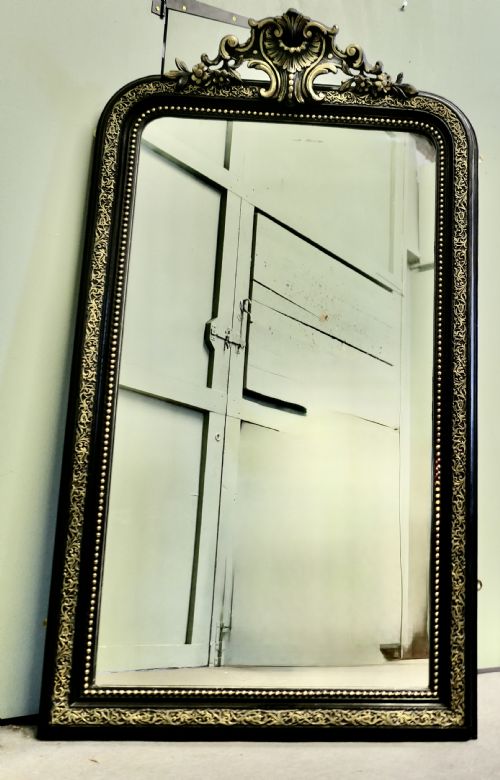
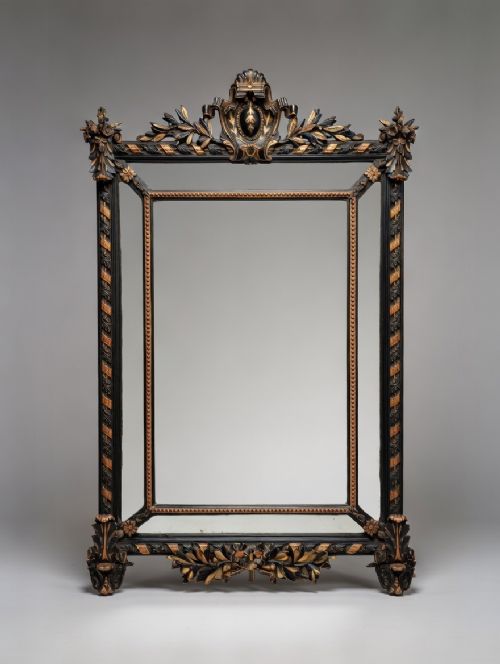
A carved french pier glass is a tall wall mirror designed to sit between windows above a console table or low piece of furniture. You encounter these most frequently in nineteenth century forms displaying Rococo Revival and Neoclassical influences, alongside earlier examples originating in the eighteenth century.
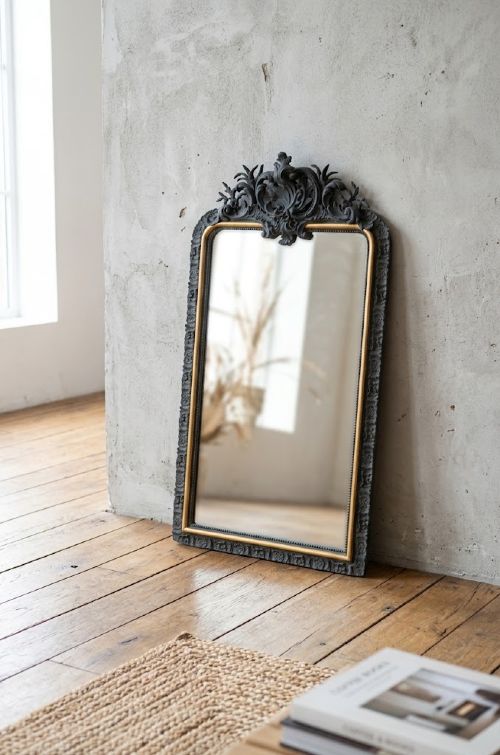
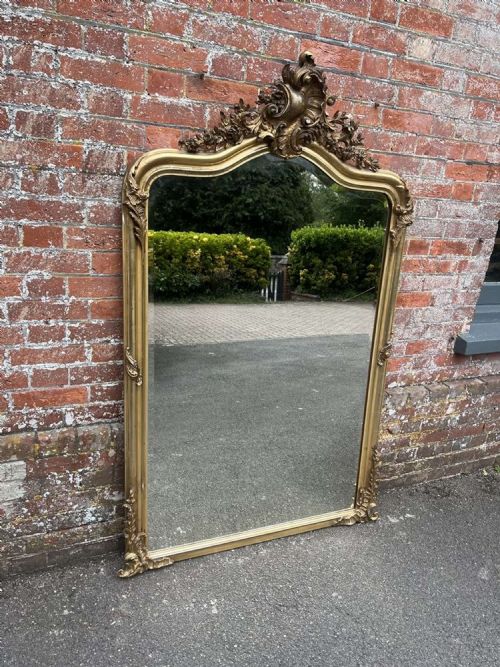
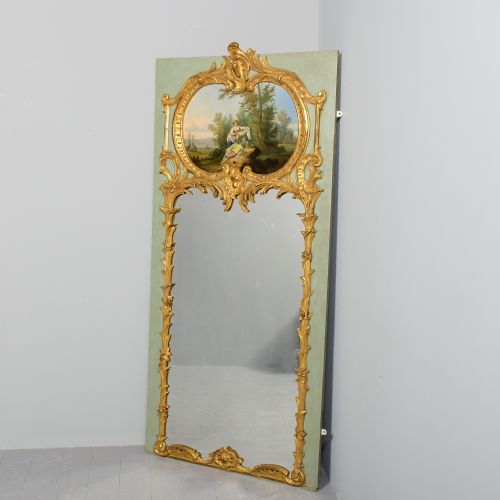
The selection ranges from large architectural trumeau mirrors with painted wooden panels to monumental giltwood frames decorated with classical motifs. Formats include arched tops, shaped profiles, and paired console table combinations designed to anchor a formal interior.
How they were made
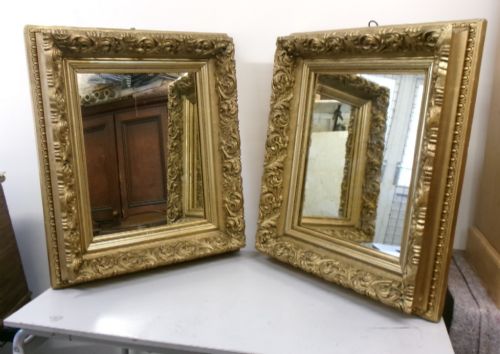
Carved wooden frames receive layers of gesso before being gilded with gold leaf, silver, or painted finishes. This traditional preparation builds the crisp relief necessary for elaborate scrolling foliage and classical ornaments.
Early examples frequently incorporate genuine mercury glass plates showing characteristic foxing and age spots. Later nineteenth century frames utilise standard mirror glass set within heavily carved timber structures.
Some nineteenth century marriage mirrors carried tiny decorative tokens hidden in the carving to wish the newlyweds lifelong prosperity.
What varies in quality
The depth and sharpness of the carving separate standard production from superior examples. Hand-carved wooden ornament retains crisp undulations, whereas massed gesso over simple wood tends toward softness in detailed areas.
The integrity of the original glass plate and its backing influences character and authenticity. Retaining the original mercury glass with natural foxing denotes a higher degree of preservation than later replacement plates.
The Carved French Pier Glass Glossary
- Pier glass
- A tall mirror specifically proportioned to hang on the narrow wall space between two windows. These pieces often incorporate matching console tables beneath them.
- Trumeau
- A decorative wall panel containing a painted scene or oil painting combined with an integrated mirror glass. They originate from eighteenth century French interior design.
- Mercury glass
- A silvering technique utilising a mixture of tin and mercury poured behind glass plates before nineteenth century chemical silvering methods replaced it. It creates a dark, mottled reflective surface.
- Gesso
- A plaster mixture applied to wood frames to provide a smooth, absorbent surface for gilding or painting. Deep relief elements depend on thick applications built up over the base timber.
- Giltwood
- Timber carved and subsequently covered with thin sheets of gold leaf. It forms the primary decorative surface for formal European mirrors.
Carved French Pier Glass: Frequently Asked Questions
Where should I hang a pier glass?
These tall mirrors suit narrow wall spaces between windows or above low mantelpieces and sideboards. Their vertical proportions draw the eye upward and bounce daylight across the room.
Ensure the wall construction supports the considerable weight of carved wooden frames and thick glass plates. Heavy duty fixings secured directly into studs or masonry provide the necessary support.
How do I identify eighteenth century mirrors?
Eighteenth century examples often display hand-carved wooden frames finished with gold leaf rather than heavy moulded gesso. They frequently house original mercury glass plates with natural foxing and uneven thickness.
Construction details on the reverse, such as hand-cut pine or oak backing boards and old iron fixings, help confirm the period alongside stylistic markers like Louis XVI symmetry or Rococo asymmetry.
What is a trumeau mirror?
A trumeau mirror incorporates a decorative painted panel or oil painting directly above the glass plate within a single unified wooden frame. Originating in grand French interiors, they served as permanent architectural wall decorations.
These pieces bring both artwork and reflection into a room without requiring separate wall hangings. The painted sections often depict pastoral scenes or classical motifs matching the room's decorative scheme.
How do I care for antique mirror glass?
Clean the glass surface gently using a dry microfiber cloth or a minimal amount of water applied to the cloth rather than the mirror. Avoid commercial ammonia-based cleaning solutions that can seep behind the edges and damage the historical silvering.
Protect the frame from direct sunlight and fluctuating humidity to prevent the gesso and gold leaf from cracking or lifting over time.