

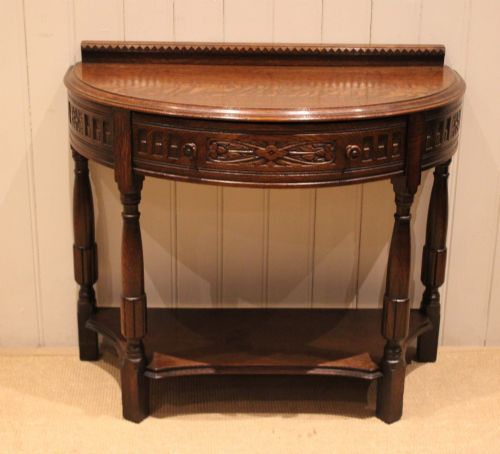


Carved French Entry Table
A carved french entry table brings instant architectural presence and timeless utility to a hallway, channelling centuries of continental craftsmanship.
Carved French Entry Table
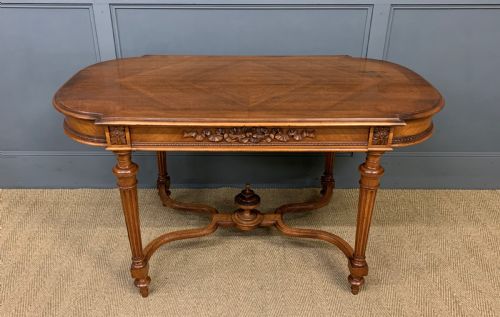
A carved french entry table encompasses console tables, centre tables, gueridons and matching mirror sets designed for hallways and reception rooms. These pieces originate predominantly from the nineteenth and eighteenth centuries, reflecting diverse continental periods from Empire to Rococo Revival.
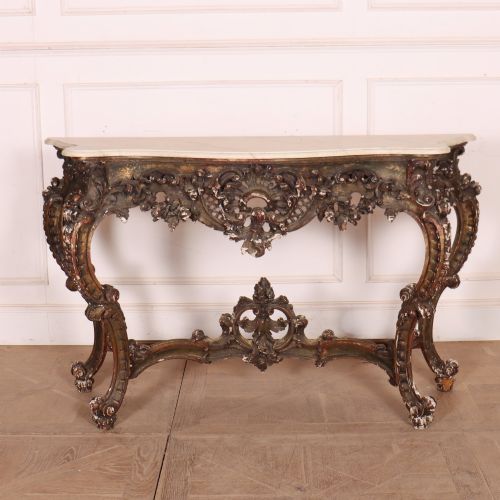
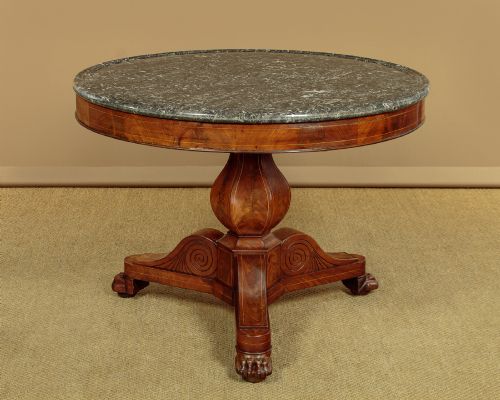
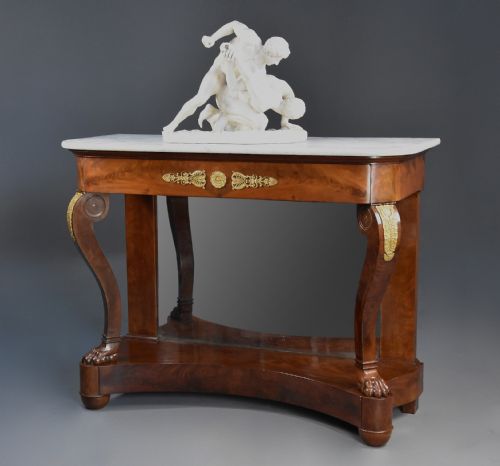
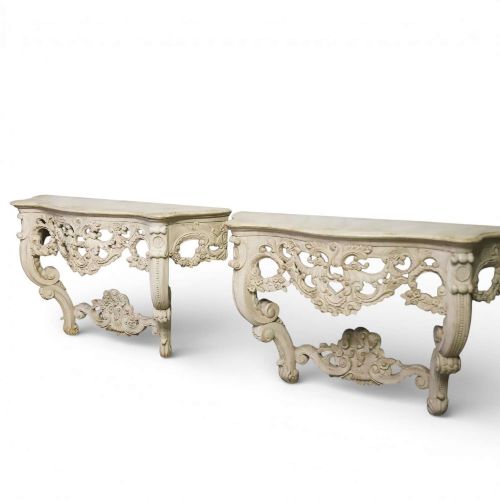
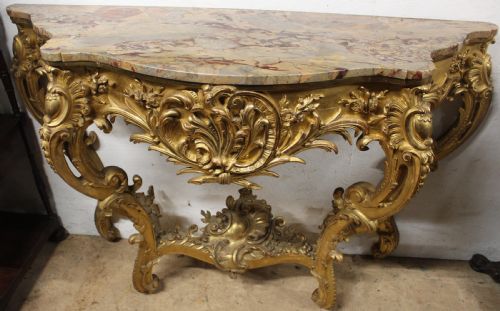
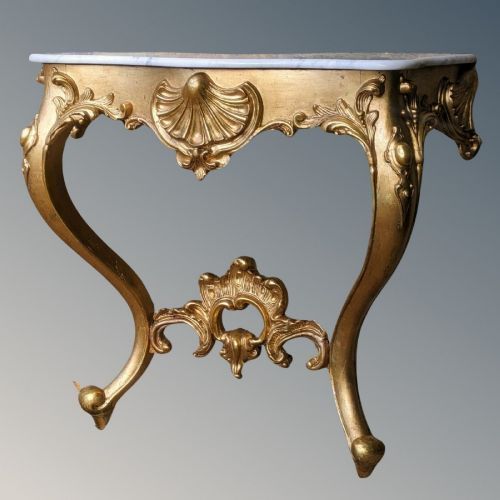
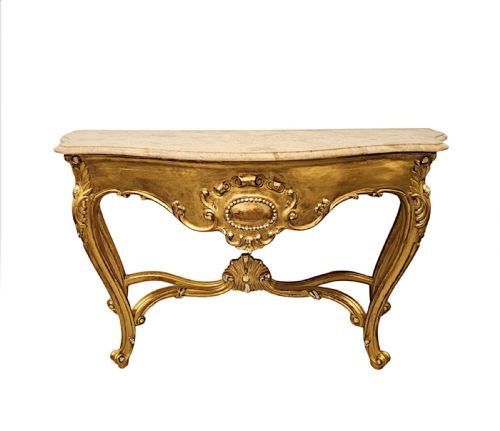
The version most commonly encountered on this page is the marble top console or gueridon, frequently fashioned from mahogany, walnut or giltwood. Tables range from grand serpentine facades with elaborate gesso work to simpler provincial oak and painted wood designs.
Materials and construction
Cabinet makers utilised dense hardwoods such as mahogany and walnut, alongside resilient oak and cherry, forming structural frames with hand-carved ornamentation. Giltwood and gesso finishes required meticulous layering upon wood bases to achieve deep, reflective surface patinas.
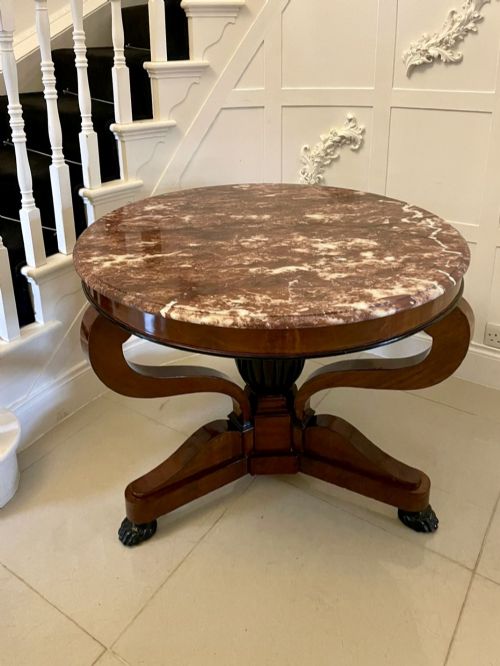
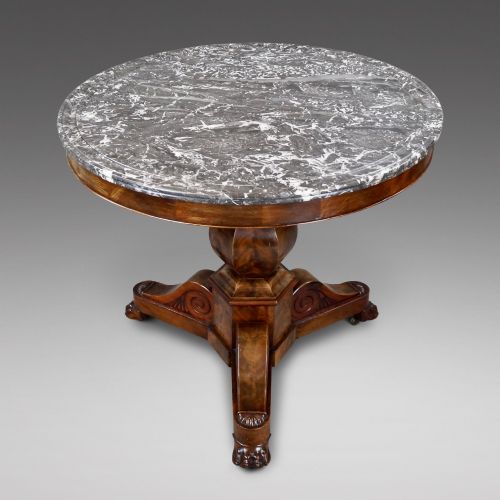
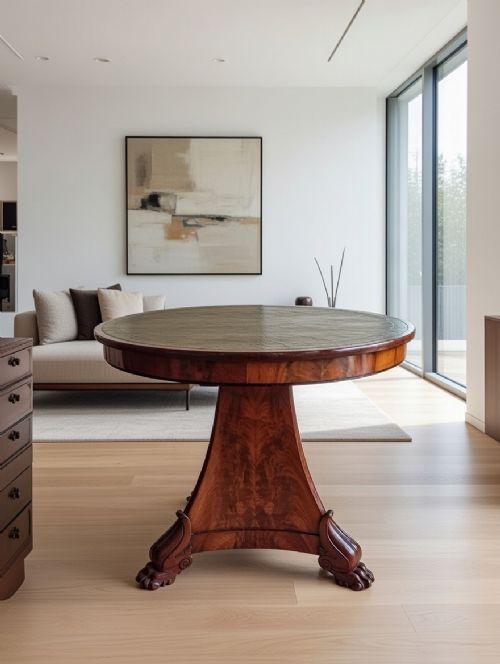
Slab marble tops, including heavy sienna varieties, sat directly upon wooden aprons or stone ledges, matched with flame mahogany veneers and leather inlays on circular gueridons.
Some tables transform into serving surfaces, proving historical furniture designers loved a clever hidden trick.
Distinctions in craftsmanship
The refinement of the hand-carving separates standard provincial joinery from elite salon pieces, where acanthus leaves, scrolls and gilt surfaces display crisp, deep relief rather than shallow moulding. Material selection similarly divides the range, with solid exotic hardwoods and heavy slab marble elevating a piece far above secondary softwoods and painted finishes.
Proportion and structural harmony dictate a table's visual weight, distinguishing balanced antique proportions from clumsy or heavy-handed revivals.
The Carved French Entry Table Glossary
- Console table
- A table designed to stand against a wall, traditionally secured with brackets or console legs. They often feature flat backs to sit flush in narrow hallways.
- Gueridon
- A small circular table on a central pillar or tripod base, frequently utilised as a centre table in French interiors. These often feature inset marble or leather tops.
- Giltwood
- Timber coated with gold leaf or gold paint over a prepared gesso ground. It provides the brilliant reflective surfaces seen on formal revival pieces.
- Serpentine
- A curved line or front edge that undulates inward and outward in a gentle wave. This profile demands advanced woodworking skill.
- Demi lune
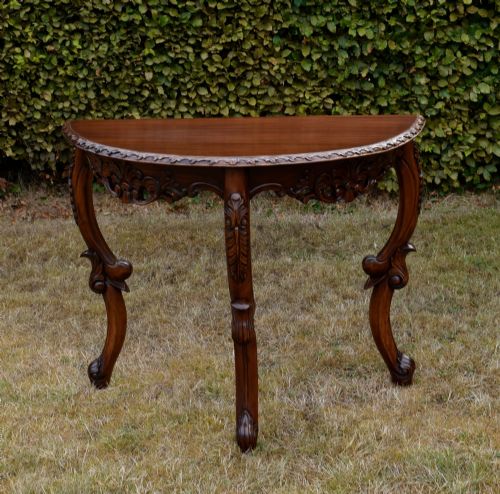
- A half-moon shape, describing tables with a semicircular top and flat rear edge. They fit neatly against entrance walls.
Carved French Entry Table: Frequently Asked Questions
Where should I place a console table?
These tables find their natural home in hallways, entryways and reception rooms where floor space is limited. Their shallow depths allow them to anchor a wall beneath a mirror or painting without obstructing foot traffic.
Pairing a console with a matching mirror creates a balanced focal point immediately upon entering a home, echoing traditional period interior design.
What is the difference between a console and a gueridon?
A console table stands flat against a wall, often supported by scroll brackets or front legs, designed specifically for narrow spaces like hallways. A gueridon is typically a freestanding circular table meant to sit in the centre of a room.
While both appear frequently in French interiors, their placement and structural footprints serve entirely different spatial requirements.
How do I care for a marble top table?
Marble surfaces require gentle cleaning with mild, pH-neutral soap and warm water, avoiding acidic substances like vinegar or citrus that etch the stone. Using coasters and protective mats prevents staining on porous or polished tops.
Regular dusting with a soft cloth preserves the natural lustre of both the stone and the supporting wood or gilt frame.
How do I identify French Empire style?
French Empire pieces display classical motifs influenced by ancient Rome and Greece, favouring dark mahogany veneers accented with brass mounts. The lines are architectural and imposing, reflecting the neoclassical tastes of the early nineteenth century.
Tables from this period often combine deep red-brown wood tones with restrained geometric carving and heavy marble inserts.
Are these tables suitable for daily use?
Antique tables handle everyday household items like keys, mail and decorative objects with ease, provided they are placed on stable, level flooring. Solid hardwood and stone constructions offer remarkable durability built over centuries.
Treating the antique timber and marble with mindful domestic care ensures these functional pieces remain practical furniture for modern living.