


Carved Foot Dining Table
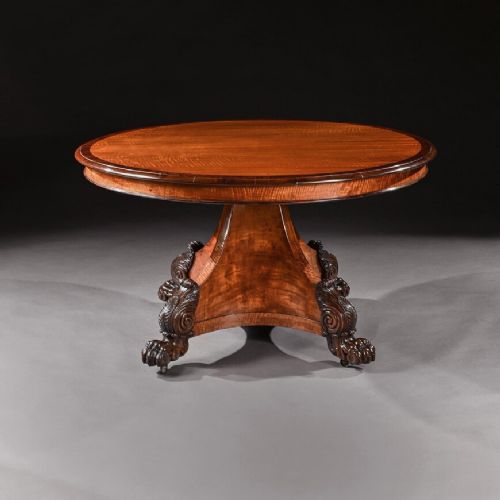
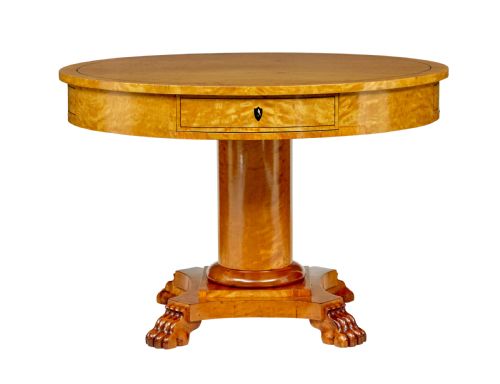
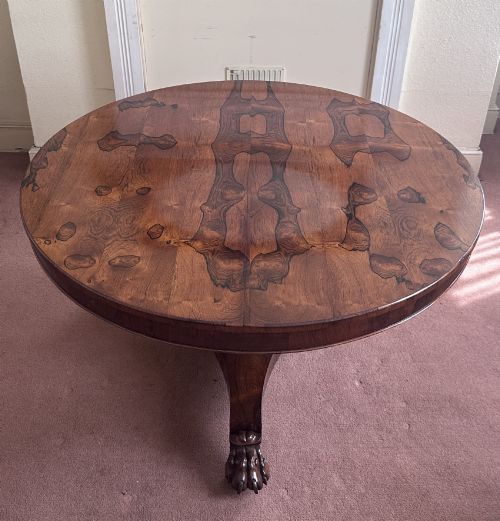
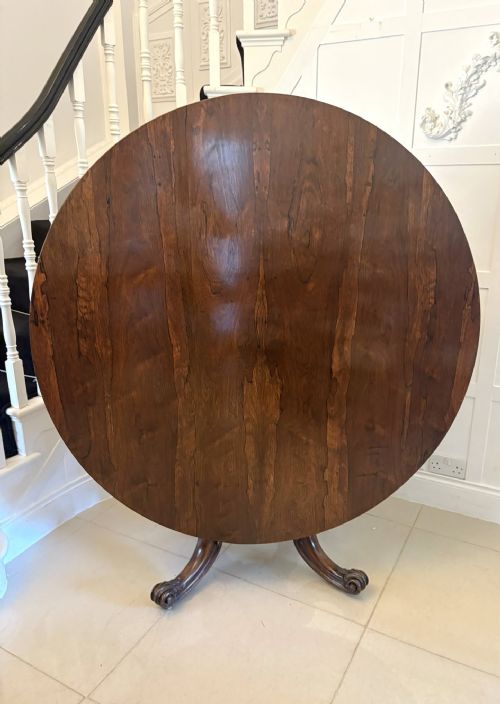
A carved foot dining table brings solid timber and sculptural support into a room, offering a sturdy surface designed for daily dining and grand entertaining alike.
Carved Foot Dining Table
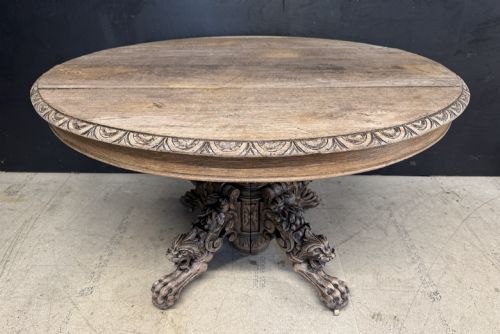
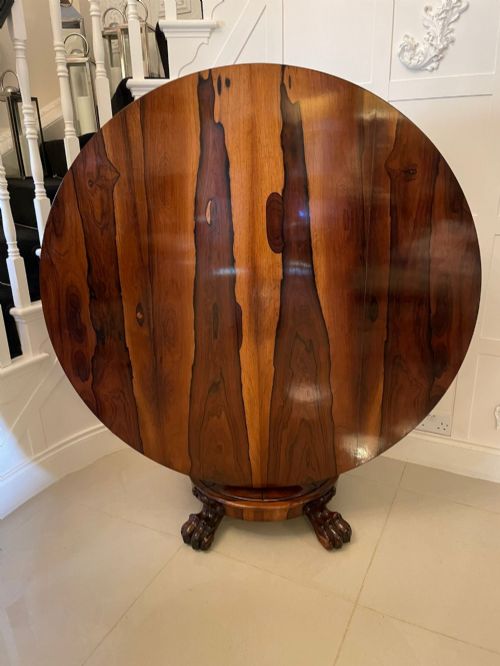
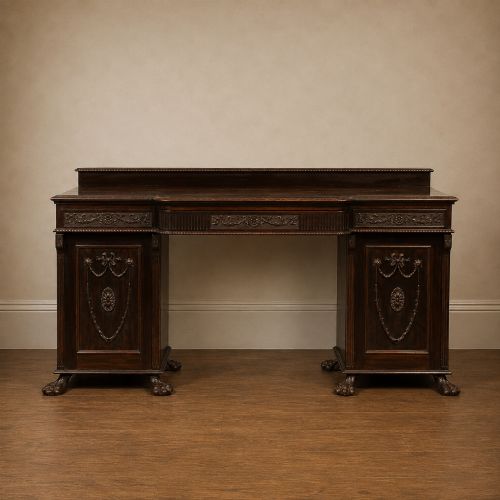
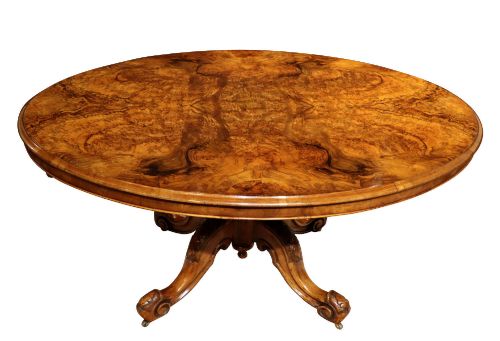
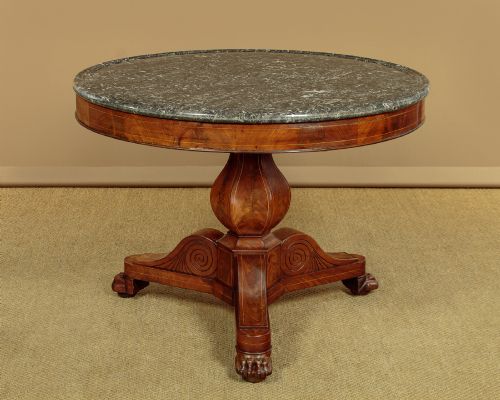
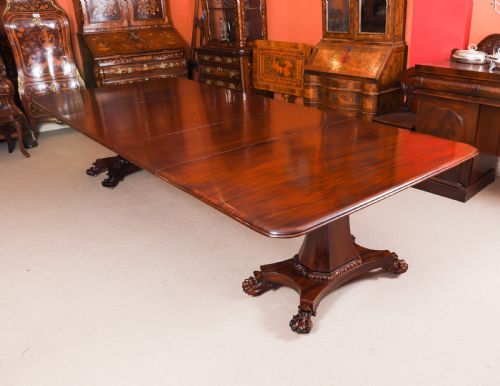
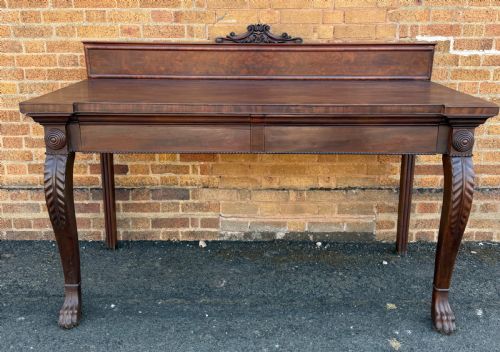
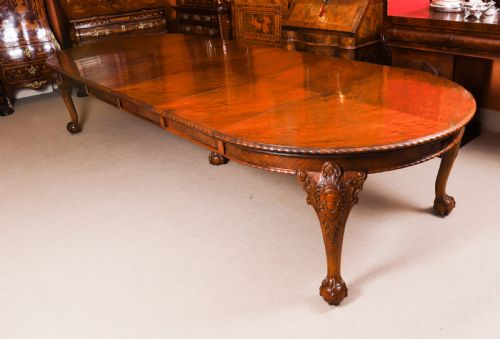
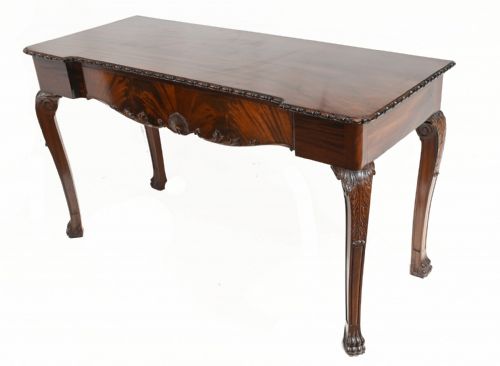
When you search for a carved foot dining table, you encounter nineteenth-century walnut, mahogany, and rosewood pieces spanning Victorian, Regency, and William IV periods. These examples range from large twin pedestal extending dining tables to circular breakfast tables and serving tables.
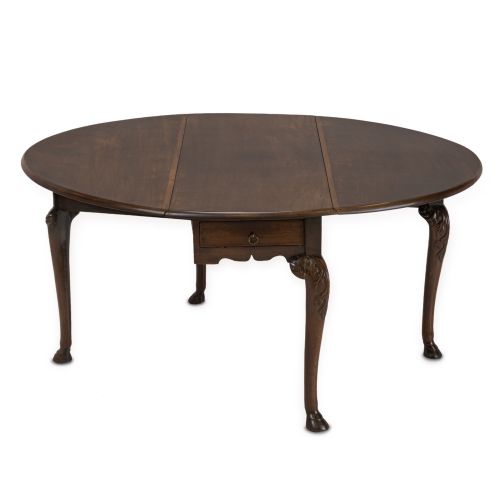
The selection on this page relies heavily on nineteenth-century craftsmanship, alongside revival styles and occasional eighteenth-century drop-leaf tables featuring cabriole legs and hoof feet. Forms vary from pillar bases with triform or quadrapod supports to substantial breakfront sideboards.
Materials and Technique
Cabinetmakers constructed these tables using dense hardwoods like mahogany, rosewood, burr walnut, and oak, often applying flame mahogany or burr walnut veneers to display rich natural grain figures. Turning, carving, and joinery shaped the heavy pedestals, octagonal pillars, and detailed feet.
Makers utilised brass fittings, tilt-top mechanisms, and segmented tops to combine mechanical utility with robust structural support.
Several tables feature tilt mechanisms designed to flip the top vertically, letting the furniture double as a decorative room screen.
Judging Quality
Quality rests in the depth and crispness of the hand-carved details on the feet and pillars, alongside the selection of timber figures such as figured mahogany or burr walnut. Finer pieces demonstrate superior joinery, balanced proportions, and well-executedveneering that remains intact across large surfaces.
Makers known for exceptional production, such as Gillows or Maple and Co, distinguished their output through refined execution and superior material selection.
Maple and Co·Gillows·Peters of Genoa
The Carved Foot Dining Table Glossary
- Pedestal
- A central support pillar holding the weight of the tabletop, frequently resting on carved feet or a shaped plinth.
- Triform
- A three-sided base structure commonly found on nineteenth-century pedestal tables for stability.
- Quadrapod
- A four-legged base configuration that supports larger circular or oval tabletops.
- Veneer
- A thin layer of figured wood applied over a secondary timber base to create a decorative surface pattern.
- Cabriole leg
- A furniture leg that curves out and then in, mimicking animal limbs, often terminating in carved hoof or pad feet.
Carved Foot Dining Table: Frequently Asked Questions
How do I identify a William IV table?
William IV tables typically feature heavy rosewood or figured mahogany construction with bold scrolling carved details, robust central pillars, and platform bases.
They often incorporate circular or octagonal tops, sometimes built with tilt-top mechanisms for storage convenience.
What is the difference between a breakfast table and a dining table?
Breakfast tables are traditionally smaller, often circular or oval, supported by a single central pedestal with a tilt-top function for easy room clearance.
Standard dining tables utilise multiple pedestals or extending leaves to accommodate larger seating arrangements.
Are these tables suitable for daily use?
These nineteenth-century hardwood tables were built for heavy domestic service using solid timbers and durable veneers, making them robust enough for everyday dining.
Maintaining a stable indoor humidity helps protect the polished wood surfaces and complex pedestals from splitting.
How do I spot a revival style piece?
Revival pieces replicate earlier historical periods, such as George II or Adam styles, using nineteenth or early twentieth-century manufacturing techniques.
Examination of the secondary woods, internal construction methods, and tool marks helps separate the original era from later interpretations.