


Carved Figure Sculptures
Carved figure sculptures bring historical weight and physical presence to a room, spanning centuries of global craftsmanship from European saints to Asian deities.
Carved Figure Sculptures
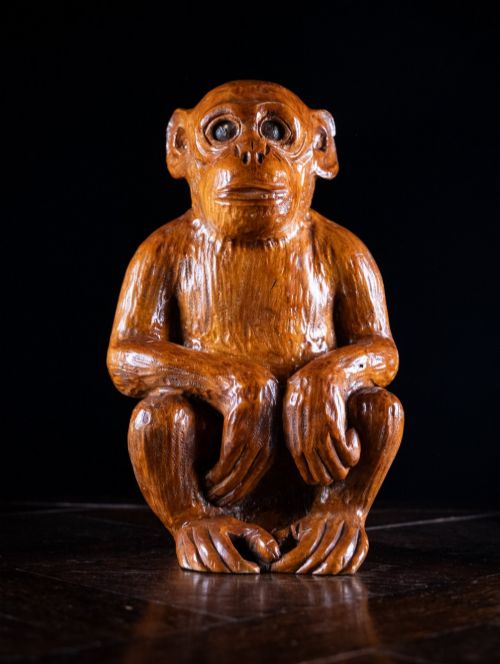
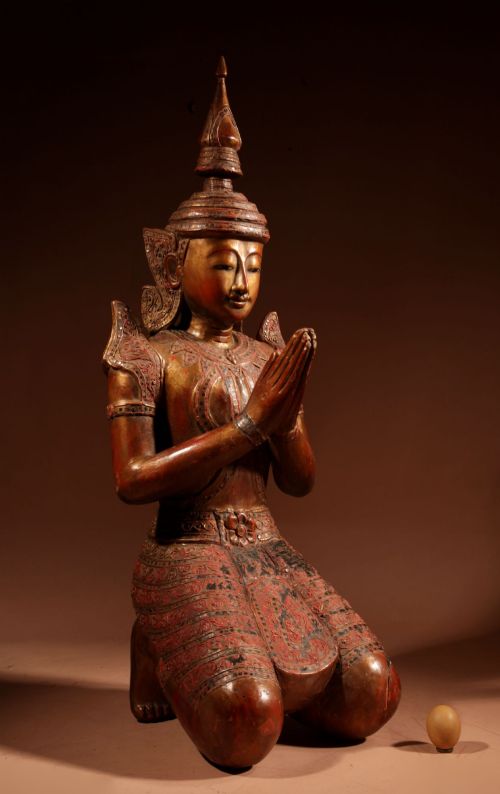
When you search for carved figure sculptures, you encounter a diverse gathering of three-dimensional forms shaped from timber, stone, and minerals. These works range from devotional European saints and classical marble busts to intricate Chinese jade figures and Japanese folk art carvings.
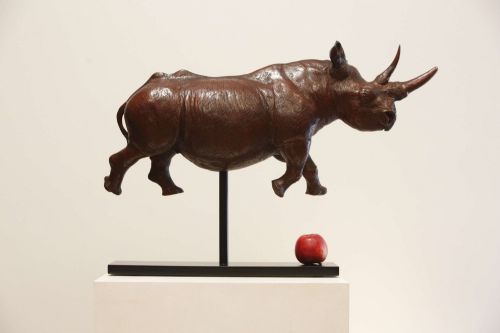
The selections here are heavily weighted toward European wood and marble pieces alongside substantial Chinese hardwood and nephrite carvings. You will frequently find figures rooted in religious, mythological, or naturalistic traditions dating from the seventeenth century through the mid-twentieth century.
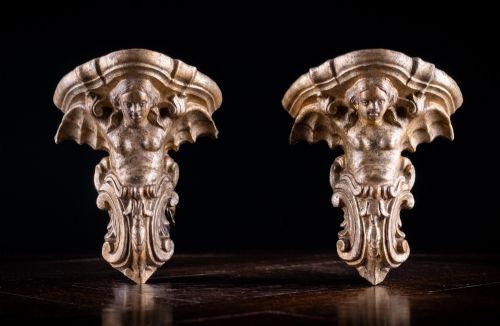
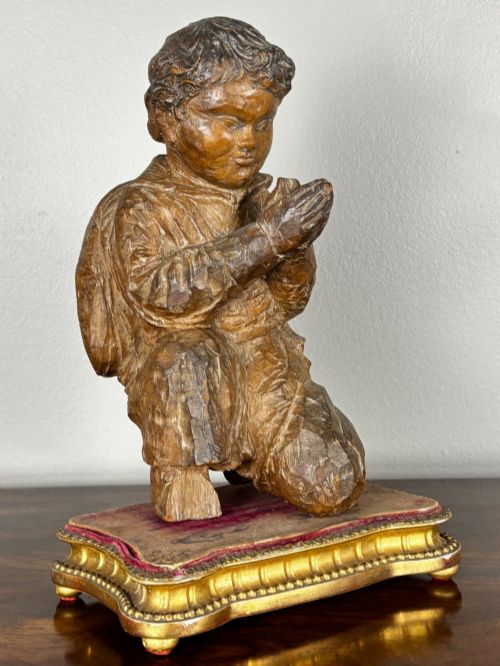
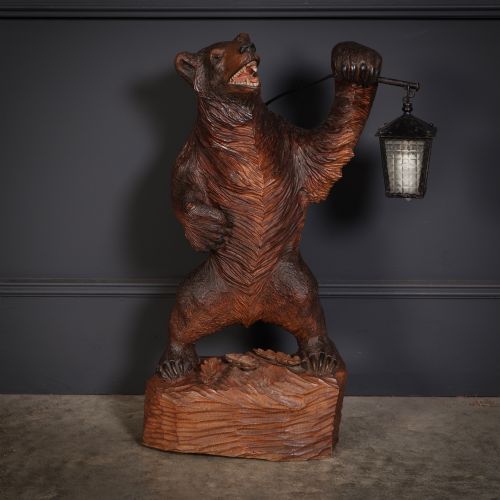
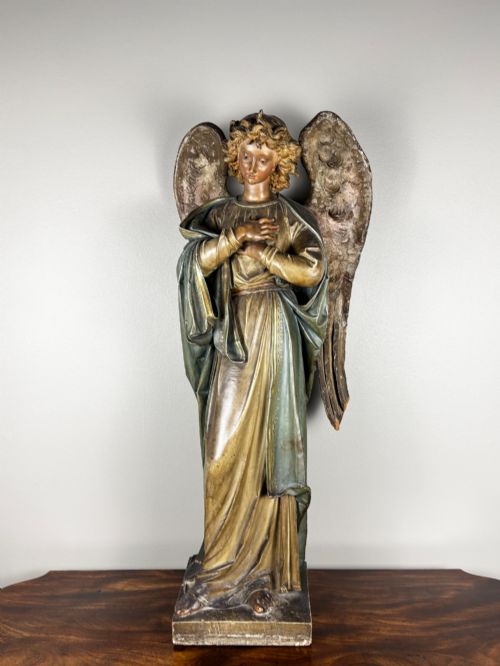
Makers utilised various regional aesthetics, producing everything from austere Black Forest walnut animals to ornate Italian polychrome angels. Each piece reflects the material preferences and sculptural techniques of its specific period and geographical origin.
Materials and methods
The makers of these sculptures relied primarily on traditional hand tools to shape dense woods like lime, oak, walnut, and linden, often finishing surfaces with gesso, polychrome paint, or gold leaf. Wood carvers exploited the grain to articulate drapery, hair, and facial expressions with remarkable intimacy.
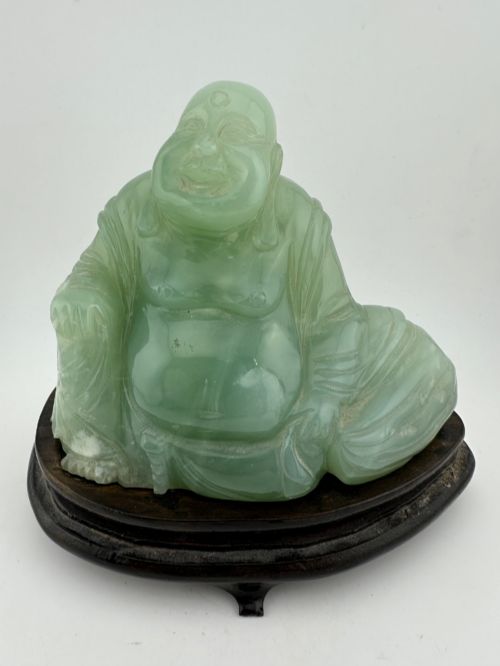
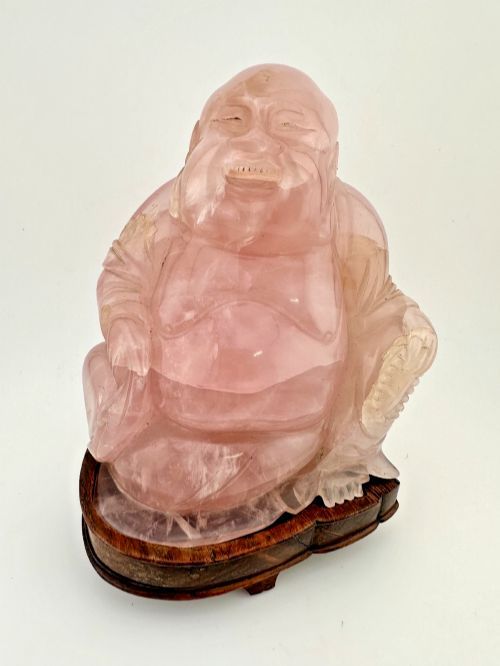
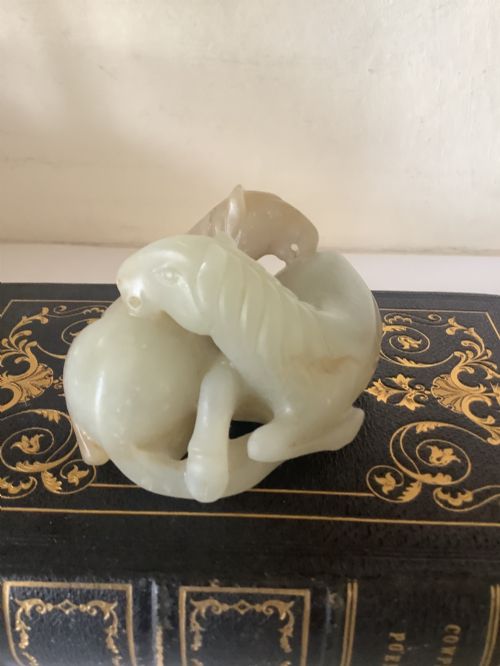
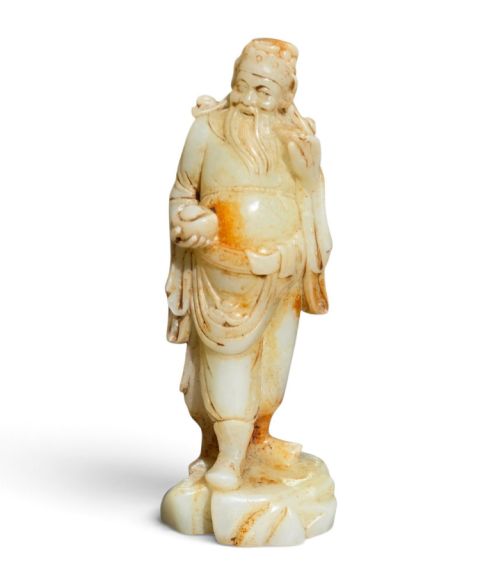
Stone workers employed chisels, rasps, and drills on materials such as Carrara marble, alabaster, soapstone, and various hardstones like nephrite jade and carnelian. These mineral sculptures frequently required extensive polishing to reveal natural veining and translucency.
Many Asian and European figures were mounted on bespoke hardwood stands or fitted with brass supports to stabilise heavier stone and coral compositions.
Carved Figure Sculptures Retail Price Guide 2026
Typical asking prices for carved figure sculptures among the pieces listed under this phrase on Sellingantiques today, from the lower quarter to the upper quarter. They describe what is for sale here now, not the wider market.
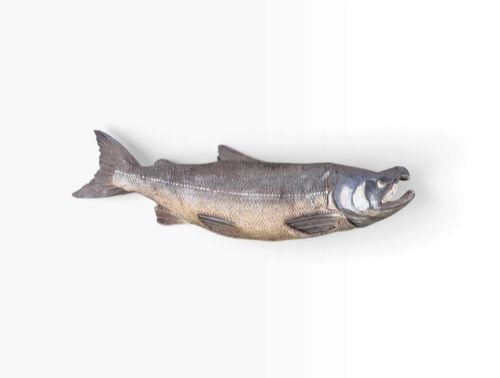
A wooden parrot perched on a brass stand keeps watch alongside stone bears and jade cockerels.
Distinguishing quality
Quality in these sculptures lies in the autonomy and confidence of the carving, where muscle structure, hand gestures, and facial expressions avoid stiffness. Superior works demonstrate a fluid understanding of anatomy and drapery, regardless of whether the medium is soft lime wood or hard nephrite.
The preservation of original surface treatments - such as polychrome pigment, gilding, or the natural patina developed on aged wood and marble - dictates the desirability of a piece. Skilled execution transforms a static block of material into a convincing narrative presence.
Valentino Besarel·Carlo Albacini·Barranti
The Carved Figure Sculptures Glossary
- Polychrome
- Decorated in multiple colours. This technique appears frequently on wooden religious figures to render lifelike garments and flesh tones.
- Nephrite
- A compact, tough variety of jade. Chinese artisans carved this dense mineral into intricate figures of immortals and animals.
- Putto
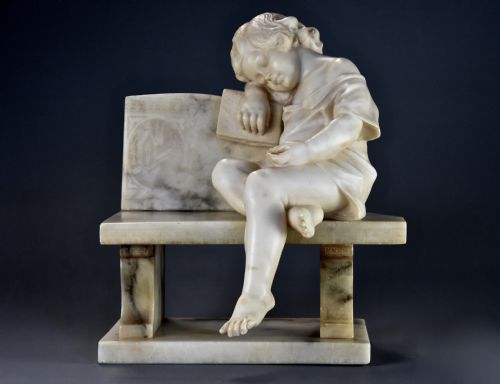
- A representation of a human infant, usually winged, common in Italian Renaissance and later classical sculpture. These figures often appear resting or sleeping in marble compositions.
- Gesso
- A plaster-like mixture applied to wood surfaces as a base for painting or gilding. It allows fine detail work on carved altarpieces and devotional statues.
- Grand Tour
- A cultural journey undertaken by wealthy young Europeans to study classical antiquities. Sculptures from this tradition replicate famous ancient statues in marble or stone.
Carved Figure Sculptures: Frequently Asked Questions
How do I care for wooden sculptures?
Keep wooden figures away from direct heat sources and dramatic humidity shifts to prevent the timber from splitting. Dust them gently with a dry, soft cloth rather than using liquid polishes.
Allow the natural patina to age undisturbed without heavy intervention.
What is the difference between marble and alabaster?
Marble is a hard, metamorphic rock with crystalline structure and distinct veining that resists scratching easily. Alabaster is a softer, gypsum-based stone offering a translucent quality that lets light penetrate the surface.
Alabaster requires much more careful handling due to its susceptibility to moisture and impact.
How were religious figures used originally?
Many wooden and stone saints were created for domestic contemplation, private chapels, or church altarpieces. They served as physical focal points for prayer and reflection.
Over time, these devotional objects transitioned into secular decorative collections.
How can I identify Japanese folk art carvings?
Japanese folk art pieces, such as Kibori Kuma wooden bears, often display bold, functional tool marks rather than academic refinement. They capture local wildlife and daily observations with charm and economy.
These works rely on the natural character of indigenous cedar and wood grains.