

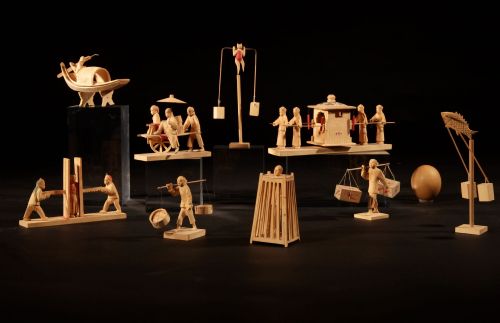


Carved Figure Light
A carved figure light merges sculpture and illumination, offering collectors a striking way to bring carved wood and metal figures into a room.
Carved Figure Light
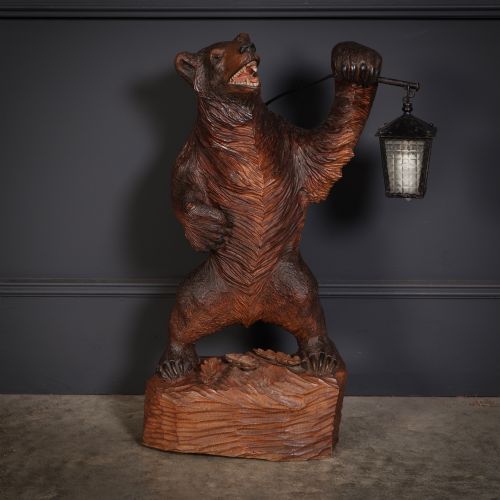
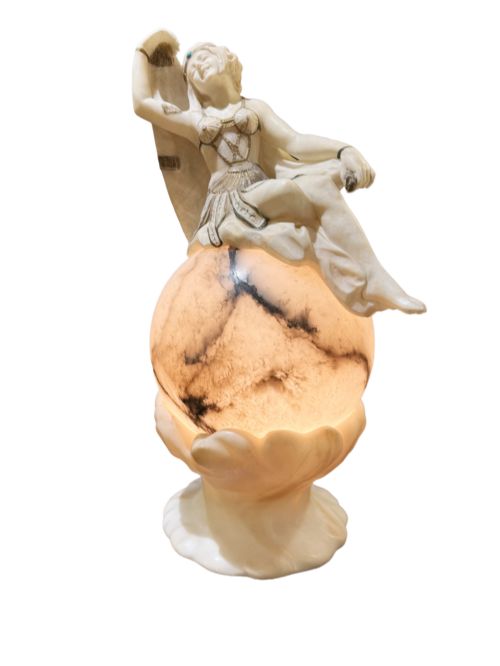
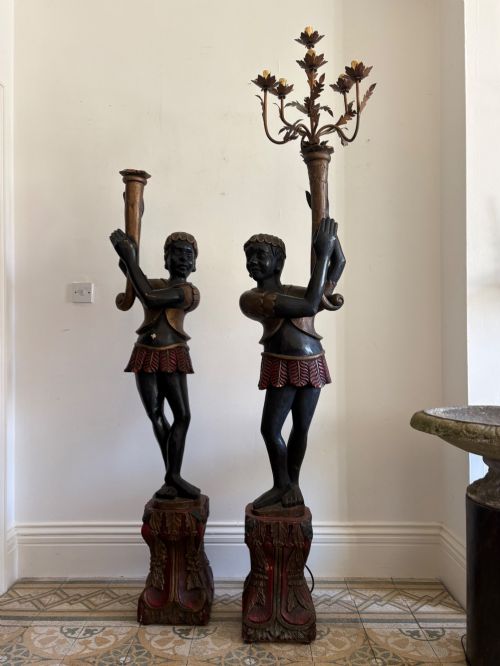
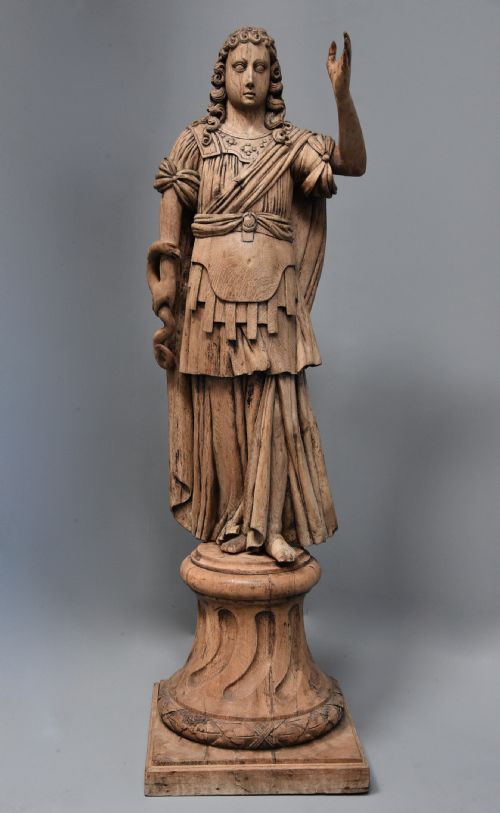
A carved figure light combines sculptural form with functional illumination, taking shapes ranging from Venetian floor lamps and French figural pieces to Chinese root wood table lamps. These objects transform carved wooden human and animal figures into sources of light, utilising candlesticks, candelabras, and fitted lamps.
Most examples found in these listings date from the nineteenth century and the early twentieth century, spanning periods such as 1920, 1930, 1750, 1900, 1890, and 1940. They appear in diverse regional styles including Venetian Baroque, Art Deco, Chinese Folk Art, Qing Dynasty, and French Folk Art.
The forms vary considerably across the selection, encompassing table lamps, floor lamps, candlesticks, sculptures, and torcheres. Buyers frequently encounter large life-size statues alongside smaller root wood carvings and decorative figures adapted for illumination.
Materials and construction
The primary material across these pieces is carved wood, including hardwood, oak, and various root woods. Artisans shaped these organic materials by hand to capture the fine details of human figures, foliage, and garments.
Secondary elements incorporate brass, metal, glass, fabric, and gesso to complete the fixtures and shades. These mixed materials provide structural support and contrasting textures against the warm tones of the carved timber.
Carved Figure Light Retail Price Guide 2026
Typical asking prices for carved figure light among the pieces listed under this phrase on Sellingantiques today, from the lower quarter to the upper quarter. They describe what is for sale here now, not the wider market.
Listings feature items spanning the eighteenth, nineteenth, and twentieth centuries, incorporating materials like carved wood, brass, alabaster, and frosted glass.
Evaluating quality
The integration of the lighting mechanism into the sculptural body distinguishes superior examples from simpler conversions. Harmonious proportion between the carved figure and the illuminating element defines the upper tier of the range.
The Carved Figure Light Glossary
- Root wood
- Timber sourced from the root system of a tree, prized by carvers for its gnarled, organic contours and expressive grain patterns. This material often dictates the dynamic posture of the finished figure.
- Socle base
- A short pedestal or plinth supporting a statue, candlestick, or lamp. It provides stability and visual lift to the vertical composition.
- Torchiere
- A tall standing floor lamp that directs light upward. In antique pieces, this form is frequently held aloft by a carved human or mythological figure.
- Gesso
- A plaster-like mixture applied to wood surfaces as a base for paint or gilding. It allows for crisp decorative details and smooth painted finishes.
- Candelabra
- A branched candlestick holder designed to support multiple candles. Historical figural examples often incorporate these arms into the hands or shoulders of the carved subject.
Carved Figure Light: Frequently Asked Questions
What is a carved figure light?
A carved figure light is a sculptural object, often made from wood or metal, that has been adapted to hold candles or electric lighting.
These pieces combine human, animal, or folk art figures with functional illumination, serving as both room lighting and decorative art.
How were figural lamps used historically?
Historically, figural lamps and candlesticks illuminated grand reception rooms, hallways, and private chambers while doubling as sculptural displays.
Larger floor-standing examples provided ambient light in corners, whereas smaller table lamps and candlesticks sat upon desks and side tables.
How do I style a carved figure light?
Integrating a carved figure light into a room works best when the piece acts as a focal point on a sturdy console or in an open corner.
Pairing the rich tones of carved wood with neutral backgrounds allows the intricate details of the sculpture to stand out clearly.
How do I tell different periods apart?
Distinguishing periods relies on observing stylistic markers, such as the geometric lines of Art Deco pieces compared to the ornate flourishes of Venetian Baroque.
Material choices and carving techniques also shift over time, moving from eighteenth-century Continental oak work to twentieth-century root wood and frosted glass.