

Carved Drawer Table
A carved drawer table brings centuries of British and European craftsmanship into daily use, offering practical storage alongside rich historical character.
Carved Drawer Table
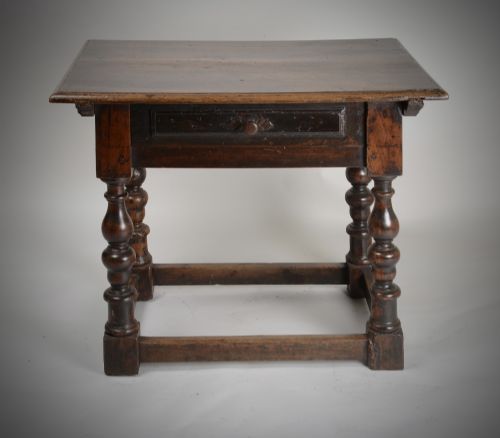
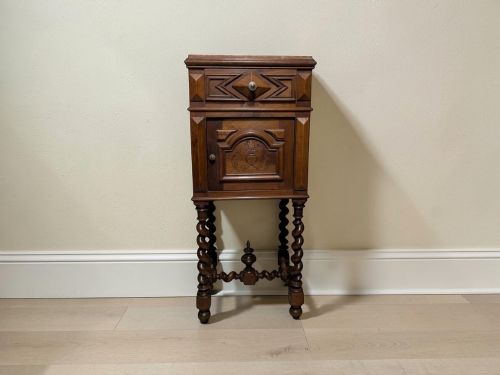
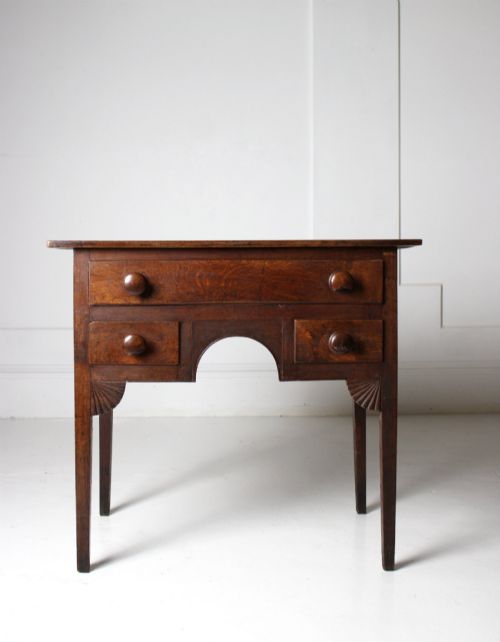
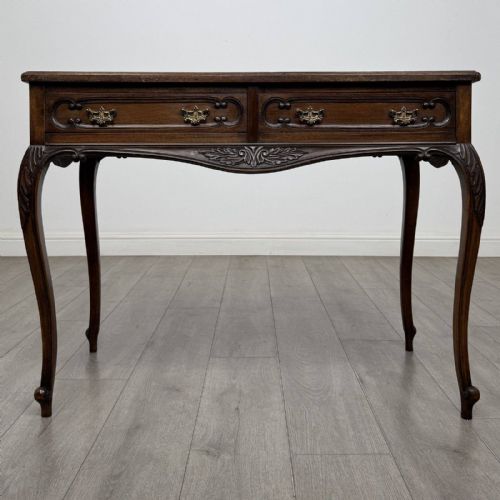
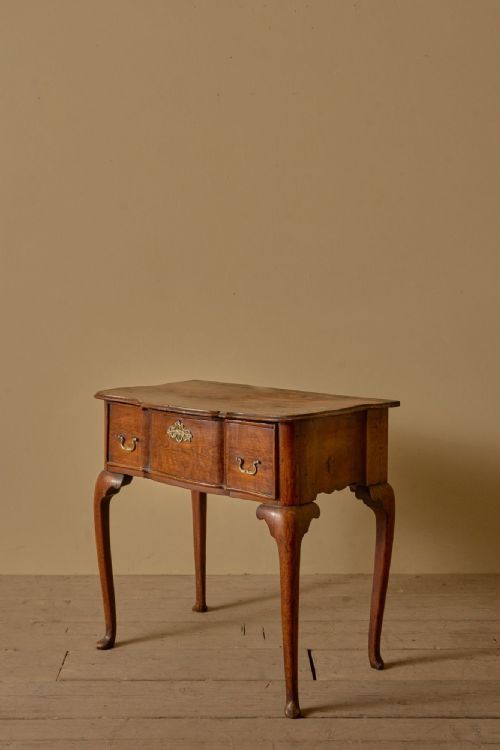
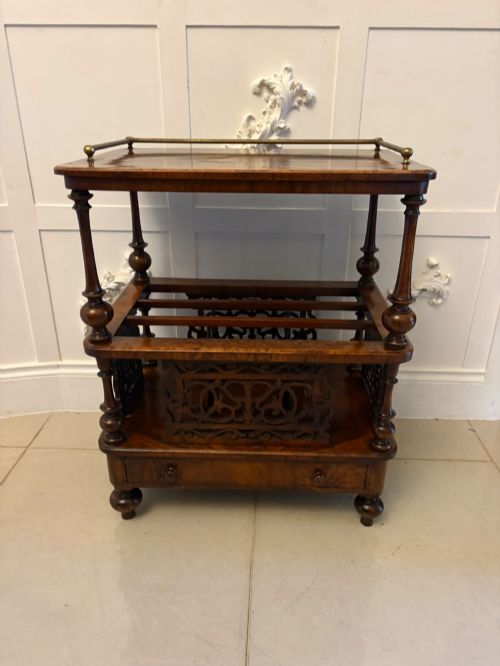
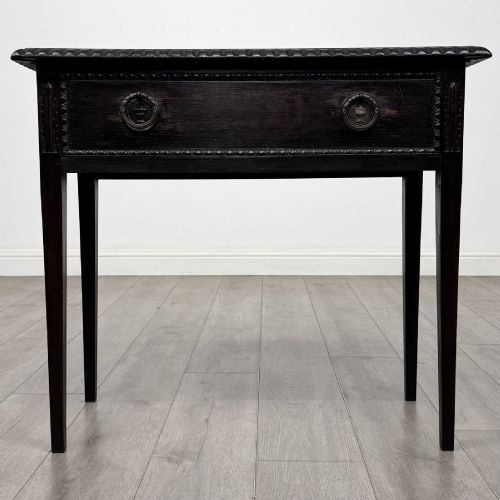
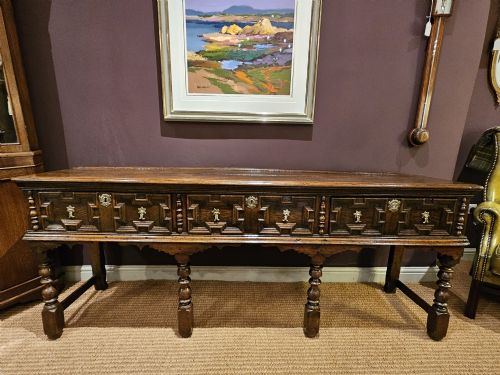
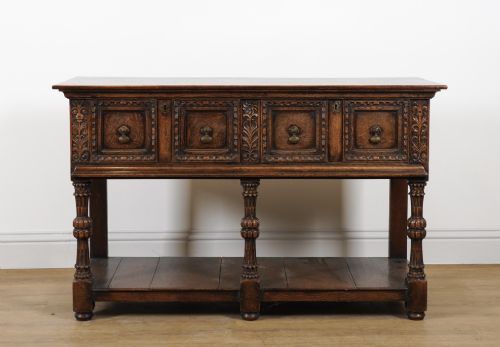
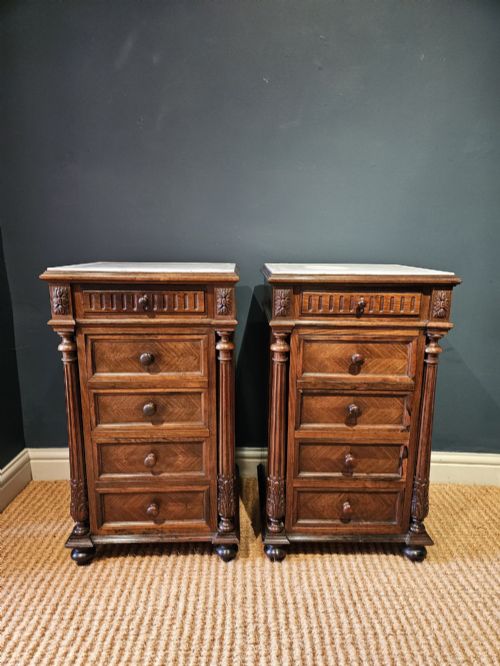
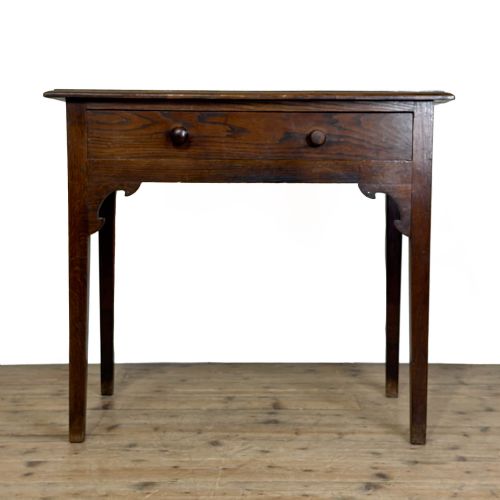
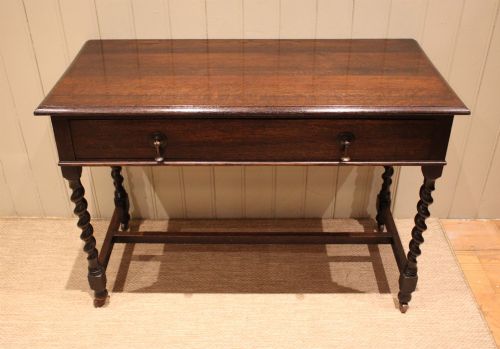
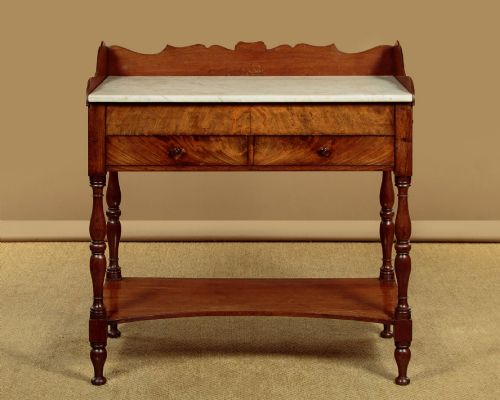
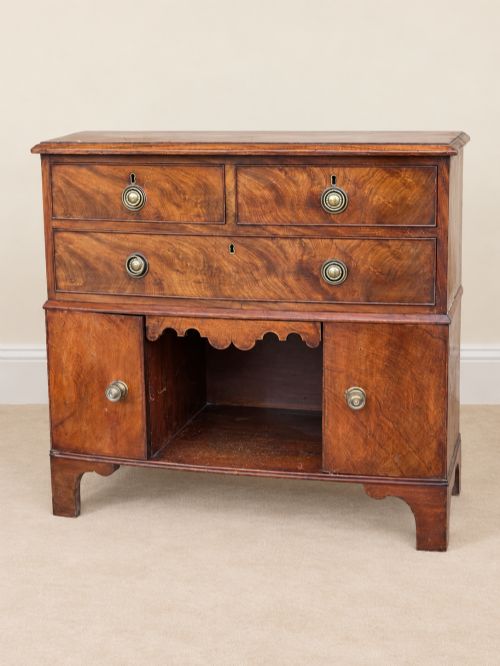
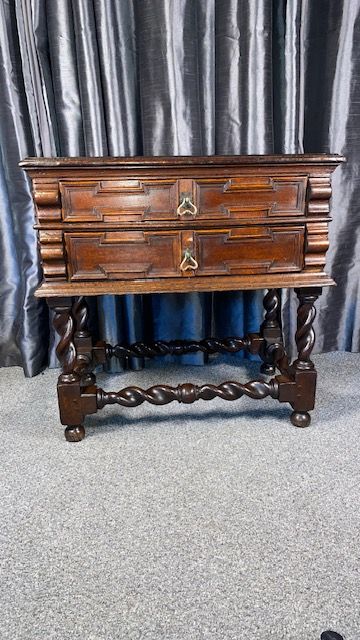
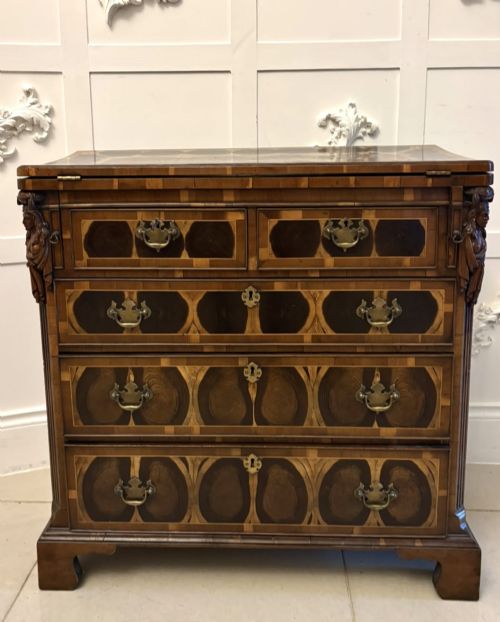
A carved drawer table spans multiple forms across this selection, appearing most frequently as side tables, desks, lowboys, and dressers. Buyers searching for a carved drawer table encounter pieces ranging from seventeenth-century oak designs to Edwardian and Victorian iterations.
The materials reflect traditional cabinetmaking, with solid oak, mahogany, walnut, and burr walnut dominating the construction. These tables serve multiple functions in modern interiors, operating as writing desks, hall tables, or bedside storage.
Materials and Construction
Timber selection dictates the character of each piece, utilising dense hardwoods such as oak for early periods and mahogany or burr walnut for later Victorian and Edwardian examples. Artisans shaped these materials using traditional joinery methods, incorporating fitted drawers and carved detailing directly into the structural wood.
Surface treatments and secondary elements include brass handles, leather inserts on writing surfaces, and occasional marble tops. The integration of hand-carved ornamentation distinguishes these utility items from plain utilitarian furniture.
Carved Drawer Table Retail Price Guide 2026
Typical asking prices for carved drawer table among the pieces listed under this phrase on Sellingantiques today, from the lower quarter to the upper quarter. They describe what is for sale here now, not the wider market.
Apprentice pieces show miniaturised perfection as young makers proved their skills.
Assessing Quality and Execution
Quality resides in the crispness of the carving and the integrity of the timber selection, particularly in burr walnut veneers and solid oak structures. Superior examples maintain original hardware and smooth drawer action without structural compromise.
The proportion of the legs, whether cabriole, bobbin-turned, or straight, affects the visual balance of the table. Depth of relief in carved panels and mouldings separates standard production pieces from finer workshops.
The Carved Drawer Table Glossary
- Lowboy
- A small table with one or more drawers, originating in the early eighteenth century and frequently fitted with cabriole legs.
- Burr walnut
- A highly figured wood veneer derived from the growth excrescences of walnut trees, prized for its swirling grain patterns.
- Cabriole leg
- A furniture leg that curves out and then in, resembling an animal's leg, commonly found on eighteenth-century revival styles.
- Bobbin turning
- A form of woodturning that creates a series of rounded spheres resembling bobbins along the length of a leg or stretcher.
- Dresser
- A multi-purpose piece featuring drawers and surface space, utilised historically for food preparation and storage.
Carved Drawer Table: Frequently Asked Questions
What is a lowboy table?
A lowboy is a small table with drawers, typically standing at table height and originating in the eighteenth century.
These pieces were used as dressing tables or side tables in domestic interiors.
How do I date an oak table?
Dating oak furniture involves examining the tool marks, construction joints, and the style of carving present on the frame.
Earlier pieces from the seventeenth century display pegged mortise and tenon joints, whereas later revival pieces show machine precision.
Where can I place a console table?
Console tables fit well in narrow hallways, living rooms, or against bedroom walls as writing surfaces.
Their shallow depth provides surface and drawer storage without obstructing walkways.
What is burr walnut?
Burr walnut is a decorative wood veneer taken from the burl of a walnut tree.
It creates intricate, swirling patterns across the surfaces of Victorian and Edwardian desks and tables.