

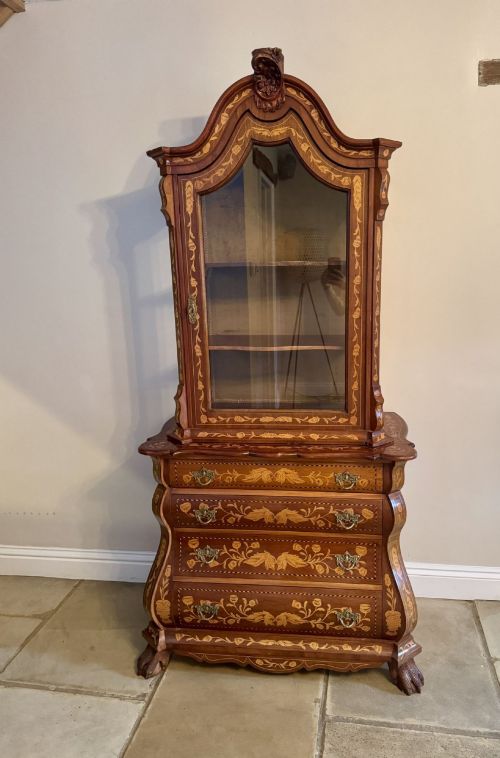
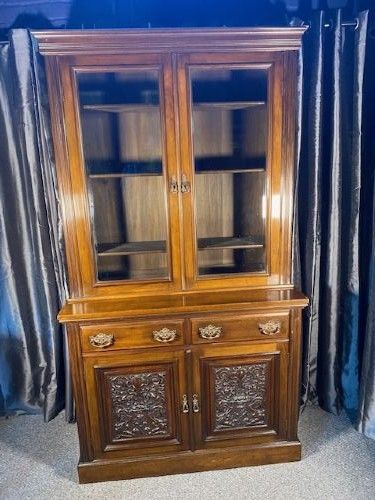
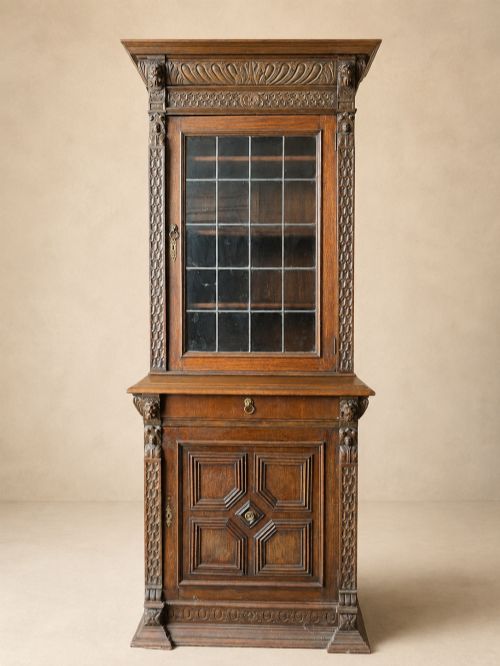

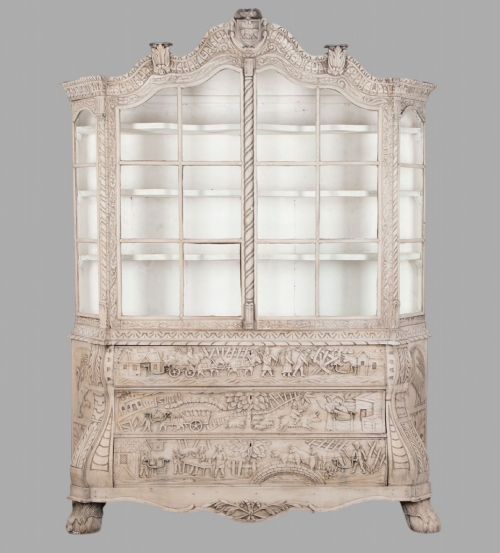




Carved Drawer Display Cabinet
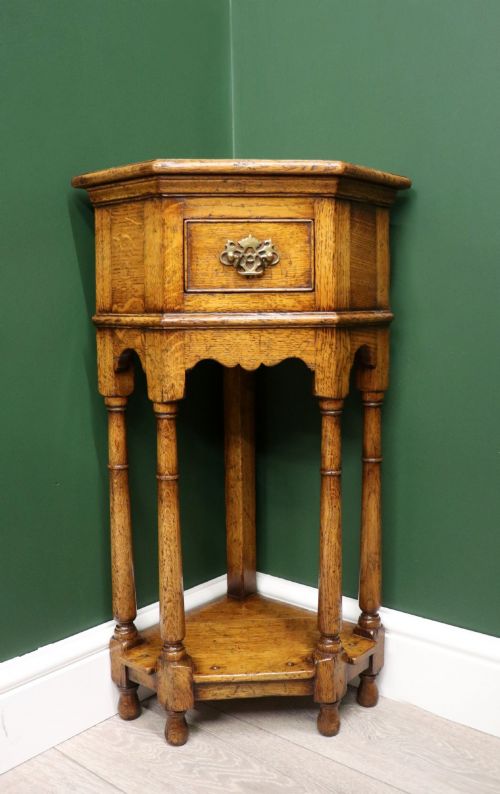
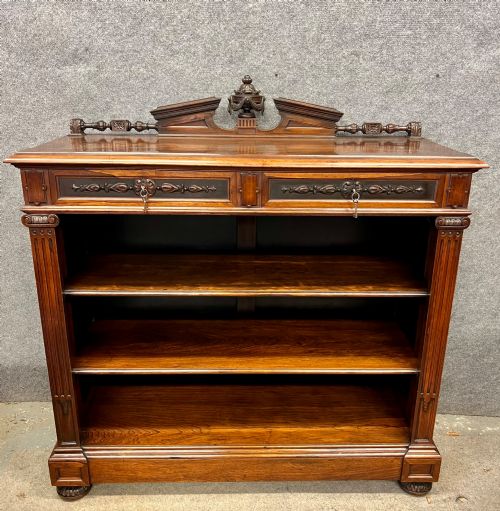
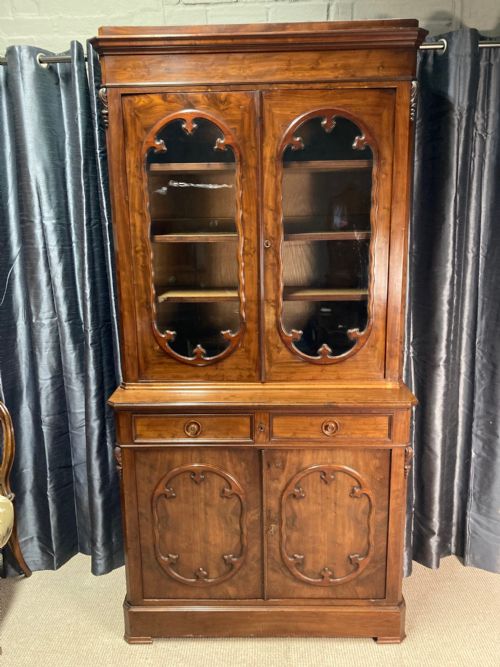
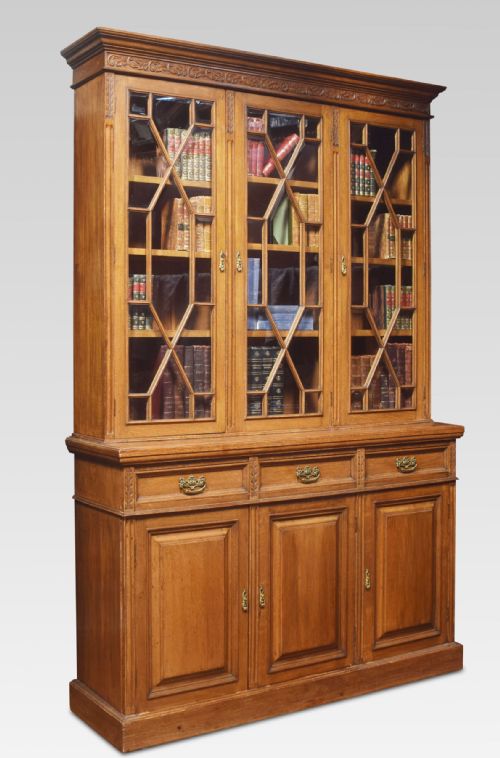
These carved drawer display cabinet pieces combine glazing and timber storage, offering a practical way to house collections while bringing period character to a room.
Carved Drawer Display Cabinet
When you search for a carved drawer display cabinet, you are looking at furniture designed to show and store precious objects using glazed compartments paired with integrated timber drawers. The examples found here span the Georgian, Victorian, Edwardian, and later twentieth-century eras, reflecting shifts in domestic storage over two centuries.
The most common formats on this page include upright bookcases, cabinets on stands, and larger dressers that incorporate carved detailing. These items originate from English and continental workshops, ranging from simpler pine and oak country pieces to highly articulated mahogany and pollard oak designs.
Makers utilised various configurations, from slim single-door compartments to broad multi-drawer bases, adapting the form for parlours, libraries, and shops. The unifying trait across these pieces is the presence of lower storage paired with upper display space, united by traditional craftsmanship.
How they were made
Makers constructed these cabinets using dense native and imported timbers, primarily relying on oak, mahogany, walnut, and pine. Structural framing often employed solid hardwoods for load-bearing sections, whilst secondary timbers like pine appeared in drawer linings and back panels.
Glazing techniques required careful lead or timber framing to support single or multi-pane glass doors safely. Carving was executed by hand directly into the solid wood facade, particularly around drawer fronts, cornices, and lower stands, displaying relief work influenced by Gothic, Renaissance, and Rococo revivals.
Carved Drawer Display Cabinet Retail Price Guide 2026
Typical asking prices for carved drawer display cabinet among the pieces listed under this phrase on Sellingantiques today, from the lower quarter to the upper quarter. They describe what is for sale here now, not the wider market.
Listings feature oak, mahogany, walnut, and pine across Victorian, Georgian, and Edwardian periods.
What varies in quality
The distinction between standard utility items and superior examples lies in the depth of timber selection and the precision of the carving. Finely figured grains such as pollard oak or rich mahogany distinguish upper-tier pieces from simpler pine or standard oak constructions.
Cabinetwork integrity also determines quality, observable in the tightness of dovetail joints on drawers and the smooth operation of glazed doors. Fully integrated proportions and crisp, deep-relief hand carving separate ambitious workshop productions from ordinary commercial furniture.
James Winter and Sons
The Carved Drawer Display Cabinet Glossary
- Bombé
- A swelling, convex outward curve found on the lower fronts and sides of certain Dutch cabinets. This moulded profile requires advanced woodworking skill to execute across drawer fronts.
- Breakfront
- A piece of furniture whose central section projects forward from the flanking wings. This architectural arrangement creates varied shadow and depth across the facade.
- Secretaire
- A desk form featuring a pull-down writing flap that conceals small drawers and pigeonholes. It frequently forms the central middle section of a taller bookcase or cabinet.
- Pollard Oak
- Timber taken from trees that have been pollarded, producing dense wood with intricate, swirling growth rings. It was highly prized for luxury cabinet facades.
- Whatnot
- An open, multi-tiered set of shelves supported by slender pillars, designed for displaying ornaments. Examples often incorporate small storage drawers beneath the shelving tiers.
Carved Drawer Display Cabinet: Frequently Asked Questions
How do I date a carved drawer display cabinet?
Dating relies on observing construction methods, timber choices, and stylistic revival cues. Georgian and Victorian examples typically employ hand-cut dovetails and heavy native hardwoods.
Later twentieth-century versions show different secondary woods and machine-finished elements. Comparing hardware and glass characteristics further clarifies the era of manufacture.
Can these cabinets support heavy books?
Many examples are designed with sturdy adjustable shelving intended for substantial libraries. Solid oak and mahogany frameworks provide the necessary load-bearing strength.
It remains wise to inspect shelf thickness and support pegs before loading weighty volumes. Lighter pine variants suit decorative display rather than dense book storage.
Where should I place a display cabinet?
These pieces suit principal reception rooms, studies, or hallways where their glazed fronts can protect and display objects. Positioning them away from direct sunlight preserves the timber finish and interior contents.
Ensuring adequate floor clearance allows lower drawers to open fully without obstruction.
What is the difference between a bookcase and a display cabinet?
Bookcases traditionally feature open shelving or wooden doors suited for holding volumes. Display cabinets incorporate glazed panels specifically designed to exhibit porcelain, silver, or curiosities.
Many transitional pieces combine both functions through upper glazed display areas and lower drawer storage.