
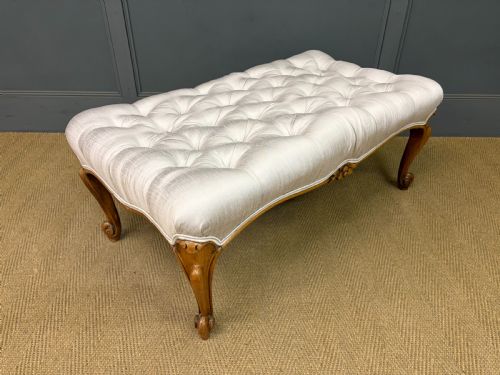
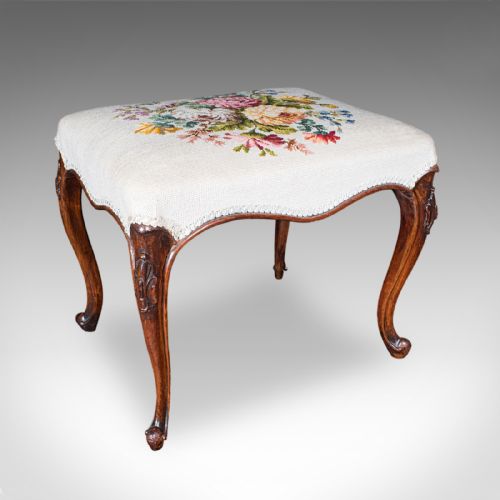
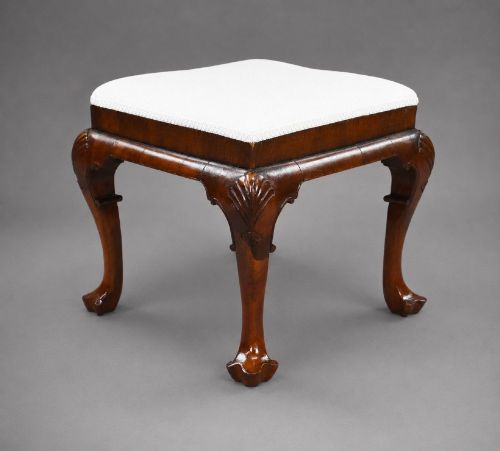
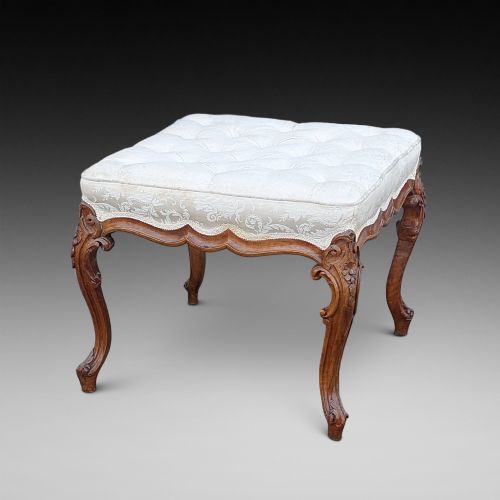
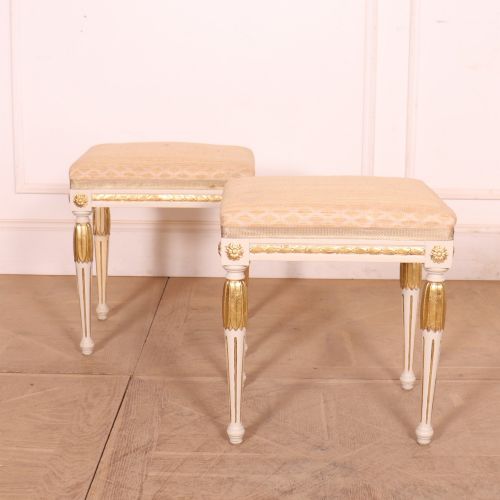


Carved Cream Dressing Stool
A carved cream dressing stool offers a practical perch for the vanity, bringing period charm and upholstered comfort to the bedroom.
Carved Cream Dressing Stool
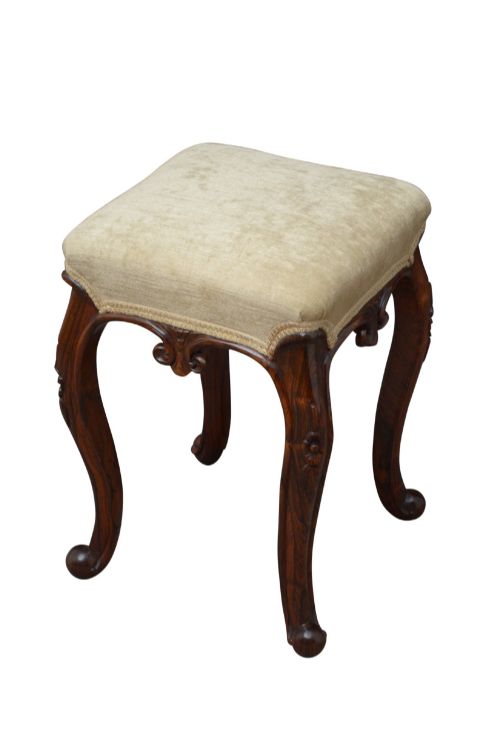
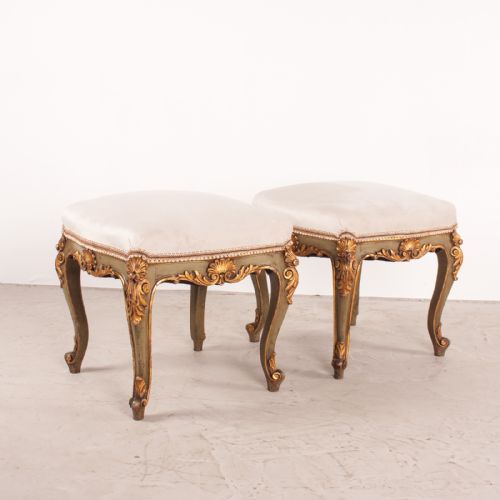
A carved cream dressing stool is typically encountered as a painted or gilded timber seat designed for the bedroom or boudoir, drawing upon Victorian, Edwardian, and continental revival aesthetics. These pieces appear frequently in styles such as Gustavian, Louis XV, and Queen Anne, reflecting historic European design preferences.
The form encompasses low seating designed to sit neatly before a dressing table, often featuring upholstered tops upholstered in various textiles, linen, or needlepoint. Most examples date from the nineteenth and early twentieth centuries, spanning periods from the early Victorian era through to the 1930s.
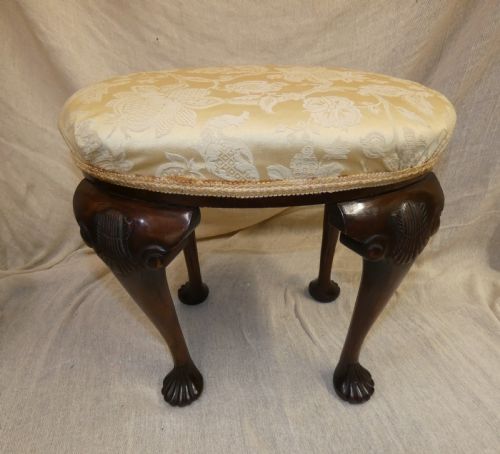
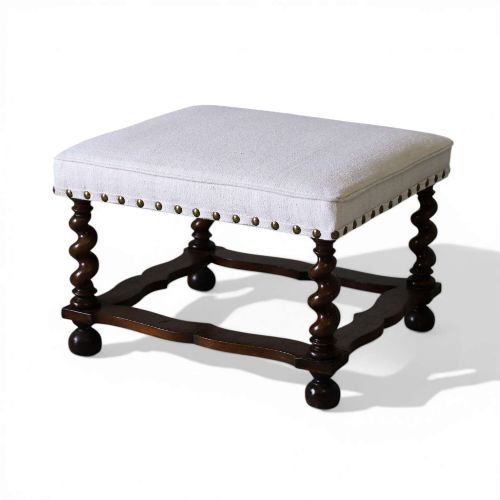
Makers utilised woods like mahogany, walnut, and rosewood beneath painted and gilded finishes, shaping frames with cabriole legs, X-frames, or barley-sugar supports. Buyers encounter both single dressing stools and matched pairs originating from English, French, Swedish, and Italian workshops.
Materials and Construction
Craftsmen built these frames using hardwoods such as mahogany, walnut, and rosewood, alongside softer timbers selected for painted or gilded surfaces. Structural joinery relied on traditional methods to support carved details like cabriole legs, scrollwork, and moulded edges.
Upholstery techniques involved securing fabric, textile, or linen over padding, occasionally finished with intricate needlepoint or brass detailing. Surface decoration combined hand-applied paint, gilding, and clear polishes to enhance the appearance of the timber and carved motifs.
Listings feature frames shaped from walnut, mahogany, and rosewood, alongside painted and gilded wood.
Assessing Quality and Execution
The caliber of a piece rests upon the crispness of the wood carving and the stability of the frame construction, where deep, hand-chiselled details outshine superficial surface mouldings. Superior examples demonstrate balanced proportions and harmonious curves, particularly along cabriole legs or X-frame supports.
The treatment of painted or gilded finishes distinguishes standard utility pieces from finer salon seating, with layered pigments and burnished gilding showing superior craftsmanship. Original upholstery foundations and well-preserved textiles further elevate an example above later alterations.
Miles and Edwards
The Carved Cream Dressing Stool Glossary
- Cabriole leg
- A furniture leg featuring a double curve, stepping outward at the knee and tapering inward toward the foot. This classic shape derives from animal limbs and appears frequently on period seating.
- Gustavian style
- A Swedish interpretation of French neoclassical design characterised by pale painted finishes, restrained carving, and functional elegance. Pieces in this style often display cream or grey tones.
- Needlepoint
- A type of canvas work embroidery utilised for durable upholstery on historical seats. Stitched designs often incorporate floral or geometric patterns.
- X-frame
- A structural furniture base formed by intersecting diagonal members resembling the letter X. This configuration provides robust support for curule stools and folding forms.
- Giltwood
- Timber coated with a thin layer of gold leaf or powder over a prepared base. This decorative technique adds a reflective metallic sheen to carved mouldings.
Carved Cream Dressing Stool: Frequently Asked Questions
What distinguishes a dressing stool from a footstool?
A dressing stool is built taller and designed specifically for seated comfort at a vanity or dressing table, offering adequate leg clearance and a stable upholstered top.
Footstools, by contrast, sit much lower to the floor and are intended primarily for supporting feet while relaxing in an armchair or fireside seat.
How do I identify a Gustavian style stool?
Gustavian pieces are recognised by their pale painted surfaces, typically featuring soft creams, greys, or muted whites, combined with restrained neoclassical carving.
Originating in Sweden, these stools emphasise clean lines, fluted tapered legs, and functional simplicity rather than heavy ornamentation.
Where should I place a boudoir stool?
These compact seats fit naturally beneath bedroom dressing tables, serving as both functional furniture and decorative accents.
They also work effectively as freestanding perches in hallways, dressing rooms, or alongside bedroom chests where space is limited.
How do I care for antique painted wood?
Maintain painted and gilded surfaces by dusting gently with a dry, soft cloth to prevent particulate accumulation.
Avoid liquid cleaners, waxes, or solvents that might lift fragile historic paint layers or damage delicate gilt finishes.