




Carved Claw Ring Band
A carved claw ring band holds gemstones within metal settings that mimic animal talons, offering an enduring blend of security and distinct ornamentation.
Carved Claw Ring Band
A carved claw ring band brings together historic jewellery designs from the Victorian, Edwardian, and mid-twentieth-century periods. These pieces predominantly take the form of five-stone rings, solitaire arrangements, trilogy settings, and half-hoop designs.
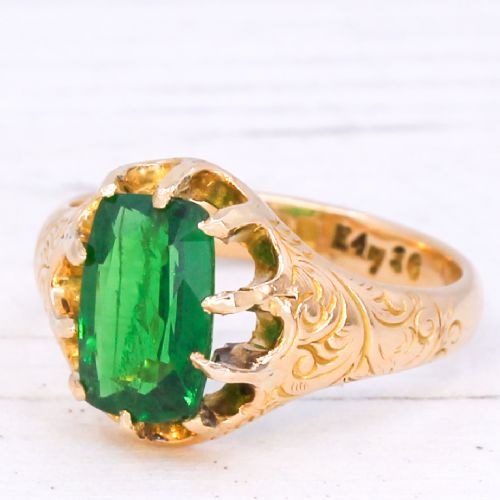
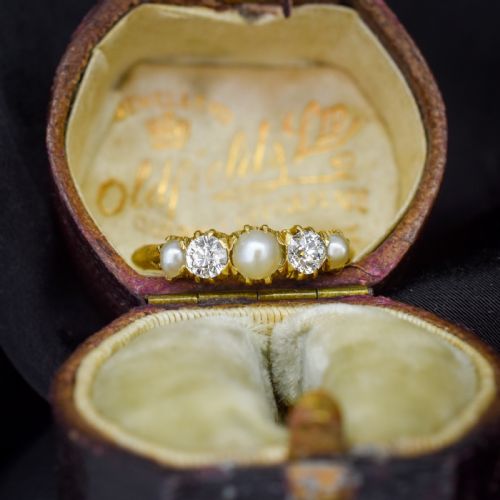
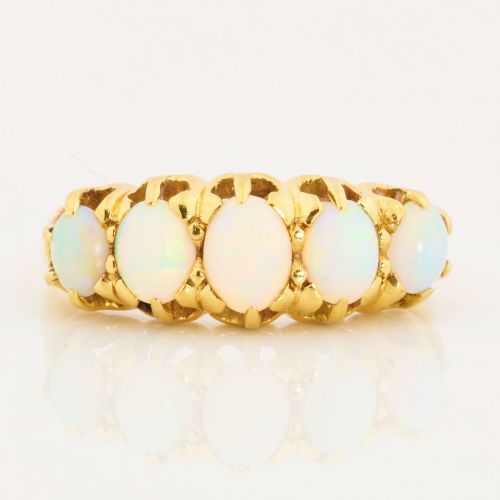
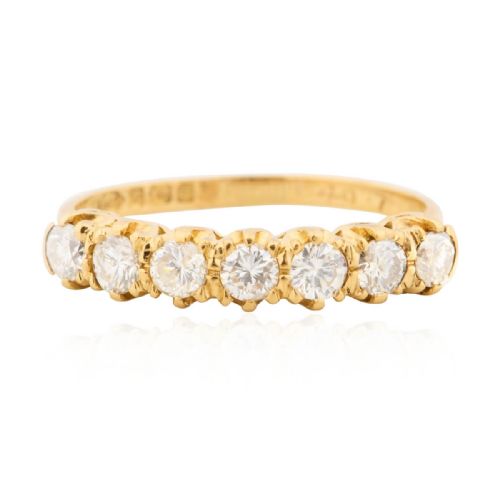
Buyers browsing this selection encounter rings fashioned from 18ct yellow gold and platinum, often incorporating stones such as diamonds, sapphires, tsavorite garnets, opals, emeralds, and pearls. The forms range from the turn of the century through to the 1950s and 1960s, reflecting classical fine jewellery traditions.
The style relies heavily on secure stone retention through visible claw work, which shapes the precious metal into the likeness of bird or animal talons. This construction method secures the gems while adding sculptural texture directly to the band and shoulders.
Materials and construction methods
Goldsmiths utilised 18ct yellow gold and platinum to build the structural foundations for these rings, pairing durable metals with precious gemstones like old-cut diamonds and sapphires. The metal was cast or hand-worked into position before jewellers meticulously shaped the claws around each stone.
Gemstone selection dictates the visual balance, featuring old mine-cut diamonds, pearls, and vibrant green tsavorite garnets alongside opals and emeralds. Hand-carving techniques defined the metalwork, ensuring the claws gripped the stones firmly while presenting a refined profile.
Claws were sometimes carved so realistically that tiny knuckles and grip lines were filed into the gold to fool overly curious admirers.
Evaluating craftsmanship and distinction
Quality rests upon the precision of the metalwork where the claws meet the gemstone, distinguishing finely executed talons from heavier, less refined settings. The proportional balance between the size of the stones and the gauge of the 18ct gold or platinum band defines the overall harmony of the piece.
The choice and matching of stones further separate examples, with uniform diamond old-cuts or vivid sapphires demonstrating superior curation. Evidence of crisp hand-carving in the metal settings preserves the character intended by the original maker.
The Carved Claw Ring Band Glossary
- Claw setting
- A mounting where metal prongs hold a gemstone in place. This technique maximises the amount of light entering the stone.
- Old cut
- A diamond facet style cut by hand before modern machinery. These stones typically feature smaller tables and higher crowns.
- Trilogy ring
- A ring featuring three main gemstones, often interpreted as representing the past, present, and future. They frequently employ claw or collet mountings.
- Half hoop ring
- A band where gemstones are set across the upper half of the circumference. This style gained popularity during the Victorian and Edwardian eras.
- Platinum
- A dense, durable precious metal utilised for fine jewellery settings. Its strength allows for delicate yet secure claw work.
Carved Claw Ring Band: Frequently Asked Questions
What is a carved claw ring band?
It is a ring where the precious metal holding the gemstones is shaped to resemble animal claws or talons.
These pieces typically date from the Victorian, Edwardian, and mid-twentieth-century periods, showcasing various stones set in 18ct gold or platinum.
How do I care for antique rings?
Regular gentle cleaning in warm soapy water helps maintain the brilliance of the stones and metal.
Avoiding harsh chemicals and removing the rings during heavy physical work protects the delicate claw settings from damage.
Are these rings suitable for daily wear?
Many of these pieces are robust enough for everyday use provided the settings receive routine inspection by a jeweller.
Softer gems like opals or pearls require greater care than diamonds or sapphires to prevent surface scratches.
How can I tell the period of a ring?
Stylistic clues such as gemstone cuts, mounting profiles, and specific metal choices indicate the likely era of manufacture.
Hallmarks stamped inside the band often provide definitive information regarding the assay office and year of creation.