
Carved Chinese Furniture
Carved chinese furniture brings dense rosewood, marble inserts and intricate dragon motifs straight into a room from nineteenth-century workshops.
Carved Chinese Furniture
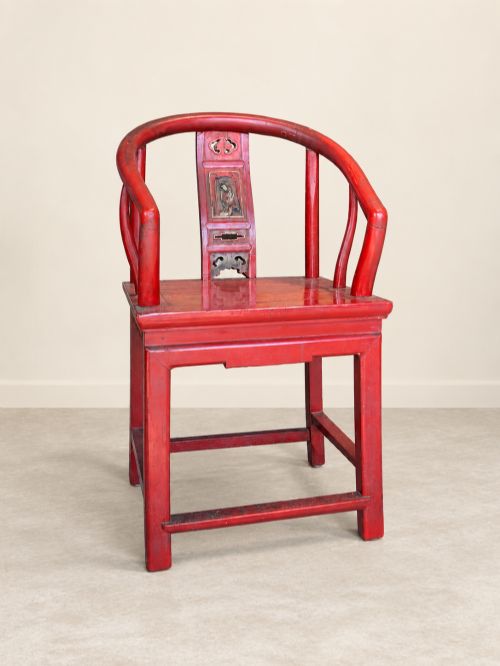
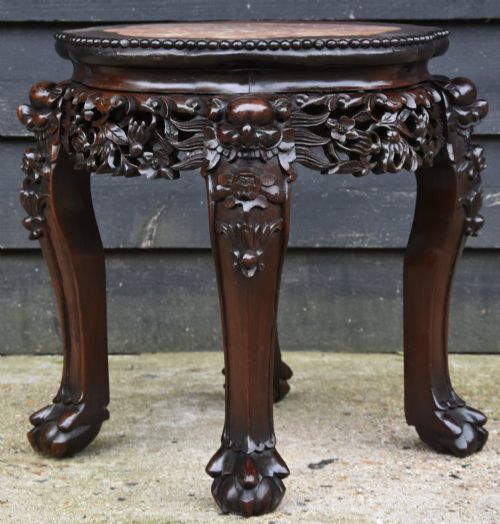
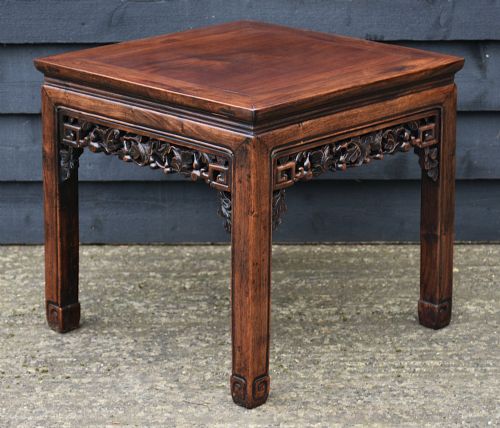
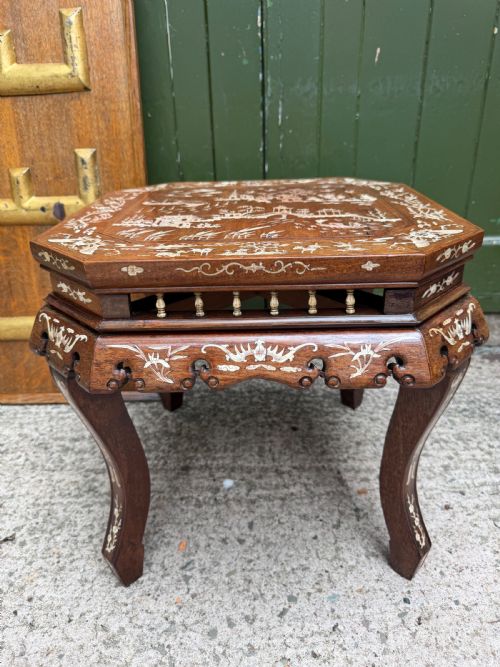
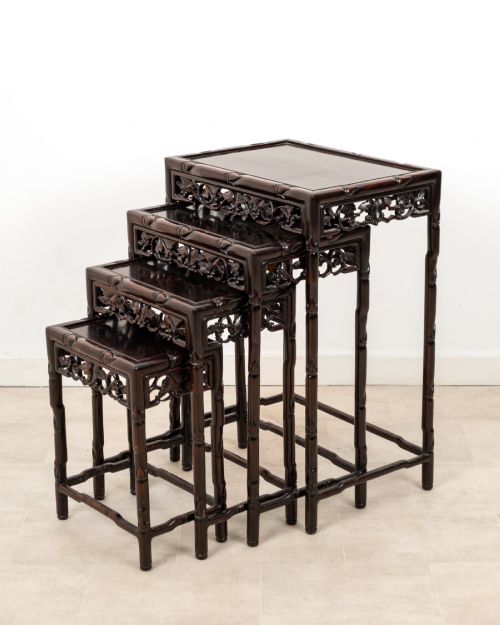
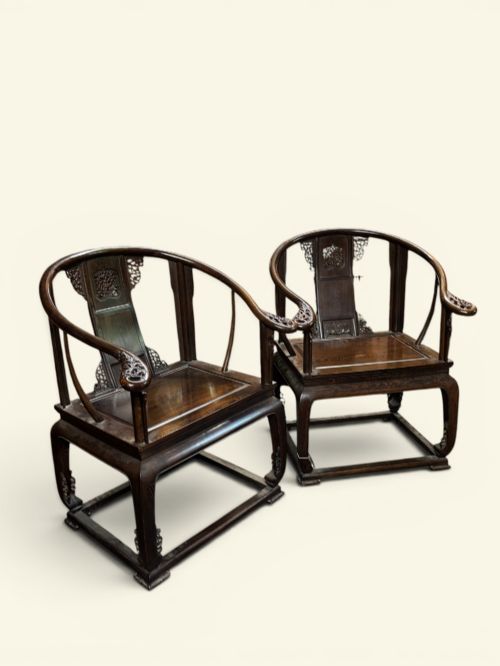
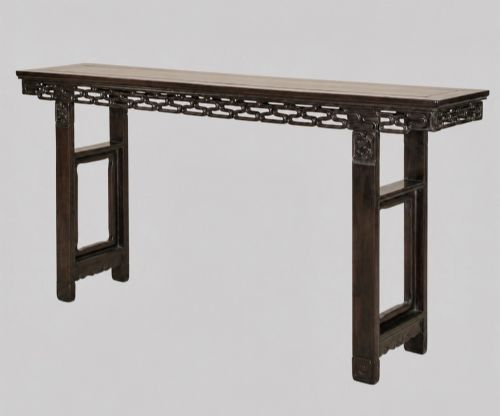
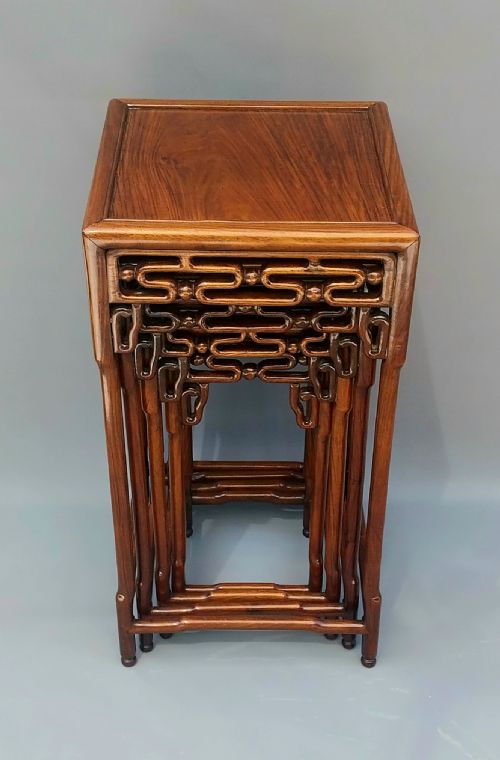
Carved chinese furniture covers a diverse range of domestic and display forms originating from late Qing dynasty traditions through the early twentieth century. Buyers encounter everything from low plant stands and horseshoe-back armchairs to nests of tables, altar tables, and large hall benches.
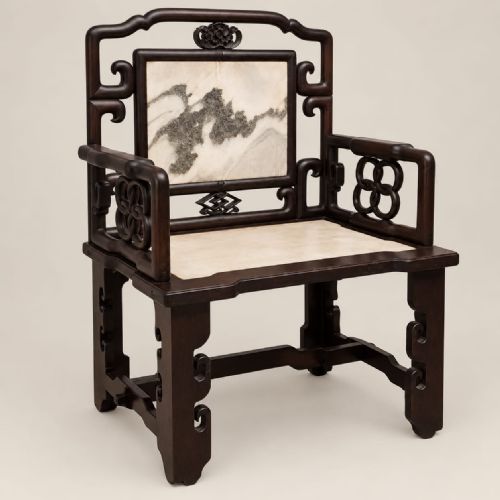
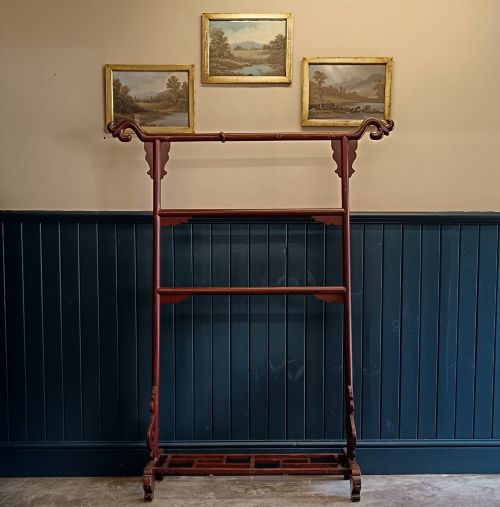
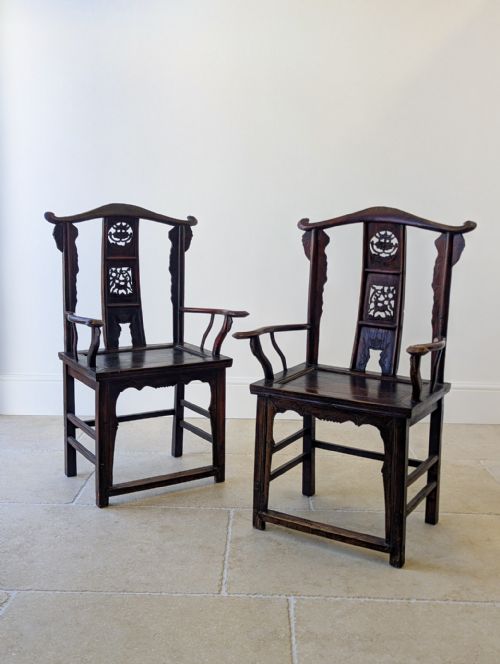
The objects span formal reception rooms and scholar studios, utilising traditional forms such as yoke-back armchairs, lamp hanger chairs, and multi-tier display cabinets. Most examples seen here date from the nineteenth century, including specific decades like the eighteen-eighties and eighteen-nineties alongside nineteen-hundred pieces.
Regional and export varieties appear side by side, connecting rustic elm dressers and provincial pieces with elaborate Hongmu parlour suites and Chinese export lacquer work-tables. The selection reflects both domestic Chinese seating and furniture tailored for Western markets during the Victorian era.
How they were made
Construction relies heavily on dense tropical hardwoods like rosewood, Hongmu, and padouk, alongside domestic timbers such as elm and general wood. Cabinetmakers utilised traditional joinery methods to build robust frames capable of supporting heavy marble tops and deep relief carving without metal fasteners.
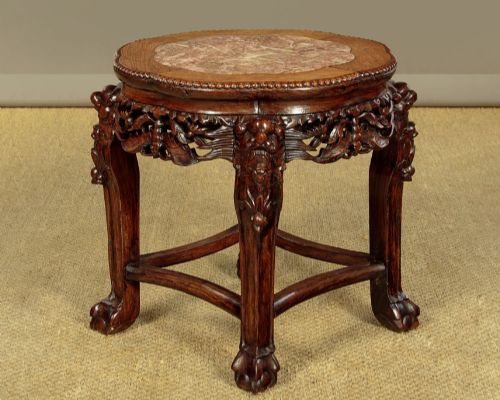
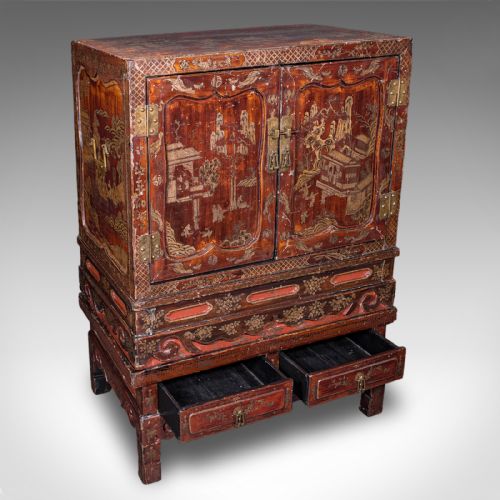
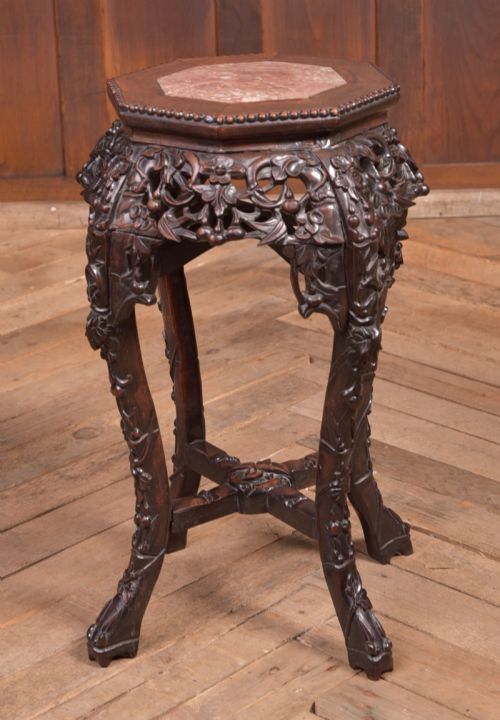
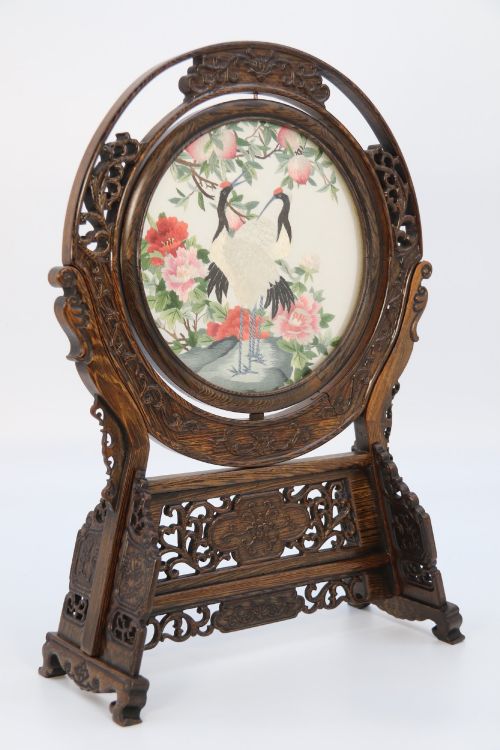
Surface decoration incorporates contrasting materials, applying inset rouge marble slabs, inlaid elements, and applied brass fittings onto dark wood surfaces. Lacquer work appears frequently, using black and cinnabar lacquer combined with gilded decoration and double-sided silk embroidery.
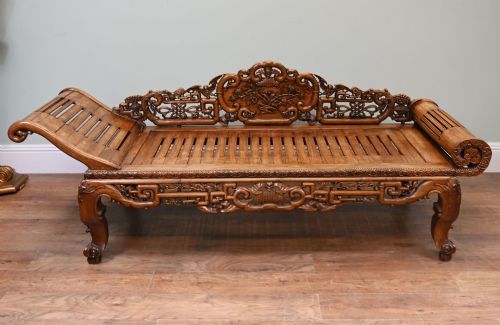
Carving technique dictates the visual depth of panels, aprons, and splats, rendering dragons, floral motifs, and geometric patterns directly into the hardwood structure. Artisans also employed painted finishes on specific chairs and cabinets tailored for export tastes.
Several armchairs are recorded simply as concubine chairs, bringing a Victorian romanticism directly into nineteenth-century seating taxonomy.
What varies in quality
The density and selection of the timber dictate the baseline substance of each piece, distinguishing heavy Hongmu and rosewood from lighter auxiliary woods. Superior examples maintain crispness in the hand-chiseled relief carving around aprons, chair splats, and table edges.
The integrity of inset panels, such as marble tops or lacquer inserts, separates standard utility items from high-status reception furniture. Refined proportions in yoke-back and horseshoe-back armchairs demonstrate superior structural balance and joinery skill.
The Carved Chinese Furniture Glossary
- Hongmu
- A dense, heavy Chinese hardwood prized for furniture production. It often resembles rosewood and takes a fine dark polish.
- Yoke-back armchair
- A traditional Chinese chair style featuring a top crestrail that curves outward resembling an ox yoke. This form provides ergonomic head support.
- Altar table
- A long, narrow rectangular table with upturned flange ends historically used for ritual offerings. In domestic settings, they serve as prominent console tables.
- Cinnabar lacquer
- A decorative surface finish created by layering numerous coats of red lacquer onto a base. Artisans then carve intricate patterns directly into the thick hardened pigment.
- Jardiniere stand
- A tall pedestal or low table designed specifically to elevate plant pots and flower arrangements. They frequently incorporate marble inserts to protect the wood from moisture.
Carved Chinese Furniture: Frequently Asked Questions
How do I use a horseshoe-back armchair today?
Horseshoe-back armchairs work well as standalone statement pieces in living rooms or studies due to their curved, continuous rail. Their sculptural silhouette complements modern minimalist interiors just as effectively as traditional settings.
Because the wood is dense hardwood, pairing them with a simple low coffee table or placing one in a corner creates a distinct focal point. They provide sturdy seating while maintaining an open, airy visual footprint.
What is the difference between an altar table and a side table?
Altar tables are traditionally longer and narrower, often distinguished by upturned flanges at the short ends of the top surface. They were originally built for ceremonial displays rather than everyday tasks.
Standard side tables and coffee tables feature flat edges and standard proportions intended for daily domestic use. Altar tables work best placed flat against a hallway or living room wall as a console.
How do I care for antique marble-top stands?
The marble insert requires simple dusting with a soft dry cloth and immediate wiping of any liquid spills. Avoid harsh chemical cleaners that can dull the polished stone surface.
The hardwood frame benefits from occasional waxing with natural beeswax to maintain the patina. Keep these stands away from direct heat sources to prevent timber movement around the stone inset.
Are nest of tables practical for daily use?
A nest of four tables offers exceptional versatility because the smaller units tuck neatly beneath the largest table when not needed. They provide flexible surface space for drinks or lamps during gatherings.
Constructed from solid hardwood like rosewood, these graduated tables handle regular movement easily. Their interlocking design allows you to separate them across a room or store them compactly.