
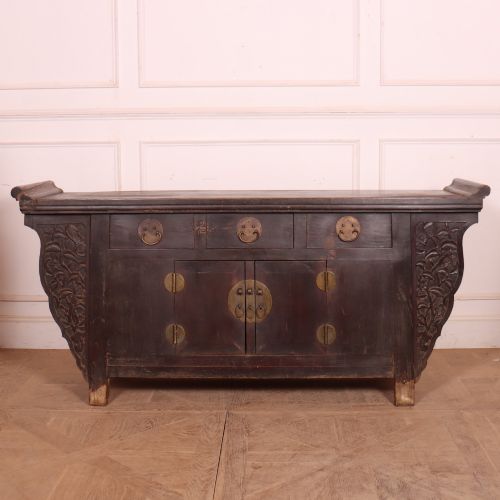
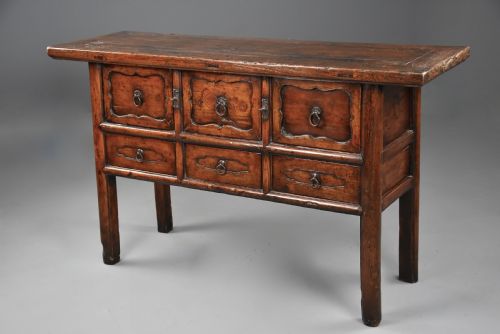
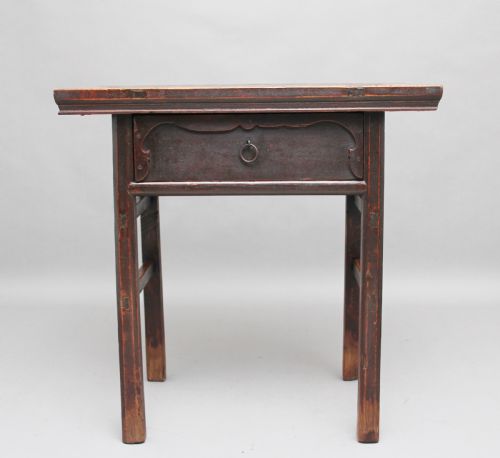


Carved Chinese Elm Table
A carved chinese elm table brings tactile warmth and structural honesty into a room, offering robust timber surfaces shaped by traditional regional craft.
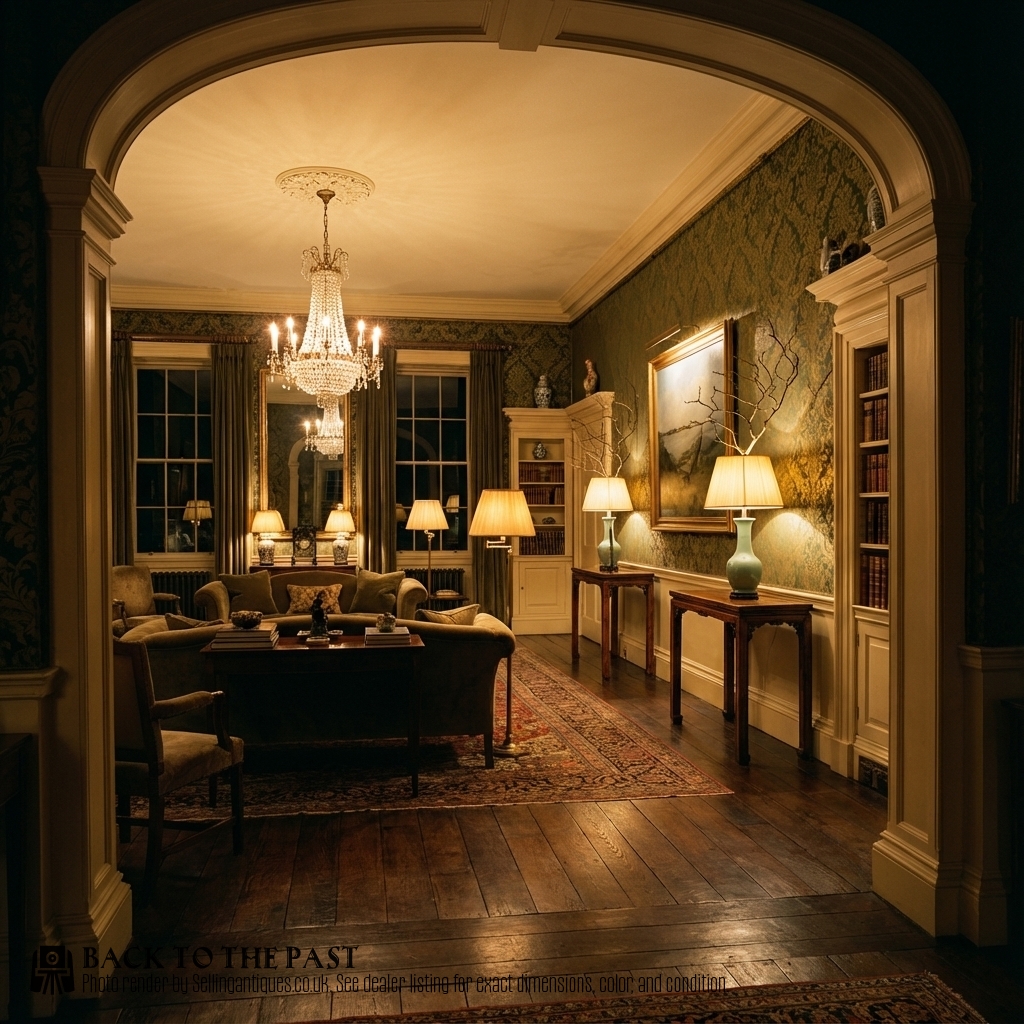
Carved Chinese Elm Table
A carved chinese elm table encompasses practical domestic furniture and ritual pieces created across the eighteenth, nineteenth, and early twentieth centuries. These items range from low coffee and occasional tables to substantial altar tables, console tables, writing desks, and sideboards.
Provincial workshops and regional makers produced these designs within the Qing Dynasty tradition and broader Chinese vernacular styles. Elm and mixed hardwoods form the primary substance, often paired with brass or iron hardware to create resilient furniture for daily use or ceremonial spaces.
Materials and construction
Local joiners utilised elm and dense regional timber, valuing the wood for its visible grain and structural toughness. Artisans shaped these materials using traditional joinery methods that accommodated seasonal expansion and contraction without relying on modern metal fasteners.
Surfaces frequently display carved detailing, complemented by iron or brass fittings and occasional lacquer finishes. Over decades of use and waxing, the timber develops a deep patina that highlights the natural figuring of the elm.
Many an altar table spent its youth holding ancestor tablets before retiring to a quiet modern hallway to hold car keys.
Judging the work
Quality rests on the integrity of the joinery and the depth of the timber's patina rather than surface ornamentation alone. Pieces displaying crisp, purposeful carving and balanced proportions demonstrate superior regional craftsmanship.
The survival of original hardware, such as brass pulls or iron reinforcement plates, adds significant merit. A healthy surface texture, achieved through generations of handling and natural wear, distinguishes exceptional examples from lesser items.
The Carved Chinese Elm Table Glossary
- Elm
- A resilient hardwood prized for its interlocking grain and durability in domestic furniture. This timber forms the structural core of many regional pieces.
- Altar table
- A long, narrow table traditionally used for ceremonial displays or ancestral veneration. These forms feature distinct raised ends or flanged tops.
- Patina
- The surface sheen and colour depth developed by timber over decades of handling and polishing. It serves as an indicator of age and genuine use.
- Console table
- A wall-mounted or freestanding narrow table designed for display. In Chinese furniture, these often share architectural profiles with altar designs.
Carved Chinese Elm Table: Frequently Asked Questions
How do I date a Chinese elm table?
Dating relies on construction methods, timber maturity, and surface wear rather than explicit maker marks. Eighteenth and nineteenth-century pieces show hand-cut joinery and aged patination unique to their period of service.
Changes in hardware styles and regional woodworking traditions also help narrow the decade of production. Examining the underside and interior joints reveals the true age of the timber.
Where should I place a low table?
Low tables function well as central coffee tables in living spaces or as display surfaces beneath windows. Their modest height suits rooms where maintaining an open sightline matters.
Pairing them with low seating creates a balanced arrangement rooted in traditional interior layouts. Ensure the surrounding floor space allows the carved details to remain visible.
Are these tables sturdy enough for daily use?
Traditional joinery makes these pieces exceptionally stable and robust for contemporary living. The inherent toughness of elm wood handles regular placement of objects without difficulty.
Routine care involves simple dusting and occasional waxing to protect the timber surface. Avoid placing them near direct heat sources to prevent the wood from drying out.
What defines a Qing Dynasty aesthetic?
The Qing style balances functional restraint with expressive carved motifs rooted in regional craft. Artisans focused on clean architectural lines that let the grain of the elm take prominence.
Subtle flanging, recessed leg placements, and modest apron carvings are typical hallmarks of this period. Every detail serves both a structural and a visual purpose.