

Carved Chinese Cabinet
A carved Chinese cabinet brings dense hardwood, rich lacquer and intricate openwork into a room.
Carved Chinese Cabinet
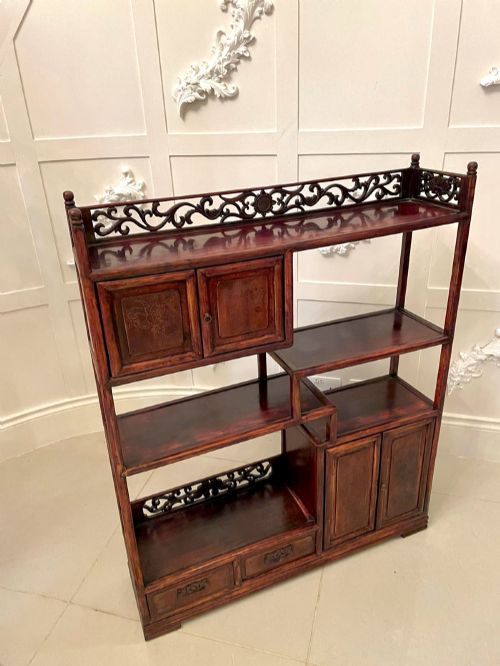
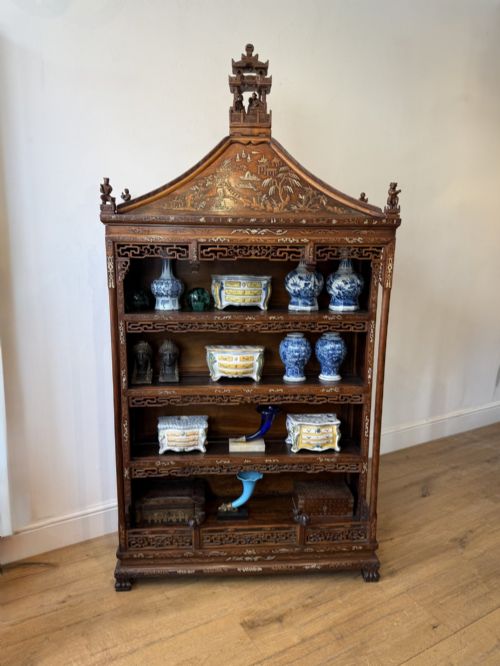
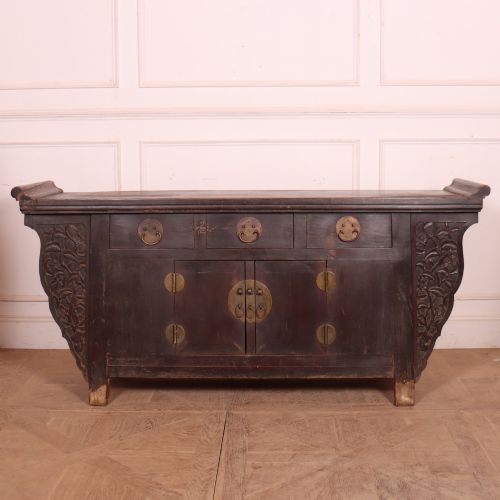
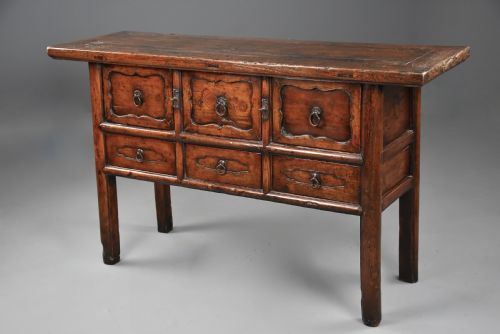
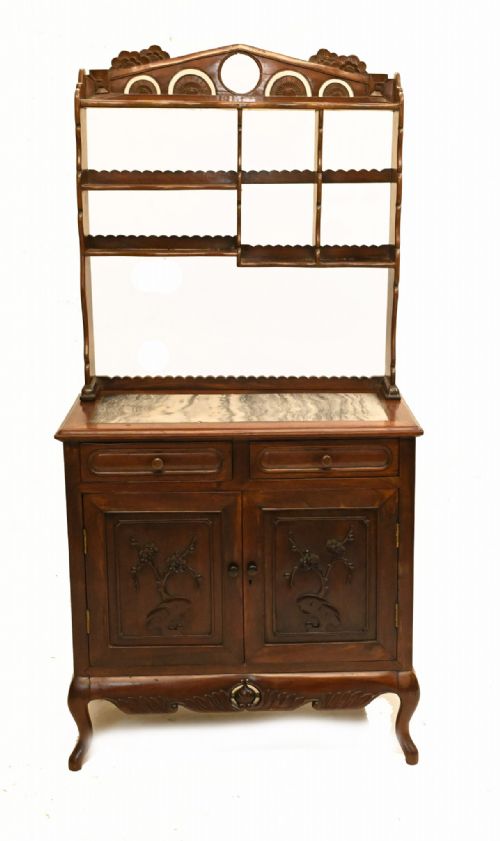
A carved Chinese cabinet brings tangible history into a domestic interior, spanning display cabinets, marriage cupboards and sideboards. These pieces range from the 18th century through the Victorian era and into the early 20th century, capturing traditional forms alongside export adaptations. The version most commonly met here is the 19th-century hardwood or lacquered display cabinet, often detailed with carved motifs.
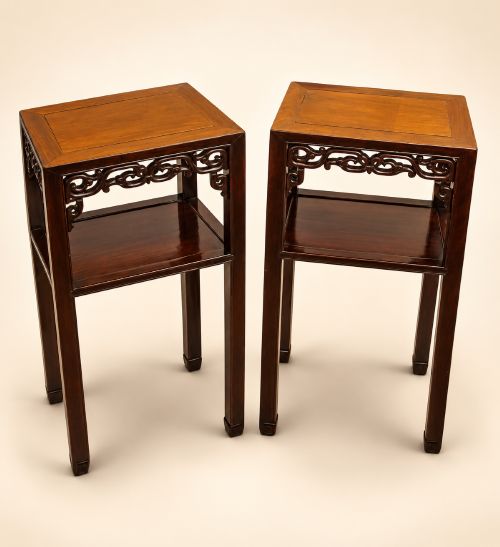
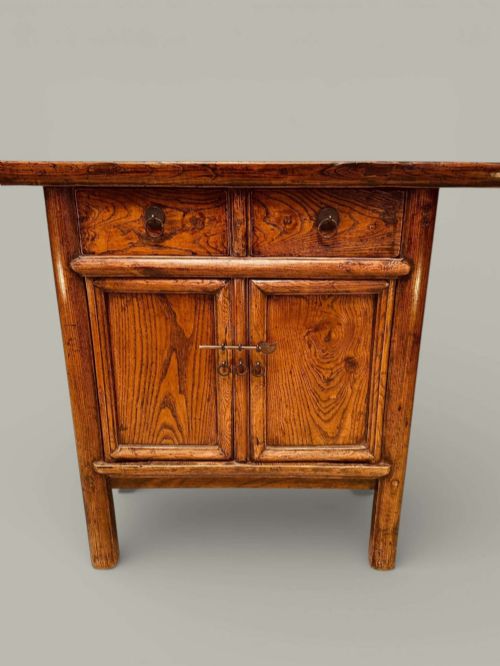
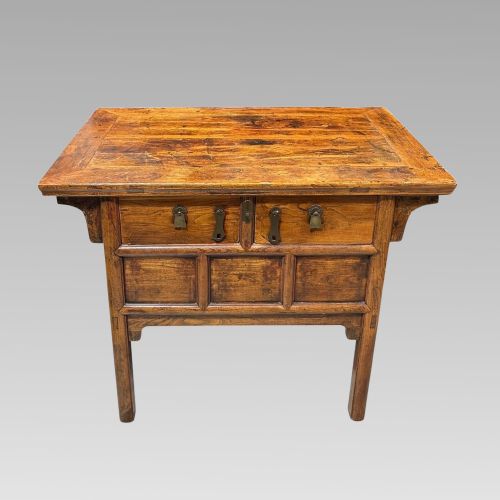
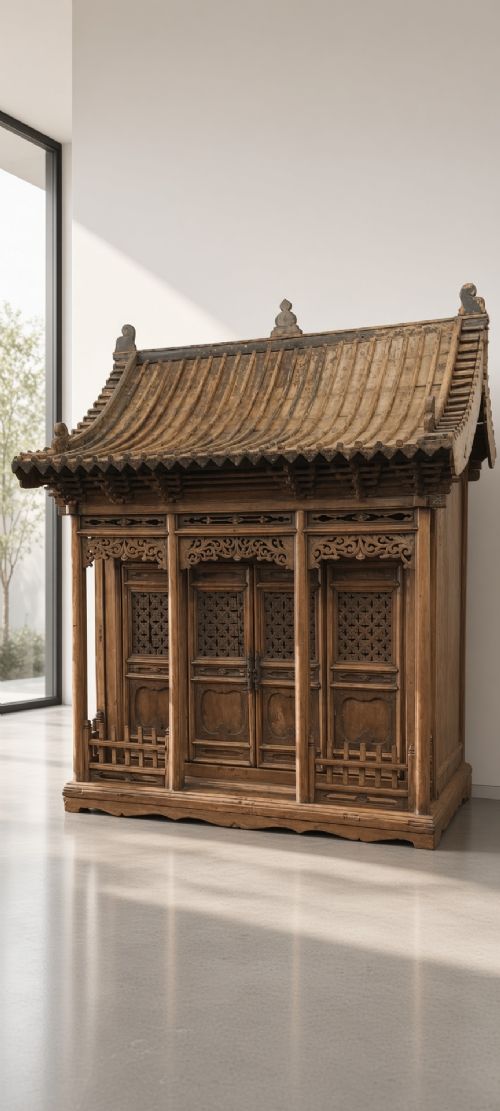
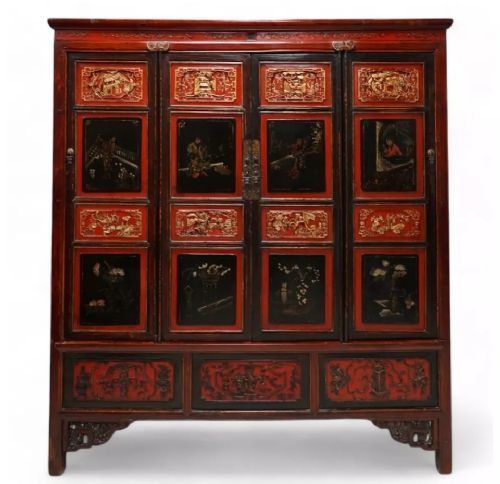
Makers drew on distinct regional and period styles, including Qing Dynasty designs, Chinoiserie interpretations, and Chinese Chippendale revivals. Forms vary from monumental red lacquer cupboards to compact table cabinets and compound wardrobe units. Buyers encounter everything from rustic elm dressers to formal rosewood and zitan display pieces.
Origins stretch across Chinese workshops and European revival studios influenced by Oriental aesthetics. Structural types include open cabinets, glazed display furniture, and freestanding cupboards fitted for domestic storage or display. Each piece reflects the functional needs of its era, whether for holding porcelain, garments, or precious objects.
How they were made
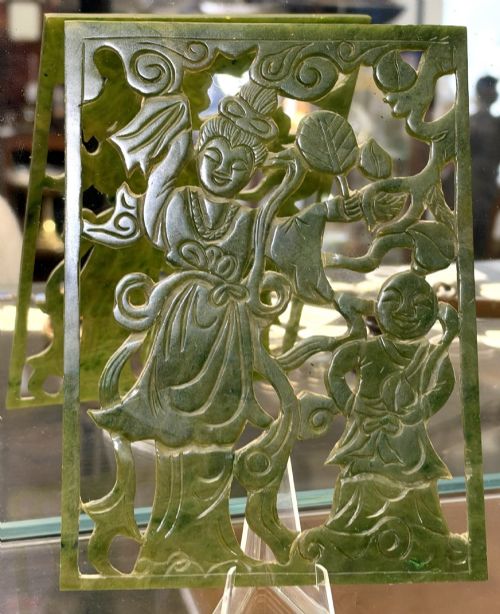
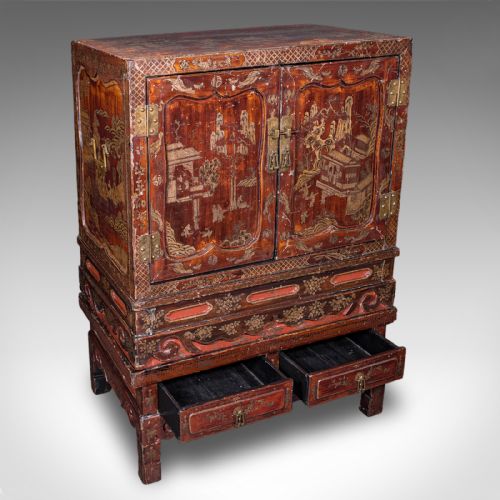
Construction relies heavily on dense hardwoods such as rosewood, hongmu, elm and zitan, frequently joined using traditional woodworking techniques without metal nails. Carvers executed intricate openwork, relief panels and figural scenes directly into the timber or built up layered surfaces with red, black and cinnabar lacquer.
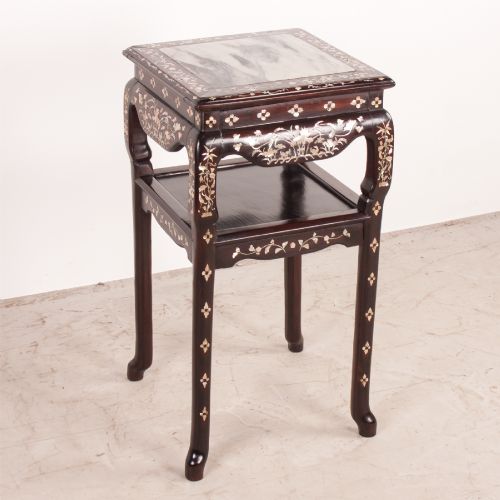
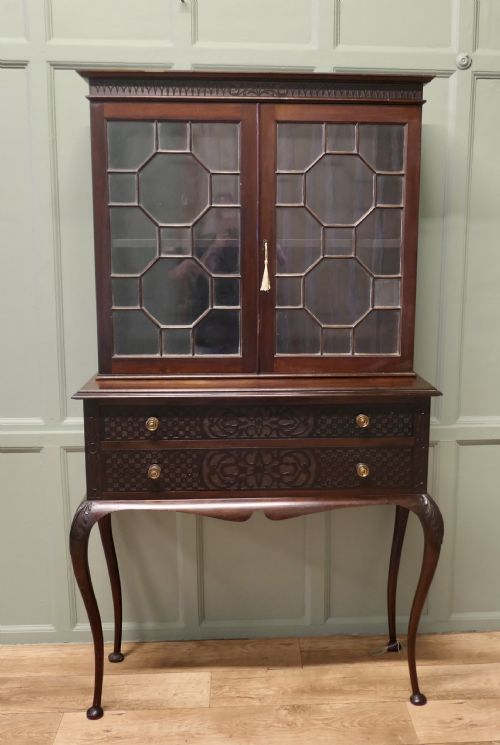
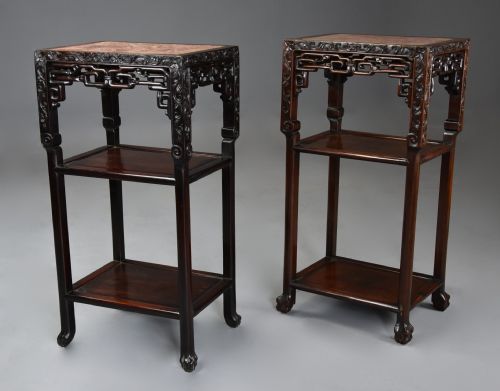
Decorative embellishments often incorporate brass hardware, mother of pearl inlay, and inset marble panels to contrast with dark wood frames. Glazed doors utilise astragal bars to segment glass panes, whilst lacquered pieces receive multiple coats sanded to a smooth finish beneath carved details.
Carved Chinese Cabinet Retail Price Guide 2026
Typical asking prices for carved chinese cabinet among the pieces listed under this phrase on Sellingantiques today, from the lower quarter to the upper quarter. They describe what is for sale here now, not the wider market.
Listings span the 18th, 19th, and early 20th centuries, featuring materials from marble and brass to rosewood, elm, and cinnabar lacquer.
What varies in quality
Depth and crispness of the carving distinguish standard production from master craftsmanship, particularly where openwork prunus or dragon motifs appear. The choice of primary material dictates baseline merit, with heavy zitan and dense rosewood commanding greater presence than softer pine or basic elm.
Condition of the lacquer surface and integrity of joinery determine long-term stability, as shrinkage in timbers can affect fitted doors and panels. Original hardware, intact glass panes, and well-preserved marble inserts elevate a piece above later replacements or heavily restored examples.
The Carved Chinese Cabinet Glossary
- Lacquer
- A durable finish applied in multiple layers using processed tree sap, often coloured red or black and carved when dry. This technique creates a smooth, glossy surface capable of holding exceptionally fine relief detail.
- Hardwood
- Dense timber such as rosewood, hongmu or zitan chosen for structural strength and rich natural grain. These woods resist warping and take sharp chisel work during carving.
- Chinoiserie
- European decorative style imitating Chinese artistic motifs and forms, popular during the 18th and 19th centuries. It appears frequently in British adaptations of oriental furniture.
- Qing Dynasty
- The final imperial dynasty of China, spanning from 1644 to 1912 and defining much of the antique furniture design seen today. Pieces from this era often feature traditional dragon or floral symbolism.
- Hongmu
- A category of dense, dark tropical hardwoods used in traditional Chinese furniture making. The term translates to red wood and encompasses several heavy species valued for their deep colour.
Carved Chinese Cabinet: Frequently Asked Questions
What is a marriage cabinet?
A marriage cabinet is a traditional Chinese storage piece, often finished in red lacquer, traditionally given as a wedding gift.
These large cupboards provided essential storage for household linens, garments and valuables in the family home.
How do I identify a Qing Dynasty piece?
Qing Dynasty furniture is identified by traditional joinery methods, dense Asian hardwoods like hongmu or zitan, and specific decorative motifs.
Stylistic markers include carved dragons, longevity symbols, and architectural forms that reflect imperial or scholarly aesthetics.
Where should I place a display cabinet?
A display cabinet suits a drawing room, dining space or hallway where it can safely hold ceramics, glass or small sculptures.
Keep these pieces away from direct sunlight and strong heat sources to protect delicate lacquer work and dry timber.
What is Chinese Chippendale?
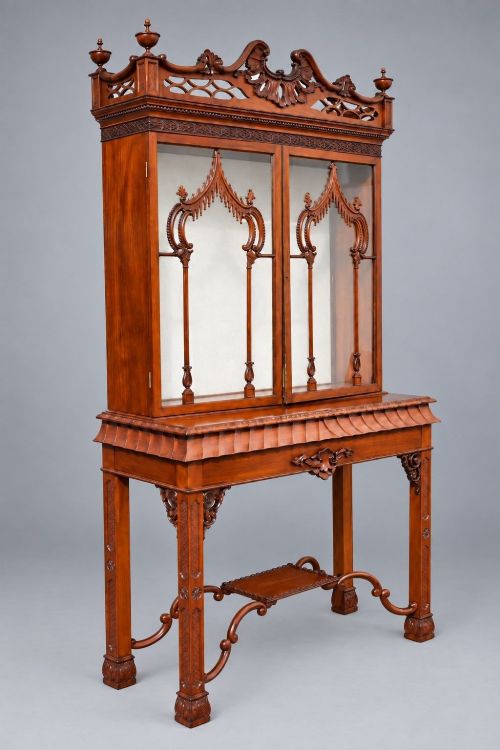
Chinese Chippendale refers to 18th-century and Victorian revival furniture incorporating European interpretations of Chinese fretwork and motifs.
Mahogany was typically used to build these cabinets, featuring intricate glazed doors and pagoda-inspired silhouettes.
How do I care for antique lacquer?
Antique lacquer requires dusting with a soft, dry cloth and protection from excessive moisture and sudden temperature changes.
Avoid using modern chemical polishes or abrasive cleaners which can permanently dull or damage the original layered surface.