



Carved Brown Nightstands
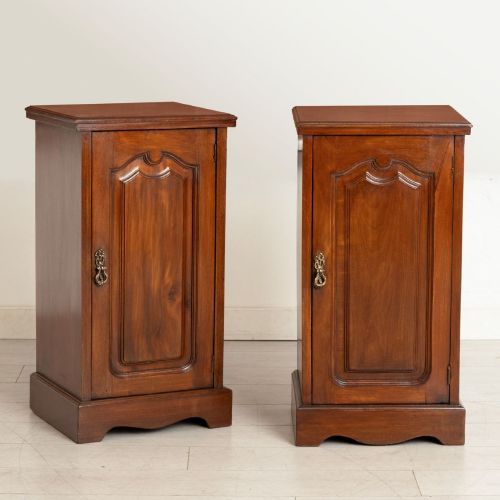
Carved brown nightstands are practical bedside pieces in rich timber that ground a bedroom scheme with warmth and texture.
Carved Brown Nightstands
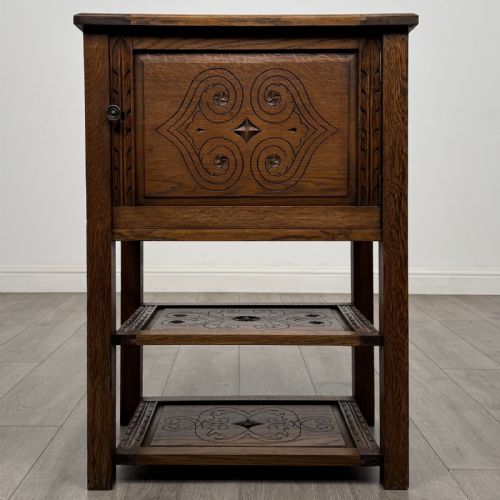
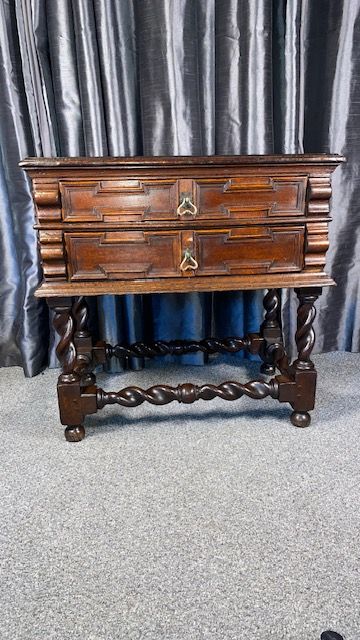
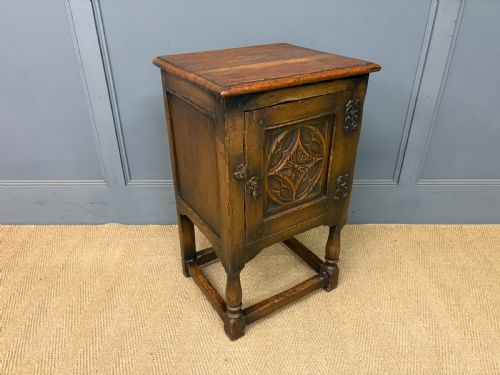
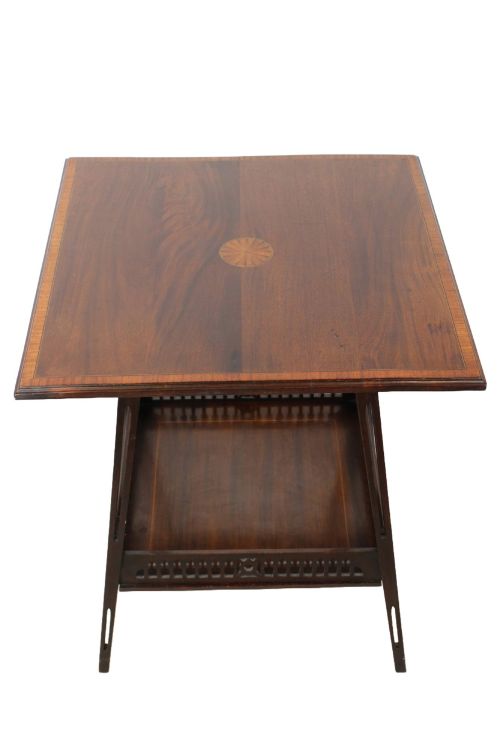
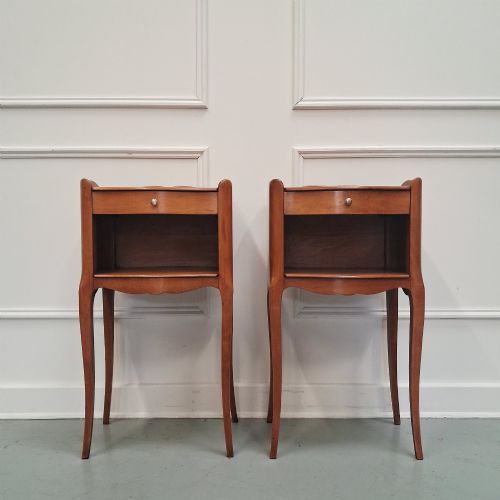
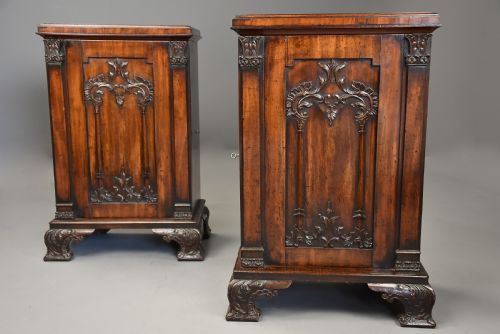
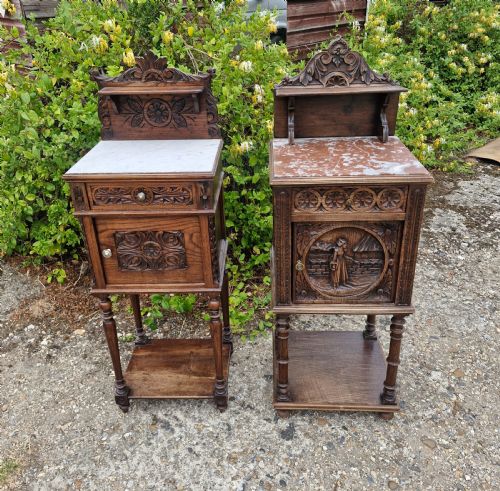
When you search for carved brown nightstands, you encounter functional bedside pieces spanning the Victorian, Edwardian, and Art Deco eras, alongside earlier revival styles. These objects take the form of bedside cabinets, side tables, pedestal cupboards, and pot cupboards designed to sit beside a bed.
The selections on this page are predominantly constructed from walnut, oak, and mahogany, reflecting the heavy reliance on these dark timbers in nineteenth and early twentieth-century domestic furniture. French provincial and English cabinetmakers produced these compact items to provide enclosed storage or surface space within the bedroom.
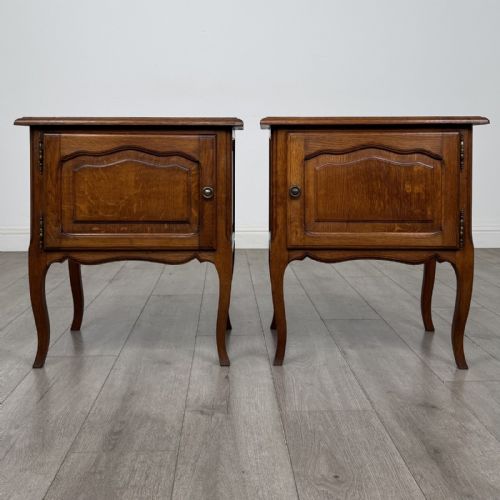
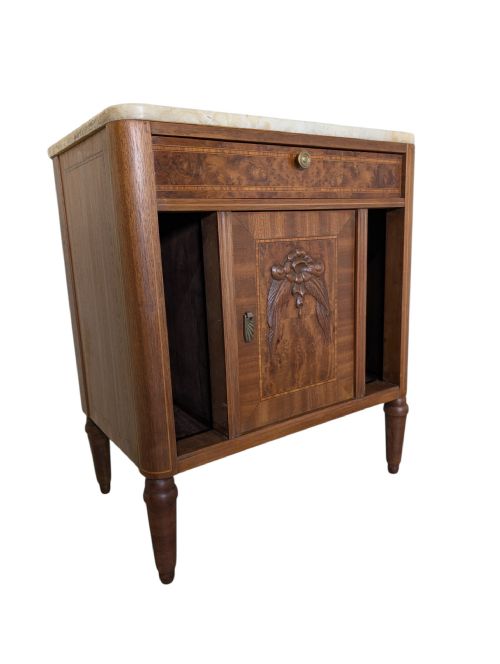
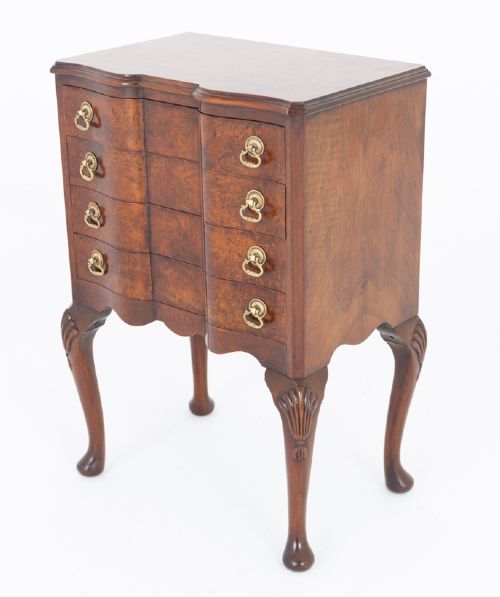
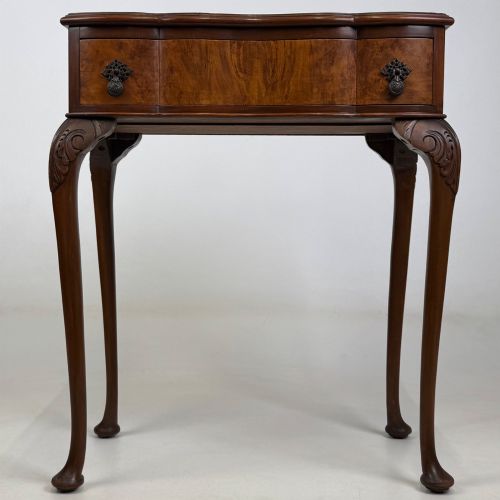
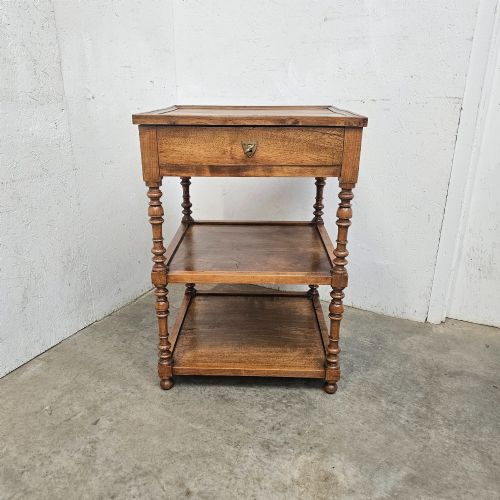
Buyers frequently meet Edwardian and 1930s examples, often found as matched pairs featuring turned legs, panelled doors, or marble tops. The forms range from simple side tables to serpentine-fronted chests and marble-topped cabinets designed for daily use.
Materials and Construction
The construction of these brown nightstands relies heavily on solid hardwoods and decorative veneers applied to secondary woods. Craftsmen utilised walnut, burr walnut, oak, and mahogany, often selecting figured timber for top surfaces and drawer fronts to highlight natural grain patterns.
Joining techniques combine traditional mortise and tenon joints for structural stability with dovetailed drawer construction. Carved ornamentation, seen in Jacobean, Gothic, and Queen Anne revivals, is executed directly into the solid wood framing or applied via moulded wooden elements.
Carved Brown Nightstands Retail Price Guide 2026
Typical asking prices for carved brown nightstands among the pieces listed under this phrase on Sellingantiques today, from the lower quarter to the upper quarter. They describe what is for sale here now, not the wider market.
Periods represented span from the nineteenth century through the Edwardian era into the Art Deco 1930s.
Evaluating Quality
The standard of a carved brown nightstand rests in the selection of its timber and the crispness of its carving. Pieces featuring highly figured burr walnut or substantial mahogany display a superior visual depth compared to plain or heavily stained secondary woods.
Construction integrity distinguishes workshop output, particularly in the thickness of the drawer linings and the retention of original brass or iron hardware. Finer examples maintain crisp joinery and well-balanced proportions that survive centuries of domestic service.
Trevor Page and Co·Liberty of London
The Carved Brown Nightstands Glossary
- Pot cupboard
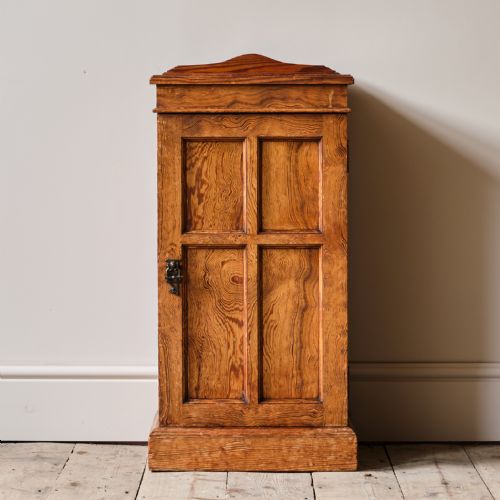
- A small bedside cabinet originally designed to house a chamber pot. These enclosed pieces typically feature a single door and sometimes include a marble interior lining.
- Burr walnut
- A prized timber harvested from the wart-like growths on walnut trees, yielding highly swirling, complex grain patterns. Cabinetmakers utilised this veneer on prominent surfaces of Edwardian and Victorian furniture.
- Pedestal cabinet
- A tall, narrow freestanding cupboard standing on a single plinth or column. They offer deep enclosed storage scaled specifically for bedside use.
- Washstand
- A wooden piece fitted with a marble or timber top designed to hold washbowls and pitchers before indoor plumbing. Many survive today repurposed as side tables or nightstands.
Carved Brown Nightstands: Frequently Asked Questions
What is a pot cupboard?
A pot cupboard is a compact bedside cabinet originally constructed to enclose a chamber pot behind a single door.
These pieces often feature marble tops or tiled interiors for hygiene, making them sturdy and practical for modern bedside use.
How do I date an oak nightstand?
Dating relies on observing construction methods, handle styles, and decorative motifs such as linenfold carving or geometric mouldings.
Earlier pieces from the nineteenth century show hand-cut joinery and solid timber construction, whereas twentieth-century examples display standardised fixings and machine-cut veneers.
Are these tables sold in pairs?
Many bedside cabinets and side tables survive as matched pairs, particularly those originating from Edwardian and Art Deco French workshops.
Singular pieces also appear frequently, reflecting bedroom furnishing habits of the Victorian era where matching sets were less strictly standardised.
How do I care for walnut furniture?
Walnut surfaces benefit from occasional application of quality beeswax to nourish the timber and protect the polished finish.
Keep these cabinets away from direct heat sources and strong sunlight to prevent the veneers from drying out or fading.