





Carved Brown Book Stand
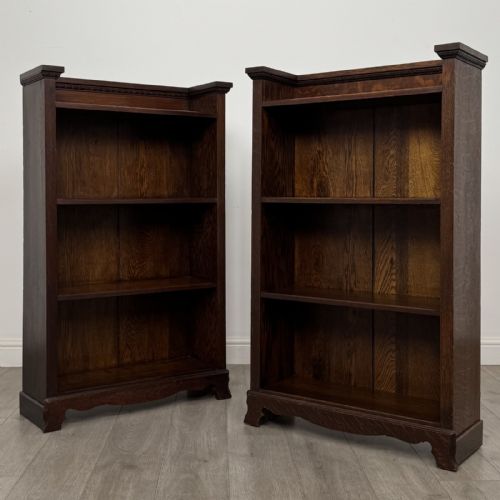
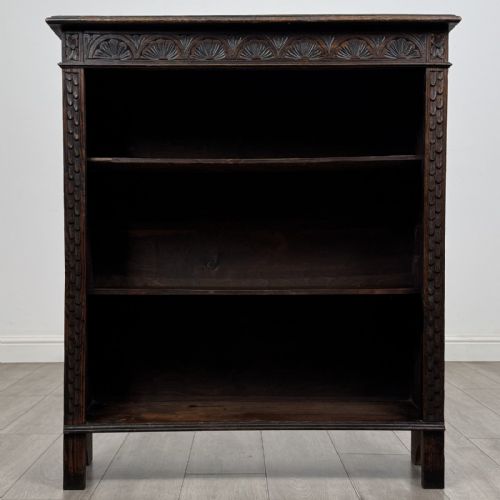
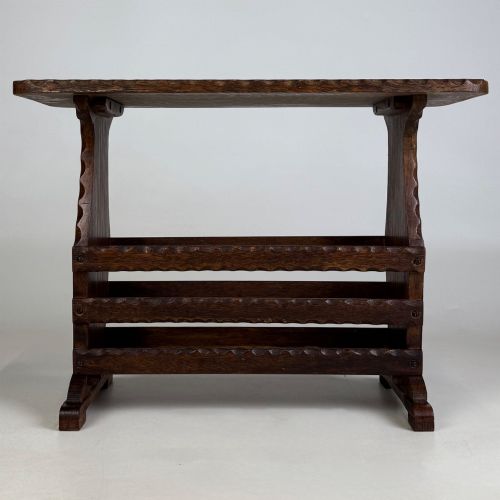
A carved brown book stand provides a sturdy resting place for volumes while adding rich timber grain to a room.
Carved Brown Book Stand
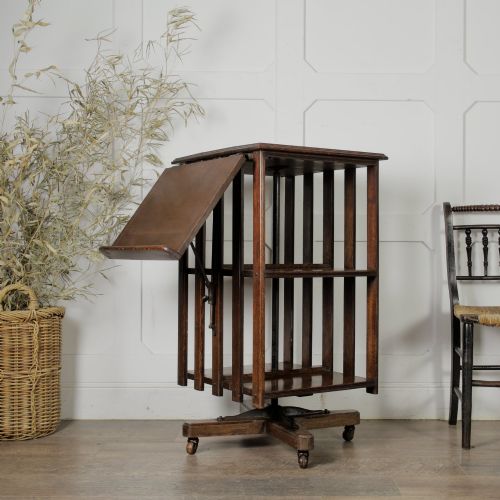
A carved brown book stand encompasses table-top lecterns, rotating book pillars, and desk accessories designed to hold heavy texts and folios. Buyers seeking these items will find pieces spanning the nineteenth and twentieth centuries, produced in styles that range from plain utilitarian forms to elaborate ecclesiastical furnishings.
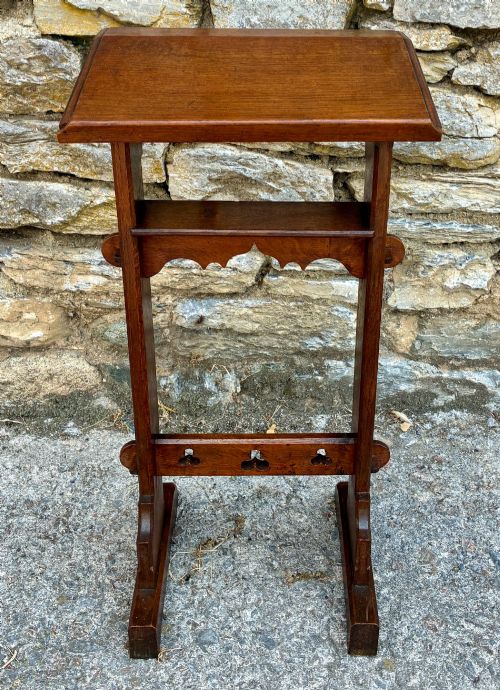
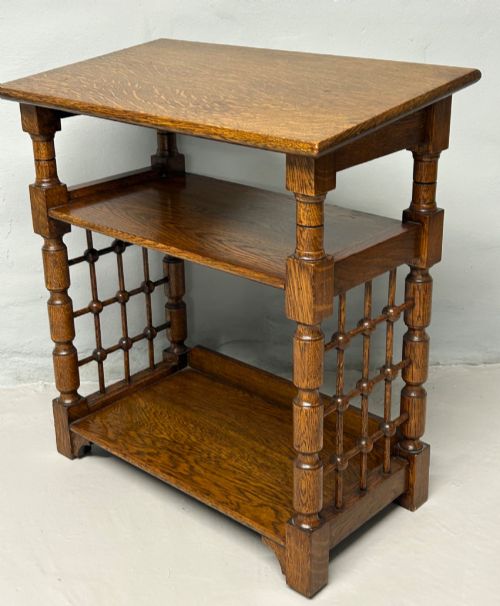
The version most commonly met on this page is constructed from oak in styles influenced by the Arts and Crafts movement or Victorian Gothic Revival. These range from small rotating table models to church lecterns depicting carved eagles and church missal stands.
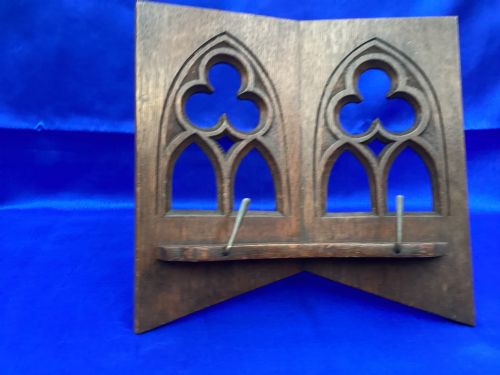
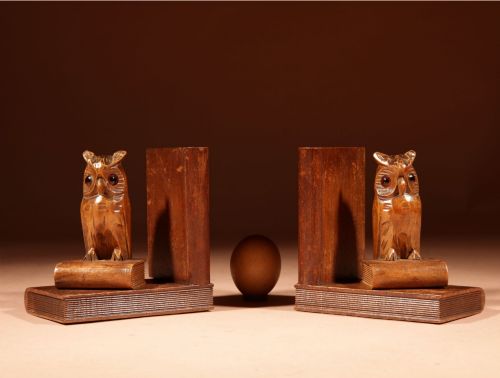
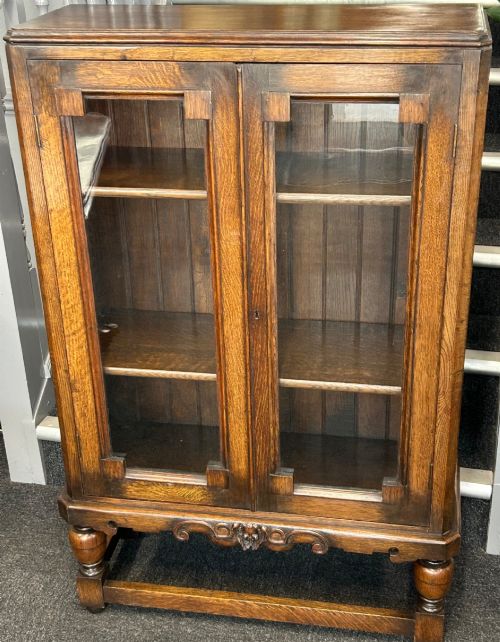
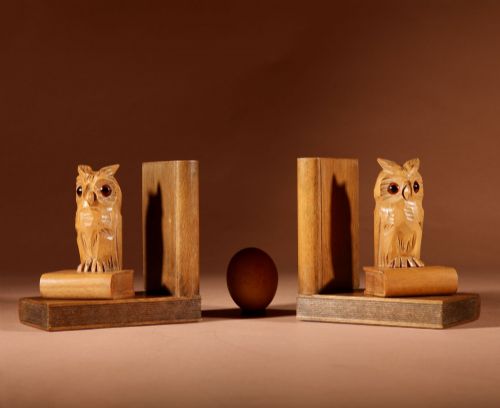
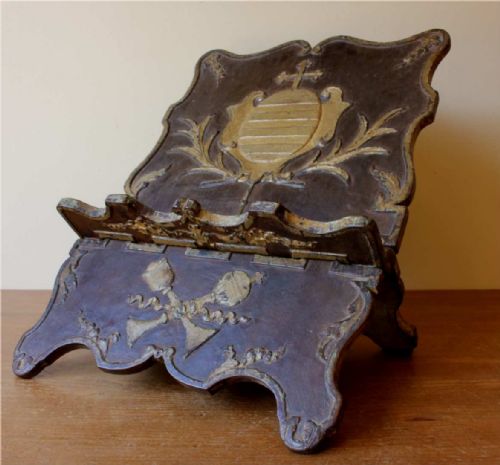
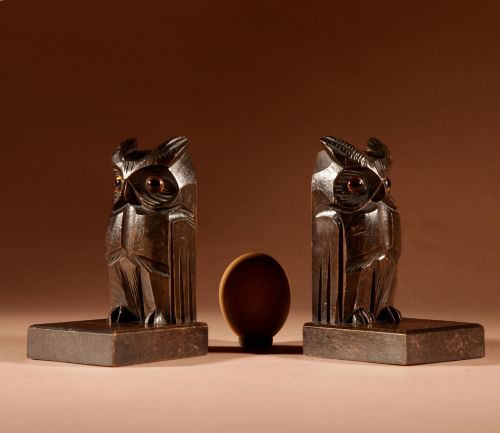
Alternative forms include walnut and mahogany bookcases alongside teak items featuring Anglo-Indian carvings. Black Forest owl bookends and folding wooden bible rests also appear within this category of brown wooden reading furniture.
Materials and construction methods
Carpenters utilised solid timbers such as oak, walnut, mahogany, and teak to build these stands, relying on the natural strength of the wood to support heavy volumes. Surfaces display hand-carved details, fret-cutting, and moulded fronts rather than simple flat panels.
Makers incorporated brass hinges, glass doors, and cast iron mechanisms where rotation or folding was required, particularly on revolving bookcases and adjustable desk rests. Joinery relies on traditional methods appropriate to the period, ensuring stability for daily use.
Carved Brown Book Stand Retail Price Guide 2026
Typical asking prices for carved brown book stand among the pieces listed under this phrase on Sellingantiques today, from the lower quarter to the upper quarter. They describe what is for sale here now, not the wider market.
The listings here span the eighteenth, nineteenth, and twentieth centuries, featuring woods like oak, walnut, mahogany, and teak alongside brass and glass.
Distinguishing quality in brown book stands
The standard of carving defines the distinction between standard production items and superior examples, with depth and precision in the figural work marking out better pieces. Crisp detailing on motifs like the carved feathers of an eagle lectern or the intricate foliage of an Arts and Crafts stand signals superior workshop execution.
The choice of timber grain and the integrity of the structural joints also separate the grades of available pieces. Solid timber construction with well-fitted adjustable shelves or smooth-turning revolving mechanisms demonstrates high manufacturing ambition.
Gillows·Shapland & Petter
The Carved Brown Book Stand Glossary
- Lectern
- A tall desk with a sloping top designed to hold a book or speech for a standing reader. These often feature carved wooden supports such as birds or architectural tracery.
- Revolving bookcase
- A low shelving unit mounted on a rotating base to allow access to books from every angle. Table-top versions were popular in the Edwardian period.
- Book slide
- An extending wooden stand designed to hold a small row of books upright on a desk. They often feature carved ends and concertina mechanisms.
- Whatnot
- An open set of multi-tiered shelves used for displaying books and small ornaments. They appear in walnut and rosewood across the Victorian era.
- Black Forest carving
- A style of ornate, highly detailed wooden sculpture originating from Central Europe. Pieces typically depict animals such as owls with glass eyes.
Carved Brown Book Stand: Frequently Asked Questions
What is a revolving book stand?
A revolving book stand is a small bookcase mounted on a hidden swivel base. It permits multiple volumes to sit within arm's reach on a desk or table.
These pieces turn smoothly to let users select texts without moving from their seat. They gained popularity during the Edwardian period for office and domestic use.
How were church lecterns used?
Church lecterns held large service books, bibles, and missals for reading aloud during religious ceremonies. Their heavy sloping desks kept massive volumes at a comfortable reading angle.
Craftsmen often carved these stands from solid oak with religious motifs. Common designs included large wooden eagles with outstretched wings supporting the book rest.
How do I care for antique oak furniture?
Antique oak furniture benefits from a stable indoor environment away from direct heat sources and extreme humidity fluctuations. Regular dusting with a dry cloth keeps the surface clean without damaging the finish.
Occasional application of traditional beeswax helps nourish the timber and preserve its deep brown tone. Avoid using modern silicone polishes which can build up on carved wooden surfaces.