

Carved Brass Clock
A carved brass clock brings architectural weight and precision mechanics together into a single functional focal point.
Carved Brass Clock
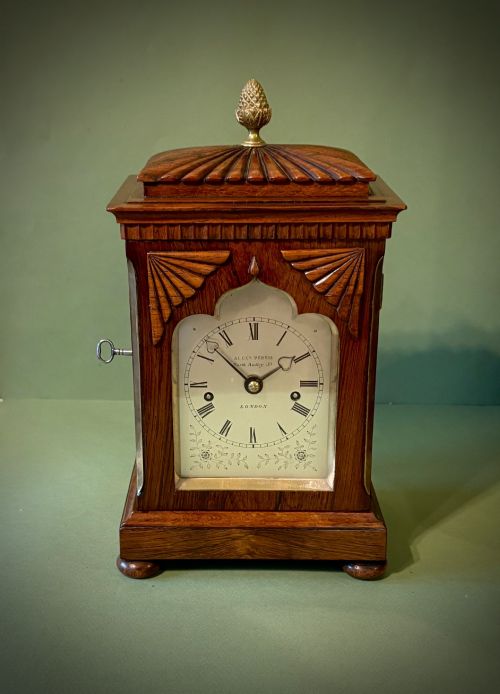
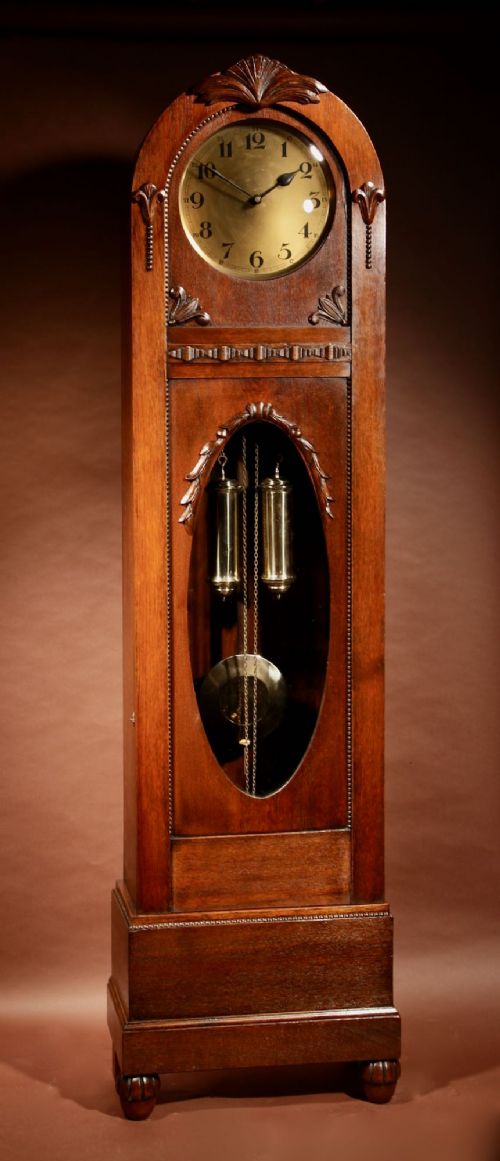
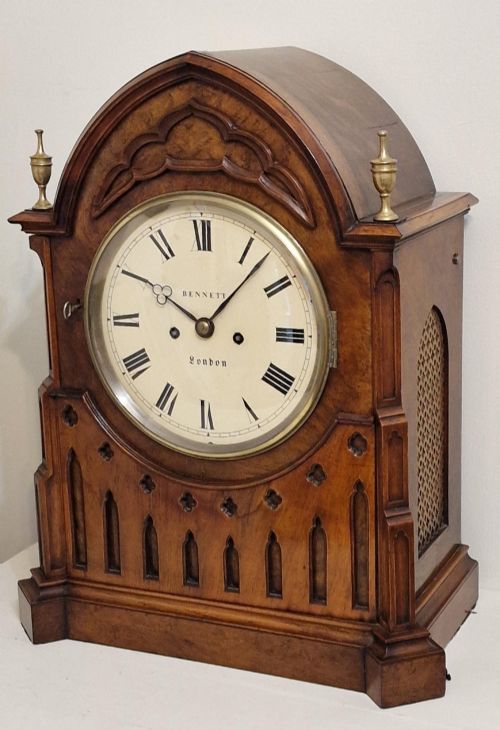
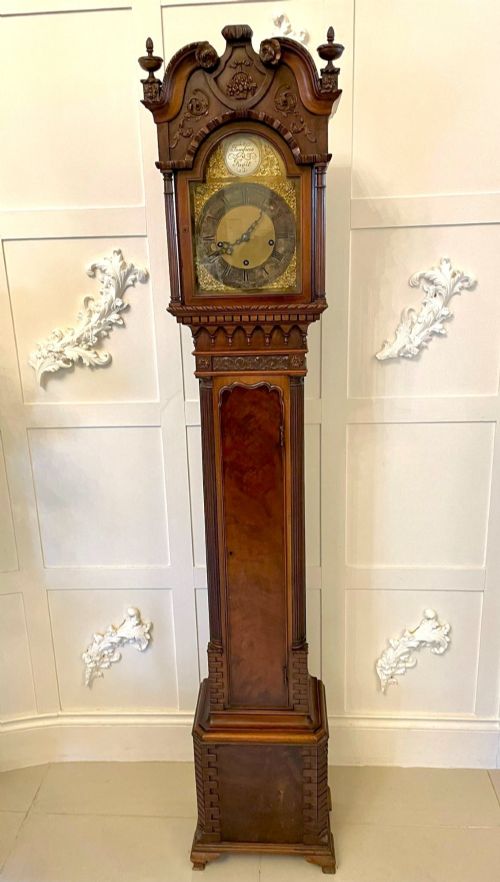
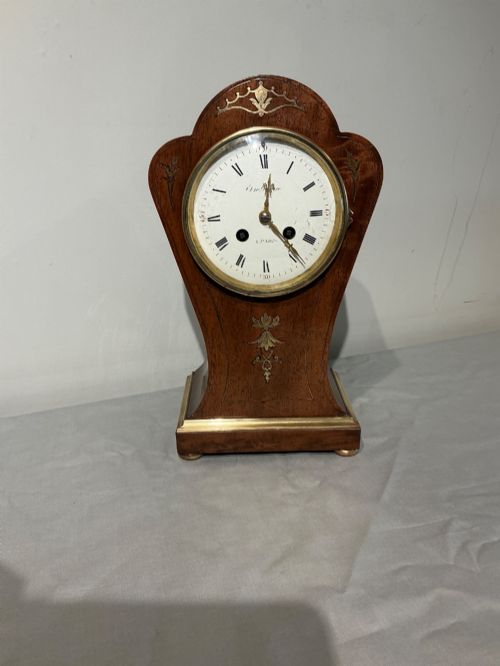
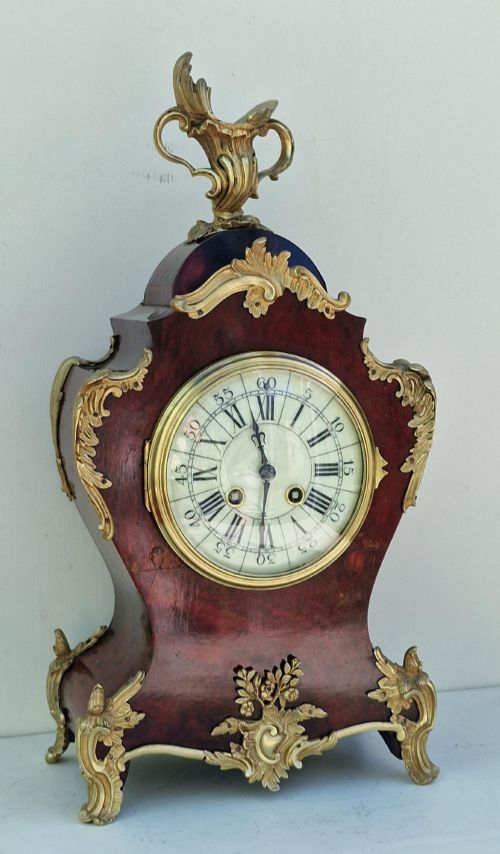
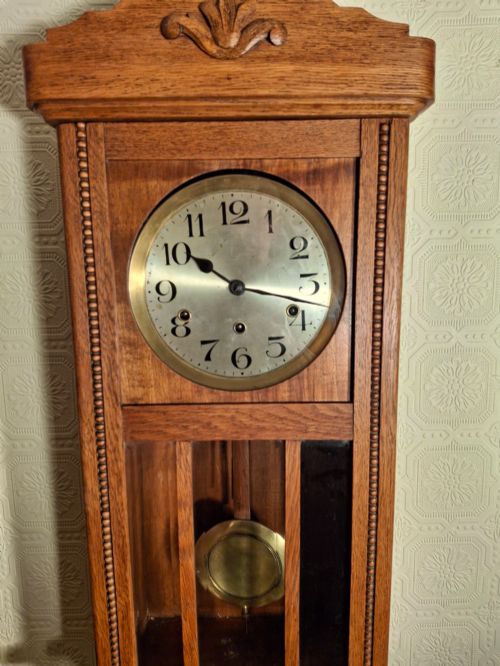
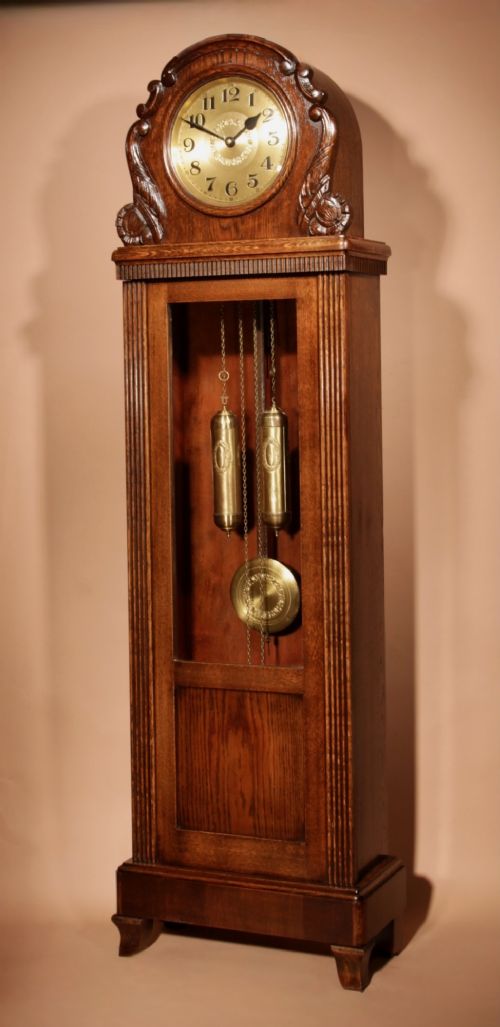
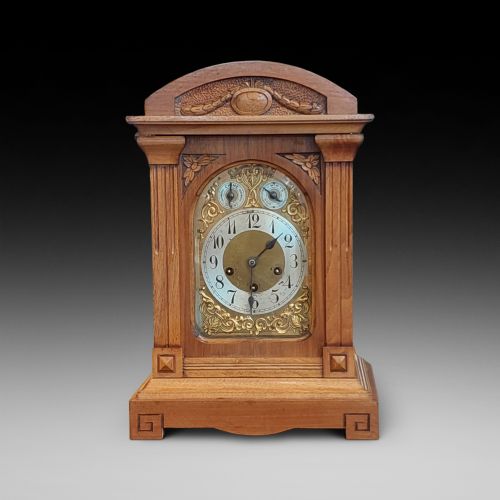
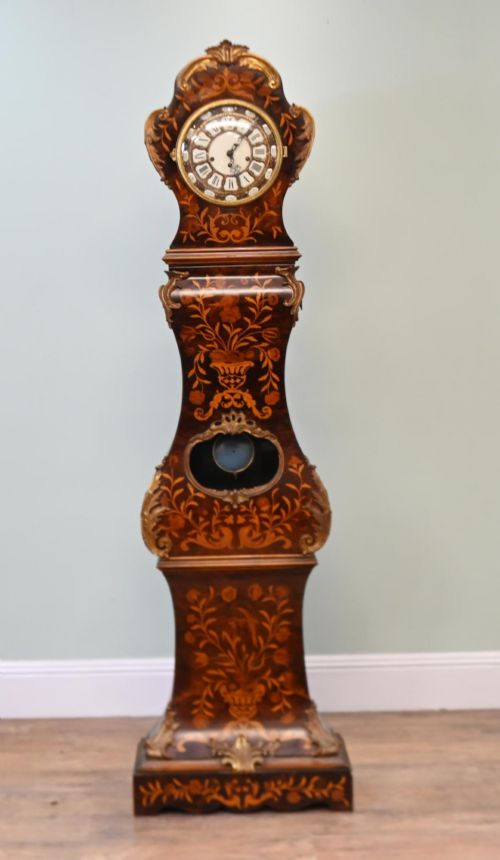
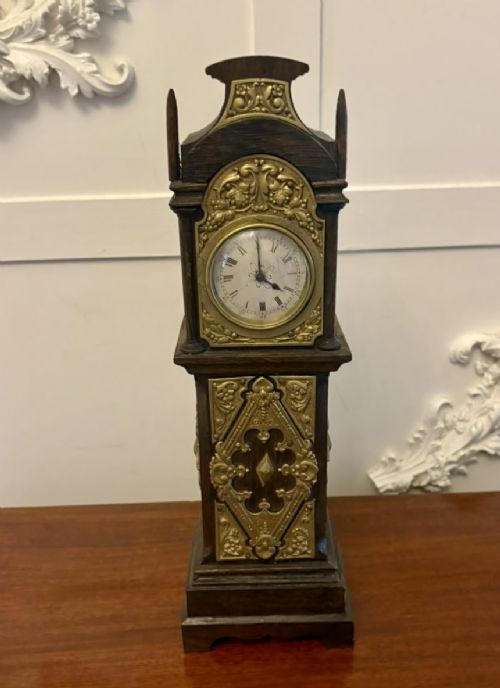
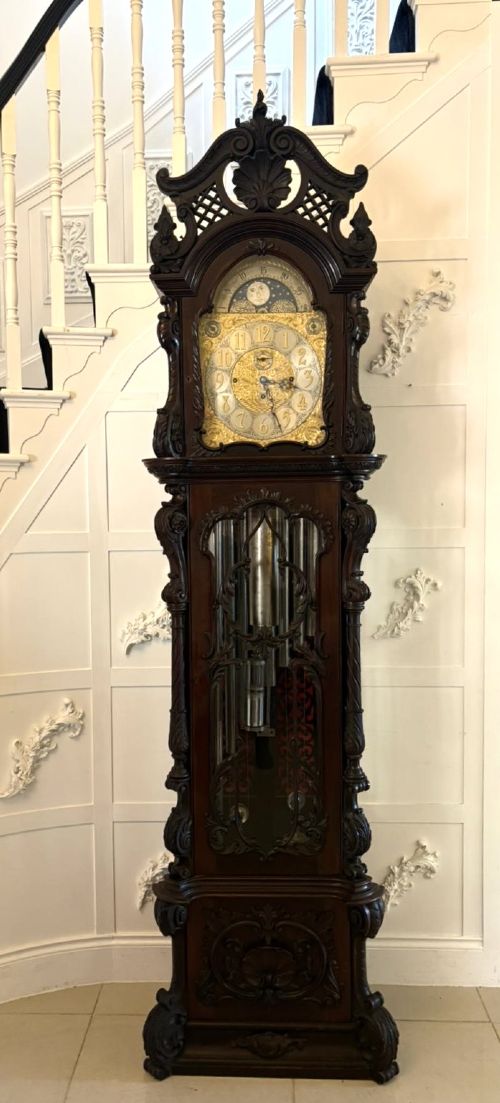
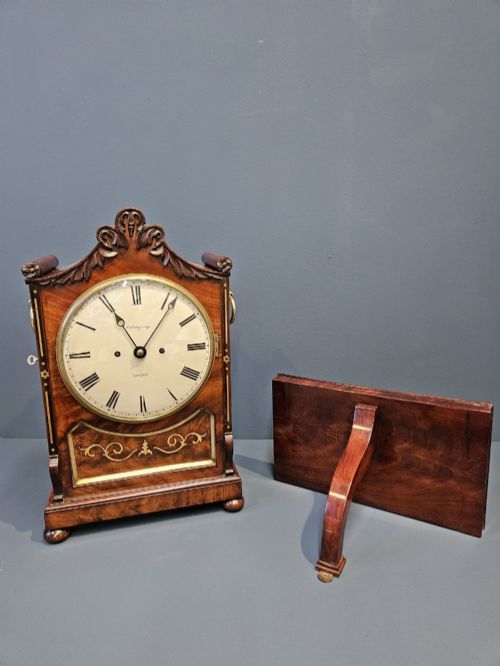
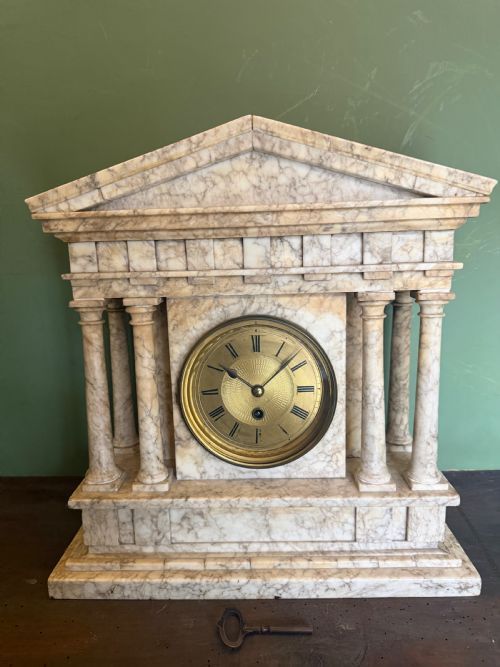
A carved brass clock encompasses timepieces ranging from compact mantel and bracket variants to towering longcase formats. The versions met most frequently on this page combine brass dials and movements with timber cases spanning the eighteenth, nineteenth, and early twentieth centuries.
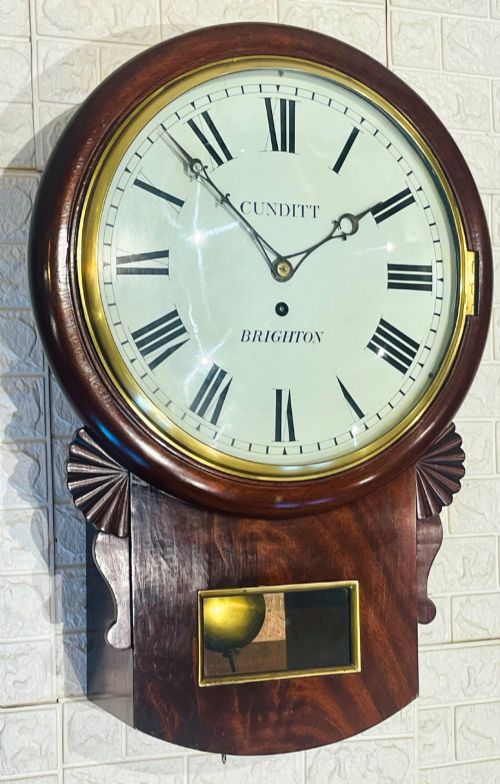
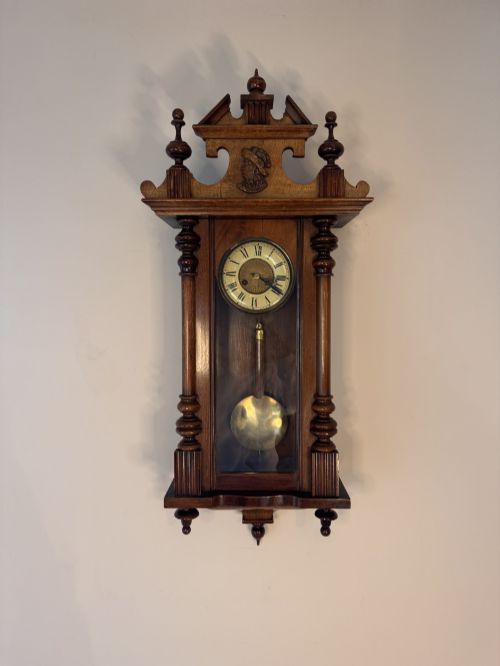
Makers housed these mechanisms in oak, mahogany, walnut, and ebonised wood cabinetry, often incorporating carved details, silvered dials, and visible glass panels. Formats vary from wall-mounted drop dials to floor-standing grandfather and grandmother clocks.
These timepieces originated across British, European, and regional workshops, reflecting stylistic shifts from Georgian restraint through Victorian elaboration to Edwardian proportion. Each period contributes specific dial configurations and cabinetry treatments.
How they were made
Craftsmen built the structural housings using native and imported hardwoods such as oak, mahogany, and walnut, frequently applying ebonised finishes or burr veneers to enrich the timber surfaces. Carving and joinery shaped the hoods, trunks, andplinths of larger longcase models.
Brass formed the foundational material for dials, bezels, and complex mechanical movements, often paired with silvered chapter rings and cast brass spandrels. Glass protected the dial faces while allowing visibility of the hands and pendulum swings.
Carved Brass Clock Retail Price Guide 2026
Typical asking prices for carved brass clock among the pieces listed under this phrase on Sellingantiques today, from the lower quarter to the upper quarter. They describe what is for sale here now, not the wider market.
Listings span centuries of clockmaking, combining oak, mahogany, walnut, and brass across wall, mantel, and longcase formats.
What varies in quality
Quality separates through the crispness of the brass casting on dials and spandrels, the depth and precision of the timber carving, and the complexity of the internal movement. Well-executed mechanisms by documented makers display refined gear cutting and stable regulation.
Cabinet proportion and timber selection heavily influence the standing of a piece, with figured mahogany, burr walnut, and select oak showing superior cabinet-making standards. Original components, integrated bracket shelves, and signed dials elevate the integrity of the whole.
Lenzkirch·Walker and Hall·Winterhalder and Hofmeier
The Carved Brass Clock Glossary
- Bracket clock
- A portable spring-driven clock originally designed to sit on a bracket attached to a wall. These mantel-style pieces often feature fine wood cases and brass carrying handles.
- Fusee movement
- A conical pulley device connected to a cord or chain that equalises the driving force of the mainspring as it winds down, ensuring consistent timekeeping. This mechanical refinement appears in better-quality English clocks.
- Grandmother clock
- A slender, scaled-down version of a longcase or grandfather clock, standing shorter in height. They typically date from the early twentieth century and suit smaller domestic spaces.
- Drop dial clock
- A wall clock featuring an extended lower wooden case that houses a pendulum, often fitted with a fusee movement. Railway companies and public buildings commonly utilised these clear, legible dials.
- Silvered dial
- A brass dial treated with a silver solution to create a matte metallic finish for the numbers and markings. This treatment enhances legibility against dark carved bezels.
Carved Brass Clock: Frequently Asked Questions
How do I wind a mechanical clock safely?
Turn the key steadily in the correct direction until you feel firm resistance, avoiding over-winding which can strain the mainspring. Ensure you do not force the hands backward against the motion of the gear train.
Consult the specific winding requirements for fusee or weight-driven systems to maintain the tension and health of the internal movement.
Where should I place a longcase clock?
Position the longcase against an interior wall away from direct sunlight, central heating vents, and damp exterior surfaces to protect the timber case. A stable floor ensures the pendulum hangs plumb and the beat remains even.
Secure tall floor clocks to the wall using discreet brackets if there is any risk of tipping from foot traffic or children.
How do I tell an 18th-century clock from a Victorian one?
Eighteenth-century examples often feature brass dials with cast spandrels in the corners, narrow trunk doors, and hand-carved oak or walnut cases. Movements from this era frequently bear the signature of the maker directly on the brass face.
Victorian models tend to incorporate larger painted or silvered dials, heavier mahogany or ebonised cases, and machinery geared toward industrial production methods.
What is the difference between a bracket clock and a mantel clock?
Bracket clocks historically required a matching wall bracket for support and utilised portable spring movements rather than pendulums that required a stationary floor base. They frequently include architectural pediments and fine brass carrying handles.
Mantel clocks evolved later to sit directly on furniture surfaces, spanning styles from Victorian architectural wood cases to Art Deco geometric designs.