



Carved Bear Sculpture
A carved bear sculpture brings the unmistakable character of the 19th-century workshop into a room, blending rustic charm with remarkable detail.
Carved Bear Sculpture
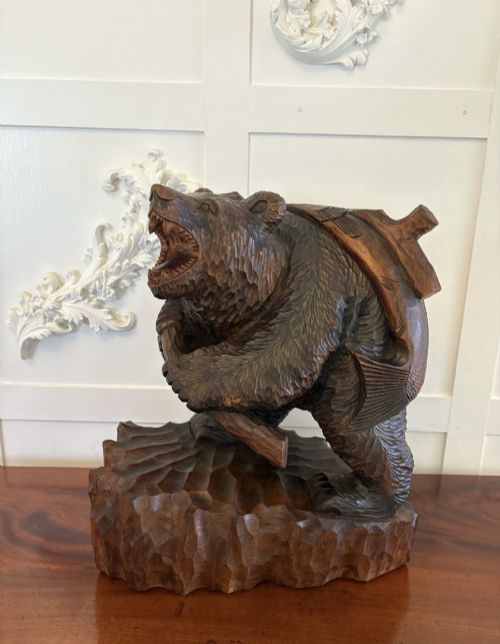
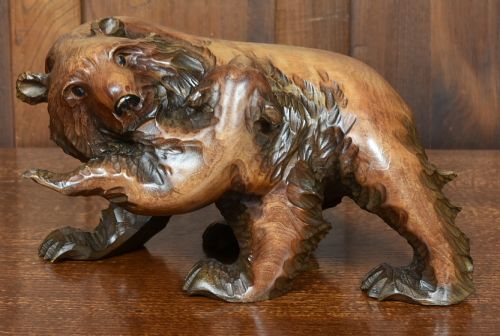
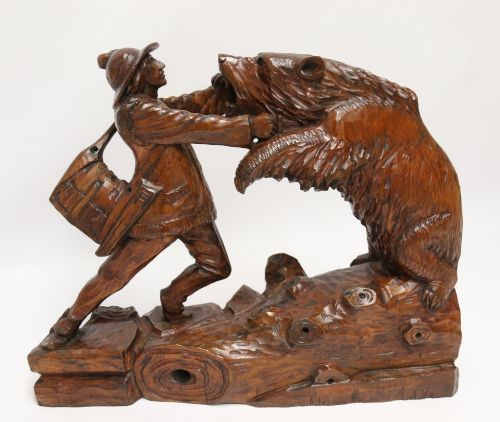
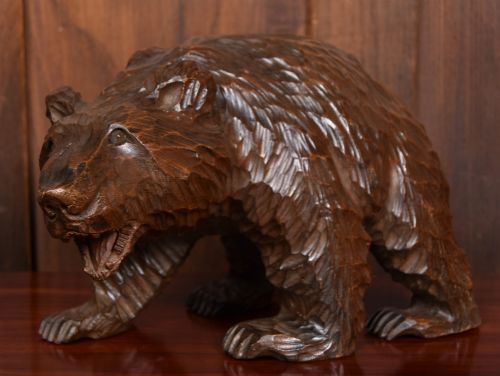
When you search for a carved bear sculpture, you encounter a fascinating tradition of wooden animal figures spanning several distinct regional styles. The most frequent examples on this page hail from the Black Forest tradition and Japanese folk art traditions.
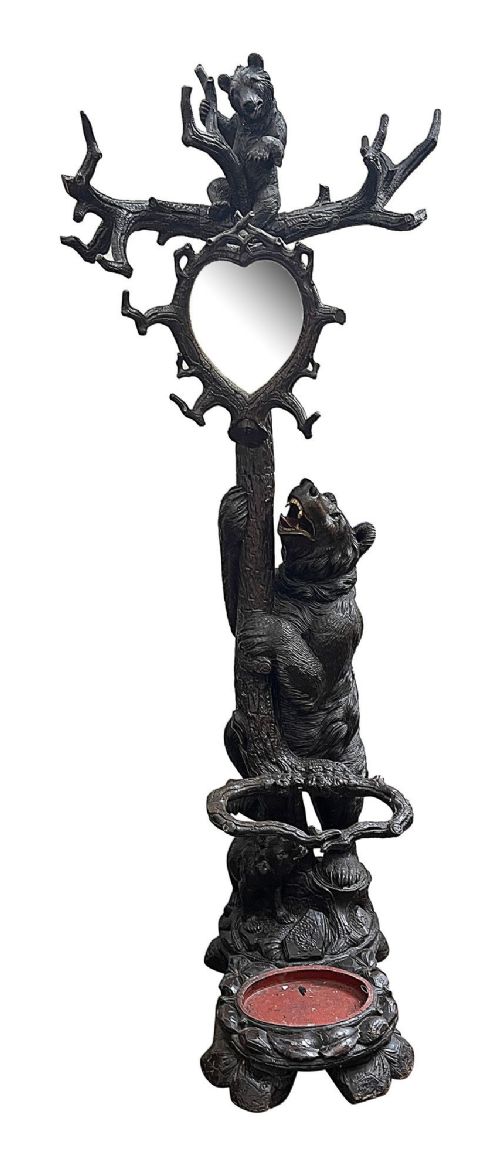
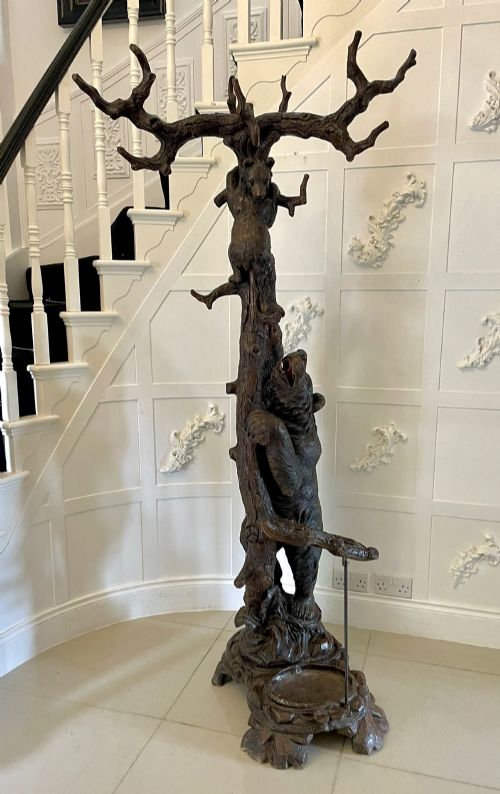
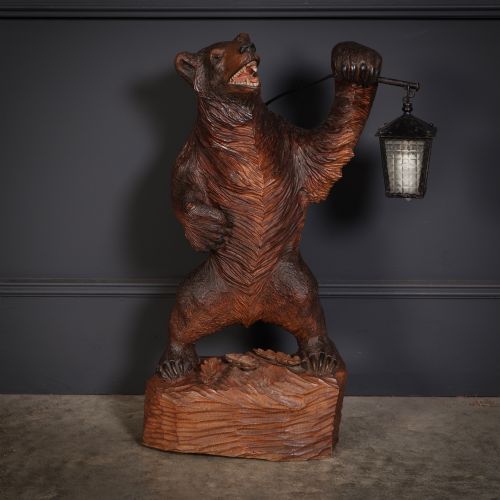
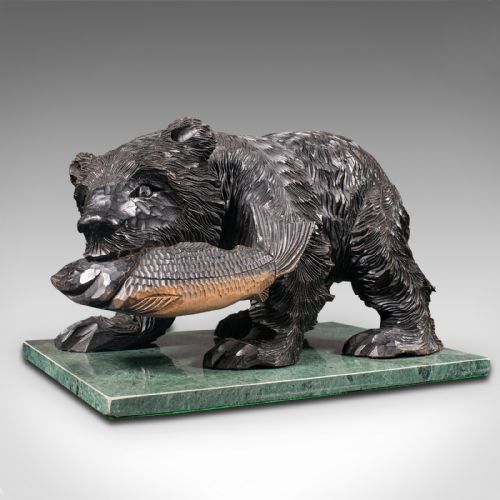
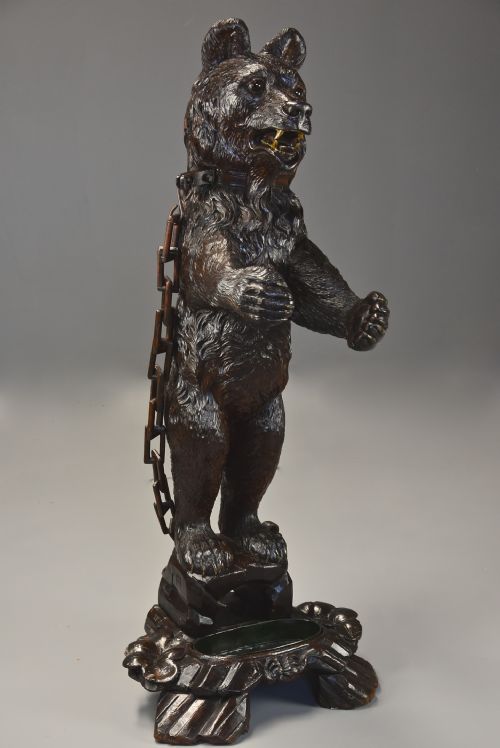
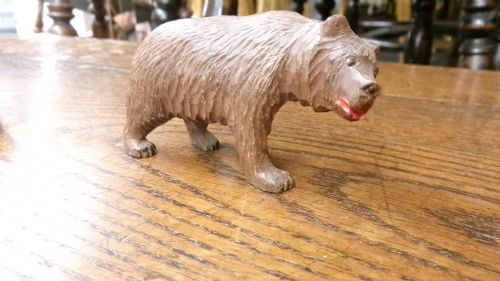
These objects range from small tabletop decorative sculptures and linden wood humidor boxes to substantial hall stands and umbrella stands designed to hold walking sticks. Figures often depict single bears carrying fish, mothers with cubs, or groups interacting with natural elements.
The materials and origins reflect skilled hands working across the 19th century, the Edwardian era, and the early 20th century. Walnut, linden wood, cedar, and assorted hardwoods give each animal its distinct weight and surface grain.
How they were made
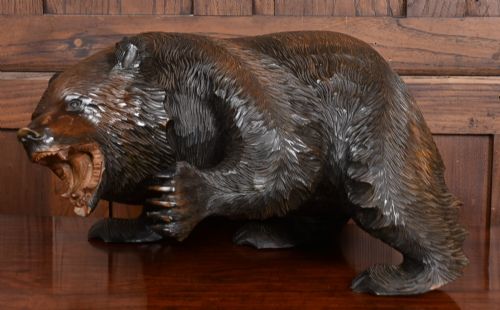
Carvers shaped these figures primarily from linden wood, walnut, cedar, and general hardwoods using specialised chisels and gouges to render thick fur texture and muscular forms. Many makers employed inset stud eyes to bring a lifelike glint to the wooden faces.
The timber was selected for its grain and workability, allowing artisans to carve deep undercut details like fish held in jaws or intricate tree trunk structures on hall stands. Subsequent finishing involved staining the wood to enhance natural tones or leaving the pale linden grain exposed.
Carved Bear Sculpture Retail Price Guide 2026
Typical asking prices for carved bear sculpture among the pieces listed under this phrase on Sellingantiques today, from the lower quarter to the upper quarter. They describe what is for sale here now, not the wider market.
Listings span the 19th century, Georgian era, Edwardian period, and early 20th century, utilising linden wood, walnut, cedar, and metal.
What varies in quality
Scale also dictates ambition, separating simple shelf ornaments from grand exhibition pieces like large hall stands and complex multi-bear figure groups. The integration of functional elements, such as inkwells or stick holders, demonstrates superior workshop capability.
The Carved Bear Sculpture Glossary
- Black Forest
- A regional style of wood carving originating from the mountain region in Europe, famous for lifelike animal sculptures and functional hall furniture. These pieces often utilise linden wood or walnut.
- Kibori Kuma
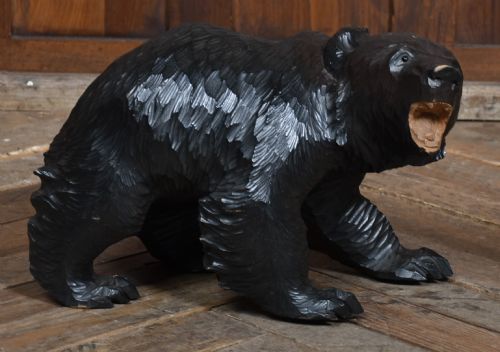
- Japanese wood-carved bear tradition, originating notably in Hokkaido as folk art. These figures often depict bears carrying fish in their mouths.
- Linden wood
- A pale, fine-grained timber favoured by carvers for its lack of prominent grain interference, allowing extremely detailed, crisp results. It is frequently seen on European animal figures.
- Hall stand
- A large piece of entrance furniture incorporating hooks, mirror frames, and a lower tray for walking sticks and umbrellas. Bear carvings often serve as the structural supports for these items.
- Humidor
- A specialised box designed to keep tobacco moist, occasionally carved in the form of a brown bear. The hinged lid opens to reveal the storage compartment.
Carved Bear Sculpture: Frequently Asked Questions
What are carved bear sculptures made from?
These sculptures are carved primarily from woods such as linden wood, walnut, cedar, and general hardwoods. Some examples also incorporate metal components or stud eyes.
Craftsmen selected these timbers for their ability to hold fine detail under sharp chisels while providing structural stability for larger items.
Where do Black Forest bear carvings originate?
Black Forest carvings originate from the forested European mountain region renowned for specialised woodworking traditions. Local artisans produced everything from small animal figures to grand furniture.
These workshops exported heavily during the 19th and early 20th centuries, supplying homes across Britain and beyond.
How were bear hall stands used?
Bear hall stands stood in entranceways to receive coats, hats, walking sticks, and umbrellas. The carved bears often functioned as structural posts or held receptacles for damp tips.
They combined decorative ambition with everyday domestic utility for Victorian households.
What is Kibori Kuma?
Kibori Kuma refers to the Japanese tradition of hand-carved wooden bears, often depicted holding salmon. This folk art style developed distinct regional characteristics in Hokkaido.
Carvers utilised native woods to create tactile animal sculptures that gained international recognition.