
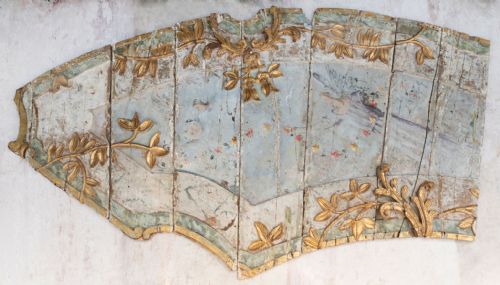
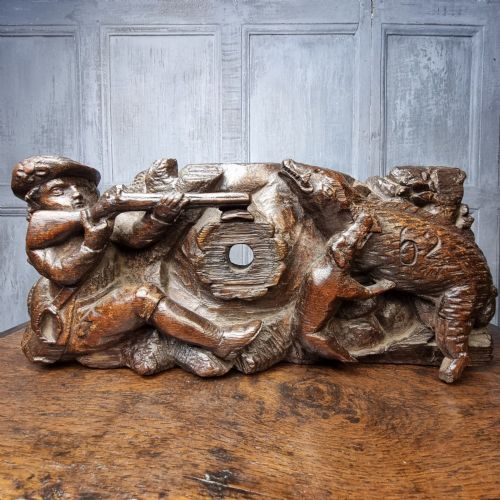

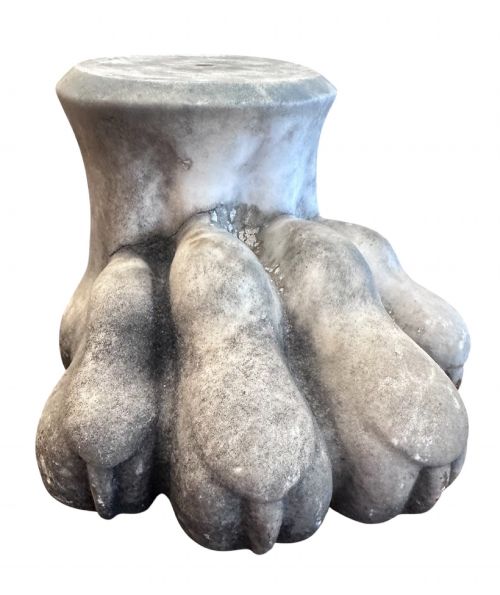
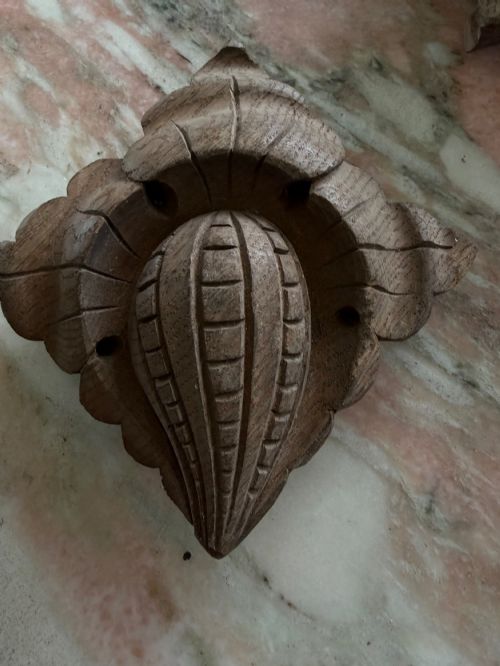



Carved Architectural Fragment
A carved architectural fragment brings the weight of centuries into a room, offering tangible history salvaged from buildings long gone.
Carved Architectural Fragment
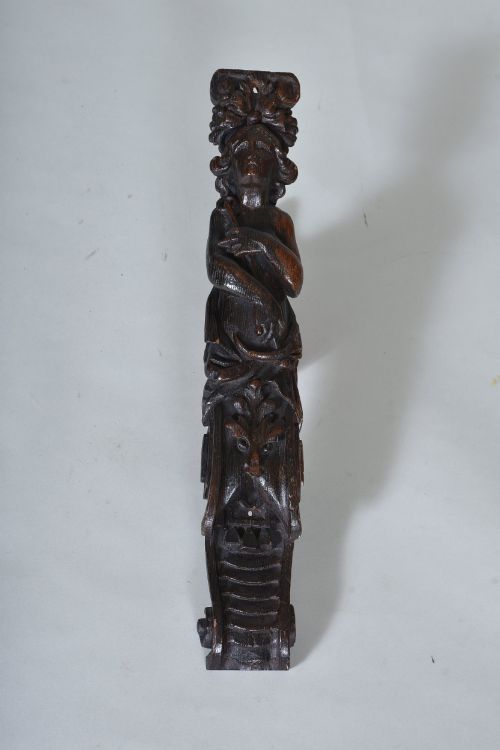
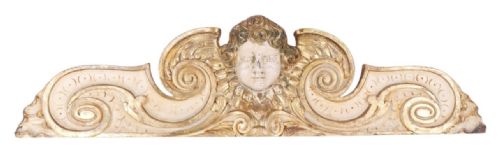
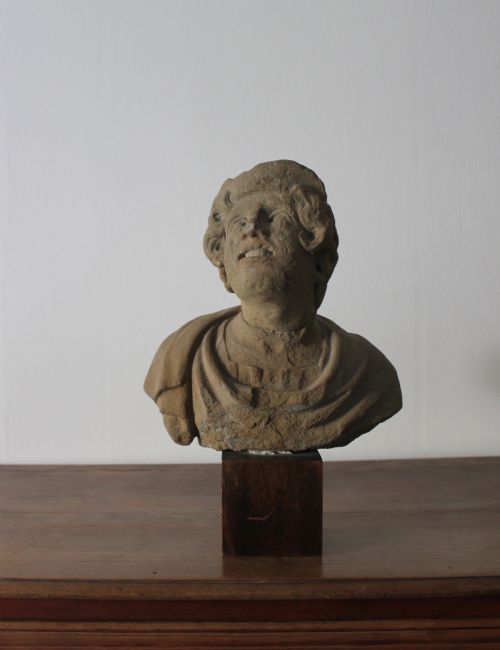
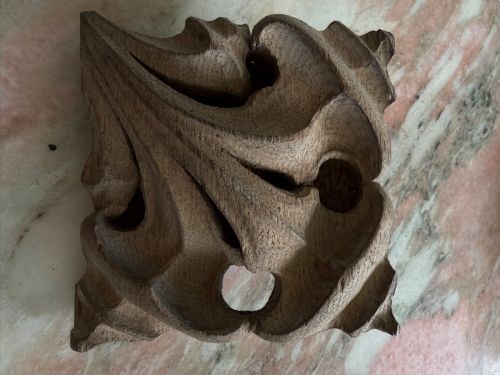
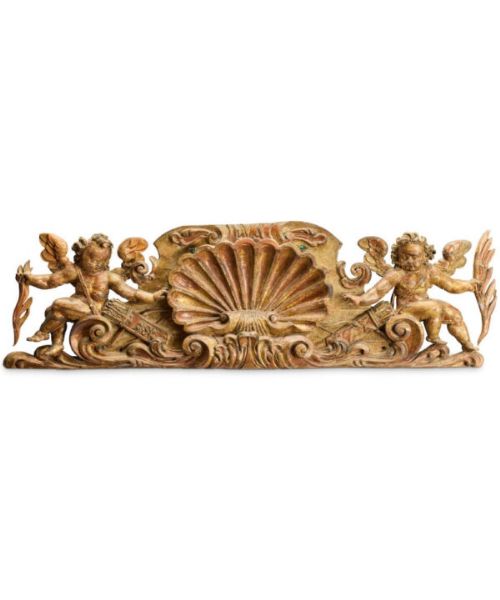
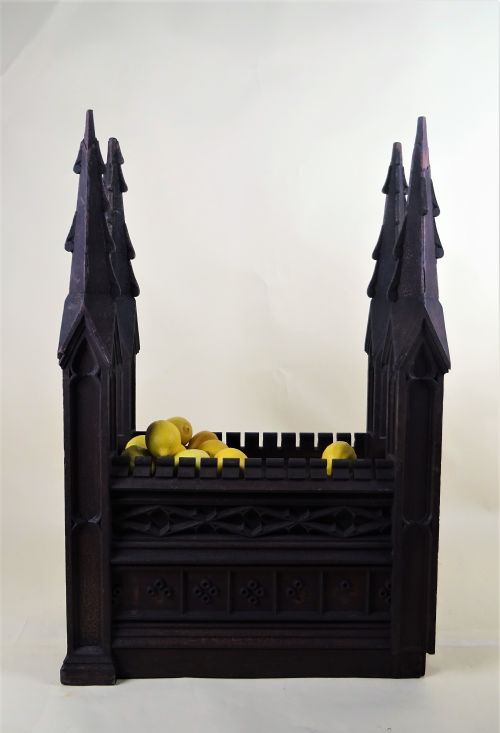
A carved architectural fragment comprises salvaged pieces removed from larger buildings, ranging from medieval stone busts and gothic tracery to 17th century oak panels and ceiling boss panels. These items emerge from various contexts, including European churches and international temples, preserving historical craftsmanship in portable forms.
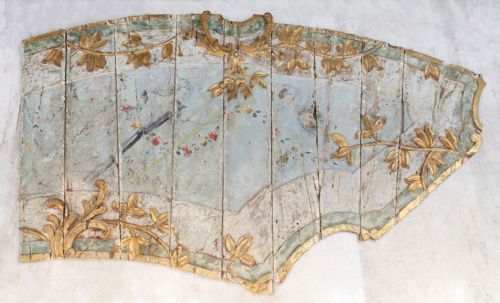
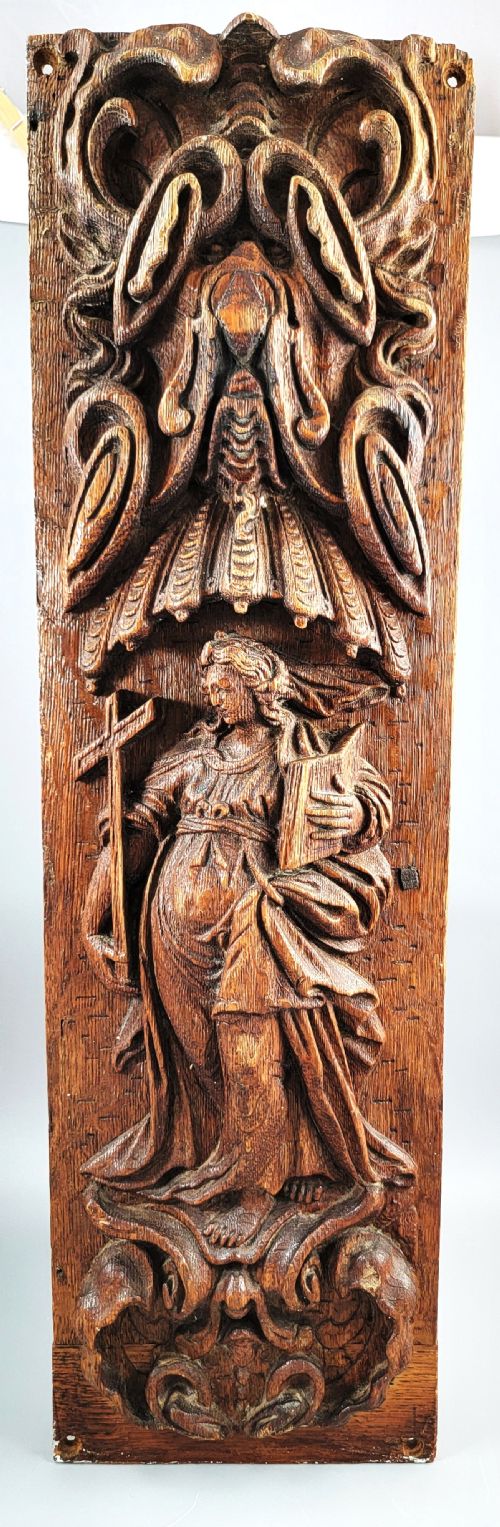
Buyers encounter numerous wooden and stone items on this page, dominated by oak carvings, walnut panels, and sandstone reliefs. Many examples date from the 17th and 18th centuries, alongside pre-16th century medieval works and 19th century revivals.
The selection includes specific architectural elements such as capitals, friezes, pediments, and keystones alongside figurative sculptures and decorative panels. Each piece represents a surviving remnant of a once-larger structure, repurposed for interior display.
What varies in quality
Quality rests in the depth of the carving and the crispness of surviving detail, distinguishing skilled hands from basic output. Pieces attributed to specific design traditions or named makers show superior anatomical proportion and line.
The integrity of the material and the survival of original surface finishes determine the desirability of a piece. Intact traces of early polychromy, gold leaf, or natural wood patination elevate an item above stripped or heavily restored examples.
Listings feature items spanning from pre-16th century medieval fragments to the 20th century, encompassing oak, sandstone, marble, and giltwood.
Grinling Gibbons·Hugues Sambin
The Carved Architectural Fragment Glossary
- Architectural salvage
- Building parts rescued from demolition for reuse or display. These items retain historical fabric from older structures.
- Caryatid
- A sculpted female figure serving as an architectural support instead of a column. They appear frequently in classical and baroque furniture and panelling.
- Ceiling boss
- A decorative keystone or projecting block placed at the intersection of ribbed vaulting. These often feature carved foliage or figurative motifs.
- Polychrome
- Decorated in a variety of colours. This term applies to wooden or stone carvings retaining original painted surfaces.
Carved Architectural Fragment: Frequently Asked Questions
How do I hang a heavy stone fragment?
Stone and marble fragments require substantial mechanical fixings anchored directly into structural wall studs or masonry. Professional mounting brackets ensure the weight is safely distributed without damaging the fragile edges of the carving.
Lighter wooden panels often use traditional flush mount brackets or picture wire secured to hardwood framing. Consulting a professional installer prevents accidents with heavy architectural elements.
Are these fragments suitable for outdoor display?
Sandstone and stone pieces generally tolerate outdoor placement if protected from severe frost and standing water. Over time, natural weathering alters the surface texture of exterior stone.
Wooden carvings, particularly oak and walnut with gesso or gilt layers, deteriorate rapidly in damp conditions. These delicate pieces belong indoors away from direct moisture and temperature extremes.
How do I clean an antique carved panel?
Gentle dusting with a soft dry brush removes surface debris without harming old patination or dry paint layers. Avoid using wet cloths, household cleaners, or polishes that sink into porous unsealed wood or lift fragile gold leaf.
Consult a conservator before attempting any chemical cleaning on polychrome or gilded surfaces. Aggressive cleaning easily strips historical finishes that define the character of the piece.
How can I tell the age of an oak carving?
Examine the rear and edges for tool marks left by hand adzes and chisels rather than modern machine saws. Timber shrinkage, worm tracks, and dry, oxidized patination provide strong visual clues regarding the age of the wood.
Stylistic markers such as Gothic tracery, 17th century strapwork, or baroque motifs align with specific historical periods. Comparing joinery methods helps confirm whether a carving is contemporary to its stated era.