
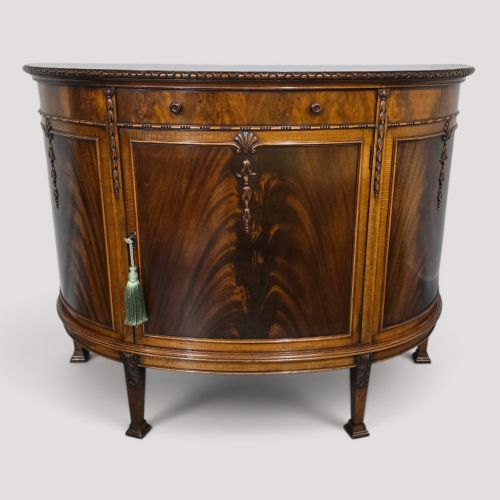
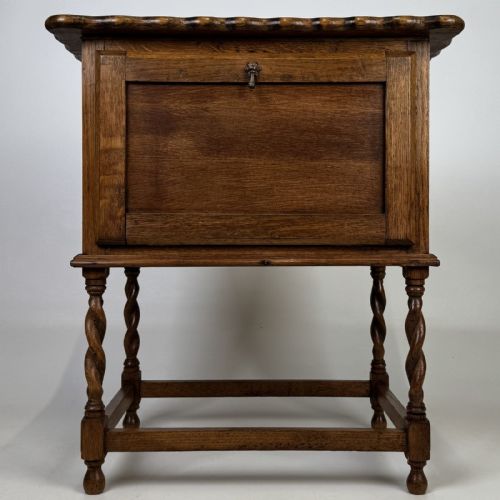
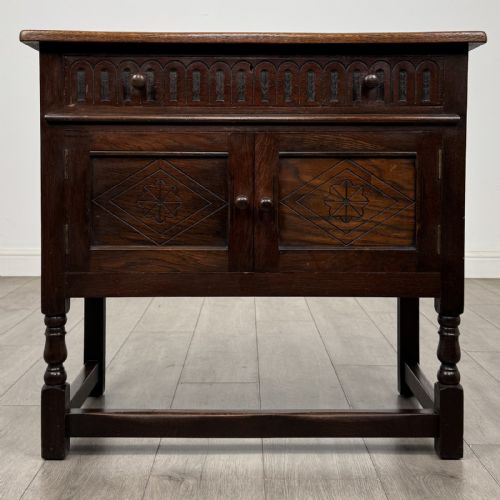
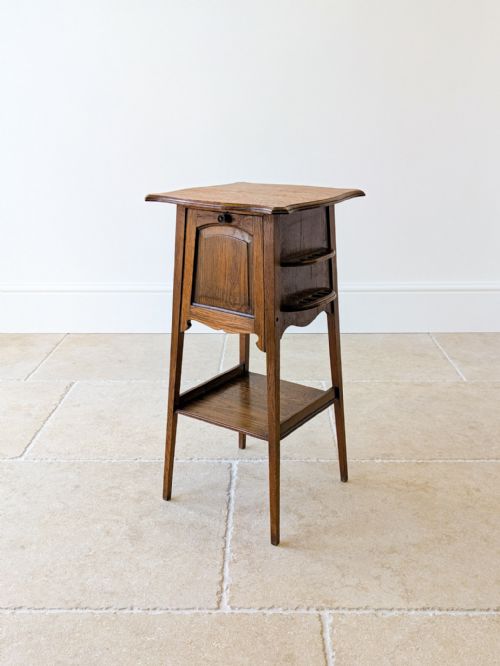
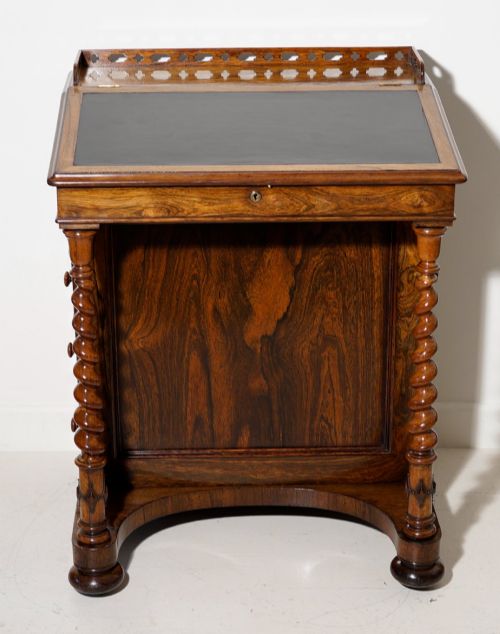
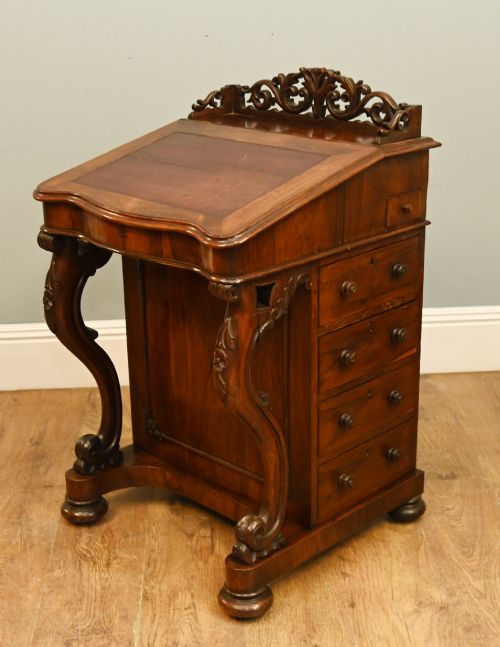
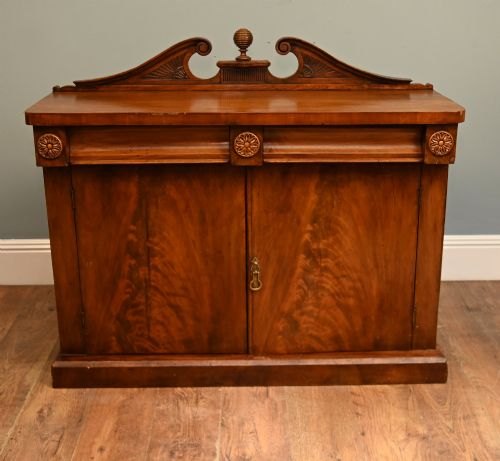
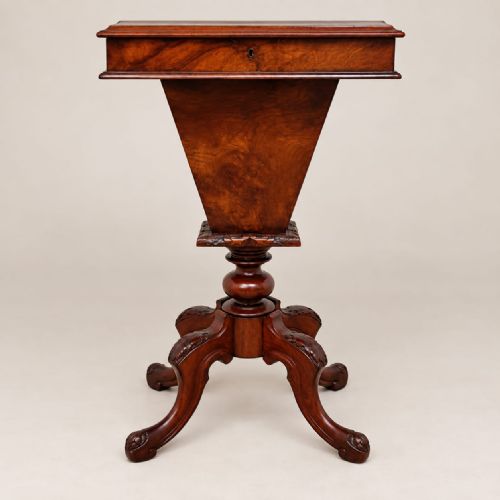
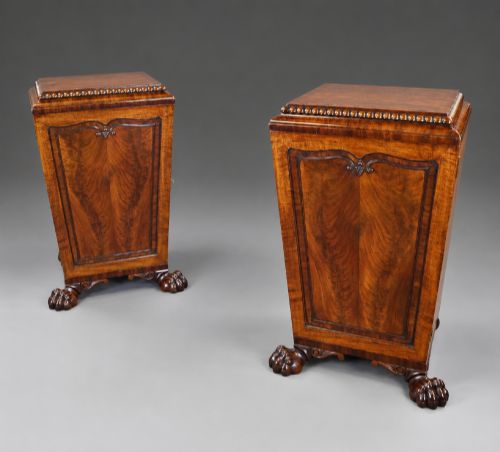
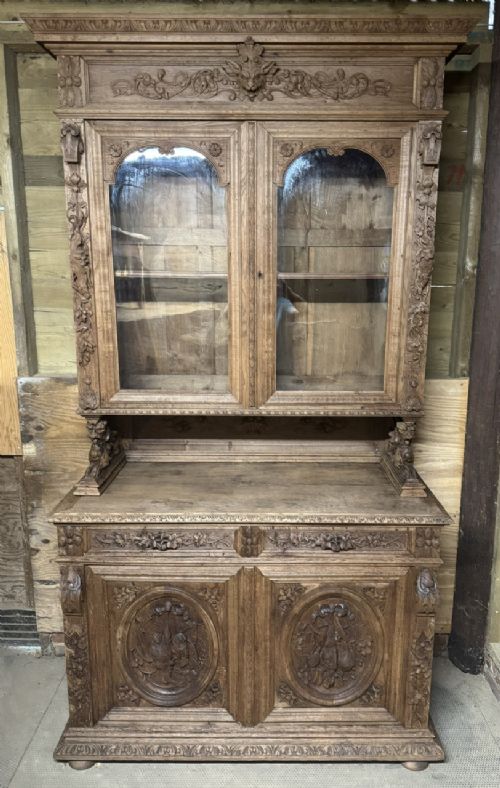
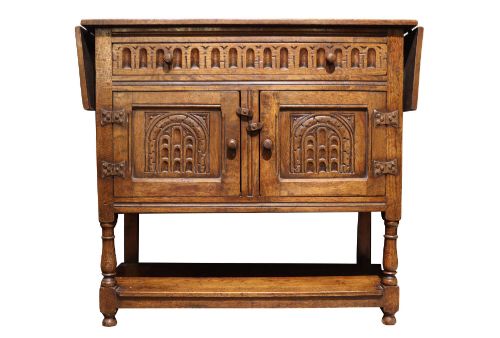
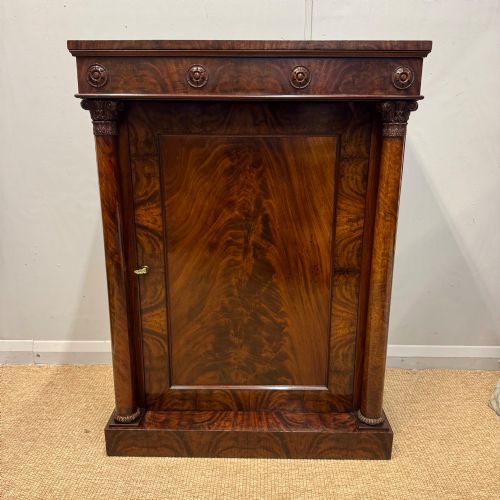
Carved Side Cabinet
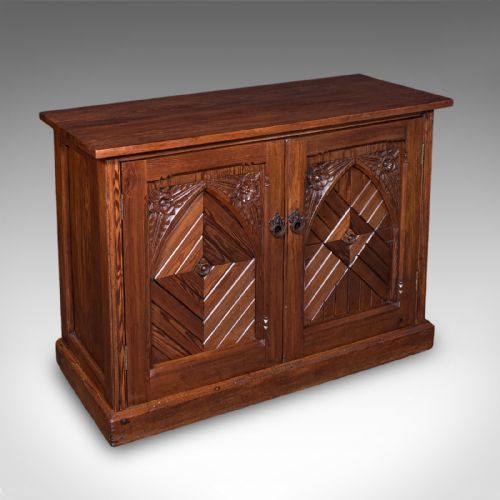
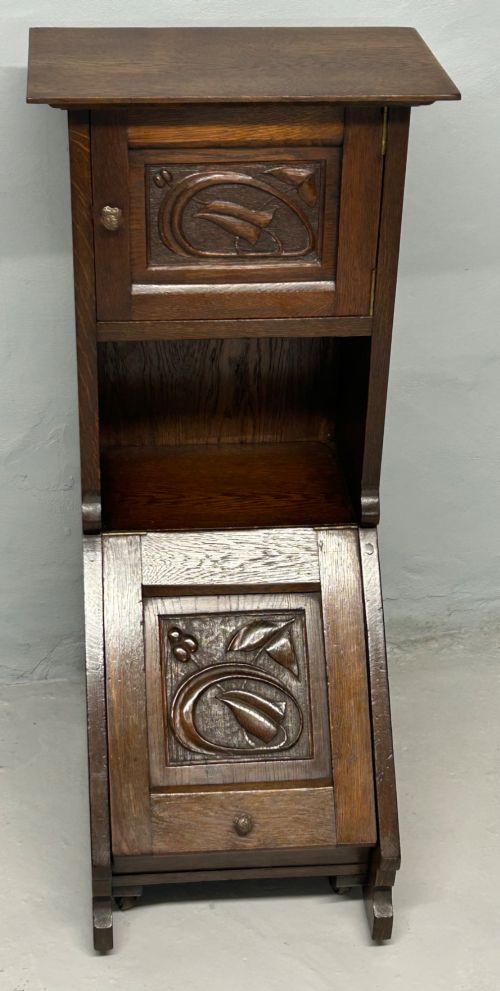
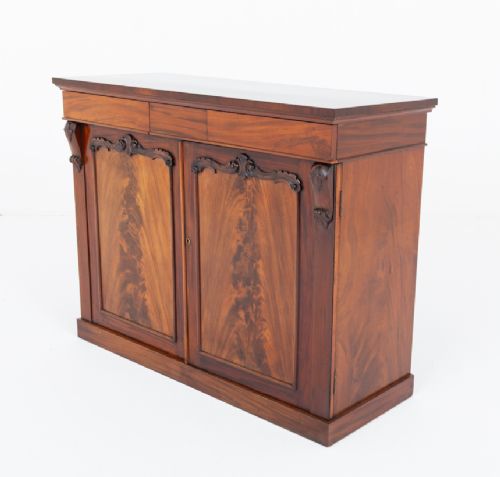
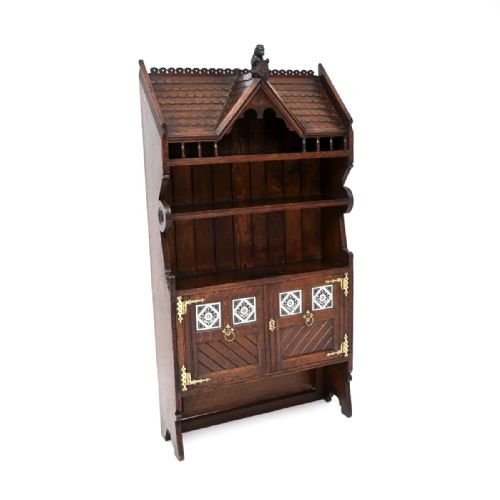
When you search for a carved antique side cabinet, you are looking at substantial storage pieces shaped by centuries of woodworking traditions.
Carved Side Cabinet
The historical function of these pieces ranges from bedside storage and night tables to principal room display units and linen cupboards. Pieces date from the 18th century through to the early 20th century, displaying influences from Gothic Revival, Jacobean Revival, French Provincial, and Regency periods.
Buyers seeking a carved antique side cabinet will find items varying widely in scale, from compact bedside chests to grand hall cabinets. The selection reflects diverse construction origins, including English, French, and Chinese workshop traditions.
How they were made
Carpenters constructed these cabinets using solid timbers such as oak, mahogany, walnut, and rosewood, frequently enhanced by burr walnut veneers or elaborate surface carving. Workshops employed traditional joinery techniques to frame panels, shape cornices, and assemble drawers.
Many examples incorporate decorative details including brass hardware, ebony inlay, marble tops, and mother of pearl elements. Hand-carved motifs, ranging from linenfold panels to classical pediments, define the surface texture of these storage pieces.
Listings feature woods including oak, mahogany, walnut, rosewood, and burr walnut across periods from the 17th century to the 1930s.
What varies in quality
The distinction between standard and superior pieces rests on the crispness of the hand-carving and the selection of figured timber veneers. Workshops utilising dense burr walnut or substantial oak display greater depth in ornamental detailing.
Original hardware, integrated marble slabs, and intact mirrored backs elevate the finish of individual cabinets. The integrity of the structural joinery and the proportional balance of the design further distinguish finer examples.
Gillows·Lamb of Manchester
The Carved Side Cabinet Glossary
- Chiffonier
- A low sideboard or cabinet, typically featuring a raised shelf or small superstructure above the main storage body. This form became popular during the Regency and Victorian periods for displaying decorative objects.
- Court Cupboard
- A traditional English storage piece, frequently constructed in oak during the 17th and 18th centuries. These cabinets often feature recessed upper tiers supported by turned columns.
- Pot Cupboard
- A small bedside cabinet originally designed to house a chamber pot. These compact items often feature a single door and a small enclosed compartment.
- Linenfold
- A style of wood carving that mimics folded fabric or linen cloth. This technique appears frequently on 17th-century and Edwardian revival oak panels.
- Demi Lune
- A half-moon or semicircular shape utilised in the design of side cabinets and console tables. This silhouette allows the piece to sit flush against a wall.
Carved Side Cabinet: Frequently Asked Questions
What is a side cabinet?
A side cabinet is a versatile storage furniture piece designed to sit against a wall in a dining room, hallway, or bedroom. These units typically feature doors, drawers, or open shelving for household items.
Historically, they evolved to meet specific domestic needs, ranging from small bedside units to large oak sideboards used for serving and storage.
How do I date an antique cabinet?
Dating relies on examining the timber species, construction methods, hardware, and stylistic motifs present on the piece. Furniture from the 17th and 18th centuries often utilises heavy oak with hand-cut joinery, while later Victorian and Edwardian pieces frequently showcase mahogany or walnut with machine-assisted elements.
Comparing decorative details such as linenfold carving, Gothic arches, or Regency brass inlay against known period styles helps narrow the manufacturing era.
Where should I place a side cabinet?
These cabinets suit living rooms, hallways, and bedrooms depending on their physical scale and internal storage configuration. Smaller bedside versions fit well beside a bed, while larger walnut or mahogany cupboards function as focal storage points in reception rooms.
Consider the depth of the cabinet and door swing clearance when positioning the piece in narrow hallways or compact spaces.
Are these cabinets solid wood?
Many antique cabinets feature solid timber construction, particularly older oak and walnut pieces from the 17th and 18th centuries. Later 19th-century and Edwardian examples often incorporate fine veneers, such as burr walnut or figured mahogany, applied over secondary wood cores.
Examining the interior panels and drawer linings reveals the specific combination of solid woods and decorative veneers used by the workshop.