
Carved Daybed
A carved antique daybed offers a historic resting place, bringing classical lines and substantial woodwork into a drawing room or study.
Carved Daybed
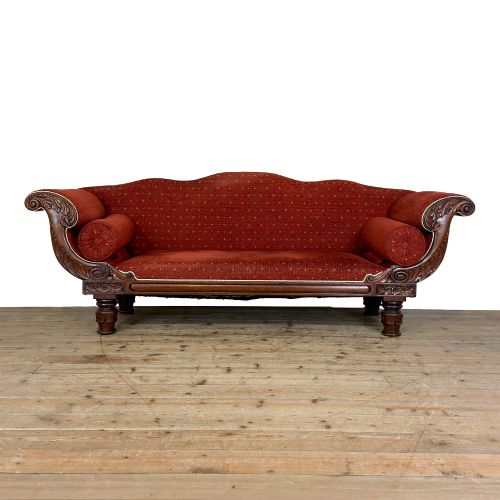
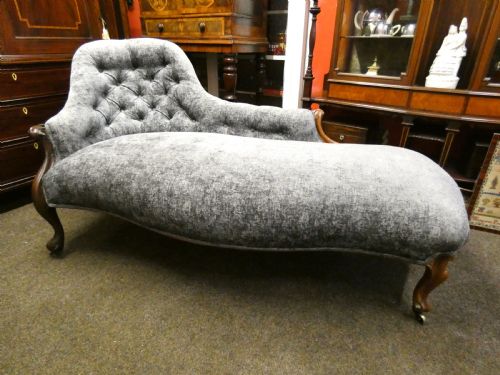
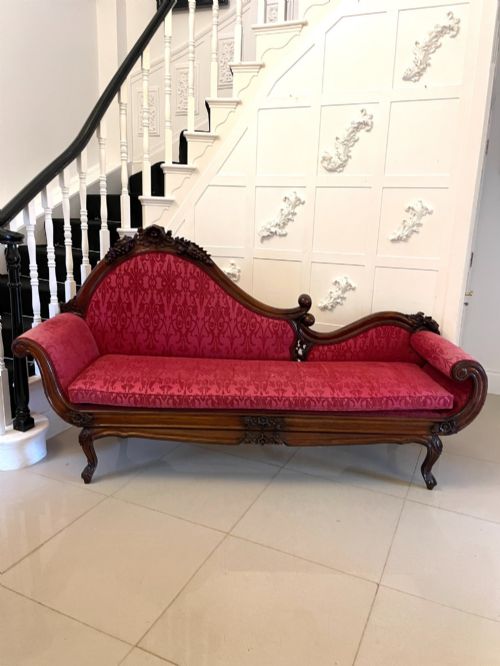
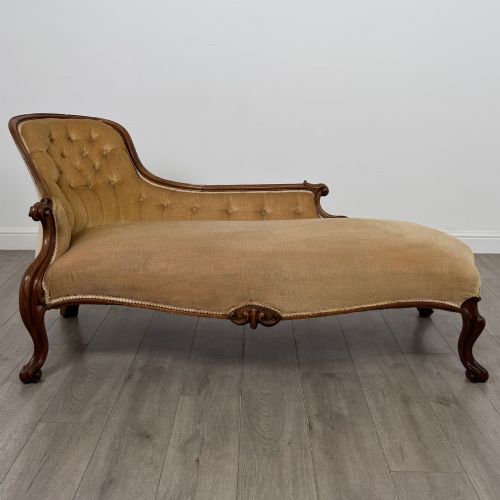
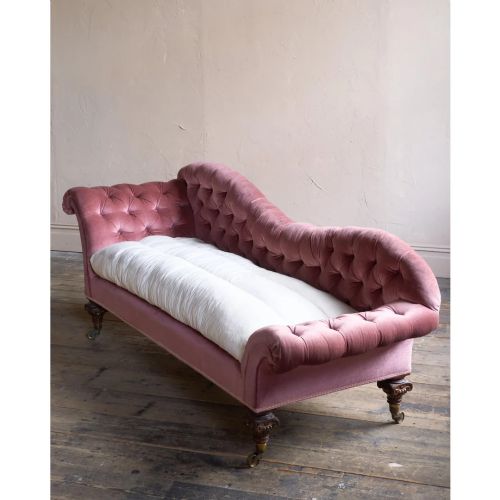
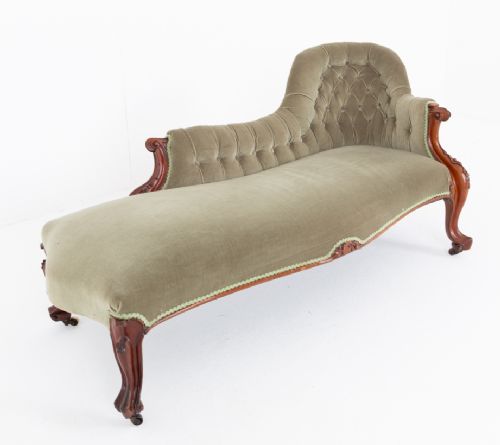
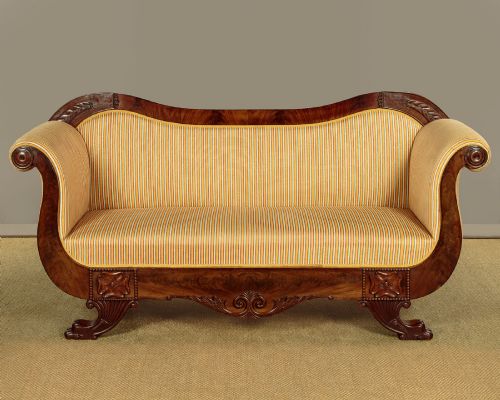
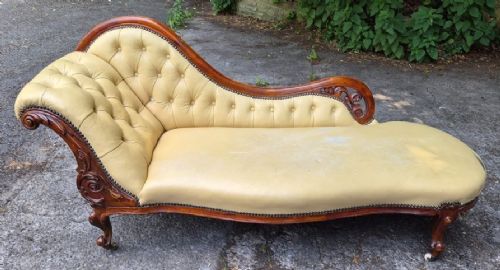
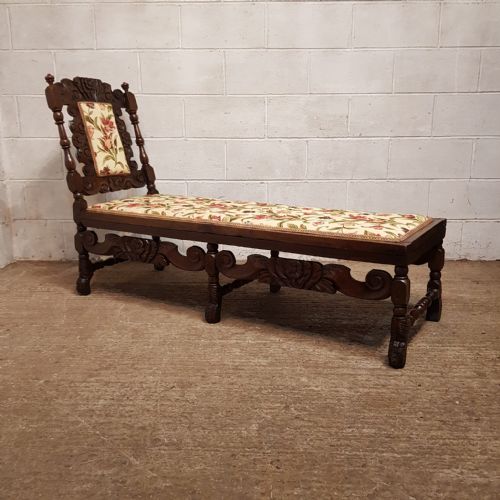
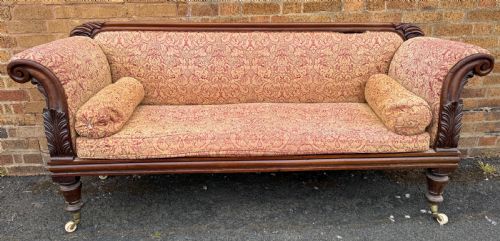
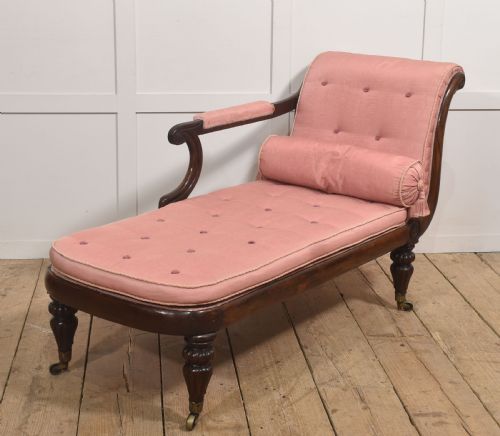
A carved antique daybed encompasses various forms designed for reclining, including chaise longues, scroll-end couches, and day beds spanning from the Regency and Victorian periods up to the early twentieth century. The selection leans heavily towards nineteenth-century iterations, particularly Victorian and William IV mahogany or rosewood pieces featuring carved scroll arms and upholstered seats.
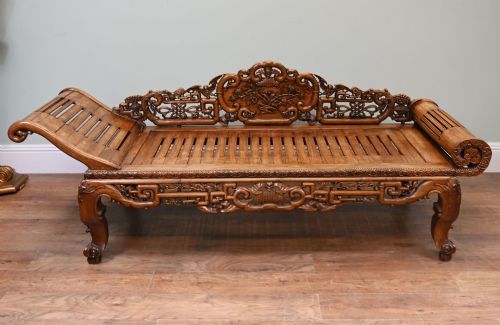
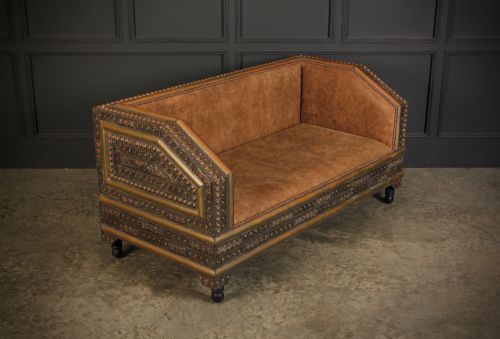
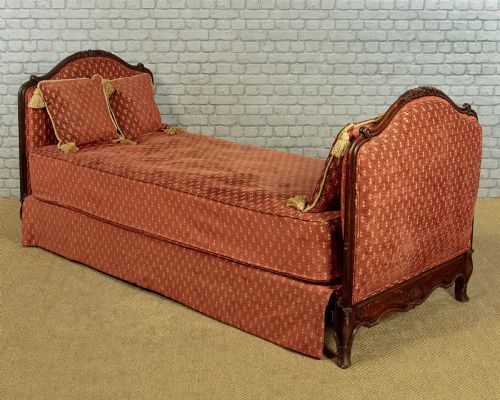
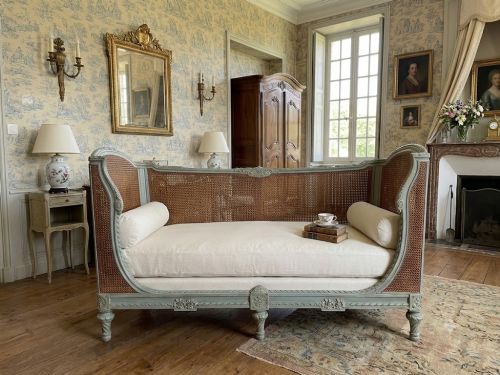
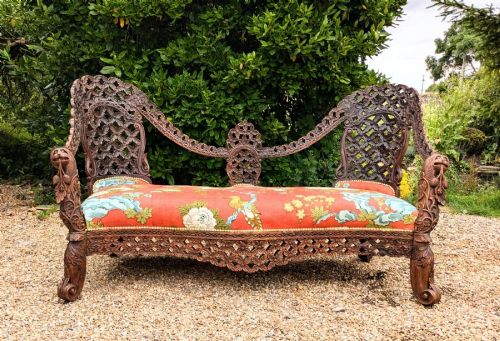
Beyond standard European seating, the inventory includes French styles like Louis XV and Louis XVI alongside Anglo-Indian, Chinese, and Islamic examples. These diverse origins bring distinct regional carving styles, from hardwood frames with intricate detail to painted cane work and giltwood finishes.
Judging Quality
Quality rests in the crispness of the timber carving and the architectural proportion of the frame. Superior pieces display deeply sculpted scroll ends and well-defined structural members without loss of detail.
The selection of timber grain and the integrity of secondary woods dictate the piece's standing. Finer examples maintain original show-woods with minimal timber replacement and retain balanced proportions across the entire length of the daybed.
Listings span multiple centuries, incorporating 18th-century Gustavian pieces alongside 19th-century Victorian and William IV rosewood and mahogany daybeds.
H. Goodall & Sons
The Carved Daybed Glossary
- Chaise longue
- An elongated chair for reclining, typically featuring a single raised headrest and an open side. This form dominates nineteenth-century seating listings.
- Scroll end
- A sweeping, curved wooden arm or back termination reminiscent of a rolled scroll. This detail appears frequently on Regency and William IV daybeds.
- Canapé
- A French term for an upholstered sofa, often applied here to ornate seating frames with exposed carved wood. Examples include Louis XV and Louis XVI style variations.
- Bergère
- An enclosed armchair or sofa with upholstered sides, frequently incorporating woven cane panels within a wooden frame. These pieces often hail from French provincial workshops.
- Takhat
- A low wooden platform or seating furniture originating from India, utilised for sitting or reclining. They are constructed from heavy hardwoods.
Carved Daybed: Frequently Asked Questions
Where should I place a daybed?
These pieces suit drawing rooms, studies, or large bedrooms where they serve as day seating or a place to recline. Their finished backs and carved rails allow them to sit away from walls.
Ensure adequate clearance around the piece so the scroll ends and carved wood remain visible from multiple angles in the room.
How do I identify a Victorian daybed?
Victorian examples typically feature dark timbers like mahogany or rosewood with heavy, detailed carving. They frequently take the form of a chaise longue with a single scroll end.
Look for robust proportions and nineteenth-century construction methods beneath the upholstery or cane work.
What is the difference between a daybed and a chaise longue?
A daybed generally offers a uniform length designed for sleeping or lounging flat, while a chaise longue prioritises a raised headrest for half-sitting.
Both forms overlap significantly in antique listings depending on the specific regional terminology used by the maker.
Can I use modern fabric on an antique daybed?
Upholstery fabric can be replaced to match modern interiors while preserving the underlying wooden frame. Many pieces arrive newly upholstered.
Select a fabric weight that complements the density of the mahogany or rosewood frame without overwhelming the carved details.