
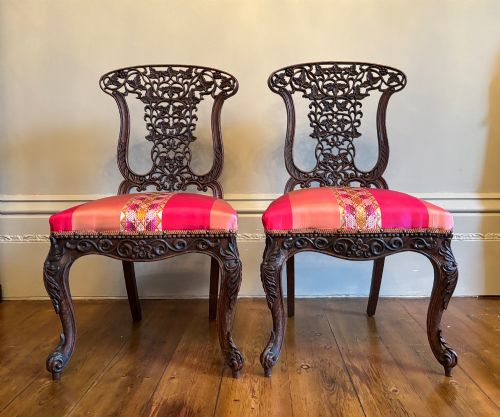
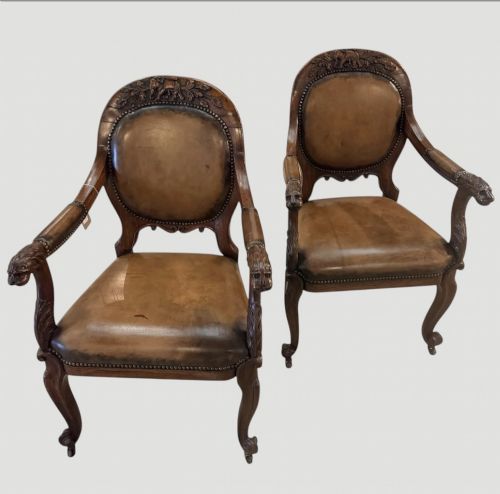
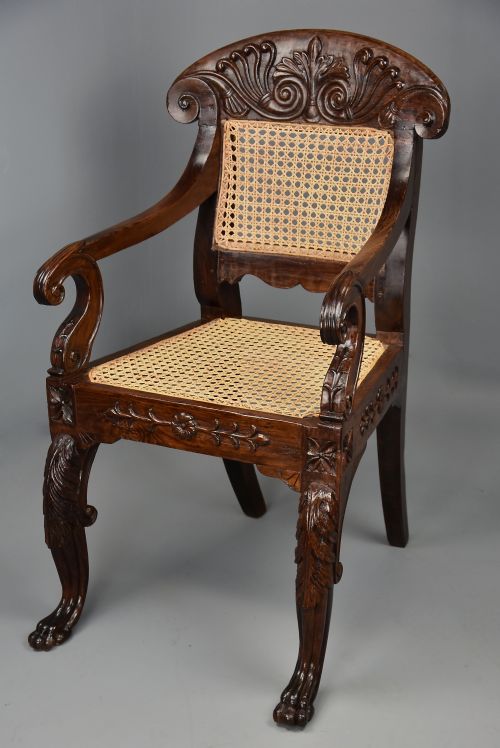

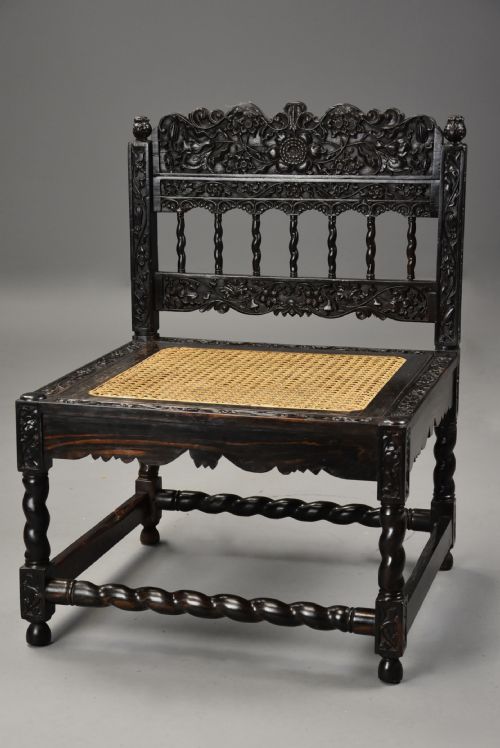


Carved Anglo Indian Colonial Chairs
Carved anglo indian colonial chairs bring dramatic global craftsmanship and deep tropical timbers straight into a traditional British interior.
Carved Anglo Indian Colonial Chairs
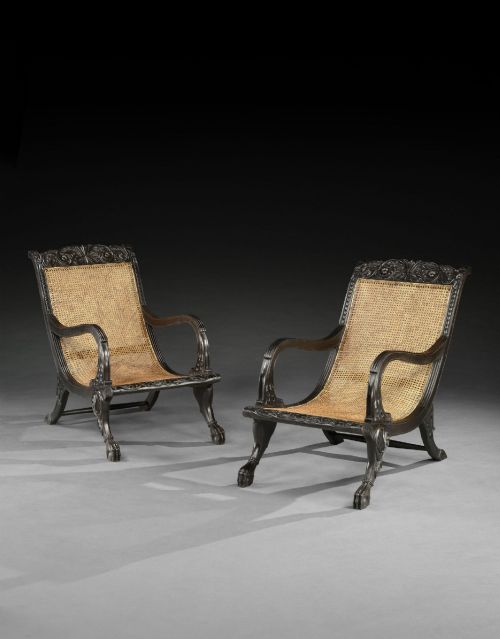
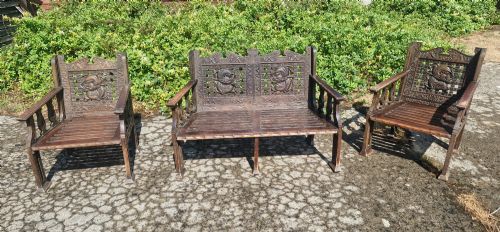
These pieces represent a distinct convergence of British furniture forms and intricate eastern woodworking traditions created during the colonial era. When you search for carved anglo indian colonial chairs, you encounter seating designed for the tropics, ranging from substantial armchairs and library chairs to expansive dining sets and folding campaign furniture.
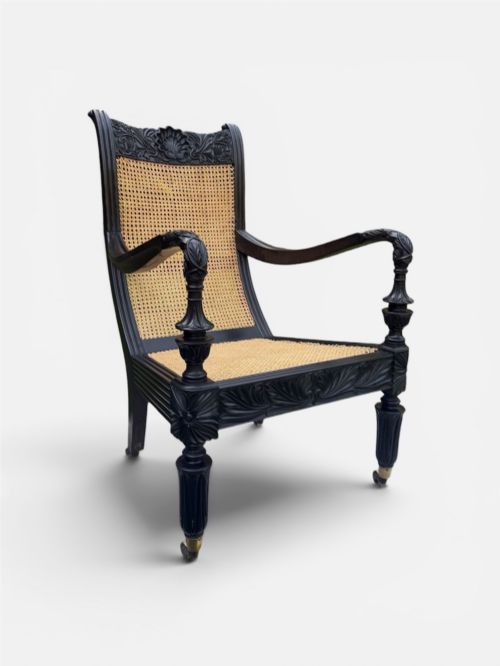
The materials and construction reflect the regions of their origin, taking forms such as deep Ceylonese ebony armchairs, Bombay rosewood planters chairs, and Burmese teak veranda chairs. Styles span from Regency and William IV influences down to late nineteenth century interpretations.
Most examples found here date across the nineteenth century, utilising dense native hardwoods shaped by skilled regional artisans. They function equally well as striking focal points in a hallway or as practical seating in a study or conservatory.
Materials and construction methods
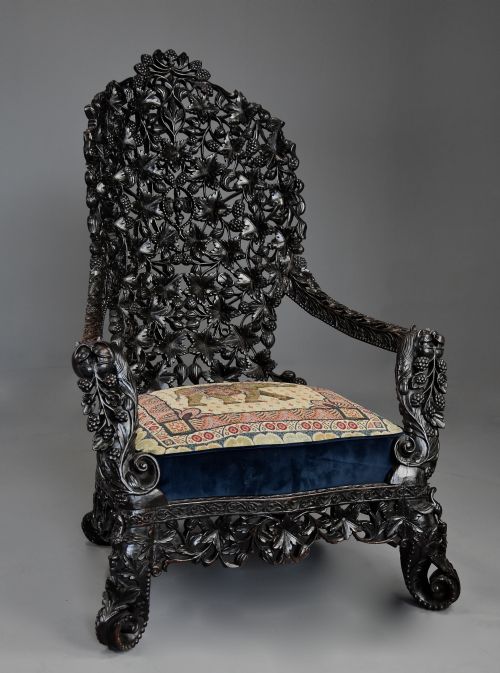
Cabinetmakers utilised exceptionally heavy and durable tropical timbers including solid ebony, padauk, rosewood, teak, and satinwood. These dense woods supported deeply undercut relief carvings of foliage, animals, and geometric motifs without compromising structural integrity.
Many items incorporate woven cane panels into seats and backs to provide cool ventilation in warm climates, occasionally complemented by leather or velvet upholstery. Brass mounts, hinges, and campaign folding mechanisms appear regularly, combining portability with ornate decorative detail.
Several folding campaign chairs survive ready for nineteenth century travel, proving that colonial officers insisted on proper seating anywhere.
Distinguishing quality in colonial seating
The standard of carving marks the primary division between ordinary pieces and exceptional ones, with superior examples exhibiting crisp, deeply pierced relief work rather than shallow or mechanical stamping. The choice of timber also dictates distinction, where heavy solid ebony or finely figured padauk commands greater respect than mixed secondary woods.
Structural cohesion remains paramount, particularly in caned panels and folding campaign joints which suffer from dry climates or heavy use over time. Original surface patination and untouched finishes preserve the character of the wood far better than aggressive modern stripping and polishing.
The Carved Anglo Indian Colonial Chairs Glossary
- Padauk
- A dense, heavy tropical hardwood native to Southeast Asia and India, prized for its rich reddish-brown colour and durability.
- Planters chair
- A specialised armchair featuring extended, pivoting arms designed to allow the occupant to elevate their feet.
- Cane
- Woven rattan material utilised for seats and backs to ensure cool airflow in warm environments.
- Savonarola chair
- A folding chair constructed from multiple curved wooden slats intersecting in a scissors X-shape.
- Campaign chair
- Portable furniture engineered to fold or dismantle easily for transport by military officers or travellers.
Carved Anglo Indian Colonial Chairs: Frequently Asked Questions
How do I use these chairs at home?
These seats suit studies, hallways, and drawing rooms where their dark timbers and intricate carvings provide a strong visual contrast against plain walls.
They also sit comfortably in modern or traditional interiors alike, pairing well with neutral upholstery and simple side tables.
Were these made in Britain or abroad?
Cabinetmakers constructed them primarily in workshops across India, Ceylon, and Burma during the colonial period, frequently adapting British furniture designs to local materials.
British officers and merchants commissioned or purchased them abroad before shipping the finished seating home to Britain.
How do I care for tropical hardwood?
Keep the wood nourished with appropriate wax or oil to prevent the dense timber from drying out in heated British homes.
Protect cane panels from sharp pressure points and avoid placing the furniture directly next to intense heat sources.
How are different periods identified?
Early nineteenth century examples often incorporate formal Regency or William IV structural lines combined with traditional local carving styles.
Later Victorian and late nineteenth century pieces tend toward heavier proportions and more ornate, densely packed floral relief work.