



Canvas Wall Art Classical
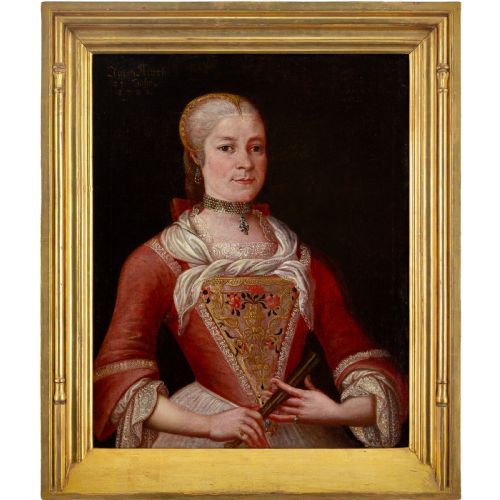
Canvas wall art classical offers hand-painted oil interpretations of historical masterpieces, mythological scenes, and formal portraits framed for period interiors.
Canvas Wall Art Classical
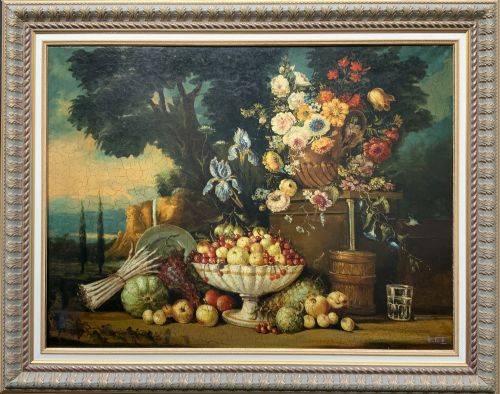
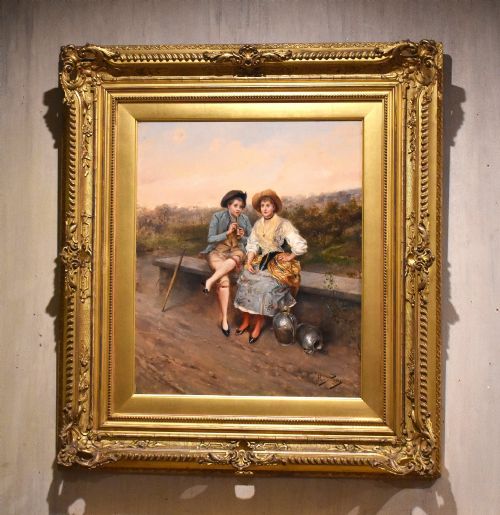
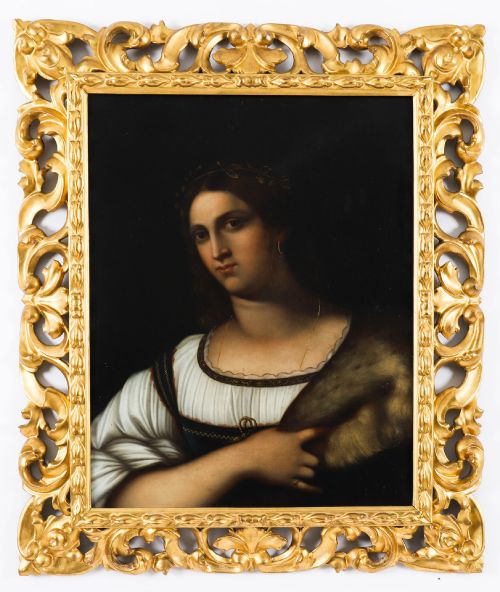
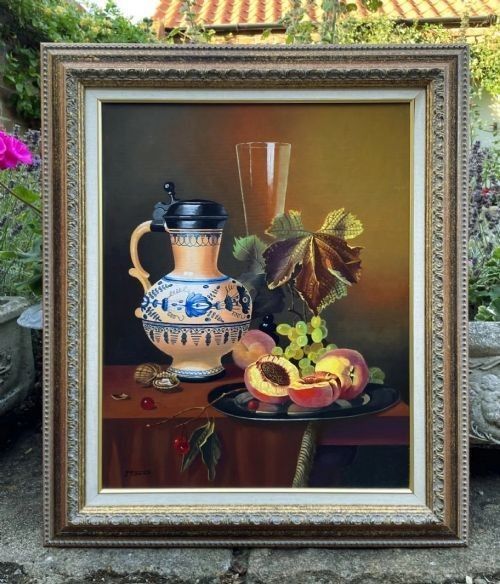
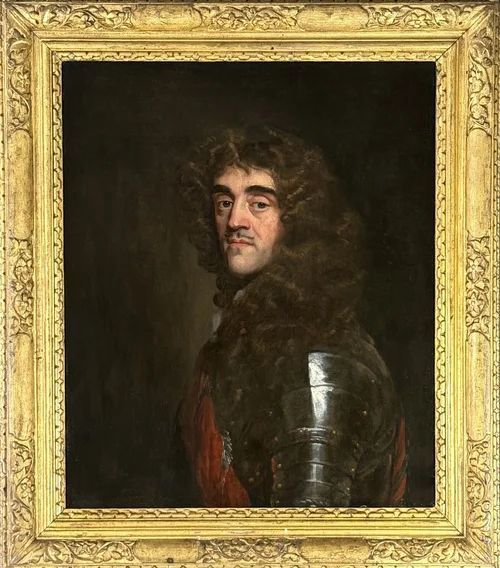
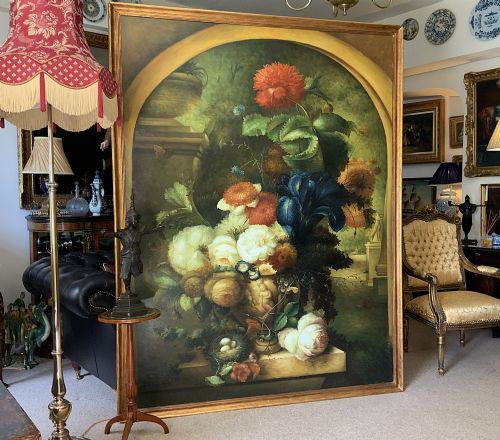
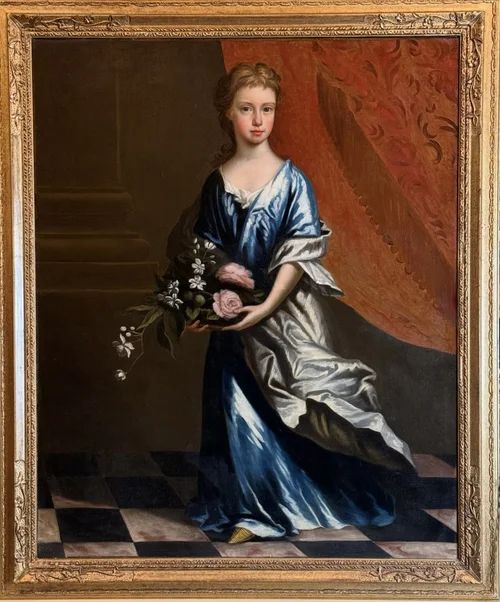
When you search for canvas wall art classical, you encounter oil paintings on stretched fabric that replicate or echo historical European painting traditions. These works span subjects like mythological narratives, formal portraiture, and still life arrangements derived from centuries of academic art.
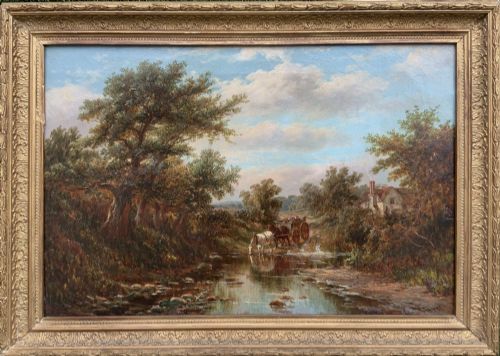
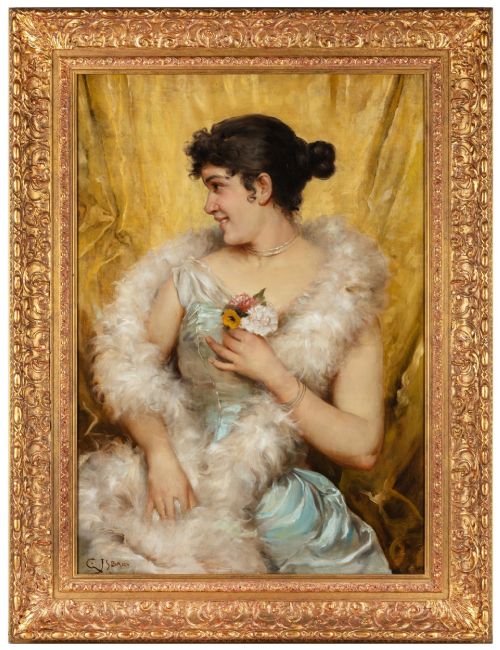
The pieces you meet here range from authentic period canvases dating back to the seventeenth and eighteenth centuries to later nineteenth-century interpretations and twentieth-century decorative studies. Many adopt the visual language of the Dutch Golden Age, French Rococo, or Italian Renaissance revival schools.
Common formats include framed wall art, paired decorative panels, and large-scale portraits designed to anchor a traditional room. They provide the visual weight and historical atmosphere of grand country house collections without requiring museum acquisitions.
How they were made
These works rely on traditional oil paint applied to woven canvas stretched over wooden frames, often supported by heavy decorative surrounds of giltwood or gesso. Painters built up compositions through layered glazes and opaque pigments to achieve depth in drapery, flesh tones, and shadowed backgrounds.
Frames play an integral structural and aesthetic role, utilising hand-carved wood finished with gold leaf or moulded gesso ornaments. These surrounds echo the stylistic period of the canvas, securing the painting while enhancing its architectural presence on the wall.
Several portraits capture subjects mid-action, including a lady delicately picking oranges and another clutching a pet bird in a wicker basket.
What varies in quality
Quality rests upon the fidelity of the brushwork, the anatomical conviction of figurative subjects, and the handling of light within the composition. Masterful hands render fabrics, botanical details, and subtle facial expressions with an assured fluidity that mechanical copies or flat oleograph reproductions lack.
The integrity of the physical materials also divides the range, distinguishing aged linen stretched over pegged wooden frames from later commercial supports. Furthermore, the craftsmanship of the accompanying giltwood or gesso frame - whether intricately hand-carved or simply molded - contributes significantly to the overall standing of the piece.
Charles-Antoine Coypel·Sir Peter Lely·Pieter Borsseler·Sir Joshua Reynolds·John Opie·Gaspar Peeter Verbruggen
The Canvas Wall Art Classical Glossary
- Oleograph
- A mechanical reproduction printed on canvas that simulates the texture, colour, and surface appearance of an oil painting. These prints often carry surface embossing to mimic brushstrokes.
- Giltwood
- Wood that has been coated with a thin layer of gold leaf or gold powder. It is commonly utilised for ornate picture frames from the seventeenth century onwards.
- Gesso
- A white paint mixture consisting of a binder mixed with chalk, gypsum, or pigment. It serves as a smooth preparation base for canvas or wood panels before oil painting begins.
- Baroque
- A European style spanning the seventeenth and early eighteenth centuries characterised by drama, deep shadow, rich colour, and grand scale. Paintings from this tradition emphasise intense emotional encounters and dynamic movement.
Canvas Wall Art Classical: Frequently Asked Questions
What subjects do these classical paintings show?
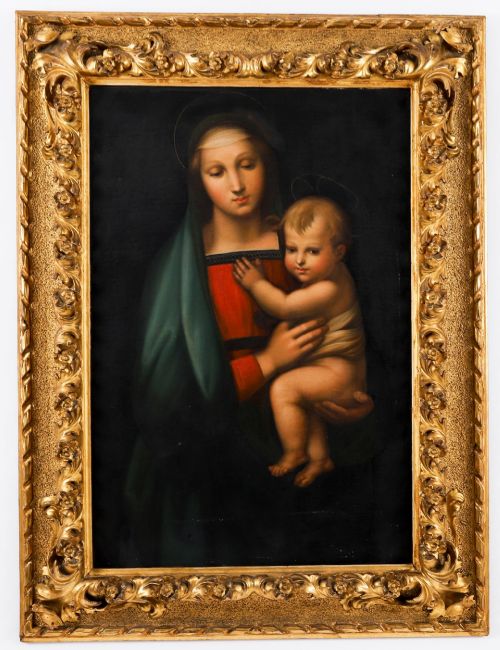
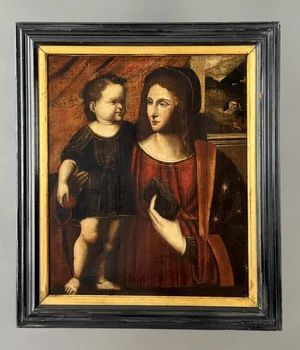
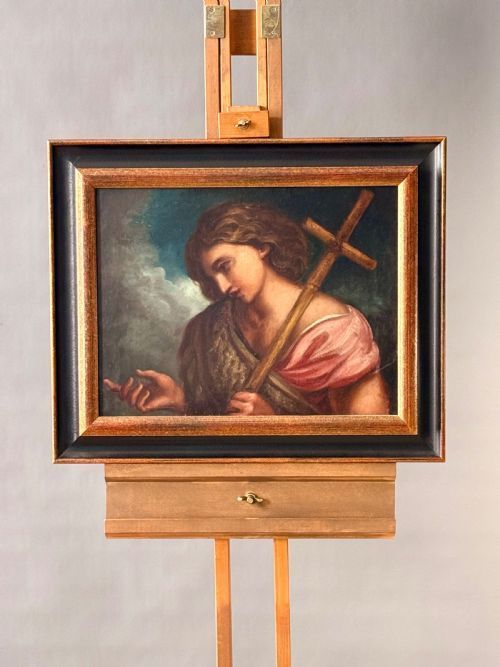
These works typically depict mythological narratives, formal historical portraits, religious scenes, and detailed floral or fruit still lifes. They draw directly from European academic traditions established across the seventeenth, eighteenth, and nineteenth centuries.
Subjects range from intimate domestic interiors and copied masterpieces to grand allegorical pairs designed for stately rooms. Each piece reflects the dominant visual tastes of its originating period.
How do I date a classical canvas?
Dating relies on examining the preparation of the canvas, the composition style, the framing technique, and any recorded attribution to specific artists or schools. Seventeenth and eighteenth-century works often display hand-woven linen supports and period-specific pigments.
Later nineteenth and twentieth-century examples frequently incorporate revival styles or modern mechanical aids like oleograph printing. Comparing the handling of light and subject matter to documented historical works clarifies the timeline.
Where should I hang large framed art?
Large classical oil paintings suit principal reception rooms, dining halls, or stairwells where high ceilings provide adequate wall space for their scale. Their substantial giltwood and gesso frames require secure wall fixings capable of supporting heavy wooden structures.
Placing these works away from direct sunlight preserves the oil pigments and prevents the canvas from drying out. Adequate ambient lighting helps bring out the depth of the dark backgrounds typical of these traditional styles.
Are these works original or copies?
The selection includes both original period paintings by named artists or their workshops and deliberate historical copies made after famous masters. Many listings explicitly note when a painting is created in the style of or after a renowned historical precedent.
Both original compositions and period copies hold distinct historical value, reflecting how later artists studied and reproduced classical techniques across different centuries.