



Canvas Studio Artwork
Canvas studio artwork brings together centuries of painted portraits and interiors created within historical workshops, offering buyers direct access to traditional oil techniques.
Canvas Studio Artwork
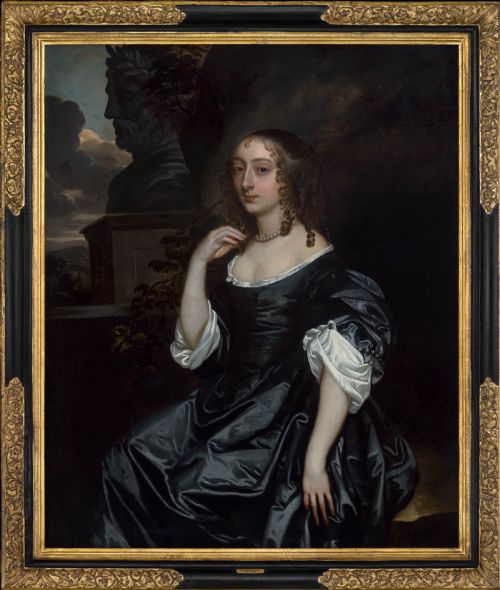
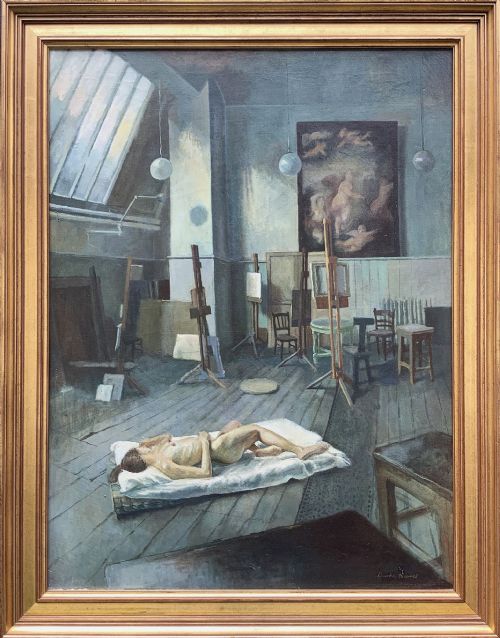
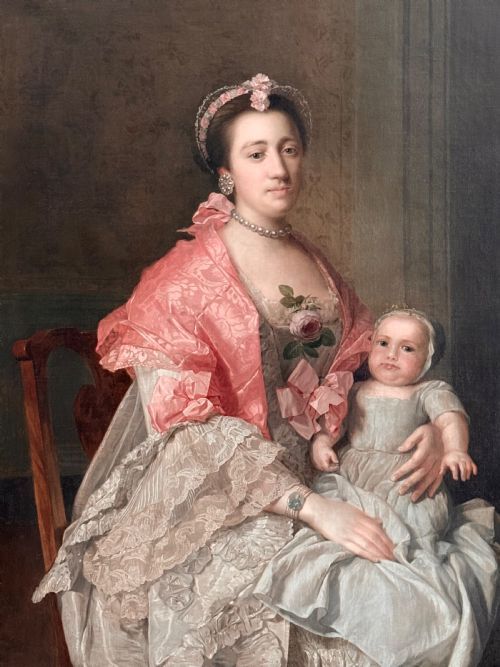
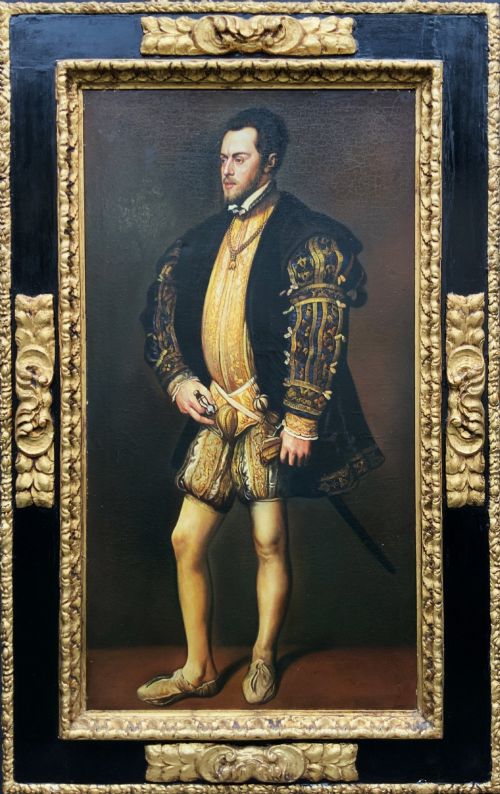
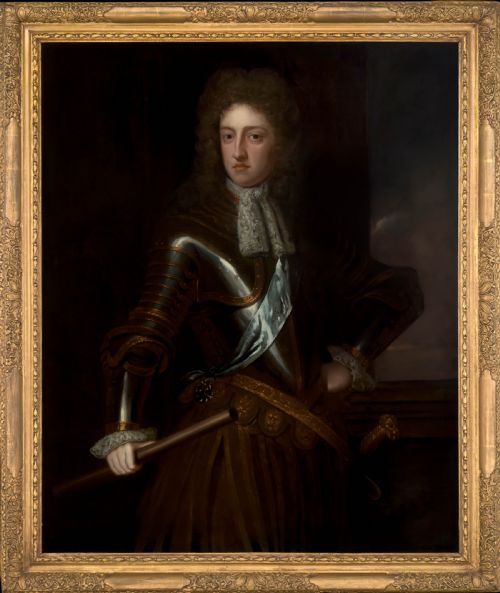
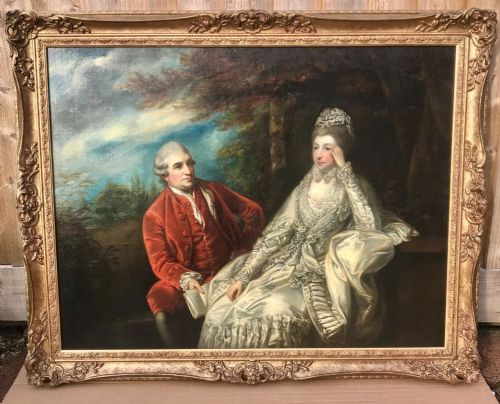
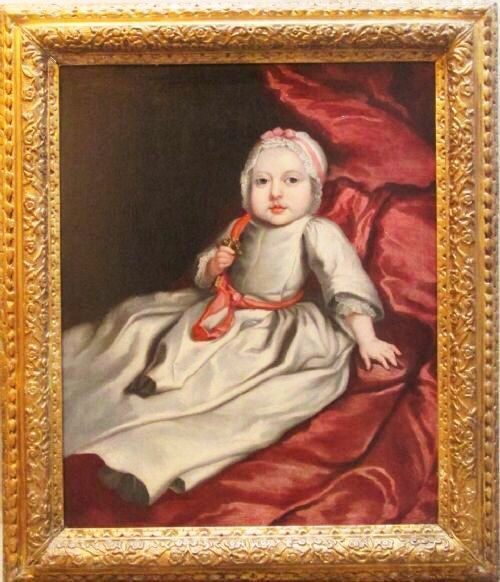
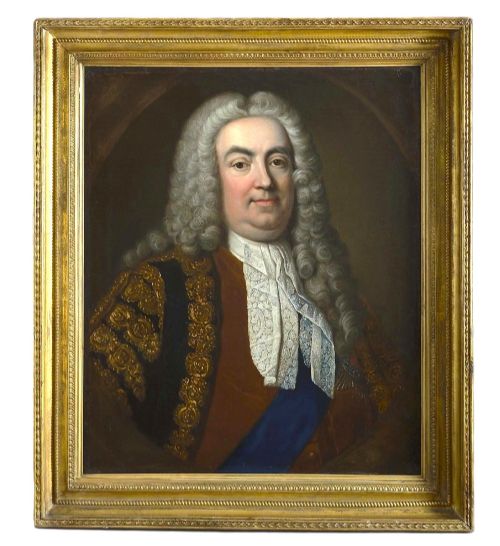
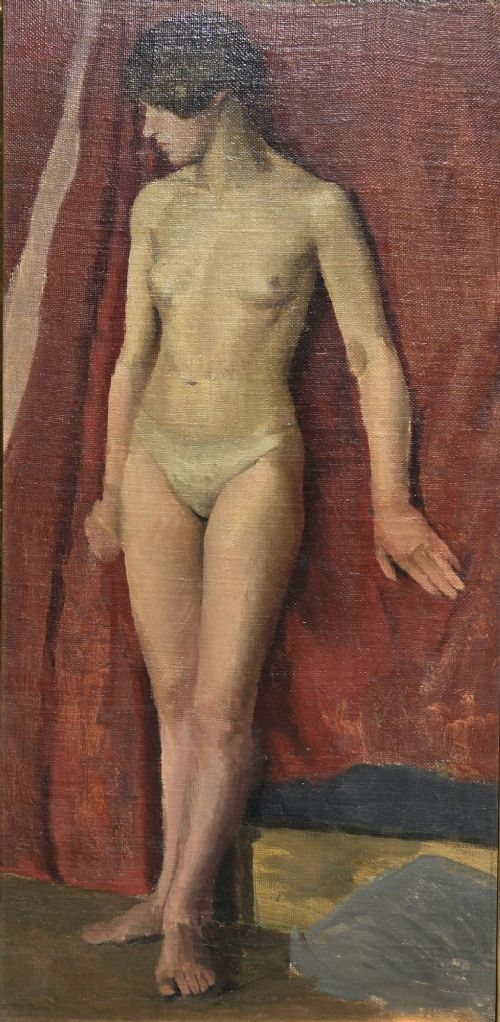
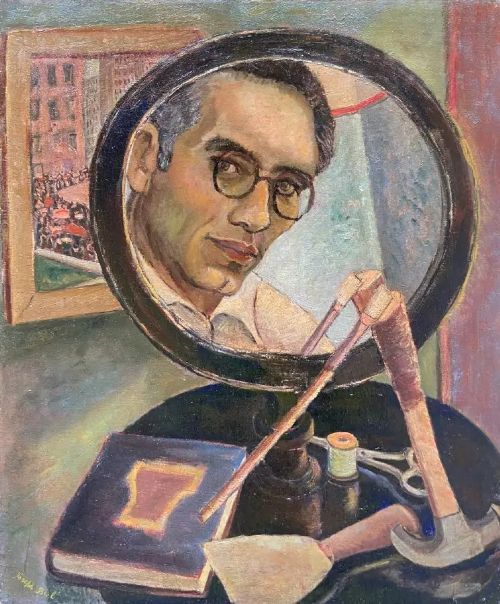
When you search for canvas studio artwork, you encounter painted portraits, figurative scenes, and interior views originating from historical studio practices. These works span multiple centuries, ranging from seventeenth-century aristocratic portraits to twentieth-century life class studies and modernist compositions.
The pieces on this page heavily feature works produced within established painting workshops or attributed to the circles of major portraitists. Subjects include notable historical figures, anonymous sitters, domestic animals, and artist studio environments executed in oil on canvas.
Period representation stretches from the seventeenth century through the eighteenth and nineteenth centuries into twentieth-century modernism. Forms encompass large-scale formal portraiture, genre scenes, and intimate artist self-portraits.
How They Were Made
The primary material combination visible across these listings is oil paint applied to woven canvas supports. Painters built up compositions using layered pigments that allowed for subtle tonal transitions in skin and fabric.
Many historical works incorporate carved wooden frames finished with gilt or gold leaf. These auxiliary elements provide structural support and historical context to the paintings themselves.
Canvas Studio Artwork Retail Price Guide 2026
Typical asking prices for canvas studio artwork among the pieces listed under this phrase on Sellingantiques today, from the lower quarter to the upper quarter. They describe what is for sale here now, not the wider market.
Materials appearing across the inventory include oil paint, stretched canvas, wood, giltwood frames, and applied gold leaf.
What Varies in Quality
Quality in these paintings rests upon the handling of anatomy, drapery, and facial expression by the brush. Works originating directly from a master's studio display confident draftsmanship and sophisticated management of light compared to routine workshop copies.
The preservation of the original paint layer and the stability of the canvas support influence the overall integrity of the piece. Surviving seventeenth and eighteenth-century canvases often show historical restoration that alters the visual balance of the composition.
Studio M Canals·Sir Godfrey Kneller·Deidre Daines·Sir Peter Lely·Sir Allan Ramsay·Mary Beale·Joshua Reynolds·Jean Baptiste Van Loo·Winifred Rymer·Sir Thomas Lawrence·David Teniers II·Ah Hee Studio·Pompeo Batoni·Pompeo Massani·Markey Robinson·Fra Galgario·Philip Mercier·Abraham Lambertsz van den Tempel
The Canvas Studio Artwork Glossary
- Oil on Canvas
- A painting medium where pigments are suspended in a drying oil and applied to a stretched cloth support. This combination allows for rich colour saturation and flexible application.
- Studio Work
- A painting produced within the workshop of a master artist, often involving assistants who contributed to the background or drapery. These pieces reflect the style and standards of the primary master.
- Giltwood
- Wood that has been coated with a thin layer of gold leaf or metallic powder. Frames made this way complement historical oil paintings.
- Genre Painting
- A pictorial work depicting scenes from everyday life rather than heroic or religious subjects. These compositions capture ordinary people in domestic or public interiors.
- Old Master
- A European painter of skill working before the nineteenth century. The term also designates works produced by such artists or their immediate followers.
Canvas Studio Artwork: Frequently Asked Questions
What is canvas studio artwork?
Canvas studio artwork encompasses oil paintings produced within historical artist workshops or attributed to the circles of established painters. These items range from seventeenth-century aristocratic portraits to twentieth-century interior scenes.
The category highlights the collaborative nature of traditional painting, where masters and their assistants created portraits and figurative works for patrons.
How do I date a canvas painting?
Dating relies on costume, hairstyle, painting technique, and physical evidence found on the canvas and stretcher. Seventeenth and eighteenth-century works often feature specific clothing styles and canvas preparations associated with documented workshops.
Secondary indicators include framer's marks, stencils, and historical inscriptions left on the reverse of the stretcher bars.
Where should I hang these paintings?
These works suit traditional living spaces, libraries, and dining rooms where historic portraits and genre scenes add architectural character. Proper placement avoids direct sunlight and extreme humidity fluctuations to protect the oil paint and canvas.
Pairing a canvas with a compatible period frame enhances its visual presence on a wall.
What does studio attribution mean?
Studio attribution indicates that a painting was created in the workshop of a named master, under their supervision, or by close followers using their methods. Such works often capture the composition and style of the primary artist.
This designation distinguishes direct master hands from workshop productions intended to satisfy popular demand for a painter's style.