



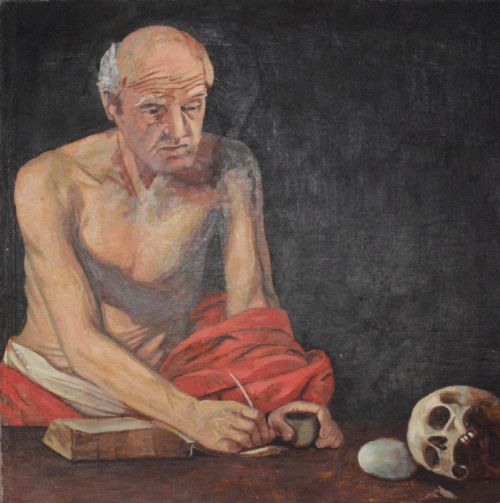

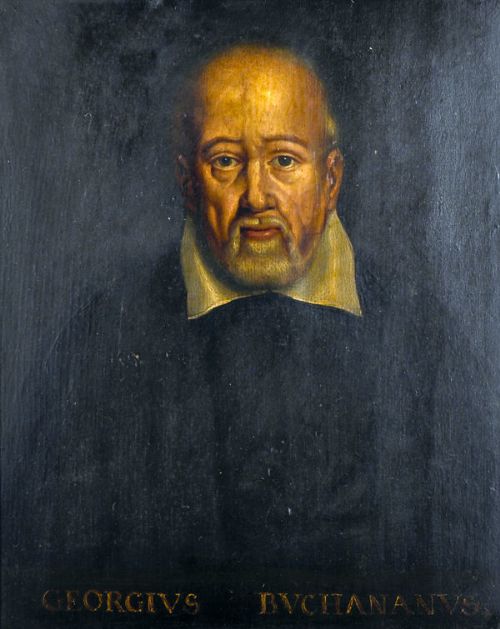


Canvas Scholar Portrait
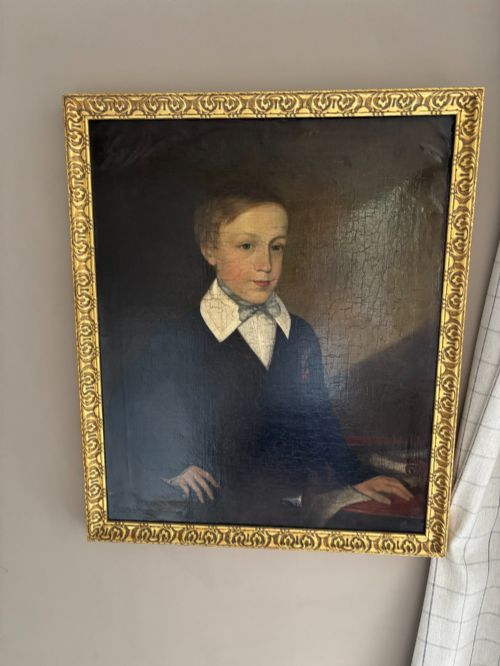
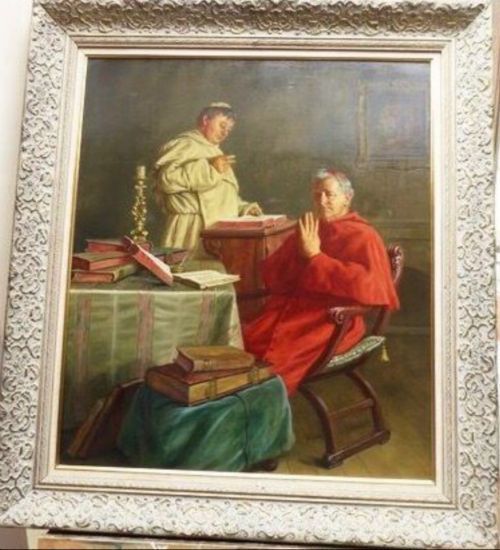
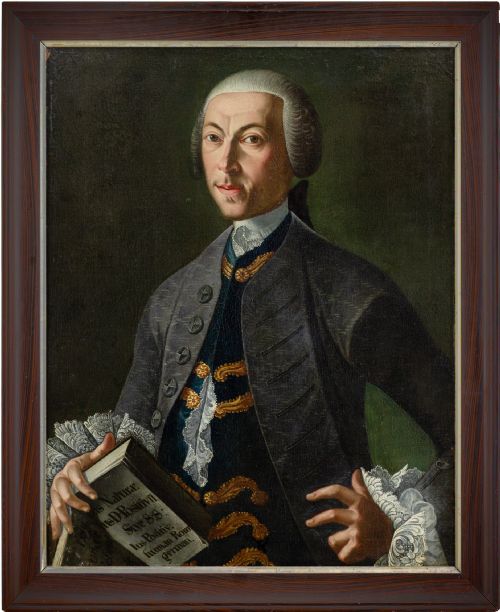
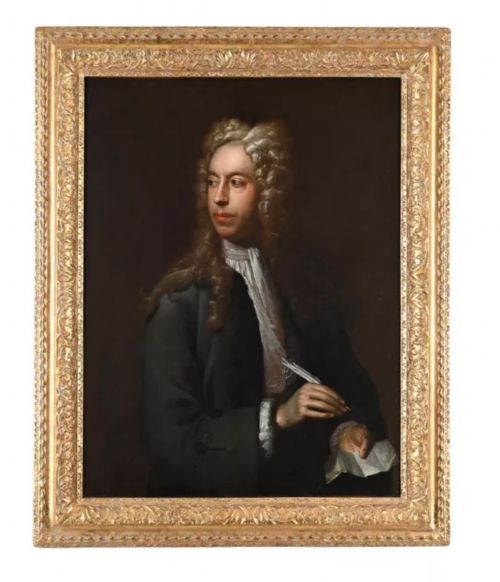
A canvas scholar portrait captures the intellect of a bygone era, offering buyers a window into historical academic life.
Canvas Scholar Portrait
A canvas scholar portrait depicts learned figures, theologians, doctors, poets, and mathematicians across several centuries.
These works emerge from British, European, and Persian traditions, spanning the seventeenth, eighteenth, and nineteenth centuries.
Subjects appear with texts, scrolls, or in scholarly study environments, rendered in oil on canvas alongside giltwood framing.
How they were made
Artists applied oil paint directly onto woven canvas supports, utilising traditional brushwork to build depth and form.
Many surviving examples retain their original gilded wood or giltwood frames, completing the construction of the artwork.
Several scholars squeeze seventeenth-century wisdom onto canvas alongside poets, physicians, and mental calculators.
What varies in quality
The sophistication of the sitter's facial rendering and the psychological depth of the depiction determine the standing of each piece.
Attribution to documented schools or named painters elevates certain works above standard anonymous academic studies.
Michael Dahl·John Watkins Chapman·John Hoskins·James Ward·Frans Pourbus the Elder·Edward Penny
The Canvas Scholar Portrait Glossary
- Canvas
- A heavy woven fabric used as a surface for oil paintings. It provides a durable ground for centuries of pigment.
- Giltwood
- Wood that has been covered with a thin layer of gold leaf. This finish frames many period oil paintings.
- Oil paint
- A slow-drying medium consisting of pigments suspended in oil. It allows for subtle blending of tones in portraiture.
- School
- A group of artists working in a particular style or region during a specific period. These groupings help identify origin.
Canvas Scholar Portrait: Frequently Asked Questions
What is a canvas scholar portrait?
These works are oil paintings on canvas depicting figures of intellect, such as mathematicians, theologians, and poets.
They record notable historical individuals and anonymous scholars from various European and British schools.
How were these portraits used?
Subjects often commissioned these works to mark intellectual achievements or ecclesiastical positions.
Libraries, studies, and institutional halls traditionally displayed such paintings to project learning and authority.
How do I live with one?
Hang the canvas away from direct sunlight to protect the oil pigments and the gilded wood frame.
Maintain stable room temperatures to prevent the canvas support from warping or cracking over time.
How do I tell periods apart?
Seventeenth-century examples often feature rigid framing and stark lighting typical of Baroque or Spanish schools.
Later eighteenth and nineteenth-century works introduce softer Neoclassical palettes and more relaxed scholarly poses.